Add Row
Add Element
UPDATE
Add Element
  • Home
  • Categories
    • Cleaning & Moving
    • Maintenance / Repairs
    • Remodeling & Construction
    • Landscaping / Outdoor
    • Security & Technology
    • Sustainability, Health & Safety
    • Interiors / Décor
    • Expert Interviews
    • DIY Home Projects
Home Wise News!
Wise Insights, Reliable Contractor Advice & Hands on DIY Know How for Savvy Homeowners
May 24.2025
2 Minutes Read

15 Stunning Window Box Flowers to Instantly Boost Curb Appeal

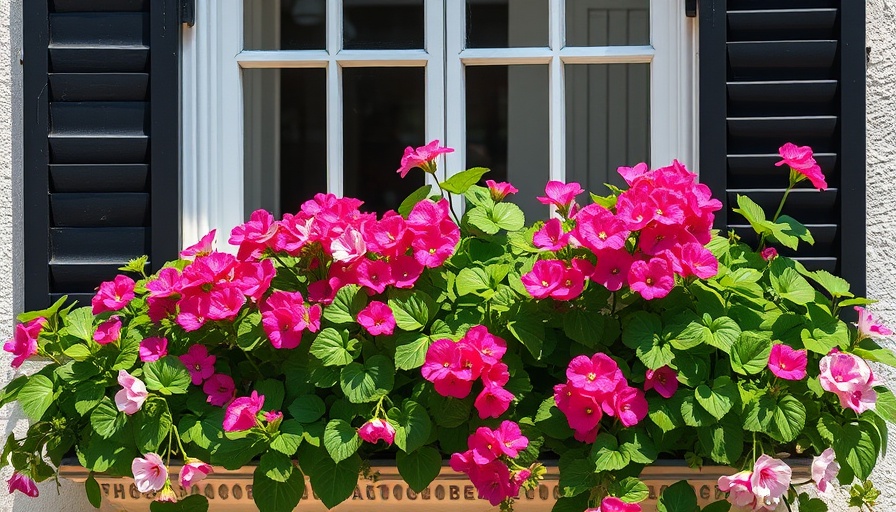
Vibrant window box flowers against a vintage window frame.

Transform Your Curb Appeal with Window Box Flowers

Looking to elevate your home's exterior without a full renovation? Window boxes might just be the ticket! These charming floral arrangements not only beautify your home but also provide fresh seasonal blooms that can enhance your curb appeal dramatically. In this article, we’ll explore ideal plants for window boxes that cater to various preferences and climates, ensuring you find the perfect fit for your green space.

Top Picks for Eye-Catching Window Box Flowers

When selecting flowers for your window boxes, consider the following options that keep your windows looking vibrant all year round:

  • Petunias: These colorful blooms can create a cheerful display. Their variety in color and robust growth allows for creative combinations.
  • Geraniums: Known for their resilience and ability to thrive in sun or partial shade, geraniums bring a classic charm to your outdoor decor.
  • Impatiens: Perfect for shady spots, these beauties add a pop of color, offering rich hues and continuous blooms into the fall.
  • Read more about pentunias, geraniums...
  • Sweet Alyssum: Its fragrant and delicate white flowers cascade gracefully down window boxes, making your home smell as good as it looks.

The Power of Seasonal Arrangements

Your window box can be a canvas for seasonal creativity! Each season offers unique flowers that can make your window pop with color:

  • Spring: Incorporate tulips and daffodils for a fresh spring look.
  • Summer: Vibrant zinnias and cosmos can add a lively atmosphere.
  • Fall: Choose chrysanthemums and ornamental kale for a cozy autumnal charm.
  • Winter: Evergreens, holly, and seasonal decor can keep your window box looking festive.

Planting Tips for Success

To ensure your window box flourishes, remember these expert planting tips:

  • Drainage: Incorporate gravel at the bottom of your window box to help with water drainage. Overly wet roots can lead to rot.
  • Soil: Use high-quality potting soil enriched with fertilizer to provide nutrients and maintain moisture.
  • Sunlight: Understanding how much sunlight your chosen flowers need is vital. Group plants with similar light requirements for the best results.

The Emotional Impact of Curb Appeal

Curb appeal isn’t just about aesthetics; it tells a story about who you are. A beautiful front window can evoke feelings of pride and happiness, inspiring neighbors and passersby alike. It even has the power to increase your home’s value—according to real estate experts, homes with enhanced curb appeal can outpace their peers in the housing market.

Conclusion: Design Your Space with Heart

Whether you're a gardening novice or a seasoned horticulturist, window boxes are an excellent way to express creativity and enhance your home’s exterior. With a plethora of flower choices and simple maintenance tips, these floral arrangements can transform any home into a picturesque escape.

If you’re inspired to create your own flower-filled window box this season, gather your materials, choose your favorite blooms, and dive in. Remember, the journey of gardening is just as rewarding as the destination!

Landscaping / Outdoor

0 Comments

Write A Comment

*
*
Related Posts All Posts
01.28.2026

Transform Your Gardening Experience: Essential Tips for Yard Tool Organization

Update Spring into Action: The Importance of Yard Tool Organization As the first blooms of spring make their appearance and the air warms, it’s time to turn our focus outdoors. While we often rejuvenate our indoor spaces during spring cleaning, don’t underestimate the transformative power of organizing your yard and garden tools. An untidy outdoor space filled with forgotten tools and broken pots can dampen the joy of gardening and inhibit productivity. This spring, revitalize your outdoor projects with these essential steps for decluttering and organizing your yard tools effectively. 1. Conduct a Thorough Outdoor Inventory Before diving into decluttering, it’s critical to assess what you have. Empty your shed or storage area and make an inventory of all your tools. Categorize them into three groups: Keep (items you regularly use), Repair (tools that just need a little TLC), and Discard (broken or duplicate items). This process not only provides a clearer picture of your toolkit but also helps avoid unnecessary duplicate purchases, cultivating a mindful approach towards tool ownership. 2. Clean Your Tools for Longevity Sparking joy in your outdoor tasks starts with clean tools. Neglected tools run the risk of rust and plant diseases—nobody wants those on their gardening gloves! To effectively clean your tools, scrub any dirt away using a stiff brush, rinse metal parts thoroughly, and dry them completely. Wipe down handles with soap and water. Finally, applying a light coat of oil on metal parts not only helps prevent rust but ensures smoother use. When tools shine, they enhance the gardening experience and encourage you to spend more time outdoors. 3. Smart Storage Solutions to Enhance Accessibility Post-cleaning, focusing on smart storage strategies is essential for a tidy garden area. Wall-mounted racks and hooks are ideal for long-handled tools, while shelving units keep smaller items organized. For gardeners on the go, consider portable caddies or totes to carry essential tools wherever needed. Brands like Keter offer durable weather-resistant storage sheds, which keep tools protected from the elements and contribute to a clutter-free yard. Organizing efficiently creates a safe and pleasant environment, making your gardening tasks more enjoyable. 4. Responsible Disposal and Recycling Spring cleaning should embody renewal, not waste. Instead of tossing out broken tools, explore recycling options. Many centers accept metal tools, while local nonprofits might appreciate gently used gear. Always check your local recycling guidelines for plastic pots—many can be reused or donated. Organic materials like broken stakes can find new life when composted, supporting sustainability efforts and closing the loop in your gardening practices. 5. Refresh Your Outdoor Workspace Having tidy tools is only half the battle; your entire work area should reflect your efforts. Take this opportunity to spruce up your outdoor workspace by sweeping away debris from your patio, cleaning shelves, and rearranging items in your shed. Consider updating your potting bench or adding organizational features that suit your gardening style. This creates an inviting atmosphere, making your outdoor space a place of creativity and relaxation. Exploring Modern Gardening Tools and Storage Options As the gardening world evolves, so do the tools and storage solutions available. Check out innovative garden storage options like portable sheds or specialized garden tool cabinets that provide organized and safe spaces for your gardening gear. Investing in durable materials extends the life of your tools while optimizing your greenhouse or shed to maximize space. The latest trends in gardening call for sustainability; thus, consider eco-friendly products that align with your values. Future Predictions for Gardening Trends Looking ahead, gardening is expected to gain popularity among urban dwellers as the demand for outdoor spaces increases. More individuals will prioritize gardening, resulting in higher interest in efficient storage solutions that maximize small spaces, such as vertical gardens and closet potting areas. This echoes a larger trend in home improvement that focuses on multifunctional designs, emphasizing both aesthetic appeal and functionality. Concluding Thoughts: Make Gardening a Joyful Experience Embracing a seasonal spring cleaning ritual not only refreshes your outdoor space but invigorates your gardening practices too. These strategies will help you enjoy your garden tasks, foster sustainability, and improve your home’s aesthetic appeal. Let this spring cleaning be more than just a chore—transform it into an opportunity for renewed passion in your gardening journey. As you embark on this decluttering adventure, challenge yourself to share your journey and tips with fellow gardeners. Not only does this create community, but it also spreads the joy of organized gardening.

01.26.2026

Do Trees Really Explode in the Cold? Unpacking the Truth of Frost Cracks

Update Do Trees Really Explode in the Cold? An Expert Clarifies the Misconceptions As winter encroaches, many have been left puzzled by alarming claims circulating on social media: that trees might "explode" in the cold. While such sensational headlines may provoke a sense of dread, understanding the truth behind these claims is essential. To get to the bottom of this phenomenon, we spoke with expert arborist Ryan Torcicollo, who shed light on the occurrence of frost cracks—what they are, why they happen, and how they impact trees in frigid weather. The Reality of Tree Explosions in Cold Weather It's important to clarify upfront that trees do not truly "explode" when temperatures plummet. The sensational term can mislead people into thinking there is a genuine explosive force at work. In fact, the term is a misinterpretation of a natural occurrence known as frost crack. According to Torcicollo, "Extreme cold can cause visible damage to trees, but there's no actual explosion occurring"; instead, what happens is the result of internal stress responses within the trees. Understanding Frost Cracks: What They Are So, what exactly are frost cracks? The phenomenon is a stress reaction that occurs when trees experience rapid temperature fluctuations. On chilly nights, sap in the tree's tissues can freeze, expanding in volume and putting pressure on the tree’s structure. As a result, "frost cracks" can form—vertical splits in the bark that can be alarming to those who see them. Although the sound accompanying these cracks can resemble an explosion, it's merely the tree's way of coping with thermal stress, as confirmed by multiple sources, including the Nashville Tree Conservation Corps. Which Trees Are Most Affected? Certain species of trees are particularly susceptible to frost cracks. According to experts, maple, birch, elm, and sycamore trees are at a higher risk, while oak and chestnut tend to be more resilient against extreme temperature changes. Understanding which trees are more prone to frost cracks can help homeowners take necessary precautions when the winter chill sets in. How to Protect Your Trees from Winter Damage While you cannot prevent frost cracks entirely, proper maintenance can decrease the likelihood of tree damage during winter. Here are key tips for safeguarding your trees this cold season: Regular Maintenance: Trim your trees and remove dead branches to avoid additional stress during storms. Structural Support: For large or vulnerable trees, consider the installation of cables or braces to help them weather extreme conditions. Understanding the Consequences: Are Frost Cracks Dangerous? While frost cracks can indeed look severe, they don't necessarily mean a tree is condemned. As mentioned earlier, many trees can survive such cracks and continue to flourish. However, if left unchecked, cracks may weaken a tree's structural integrity over time, creating an entry point for pests and diseases. If you spot a frost crack, avoid the temptation to seal it with paint or caulk, as this may trap moisture and stifle the tree's natural healing process. Community Awareness: Why This Information Matters The phenomenon of frost cracks is a significant concern for homeowners in colder regions. Understanding these cracks can help dispel fears of trees spontaneously exploding and allow owners to take preventive steps. For instance, young or thin-barked trees are often the most vulnerable, so extra care should be taken during the wintry months. That's why raising awareness about frost cracks and their causes is essential for maintaining a healthy landscape. Conclusion As we brace ourselves for winter temperatures, it's crucial to differentiate myths from reality concerning tree health. Though trees don't explode in the literal sense, frost cracks pose real risks that could impact both trees and their surroundings. Taking preventive action and educating ourselves will help maintain the vitality of our trees throughout the colder months. For more handyman tips and practical insights into home maintenance, continue exploring expert-led articles and guides to empower your DIY projects and seasonal upkeep!

01.20.2026

Explore Top Garden Sofa Manufacturers and Buying Tips for 2026

Update Exploring the Future of Garden Sofas in 2026 As we step into 2026, the outdoor furniture landscape is witnessing a transformation. The demand for garden sofas is on the rise, driven by advancements in materials that enhance both durability and comfort. Garden sofas not only improve outdoor living spaces but are also becoming key components of sustainable living. Understanding which manufacturers lead the industry in quality and responsible sourcing is important for consumers and retailers alike. Leading Manufacturers Revolutionizing Outdoor Comfort Several top manufacturers are shaping the market for garden sofas in 2026. Established brands like Kettal from Spain and Gloster from the UK have been offering high-quality products for decades. Kettal is renowned for its aluminum and teak modular sofas that cater to North America and Europe, while Gloster excels in teak furniture with innovative wood treatments. Newer players like Kury Furniture from China are gaining traction with their diverse offerings, including aluminum and teak garden sofas that are making waves internationally. Another notable name is Dedon, a German brand known for its luxurious, handcrafted sofas made from synthetic fibers designed to withstand harsh environments, making them perfect for resorts and outdoor spaces. Similarly, Cane-line, established in Denmark, has carved out a niche with maintenance-free outdoor furnishings crafted with modern synthetic fibers that resist wear and tear in various climates. Higold, a strong competitor from China, has cultivated a reputation for innovative outdoor collections exported worldwide. Materials Making Headlines in 2026 Garden Sofas When it comes to materials, aluminum continues to dominate the market. Its lightweight durability and resistance to corrosion without requiring much maintenance make it a popular choice. Teak wood, treasured for its natural oils and longevity, remains a premier option, aging gracefully even under the sun’s intense rays. Moreover, synthetic materials such as PE rattan are gaining popularity for their eco-friendly properties, mimicking natural fibers while providing resistance to UV rays and moisture. Performance fabrics and high-density foam cushions are essential extensions of modern garden sofas, ensuring comfort and quick-drying capabilities during rain or humidity. Many manufacturers incorporate stainless steel accents to boost resilience in high-moisture areas, enhancing both aesthetics and functionality. Durability: The Key to Long-Lasting Outdoor Furniture As climate conditions become increasingly unpredictable, durability is of utmost importance for garden sofa buyers. Manufacturers are now focusing on multi-layer coatings on aluminum furniture and rigorous testing protocols to ensure products can withstand harsh conditions for 5-10 years. The natural oils within teak not only offer protection but also promote sustainable practices in sourcing. The innovative synthetic materials employed by companies like Cane-line are engineered to survive salt air and intense sunlight, often backed by warranties ranging from 2-5 years, indicating confidence in their durability. Quality assurance practices, including third-party audits and certifications such as BSCI/SGS, ensure that shoppers can trust the claimed longevity and effectiveness of their chosen pieces. Sourcing Strategies for Retailers in 2026 For retailers looking to stock up on garden sofas, understanding sourcing strategies is critical. Manufacturers like Kury provide attractive low minimum order quantities (MOQs) alongside efficient lead times of 30-45 days, catering to diverse demand. Retailers should evaluate suppliers based on their international export experience and their portfolio, which ideally includes partnerships with established brands that can enhance their product offerings. Attending trade shows and factory visits in places like Foshan, China can provide invaluable insights into production practices while ensuring compliance with certifications. Retailers are encouraged to negotiate favorable terms while considering logistics and warranties to optimize profitability. It’s essential to provide consumers with additional value, such as bundled products, to enhance sales in 2026. Consumer Engagement and Future Trends in Retail As consumers become increasingly eco-conscious, buyers are looking for garden sofas that align with sustainable lifestyle choices. Retailers can meet this demand by promoting products that highlight certifications and longevity, attracting environmentally aware customers. Modular sofa options from brands like Kettal can appeal to urban dwellers seeking versatility, while products designed for hospitality projects cater to specific market niches. Observing trends, such as the rise of waterproof aluminum sets, can also indicate profitable stock options. Retailers building long-term relationships through follow-ups and customer service can expect repeat orders, fostering brand loyalty. Final Thoughts: Prioritize Quality and Sustainability The garden sofa market in 2026 promises diverse options emphasizing quality, durability, and sustainability. As consumers increasingly prioritize eco-friendly choices without compromising on style, both manufacturers and retailers must adapt to these evolving demands. Investing in products from trustworthy brands that employ responsible sourcing and sustainable practices will not only benefit the environment but also ensure long-lasting customer satisfaction.

Terms of Service

Privacy Policy

Core Modal Title

Sorry, no results found

You Might Find These Articles Interesting

T
Please Check Your Email
We Will Be Following Up Shortly
*
*
*