Add Row
Add Element
UPDATE
Add Element
  • Home
  • Categories
    • Cleaning & Moving
    • Maintenance / Repairs
    • Remodeling & Construction
    • Landscaping / Outdoor
    • Security & Technology
    • Sustainability, Health & Safety
    • Interiors / Décor
    • Expert Interviews
    • DIY Home Projects
Home Wise News!
Wise Insights, Reliable Contractor Advice & Hands on DIY Know How for Savvy Homeowners
May 05.2025
2 Minutes Read

Adapting to Climate Needs: Top HVAC Solutions for Commerce City Residents

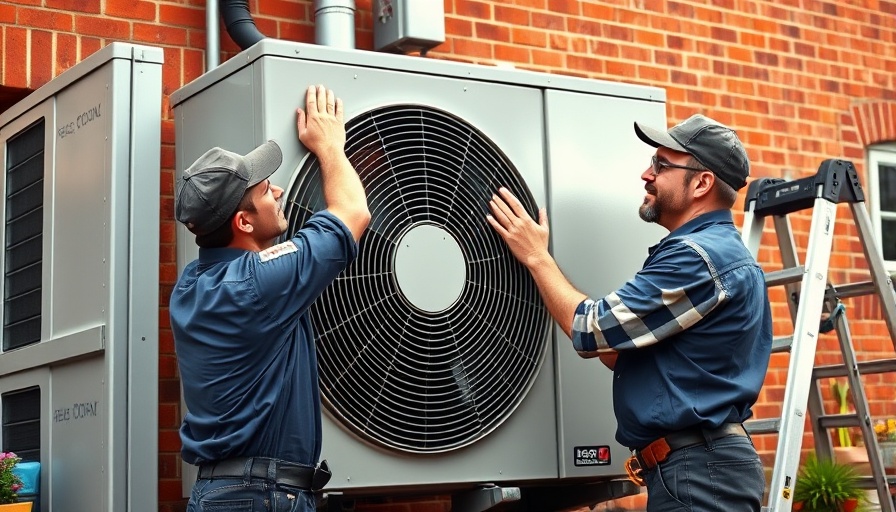
Workers installing HVAC unit in Commerce City home, outdoor setting.

Understanding HVAC Demands in Commerce City

Commerce City faces extreme weather changes throughout the year, which significantly affects HVAC demands. The system's ability to manage both the intense summer heat and frigid winter temperatures is crucial for comfort in both residential and commercial properties. HVAC systems must be efficient and functional to handle these seasonal shifts effectively, ensuring safe indoor environments regardless of the outdoor conditions.

Importance of Seasonal Maintenance

With the rapid transition from heating to cooling systems, regular maintenance is vital. Local contractors emphasize that preparing HVAC systems ahead of seasonal shifts can help avoid breakdowns during peak usage periods. Homeowners are encouraged to schedule inspections for their furnaces before winter and air conditioners before summer. This proactive approach mitigates the risk of costly repairs and enhances system longevity, especially in homes with aging equipment or poor insulation.

Enhancing Energy Efficiency

As energy prices rise and environmental concerns take center stage, residents are increasingly seeking to improve their HVAC systems’ efficiency. Older models can consume excessive energy if not well-maintained, leading to unnecessary expenses. Homeowners can benefit significantly from energy audits to assess their HVAC systems' performance. Simple fixes like duct sealing, improved insulation, and smart thermostat installations can lead to notable energy savings—turning inefficient systems into reliable sources of comfort.

Indoor Air Quality Considerations

A critical function of HVAC systems is improving indoor air quality. Given the growing concern over health and wellness, many homeowners are looking for ways to ensure clean air in their homes. Regularly replacing filters and having qualified technicians inspect and clean ducts can help maintain a healthy indoor environment, reducing allergens and creating a safer space for all inhabitants.

The Future of HVAC in Commerce City's Climate

Looking ahead, the challenges posed by climate change will likely drive further innovations in HVAC technology. As demand grows for smarter, energy-efficient solutions, Commerce City residents can look forward to a range of options that will not only keep their homes comfortable but also align with a more sustainable lifestyle. Understanding these trends and preparing for them can enhance both comfort and energy savings for years to come.

Maintenance / Repairs

0 Comments

Write A Comment

*
*
Related Posts All Posts
03.12.2026

Top Actions to Take Immediately After Buying Your New Home

Update Unlocking Your New Home: The First Steps After Purchase Congratulations on your new home! Purchasing property is not just a milestone; it’s an adventurous journey that transforms as you settle in. While the excitement of owning a home is palpable, your first actions in the process are crucial to ensuring that this new abode can feel truly like home. Change the Locks for Peace of Mind One of the first things you should prioritize is changing the locks. While it may seem like a minor detail, this step drastically enhances your security by ensuring that only you and trusted individuals have access to your new space. Whether you choose to hire a locksmith for a more professional touch or embark on a DIY project with a new smart lock, this action provides peace of mind. With advancements in smart lock technology, it's easier than ever to enhance your security while enjoying convenient access control. Communicate: Updating Your Address and Utilities Next up, it’s time to inform the world about your new address. Updating your information with banks, insurance companies, and other important institutions is crucial to avoid any interruptions in service. Additionally, be sure to contact utility companies to set up or transfer your electricity, gas, water, and Internet: planning ahead can prevent service gaps in your daily life. Deep Cleaning: Creating a Fresh Start Before the clutter of moving boxes takes over your life, take a moment to deep-clean your new home. This is the perfect opportunity to scrub carpets, tackle hard-to-reach spots, and get rid of residue left behind by previous owners. Entering a clean, fresh environment not only prepares your home for your belongings but also sets the tone for your family’s lifestyle. Time for Home Improvements: Personalizing Your Space If you have plans to make immediate renovations—like painting or installing new flooring—now's your chance! Tackling these tasks before all your furniture is in place can make the process much smoother. This way, you create a comfortable and personalized living space that reflects your tastes before you settle in fully. Meet the Neighbors: Building Community from Day One Don't underestimate the value of community ties. Making an effort to introduce yourself to neighbors fosters a sense of belonging and opens doors to potential friendships. Engaging with your community early on can lead to meaningful connections and valuable insights about local happenings, amenities, and resources. Emergency Planning: Preparing for the Unexpected In the hustle of settling in, don’t forget to devise an emergency plan for your household. Establish escape routes from each room, pinpoint key emergency supplies like first-aid kits, and ensure everyone in your home knows the process. It’s a proactive step that might just save lives—far too important to overlook. Understanding Your Home's Systems: A Quick Guide Familiarize yourself with essential systems within your home. Locate the breaker box, and know how to operate shutdowns for water and gas to address emergencies quickly. Keeping manuals organized helps streamline maintenance tasks, ensuring you won’t be scrambling when issues arise. Plan for Maintenance: Safeguarding Your Investment Establish a routine maintenance schedule to stay ahead of potential problems. Simple activities like cleaning gutters, changing air filters, and checking smoke detectors can prolong the life of your home systems and curtail significant repair costs down the line. A little maintenance goes a long way in keeping your investment safe. Engaging with Smart Home Technology: Enhance Your Lifestyle As you embrace your new living environment, consider integrating smart home technology. From automated lighting systems to smart thermostats and security cameras, these advancements not only enhance convenience but also contribute positively to your lifestyle. Assess your needs to determine which technologies can best serve your daily living and future security. Final Thoughts: Embrace the Adventure Your journey from buyer to homeowner is just beginning. The first steps you take can impact your overall experience in your new space, making it vital to start strong. By following these tips, you're setting the stage for a smooth transition filled with joy, personal touch, and sense of community. So relax, breathe deeply, and enjoy every moment in your new home.

03.11.2026

Long-Term Home Protection: Small Structural Improvements Matter

Update Understanding the Importance of Structural Integrity As homeowners, most of us often focus on aesthetics—how fresh paint or stylish decor can transform our living spaces. However, the underlying structure is what truly holds a home together. Small structural issues, like minor cracks or worn seals, can often go unnoticed. Yet, these are the weak links that pave the way for bigger problems in the future. Reinforcing Large Exterior Entry Points Take a moment to consider your garage door. It's one of the most significant exterior features of your home and experiences more wear and tear than you might think. Regular maintenance, such as ensuring the spring systems are balanced and that proper weather-sealing technology is in place, can improve the longevity of this crucial entry point. For further protection, consider upgrading to insulated garage doors, which not only secure your home but also help in regulating indoor temperatures, especially if your garage connects directly to the living area. Improving Drainage to Protect Your Foundation Water damage remains one of the leading causes of structural issues in a home. It starts subtly—perhaps a clogged gutter spills over and seeps into your foundation. Regular gutter maintenance, including the addition of gutter guards to prevent blockages, is advisable. Moreover, ensuring that your downspouts direct water away from your foundation and checking the ground’s slope can give your home that crucial layer of protection. The Vital Role of Roof Edges and Flashing Many homeowners overlook roof edges and flashing while focusing solely on shingles. However, properly maintaining these areas is vital to shield the underlying supports from rain and extreme weather. Routine inspections can help identify minor cracks in the flashing or wear on the roof edges, which can lead to extensive water damage if ignored. Sealing Windows and Exterior Doors Drafty windows and doors often lead to higher energy bills and moisture issues. Gaps that allow air and dampness into your home may seem trivial, yet they can contribute to mold growth and structural damage over time. By regularly inspecting caulking and replacing worn seals, homeowners can significantly increase their home’s comfort and energy efficiency. Monitoring and Repairing Minor Foundation Cracks Concrete may be robust, but it's not impervious. Many homeowners will notice hairline cracks in their foundations and dismiss them as minor. These cracks can sometimes indicate more significant issues arising from your home's settling. Conducting regular checks and addressing these cracks promptly can save you from larger foundation problems in the future. Why Small Improvements Matter Engaging in small, manageable home improvements can seem tedious, but they can save you thousands down the line. Prioritizing these structural details not only maintains the integrity of your home but also enhances its resale value. Most potential buyers will shy away from homes with underlying issues, so taking the time to reinforce these areas can pay off in dividends. Decisions You Can Make with This Information Arming yourself with structural integrity knowledge empowers you as a homeowner. You don’t need a contractor for all repairs; many tasks can be DIY projects. Whether you decide to enhance your garage door or improve drainage systems, every small action counts. Regular maintenance can help avoid costly future repairs while enhancing your home’s aesthetic appeal. A Call to Action for Homeowners It's never too late to start attending to the structural components of your home. Consider this your invitation to assess areas that may need a bit of care. Not only will you be investing in your comfort and peace of mind, but you’re also safeguarding the long-term value of your greatest asset—your home.

03.08.2026

Your State's Gas Costs Uncovered: What You Need to Know

Update Understanding Your Monthly Gas Expenses In today’s economy, keeping tabs on monthly bills is more important than ever, particularly when it comes to energy costs that can fluctuate significantly across different states. Natural gas, a common energy source for heating and cooking in homes, is one area where monthly expenses can vary widely. Did you know that certain states pay much more than others for their monthly gas bill? Let's dive into the figures and other factors that influence your gas costs. Average Cost of Natural Gas by State Thanks to data compiled from the U.S. Energy Information Administration (EIA), we can see how various states stack up regarding the average price of natural gas. For instance, in December 2025, Hawaii topped the list with a staggering rate of $51.74 for one thousand cubic feet. In contrast, Idaho had the lowest rate at just $6.80, illustrating the dramatic disparities across the nation. This sharp contrast highlights why understanding where your state falls can help you budget for gas costs more effectively. Monthly Gas Bills: A Deeper Look Knowing the unit price of gas is just the beginning; the total monthly gas bill encompasses multiple factors, including seasonal changes, home size, and the number of gas appliances you have. For example, colder states tend to see significantly higher gas bills during winter due to increased heating demands. A study from Moneygeek showed that households in Louisiana pay an average winter gas bill of about $57,while those in Rhode Island might face bills of up to $189. It pays to be proactive in assessing where your expenses lie. What Drives the Variability in Gas Costs? Various elements come into play when determining your gas bill, including: Climate: Colder climates require additional heating, driving up monthly usage and costs. Home Size: Larger homes generally consume more energy, leading to higher bills. Heating System Efficiency: An older or less efficient heating system can substantially increase expenses. Local Prices: The price of gas is influenced by regional supply and demand dynamics. Understanding these factors may empower homeowners to take control of their gas expenses. Strategies to Lower Your Gas Bill While many factors influencing your gas bill may seem outside your control, there are numerous strategies you can implement to mitigate costs: Increase Insulation: Proper insulation ensures that your home retains heat, reducing the need for constant heating. Seal Air Leaks: Simple fixes, such as sealing windows and doors, can prevent heat loss. Adjust Your Thermostat: Even minor adjustments to your thermostat settings can lead to savings. Upgrade Your Heating System: Investing in a high-efficiency furnace can yield long-term savings on monthly bills. By employing these strategies, homeowners can work towards reducing their gas bills, making it easier to manage monthly expenses. Future Trends and Innovations in Natural Gas Heating Looking ahead, the landscape of natural gas consumption is expected to change. Innovations in heating technology, such as smart thermostats and improved insulation materials, offer solutions to homeowners looking to reduce their natural gas consumption further. Additionally, the push toward sustainability may lead to increased adoption of alternative energy sources that could ultimately affect the price and necessity of natural gas in our homes. Keeping an eye on industry trends can equip homeowners with the knowledge they need to make informed choices in the future. Conclusion Your monthly gas bill doesn’t have to be a mystery. By understanding the average costs, factors influencing your bills, and practical steps to manage these expenses, you can make informed decisions about your energy usage. Armed with this knowledge, homeowners can not only optimize their budgets but also reduce their carbon footprints through improved energy efficiency.

Terms of Service

Privacy Policy

Core Modal Title

Sorry, no results found

You Might Find These Articles Interesting

T
Please Check Your Email
We Will Be Following Up Shortly
*
*
*