UPDATE
  • Home
  • Categories
    • Cleaning & Moving
    • Maintenance / Repairs
    • Remodeling & Construction
    • Landscaping / Outdoor
    • Security & Technology
    • Sustainability, Health & Safety
    • Interiors / Décor
    • Expert Interviews
    • DIY Home Projects
Home Wise News!
Wise Insights, Reliable Contractor Advice & Hands on DIY Know How for Savvy Homeowners
June 02.2025
2 Minutes Read

AI Interior Design: Can Smart Apps Truly Replace Human Designers?

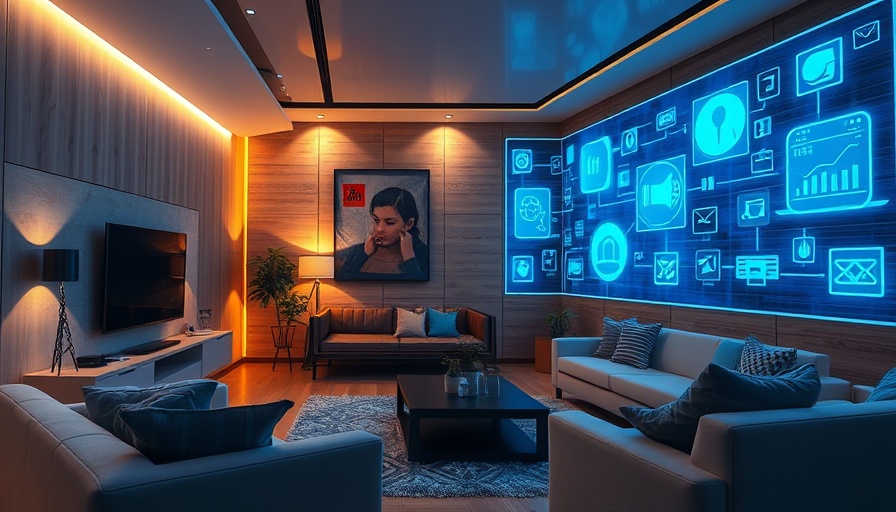
Modern AI interior design living room with smart technology.

Exploring the New Era: Can AI Replace Human Interior Designers?

As the world embraces technology, AI-powered home decoration apps are changing how we design our living spaces. Historically, interior design was a deeply personal process that required creative intuition, emotional intelligence, and an understanding of individual needs. However, tools like Modsy and IKEA Kreativ are now enabling users to design their homes via their smartphones. This shift raises an essential question:

Can AI truly replace human designers in interior spaces?

The Transformation of Interior Design

AI interior design apps have evolved significantly, offering features that utilize cutting-edge technology. These applications can analyze space, recognize user preferences, and simulate different room setups using augmented reality. In turn, this provides users with an interactive experience, allowing them to visualize potential designs in real time.

What AI Can Do: Benefits for Users

AI design tools possess several advantages that cater to an ever-growing audience:

  • Fast Visualizations: AI can instantly generate layout ideas and rearrangements, allowing for quick decision-making.
  • Cost-Effective Solutions: Unlike professional designers, AI can deliver suggestions for free or at a significantly lower price.
  • Personalized Recommendations: With algorithms that track preferences, AI tools can deliver tailored design options based on personal styles.
  • Space Optimization: AI can analyze room dimensions to maximize space usage effectively, presenting ergonomic furniture arrangements.

Human Touch: What AI Can't Replace

Despite the efficiency of AI, human designers offer invaluable services that technology cannot replicate:

  • Emotional Understanding: Human designers comprehend the emotional significance of spaces, integrating personal histories and cultural aesthetics that reflect individual personalities.
  • Complex Problem Solving: Some design challenges require a creative touch or nuanced understanding that AI currently lacks.

A Future of Collaboration

As advancements in AI technology progress, it is likely that we will see a new collaborative dynamic in interior design. Rather than completely replacing human designers, AI may serve as a complementary tool, enhancing their capabilities. This combination could lead to more creative solutions that maximize both human and technological strengths.

In summary, while AI-powered apps are transforming the interior design landscape, they have a long way to go before fully replacing human experts. Utilizing the benefits of both AI and human creativity could lead to innovative and personalized living spaces.

Interiors / Décor

0 Comments

Write A Comment

*
*
Please complete the captcha to submit your comment.
Related Posts All Posts
05.17.2026

Unlocking the Secrets of Paint Selection: Tips from Top Designers

Update Unlocking the Secrets of Paint Selection: Tips from Top Designers Choosing the right paint color can feel overwhelming, but it doesn’t have to be. Interior designers have invaluable tips that can transform this daunting task into a fun and creative venture. Here, we unravel the secrets behind expert paint selections that can breathe new life into any space. Understanding the Power of Natural Light One of the most important factors when selecting a paint color is the light in the room. Natural light dramatically impacts how colors are perceived on walls. According to designer Sarah Magness, the play of light can alter a color's intensity, so understanding how light interacts with your chosen hue is crucial. "Paint doesn’t exist in isolation; it’s constantly interacting with light," she explains. With this knowledge, you can make choices that enhance the beauty of a room based on its lighting conditions. Swatches: Your Best Friend in Color Selection Never underestimate the importance of testing paint swatches. Experts like interior designer Mary Patton advocate for painting large swatches on walls and assessing them at different times of day. The perception of color can shift based on the time and quality of light, and seeing how each hue interacts in your space is essential before making a final decision. A color that appears perfect in the store might transform unexpectedly under your home’s lighting. Color Undertones: The Hidden Nuances Understanding the undertones of your chosen paint color can make or break the vibe of a room. As shared by designer Donna Hoffman, every paint color has its secondary hues that may not be immediately apparent on a swatch. This hidden nuance can lead a seemingly perfect beige to read somewhat peachy, for example, once on the wall. Always consider the undertones and how they will interact with your existing furnishings and decor. The Influence of Room Orientation The orientation of a room can also affect the paint color selection. North-facing rooms tend to have cooler light that can make colors appear flatter, while south-facing rooms enjoy warm brightness that brings depth to hues. Designers recommend considering how each space within your home is illuminated throughout the day to select colors that will consistently look great no matter the time. Room-Specific Tips Different rooms have different needs when it comes to color. For example, powder rooms can be more daring with vibrant colors, as they don’t need to compete with natural light as much. Meanwhile, living areas and kitchens might benefit more from subtle hues that promote comfort and calm. Understanding these specific needs will guide you in crafting an environment that's both functional and aesthetically pleasing. Practical Steps for Selecting Paint Colors After narrowing down your options and testing swatches, the next step is implementation. Here’s a simple approach: Identify Key Colors: Choose 2-3 colors that speak to you. Test Various Swatches: Paint test swatches on different walls to see how they react with light. Live with It: Observe how the colors change at different times of day. This straightforward approach can lead you toward a well-informed and satisfying selection. Conclusion: Embrace the Creative Process Paint selection is not just about picking a color; it’s about creating a space that reflects your personality and enhances your home. By leveraging these insights from top designers, you can make educated choices while still playing within the creative landscape of color. Once you've decided on your colors, take action and enjoy the transformative power of paint in your home. Dive into your DIY project confidently and relish the results!

05.16.2026

Cozy Breakfast Nook Ideas: Transform Small Spaces Into Inviting Retreats

Update Start Your Day Right: The Value of a Breakfast Nook In today's fast-paced world, the importance of calm, rejuvenating spaces in our homes cannot be overstated. A cozy breakfast nook can provide exactly that—a sanctuary for starting your day on a positive note. By carving out a small, dedicated space for enjoying your morning coffee or sharing breakfast with loved ones, you enhance not only your kitchen’s functionality but also its overall ambiance. This guide will break down practical ways to create an inviting breakfast nook no matter how small your kitchen may be. Maximizing Small Spaces: Smart Design Strategies Transforming those challenging corners of your kitchen into a delightful breakfast nook is easier than you might think. One of the best ways to optimize space in smaller kitchens is through strategic seating options. Built-in benches or banquettes positioned against the wall can effectively create a sense of intimacy while offering ample seating. As highlighted in Better Housekeeper, utilizing a built-in design not only saves floor space but also provides additional storage, which can keep your breakfast area looking tidy. Meanwhile, Reference Article 1 emphasizes that customizing the nook enhances its charm, whether it’s choosing colorful cushions or using stain-resistant fabrics that add personality while being practical. Utilizing Ambient Lighting for a Cozy Atmosphere Lighting plays a crucial role in how we perceive spaces in our homes. In a small kitchen nook, using ambient lighting can create a relaxing environment. For instance, hanging a pendant light over the table not only improves the focus on the dining area but can also delineate the nook from the rest of the kitchen. As mentioned in both referenced articles, wall sconces and adjustable lights can span various styles—allowing homeowners to find a suitable aesthetic that matches their kitchen decor while enhancing the cozy vibe. The Essence of a Functional Breakfast Station Consider integrating a coffee station within your breakfast nook. This thoughtful touch can further solidify the nook as your morning retreat. Having a dedicated spot for coffee mugs, beans, and creamer not only enhances convenience but invites the routine to feel manageable and enjoyable. Choose materials for your coffee station that enhance the overall style—opt for minimalist designs that complement the aesthetics of your nook. Common Mistakes to Avoid When Designing Your Breakfast Nook There are several pitfalls to watch out for when creating your breakfast nook. Reference Article 2 highlights the importance of choosing seating that is both practical and comfortable. Avoid oversized chairs that can make the area feel cramped, and ensure there's enough clearance to move around comfortably. An inviting breakfast nook should facilitate daily use, serving as a handy space for meals, homework, or casual gatherings. Another tip is to go for tables and chairs that fit your overall kitchen style while also providing durability for high-traffic areas. Round or pedestal tables are often ideal since they can improve traffic flow and make the nook feel more spacious. Bringing It All Together: Final Thought on Your Breakfast Nook Creating a cozy breakfast nook is about more than just aesthetics—it's about crafting a dedicated space that enhances your daily routine. By incorporating functional design elements like built-in seating and tailored lighting, you're not just filling up space; you're inviting warmth and connection into your home. Your breakfast nook should feel like a second living room, where moments of laughter, conversation, and good food will etch lasting memories for you and your family. With thoughtful execution, even the tiniest of corners can transform into a delightful morning sanctuary. So gather inspiration, engage your creativity, and get ready to make your breakfast nook the envy of the neighborhood.

05.15.2026

Avoid These Entryway Mistakes for a Welcoming Home

Update Your Entryway: The First Impression Matters When guests walk through your door, they're not just entering a house; they're stepping into the heart of your home, and your entryway plays a pivotal role in that first impression. An intentional design can set a welcoming tone that resonates throughout the rest of your living space. However, several missteps can turn what should be a warm welcome into chaos and clutter. Four Key Things to Avoid Keeping in Your Entryway As designers frequently advise, skipping out on a few essential elements in your entryway can not only make it feel uninviting but can also detract from the aesthetic of your entire home. Here are four critical things you absolutely should not keep in your entryway: 1. A Disorganized Space Nothing says 'welcome' quite like a cluttered entryway. Designers like Lindsay Speace highlight the importance of organization in minimizing that chaotic feeling. Excess items, shoes, and clutter can overwhelm your space. Instead, consider using stylish storage solutions—think decorative baskets for shoes and a chic console table for mail. Options like a shoe storage bench can effectively conceal mess and add style. 2. Oversized Furniture The entryway is often compact, and overcrowded spaces can feel cramped and uninviting. Lee Crowder cautions against hefty furniture pieces that can overwhelm the area. Light, functional, and proportionate furniture not only enhances flow but maintains an open atmosphere. A slim console table or a multipurpose bench that offers storage can significantly enhance the functionality while keeping the entryway fluid. 3. Poor or Harsh Lighting Lighting can make or break an entryway. A bright, welcoming space is essential, especially when natural light is scarce. Refrain from opting for a small or dim fixture that fails to illuminate the area. Using layers of lighting, such as combining sconces, table lamps, and striking chandeliers, can breathe new life into your entryway. 4. A Lack of Scent The olfactory experience is often overlooked, but it is crucial to making your entryway feel inviting. Neglecting scent—or using overpowering fragrances—can lead to an unwelcoming atmosphere. Subtle touches like a discreet essential oil diffuser can create a warm and appealing aroma that welcomes both you and your guests. Design Tips to Enhance Your Entryway Let’s face it, your entryway deserves as much love as any other room in your home. Here are some tips for creating a space that is both functional and stylish. Use Mirrors for Illusion Mirrors can create an illusion of space and reflect light, brightening the entryway. A well-placed mirror provides a practical spot for a last-minute reflection check before heading out and adds a touch of elegance. Rugs Matter A well-chosen rug can add warmth and personality to an entryway. Beyond aesthetics, rugs help manage dirt and dust, making it easier to keep your home tidy. Choose a rug that speaks to your design style while also providing a practical benefit. Edit Your Decorative Pieces Art and decor can enhance your entryway, but too much can create a cluttered feeling. Focus on a few thoughtfully chosen pieces that reflect your personality for a curated look that welcomes visitors without overwhelming them. Conclusion: Cultivating a Lasting First Impression Your entryway’s design goes beyond mere aesthetics; it speaks volumes about you and your home. By avoiding common mistakes like clutter and poor lighting, and instead focusing on functional yet stylish elements, you can create a warm welcome that leaves a lasting first impression. So, take a step back, examine your entryway, and start implementing these essential tips for a refined space that truly reflects your personal style. Remember, a few thoughtful changes can transform your entryway into an inviting and stylish reflection of your home. Don’t hesitate to explore your creative side—designing your entryway is not just about function, but it’s also about expressing who you are.

Terms of Service

Privacy Policy

Core Modal Title

Sorry, no results found

You Might Find These Articles Interesting

T
Please Check Your Email
We Will Be Following Up Shortly
*
*
*