Add Row
Add Element
UPDATE
Add Element
  • Home
  • Categories
    • Cleaning & Moving
    • Maintenance / Repairs
    • Remodeling & Construction
    • Landscaping / Outdoor
    • Security & Technology
    • Sustainability, Health & Safety
    • Interiors / Décor
    • Expert Interviews
    • DIY Home Projects
Home Wise News!
Wise Insights, Reliable Contractor Advice & Hands on DIY Know How for Savvy Homeowners
August 09.2025
3 Minutes Read

Avoid These 8 Common Items in the Washing Machine for a Hassle-Free Laundry Day

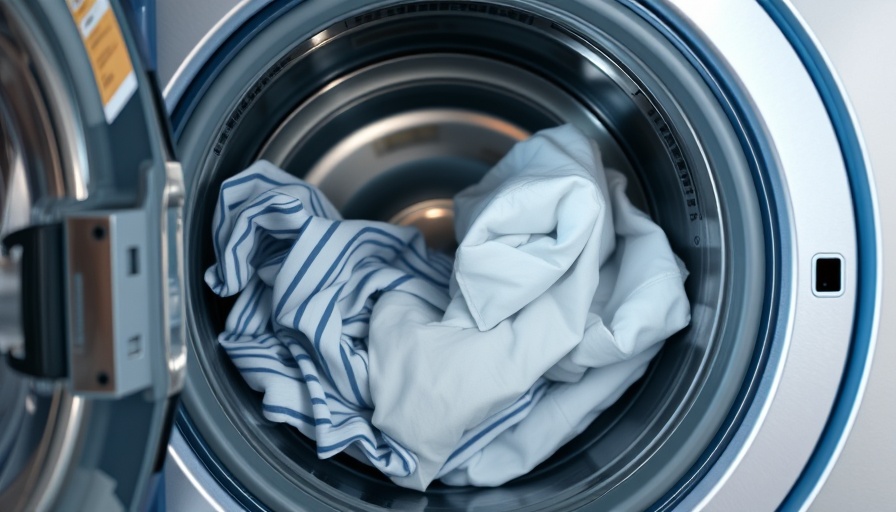
Inside view of a washing machine with striped shirts and white linens.

Understanding the Risks: What Not to Toss in Your Washing Machine

When it comes to laundry day, a common misconception is that the washing machine can handle just about anything. However, there are specific items that can wreak havoc inside that seemingly innocuous appliance. Whether it's ruining a favorite piece of clothing or causing catastrophic damage to your washing machine, understanding what to keep out can save you time, money, and a lot of frustration.

1. Delicate Fabrics: Protecting Your Investment

One significant category of items to avoid putting in the washing machine includes delicate fabrics such as silk, lace, or wool. These materials can easily get tangled or shrink, ruining their shape and fit. Instead, consider hand washing or using a gentle cycle with a laundry bag specifically designed for delicates. This ensures your favorite pieces last longer and maintain their quality.

2. Items with Heavy Hardware: A Mechanical Nightmare

Think zippers, buttons, and rivets. When washed with clothes, items with heavy hardware can lead to scratches or tears in the drum or on the other garments. They can also get stuck within the machine’s parts, potentially leading to costly mechanical issues. Instead, it's best to wash these items by hand or simply on a gentle cycle separately to avoid damage.

3. Non-Washable Shoes: Saving Your Sole

Your shoes are designed to withstand various surfaces, but that doesn’t mean they survive a spin cycle. Many types of shoes, particularly those with glued parts or leather elements, can degrade or warp if tossed in the wash. If they are particularly dirty, consider spot cleaning or using a damp cloth instead.

4. Stuffed Animals and Pillows: Safety First!

Stuffed animals may seem innocuous, but many come with parts that can break off or may contain batteries that should never touch water! Washable options exist, but always read the labels first. For pillows, check for the washing instructions to avoid clumping or losing shape.

5. Workout Gear: Beyond the Refresh

A popular notion is that you can just toss your workout gear in the wash like any other clothing. However, many stretchy garments made from spandex or similar materials can lose their elasticity if washed improperly. Always check the care label and consider hand washing or using a delicate cycle designed to maintain fabric integrity.

6. Jewelry and Accessories: A Sparkling Disaster

Your favorite necklace or bracelet may not fare well in a washing machine. Jewelry can get caught, and potentially damage both the items and your machine. For safe cleaning, use a soft cloth and a proper cleaning solution instead of risking the spin cycle disaster.

7. Pets' Bed Linings: Potential Pet Problems

As much as we want to keep our furry friends' items clean, pet beds and their linings can be a challenge. Many contain materials that are either not washable or may become misshaped in the wash. Spot cleaning with pet-safe solutions might be a better approach to maintain hygiene.

8. Items with Fluids: Cleanliness is Key!

Never attempt to wash items that contain any form of fluid—whether oil, grease, or chemical substances. They can interact negatively with the washing process, contaminate the machine, and harm your clothing. If they’re heavily soiled, try pre-treating them instead before a gentle wash.

Why Knowing What Not to Wash Matters

Understanding which items to avoid in your washing machine isn't just about saving your belongings—it's about enhancing the longevity and efficiency of your laundry machine. It may sound complicated, but with a bit of awareness and care, you can ensure your laundry experience is smooth and hassle-free.

Cleaning & Moving

Write A Comment

*
*
Related Posts All Posts
12.06.2025

Is Vinegar Safe for Cleaning Your Countertops? The Surprising Truth!

Update Unveiling the Truth About Vinegar as a Countertop Cleaner When it comes to cleaning various surfaces in our homes, vinegar is often hailed as a miracle worker. Its eco-friendly attributes, combined with its ability to effectively cut through grease and grime, make it a go-to for many households. However, when it comes to cleaning countertops specifically, the answer isn’t as straightforward as it seems. So, can you really use vinegar to clean your countertops? Buckle up as we dive into the facts! Understanding Vinegar's Cleaning Potential Vinegar, primarily composed of acetic acid, has natural antiseptic properties that make it effective in killing various bacteria. While it’s great for cleaning glass and removing hard water stains from faucets, caution is essential when applying it to certain surfaces. White distilled vinegar is commonly recommended due to its lack of color, meaning it won’t stain surfaces. Its acidity—about 5%—is similar to that found in many commercial cleaners, allowing it to dissolve dirt and grime effectively. However, those with natural stone countertops, particularly granite and marble, should think twice. What to Avoid: Countertops and Natural Stone Vinegar has its limitations, especially regarding natural stone surfaces. According to a piece from Consumer Reports, the acid in vinegar can etch and dull the finish of stone countertops, leading to irreversible damage. Instead, it's suggested to use mild dish soap or a cleaner specifically designed for stone. Additionally, while vinegar can tackle some stubborn odors and disinfect surfaces, it may not perform equally well across all materials. For instance, it’s suitable for cleaning glass surfaces or even deodorizing your microwave, but relying solely on it for your countertops might not yield the best results. Alternatives to Vinegar for Countertop Cleaning For those who need a multi-surface cleaner that is both effective and safe for all types of countertops, consider products designed explicitly for that purpose. Soft scrubbers and biodegradable cleaning solutions will ensure a deep clean without risking damage. Moreover, consider eco-friendly options that utilize plant-based cleaning agents. They often bear the cleaning power of vinegar but are formulated specifically to avoid damaging sensitive surfaces. Insider Tips and Tricks for Effective Cleaning For Glass Countertops: A vinegar-water solution (1:2 ratio) can work wonders for cleaning glass countertops, leaving them streak-free. All-Natural Cleaning Options: Mixing vinegar with baking soda creates an effervescent scrub that can tackle tough grime while remaining environmentally friendly. Essential Oils for Freshness: To mask the strong odor that can linger after vinegar sanitization, add a few drops of essential oils like lemon or lavender to your cleaning mixture. Conclusion: The Verdict on Vinegar While vinegar can indeed be a powerful cleaning agent in certain situations, its use on kitchen countertops—especially natural stone surfaces—should be approached with caution. Opt for vinegar for some tasks, such as glass cleaning or deodorizing appliances, but remember to choose alternatives for sensitive materials. The next time you reach for that bottle of vinegar, be sure you know what surface you’re cleaning! For more helpful cleaning tips and insights on maintaining your home without causing damage, consider exploring other articles in the Cleaning & Moving category. Remember, cleanliness is key to a healthy home, and knowing what to use is half the battle!

12.04.2025

Unlock the Secret to Efficient Dusting with a Paintbrush

Update Why You Should Rethink Your Dusting Tool In an era where cleaning methods are being revolutionized by new gadgets and eco-conscious approaches, the humble paintbrush might seem like a relic of the past. However, this artistic tool has found a new purpose in the homes of savvy homeowners looking to conquer dust. Dusting with a paintbrush is not only clever but also remarkably effective, especially for those hard-to-reach spots that traditional cleaning tools fail to address. How It Works: The Magic of a Paintbrush The soft, flexible bristles on a paintbrush are adept at getting into intricate textures and crevices. This technique allows users to dust high shelves, textured decorations, and even blinds without the fear of leaving any residue behind. A paintbrush's gentle touch means it won't damage delicate surfaces, which often becomes a concern with more abrasive cleaning tools. Where to Use a Paintbrush for Maximum Effect This unconventional dusting tool excels in specific areas of the home. For instance, the textured surfaces of faux flowers and intricate wicker furniture are notorious for trapping dust. By employing a paintbrush, you can swiftly remove the buildup without damaging these pieces. Additionally, homeowners are finding success in using paintbrushes for: Window tracks: The narrow shape perfectly fits those tight spaces. Radiators: Dust rarely escapes from the grates, but your paintbrush can help. Bookshelves: Dust your favorite novels without the hassle of rearranging them. Painting a Clear Picture: How to Get Started Using a paintbrush for cleaning is as simple as it sounds: just grab one that you no longer use for painting! For best results, you might consider whether to use it dry or slightly damp. Using a damp brush can assist in keeping dust from becoming airborne, making it an ideal choice for quick clean-ups before guests arrive. Just be sure to clean the brush regularly to maintain its effectiveness. Combining Techniques for Ultimate Cleanliness While a paintbrush is great for loosening dust, it should ideally be paired with a secondary tool like a microfiber cloth or vacuum. The cloth can capture the dust that the brush kicks up, ensuring that it doesn't settle elsewhere in your home. This dual-action method ensures a spotless finish, combining the precision of a brush with the thoroughness of absorbent cloths. Innovating Your Cleaning Routine: A Shift in Perspective As sustainable living becomes more popular, many are seeking ways to reduce waste and utilize tools they already own. Recycling a paintbrush not only limits waste but also promotes resourcefulness—perfect for the eco-conscious. Moreover, this clever cleaning hack can save you money on specialized dusting tools, allowing for a more budget-friendly cleaning regime. Learning from the Experts: What Cleaners Are Saying Professional cleaners have been evangelizing about the paintbrush method, likening it to various cleaning hacks that ups the ante in home maintenance strategies. For instance, well-known cleaning influencers on social media platforms have been demonstrating several innovative ways to care for everything from your lawn ornaments to your couch seams, often with surprising results. Following in their footsteps, adapting tips from cleaning experts can enhance your own cleaning game. Practical Cleaning Tips: Dos and Don'ts Before diving into your paintbrush cleaning escapades, here are a few practical tips to keep in mind: Do keep several brushes on hand for different areas (i.e., one for textured items, another for electronics). Don't forget to wash your brush regularly! Do consider alternating between damp and dry cleaning methods. Don't hesitate to combine tools for better results. Final Thoughts: Is a Paintbrush the Next Big Cleaning Innovation? The paintbrush might not be the first tool that springs to mind when considering a thorough cleaning, but it's proven its worth in various shades. As homeowners become more invested in sustainable living and resourcefulness, this clever tip is becoming increasingly popular. Why not challenge yourself to incorporate it into your routine? After all, making your cleaning strategy effective doesn't have to come at a high cost. Try out a paintbrush on your next dusting day and see the results for yourself!

12.04.2025

Mastering the Austin Rental Scene to Save Money on Your Apartment

Update Understanding Austin's Rental Market: Key Insights Austin has rapidly emerged as one of the top destinations for young professionals, students, and families, all drawn to its vibrant tech industry and rich cultural scene. However, with increasing demand for housing, understanding Austin’s rental market is essential for anyone seeking to secure a budget-friendly place to live. Rental prices typically peak between May and August, driven largely by the influx of graduates and new job seekers. During this period, competition is fierce, and rental prices can soar between 5% to 15% compared to winter months. Conversely, the best time for renters looking to save money is from November to February, coined the “renter’s season.” Fewer potential tenants during these months prompt landlords to offer enticing deals for vacancies. Taking advantage of this lull can yield substantial savings on rent, allowing select tenants to save hundreds or even thousands of dollars on their leases. Geographical Savings: Exploring Alternative Neighborhoods The area of Austin where you choose to live can significantly impact your rental costs. Central locations like downtown, South Congress (SoCo), and Zilker generally command premium prices, with one-bedroom apartments often exceeding $2,500 per month. In contrast, exploring neighborhoods just a few miles from the city center—such as North Loop, Crestview, and parts of East Austin—can provide savings of 20-30% on average. These neighborhoods not only remain accessible to downtown but also offer a pleasant community vibe, boasting various local amenities. Expanding Your Search: Beyond Trendy Areas After familiarizing yourself with market trends, it’s time to implement strategic approaches in your apartment search. It might be tempting to settle in popular areas, but living slightly farther from the city’s action could open doors to significant savings. For instance, areas like The Domain Northside or even Cedar Park and Round Rock host new developments that come equipped with modern features and amenities, often at much lower prices. While the trade-off may include longer commutes, evaluating transportation costs against rental savings is crucial. With the rise of remote and hybrid working arrangements, commuting issues can often be alleviated, making these options more attractive than they appear. The Role of Technology in Rental Searches The digital age provides countless platforms and applications designed to streamline your apartment-hunting process. Utilizing websites and mobile apps that compare rents, highlight amenities, and provide local insights can expedite your search. These tools often offer filters for price, size, and neighborhood type, enabling you to narrow down potential options quickly. Additionally, online reviews from current and previous tenants can provide invaluable insights into what you can truly expect from a particular place or landlord. Make technology your ally in maximizing your rental search efficiency. The Importance of Lease Negotiation Once you’ve identified your ideal apartment, mastering the art of lease negotiation can yield further savings. Many landlords may be open to negotiating terms if you present yourself as a desirable tenant—such as highlighting steady income, creditworthiness, or offering to sign a longer lease. Understanding the rental market can give you a stronger bargaining position when discussing rental prices or securing concessions like a month of free rent or waived amenities fees. Actionable Tips to Maximize Your Rental Search To successfully navigate Austin’s competitive rental market, consider implementing the following tips: Time Your Move: Plan your move during the off-peak seasons to take advantage of lower prices and better deals. Budgeting Wisely: Balance the cost of transportation against rent savings by evaluating how far you're willing to live from your workplace or social spots. Network for Deals: Engage with local social media groups or forums focused on Austin rentals to connect with others who may have insider knowledge on available apartments. Assess Maintenance Costs: Factor in potential maintenance costs when choosing an apartment, as older properties may require more upkeep. Conclusion: Take Charge of Your Apartment Hunt Austin's growing popularity means that navigating its rental market can be daunting, but with the right strategies, you can save substantially on housing costs. By understanding market dynamics, exploring affordable neighborhoods, leveraging technology, and mastering lease negotiations, you hold the power to secure a comfortable living space without draining your finances. Whether you’re a student, a young professional, or a family, it's crucial to approach this process with strategy and knowledge – thereby enabling you to enjoy all that Austin has to offer without the financial strain. With careful planning and these actionable tips, finding your next apartment can become an efficient and cost-effective endeavor.

Terms of Service

Privacy Policy

Core Modal Title

Sorry, no results found

You Might Find These Articles Interesting

T
Please Check Your Email
We Will Be Following Up Shortly
*
*
*