Add Row
Add Element
UPDATE
Add Element
  • Home
  • Categories
    • Cleaning & Moving
    • Maintenance / Repairs
    • Remodeling & Construction
    • Landscaping / Outdoor
    • Security & Technology
    • Sustainability, Health & Safety
    • Interiors / Décor
    • Expert Interviews
    • DIY Home Projects
Home Wise News!
Wise Insights, Reliable Contractor Advice & Hands on DIY Know How for Savvy Homeowners
May 10.2025
3 Minutes Read

Build Your Own Beautiful DIY Pea Gravel Patio for Outdoor Enjoyment

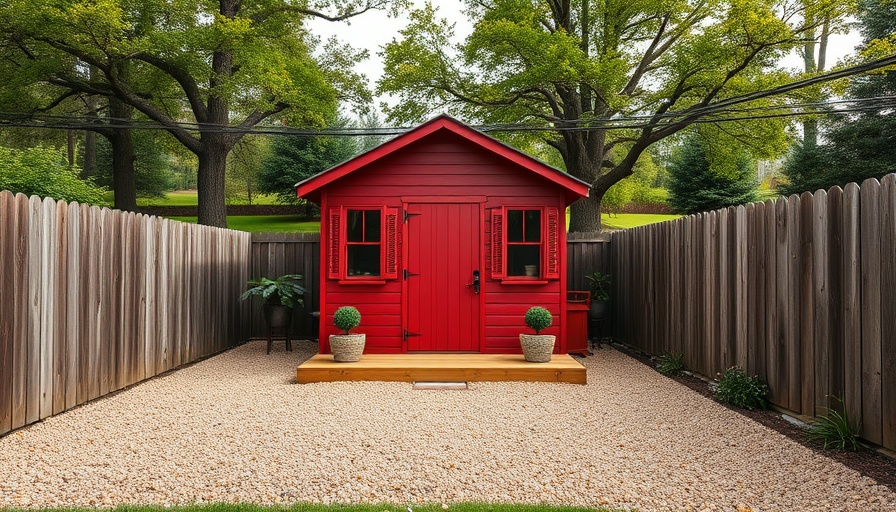
DIY pea gravel patio with shed and lush garden backdrop.

Transform Your Outdoor Space: The Beauty of a DIY Pea Gravel Patio

If you've been dreaming of creating a cozy outdoor retreat, look no further than a DIY pea gravel patio. Not only is it an aesthetically pleasing choice, but it's also an accessible and budget-friendly project. Imagine turning a dull corner of your yard into a vibrant space for relaxation or entertaining!

The Allure of Pea Gravel

Why choose pea gravel for your patio? This natural material offers a charming and earthy look, with varied colors and sizes that can complement any landscape. It's lightweight, making it easy to work with, especially for beginners venturing into DIY home projects. Unlike other hardscaping options like flagstone or concrete, pea gravel is not just affordable; it's also low-maintenance, allowing you to enjoy your space without constant upkeep.

Step-by-Step Guide to Creating Your Pea Gravel Patio

1. Plan Your Space: Start by determining the size and location of your patio. Assess the area adjacent to your home where grass struggles to grow. Mark the boundaries using stakes and nylon string to visualize the space.

2. Excavate: Remove the grass from the marked area. Dig down a few inches to create a base for your gravel, ensuring that the ground is level for a sturdy foundation.

3. Install Landscape Fabric: Lay down landscape fabric to prevent weeds from growing through your patio while allowing water to drain.

4. Edging and Pavers: Set landscape borders or pavers around the perimeter of your patio. The pavers add structure and keep the gravel in place while enhancing the visual appeal.

5. Add Pea Gravel: Finally, fill the space with pea gravel, spreading it evenly. Be sure to choose a depth that gives a nice, plush look without showing the ground beneath.

Practical Tips for Installation

Every DIY project comes with its hurdles, and installing a pea gravel patio is no different. Make sure you invest in a good tamper to compact the gravel solidly. This simple tool can save you from a bumpy experience later on. Additionally, consider edging materials that enhance the durability of your patio while tying together the overall look of your garden.

Common Misconceptions About Pea Gravel Patios

Many homeowners assume that gravel patio installations are messy and unattractive. However, with proper edging and careful maintenance, a pea gravel patio can be just as sophisticated as paved areas. Another myth is that pea gravel will scatter everywhere. While some spread is normal, careful installation can minimize this issue significantly.

Beyond Aesthetics: Enjoying Your New Space

Once your pea gravel patio is complete, it’s time to furnish your new outdoor haven. Add a few chairs, a cozy table, or even some potted plants. This space can serve as a retreat from daily stress or as a vibrant area for gatherings with friends and family.

Environmental Benefits of Choosing Pea Gravel

Choosing pea gravel as your patio material is not just a stylish choice; it's an environmentally friendly one too. Pea gravel provides excellent drainage, which can help reduce run-off and prevent erosion. This makes it an excellent option for homes in areas prone to heavy rain or harsh winters.

Embrace DIY: Your Handcrafted Outdoor Oasis Awaits

Building your own pea gravel patio is more than just a home improvement project; it’s an opportunity to express your creativity and craftsmanship. Plus, you’ll save on labor costs while adding value to your home and lifestyle. Take this chance to transform your space and create an outdoor area you’re proud of!

Ready to take the plunge? Start planning your DIY pea gravel patio today, and embrace the satisfaction that comes with creating something beautiful on your own!

Landscaping / Outdoor

Write A Comment

*
*
Related Posts All Posts
12.04.2025

Transform Your Outdoors: Renting Equipment for DIY Landscaping

Update Embrace Your Garden's Potential with Equipment Hire Transforming your garden into a beautiful escape requires not just vision, but the right tools. For homeowners, the dream of a lush landscape often feels out of reach due to the high costs of purchasing specialized equipment. Fortunately, equipment hire provides a practical solution, enabling DIY enthusiasts to access top-notch tools without breaking the bank. Access Professional-Grade Equipment Without the Cost Homeowners often find themselves struggling to acquire the right equipment for landscaping projects. Buying machinery like rotavators, mini excavators, and power tools can be financially daunting. Equipment hire opens the door to professional-grade machinery tailored for demanding landscaping tasks. This cost-effective strategy allows you to experiment with different tools and techniques, ensuring that the right choices are made without the risk of purchasing items that may never be used again. Save Time and Effort on Landscaping Tasks Landscaping involves numerous physically demanding tasks that can quickly drain your energy. Think about digging, leveling, and removing old turf—these are labor-intensive jobs that become manageable with the right machinery. Hiring mini excavators, stump grinders, and powered wheelbarrows can drastically reduce the physical strain of these tasks. For instance, a rotavator can prepare soil in a fraction of the time it would take manually, allowing you to concentrate on creative aspects instead of toiling in the dirt. Flexibility to Tackle Various Projects Every landscaping project is unique, and choosing the right tools for your specific needs is essential. Equipment hire allows adaptability, whether you're creating a small garden bed or renovating an expansive lawn. If you're installing a pond or building a retaining wall, precise digging with a mini excavator becomes a breeze. This project-specific flexibility means you only pay for what you need, avoiding unnecessary expenses. Let Go of Storage and Maintenance Worries Owning landscaping machinery can lead to a host of challenges—storage space, maintenance, and potential deterioration from lack of use. When you choose to hire equipment, these concerns vanish. Rental companies maintain their machines in prime condition; you receive well-maintained tools delivered right to your doorstep. This arrangement suits homeowners who may not have adequate storage space or who only undertake landscaping projects occasionally. A Cost-Effective Solution for Homeowners For many DIY projects, renting equipment is often significantly cheaper than purchasing. As noted, a mini excavator rental may cost a fraction of ownership, especially for a one-off project. Moreover, short-term rental options let you tailor your expenses according to what you need for each task. This financial strategy is especially useful for homeowners looking to enhance their outdoor spaces without the burden of long-term commitments. Popular Equipment Rental Choices for Your Next Project When embarking on your landscaping journey, consider these essential rental tools that can elevate your project: Lawn Mowers: Choose from walk-behind mowers for small yards to riding mowers for larger properties. Rototillers: Perfect for breaking up tough soil, rototillers save a considerable amount of manual labor. Stump Grinders: Effective in clearing out tree stumps, allowing your landscaping efforts to progress uninterrupted. According to a recent survey, 78% of professionals reported better results with rental equipment over consumer-grade tools. Access to modern, efficient equipment not only streamlines projects but enhances the overall quality. Making the Most of Equipment Rentals To maximize your rental experience, consider these practical insights: Schedule Wisely: Try renting equipment in mid-week for better availability and possible discounts. Maintain Properly: Clean equipment before returning to avoid extra charges. Batch Tasks: If working on multiple projects, consider renting specialized tools simultaneously to save time and money. Take Action and Transform Your Outdoors! Ready to bring your landscaping vision to life? Embrace the power of hiring equipment and unlock your outdoor potential. For more information on rental services, local stores, or to explore options for your projects, take that first step today! The path to your dream landscape doesn’t have to be expensive—equip yourself with the right tools and get started on your transformation!

11.26.2025

How to Make Your Outdoor Entertaining Space Inviting All Year

Update Transform Your Outdoor Space: The Key Elements of Inviting Entertaining Areas As summer wanes and the crispness of cooler weather approaches, many homeowners are left pondering how to create an outdoor entertaining space that feels inviting year-round. Whether you have a vast yard or a modest patio, transforming your outdoor area into a cozy gathering spot is achievable with thoughtful design choices. Here’s how to ensure that your outdoor entertaining space becomes an inviting haven for friends and family. Creating a Cohesive Foundation The foundation of your outdoor space plays a vital role in its overall ambiance. An often-overlooked aspect is the material underfoot. Surfaces such as GatherCo limestone paving can offer a warm and inviting base that enhances the visual appeal of your space. An appropriate choice of flooring not only feels good underfoot but also complements outdoor furniture and decor, helping create a seamless and welcoming atmosphere. The right surfaces can bring together the aesthetic of your outdoor entertaining space, as mismatched materials can create a disjointed and uninviting feel. Think of your flooring as the backdrop that can enhance the beauty of your outdoor decor and furniture. Establishing a Visual Focal Point Indoor rooms typically have a natural anchor that brings the space together, be it a fireplace or a prominent piece of furniture. Outdoor spaces, however, sometimes lack this essential visual anchor. To make your space feel more inviting, consider incorporating a defined focal point. Popular choices include: A stylish fire pit for warmth and ambiance A beautifully adorned dining table Statement planters or unique outdoor art pieces A designated focal point draws the eye and encourages guests to gather, making your outdoor area feel more homely and engaging. Rethinking Furniture Layout The arrangement of furniture is crucial for creating a welcoming atmosphere. Many outdoor seating areas are set up with chairs facing outward towards walls or fences, leading to an awkward social environment. Instead, aim for layouts that promote conversation: Positioning chairs in a semi-circle fosters inclusivity. Setting up a low table allows for casual lounging. Incorporating an outdoor rug can define a cozy conversation area. These adjustments will make your space feel like a true gathering point rather than a mere collection of furniture. Layering Lighting for Ambiance Lighting plays a pivotal role in how inviting an outdoor area feels. Bright, glaring lights can cause discomfort, while dim lighting might leave your guests feeling unsure. To create an atmosphere that is cozy yet functional, consider layering your lighting: String lights create a twinkling backdrop. Lanterns or solar-powered candles add warmth. Utilize a wall light for practicality while maintaining aesthetic appeal. Balanced lighting can illuminate your area and add to the overall charm without being obtrusive. Defining Spaces with Purpose Large outdoor areas can often feel empty and intimidating if not subdivided into zones with defined purposes. Crafting clear sections—such as a lounging nook, dining area, and cooking zone—can help fill the space visually and functionally. This creates a dynamic environment where guests feel comfortable moving about and lingering in different areas. The Importance of Softness and Warmth Without soft textures, outdoor spaces can often seem stark. Incorporating elements like cushions, throws, and softer seating options can greatly enhance warmth and comfort, encouraging guests to sit back and relax. Potted plants also add a touch of life and warmth, bridging the gap between the natural world and your designed space. Embracing Seasonal Fun with Adaptable Design As the weather cools down, embracing outdoor entertaining becomes a challenge. Homeowners should consider practical adaptations like fire pits and outdoor heaters, which allow for enjoying the outdoors year-round. Technologies like Bromic heaters can provide effective warmth, enhancing comfort during cooler months without detracting from visual aesthetics. Investing in Sustainability for Lasting Enjoyment As outdoor areas become extensions of our living spaces, incorporating eco-friendly practices becomes paramount. This includes using sustainable materials for furniture, promoting greenery that requires less water, and utilizing energy-efficient lighting. Not only does this approach help maintain environmental balance, but it also contributes to the overall appeal of your outdoor area. Conclusion: Create an Inviting Atmosphere That Lasts Transforming an outdoor entertaining space into a warm and inviting environment is achievable through thoughtful design choices and practical adaptations. With an emphasis on cohesive materials, intentional layouts, layered lighting, and seasonal adaptations, your outdoor space can become a cherished venue for gatherings throughout the year. As you plan for outdoor entertaining, consider the insights offered here. You have the power to create a welcoming atmosphere, ready to serve as the backdrop for cherished memories. If you’re thinking of making these changes, why not take action today and elevate your outdoor experience? Embark on a journey of transformation for this beloved space.

11.26.2025

Creating Design Harmony: The Crucial Need for Landscapers and Architects to Collaborate

Update Design Harmony: Bridging the Gap Between Architecture and Landscaping Creating captivating outdoor spaces is not just about what you plant or build; it’s about how these elements interact. When architects and landscape designers collaborate, they can transform a simple garden or commercial property from a functional area into a stunning outdoor experience. This synergy between two disciplines allows for the design of spaces that don’t just function well but also resonate emotionally with their users. Shared Visions: Planning Together from the Start A litmus test for successful landscaping projects comes from the clarity of vision shared by architects and landscapers. By considering the interplay of structures with the environment—sunlight, terrain, movement—design experts can craft spaces that flow beautifully. Architects bring insight into spatial proportions and material durability, while landscape professionals enrich this knowledge with an understanding of nature’s ecosystems. The combination leads to seamless transitions where pathways align with entrances and views are framed brilliantly, creating an experience rather than just a pass-through. Unifying Architecture and Landscape in Modern Design The modern ethos of architecture encourages blending interior and exterior spaces. No longer are gardens merely appendages to buildings; they are treated as essential extensions. Collaborations can include features like green roofs, which serve as both aesthetics and climate control. For instance, a well-placed tree can soften a rigid facade, while the slope of land might mirror the natural ergonomics of a structure. Sustainable Practices: A Shared Responsibility and Opportunity In today’s environment-conscientious culture, sustainable practices are no longer optional, but imperative. Successful projects involve both architects and landscapers working together to establish a holistic approach to sustainability. Architects can optimize energy efficiencies in their buildings, while landscapers ensure the health of surrounding ecosystems. Projects might include integrated rainwater systems for irrigation, or specifying native plant species to promote local wildlife. Such thoughtful collaboration can yield attractive eco-friendly designs, boosting the property value while appealing to an ever-increasing eco-aware clientele. The Aesthetic Value of Partnering Visually unified projects capture attention effortlessly, often creating a strong emotional resonance. Architects understanding mass, rhythm, and geometry can combine forces with landscapers who are adept in hue, texture, and seasonal beauty. For example, the materials used on a building's facade can find echoes in nearby hardscaping elements, enhancing both the architecture and its natural surroundings. Practical Insights for Collaborateness in Design To foster effective collaboration between architects and landscape designers, several practical approaches can help streamline the process: Regular Communication: Distinct design phases can lead to gaps in vision. Frequent meetings ensure both teams maintain alignment. Shared Goals: Establish a collaborative mission that promotes cooperation over competition in achieving project goals. Complementary Design Processes: Develop tasks that overlap, leveraging both skill sets to create design dimensions that neither could achieve alone. Understanding the Emotional Impact Facilities designed collaboratively between landscape architects and builders offer not just utility but engagement, inviting users to connect with nature and their surroundings. Such spaces make visitors feel welcomed and at peace, cultivating a sense of belonging that contributes positively to the human experience. Conclusion: The Call for Unified Expertise For those in the landscaping and architectural fields, the importance of collaboration cannot be overstated. By embracing a cooperative approach, projects can achieve not only efficiency but also aesthetic and sustainable excellence. As the lines between interior and exterior continue to blur, effective partnerships will be fundamental to creating spaces that breathe, tell a story, and connect us with our environment. Whether you're an aspiring landscaping business owner or an architect, recognizing the value of shared vision can empower you to create truly remarkable spaces. It's time to discard traditional silos in design work, proving that when disciplines unite, creativity blossoms.

Terms of Service

Privacy Policy

Core Modal Title

Sorry, no results found

You Might Find These Articles Interesting

T
Please Check Your Email
We Will Be Following Up Shortly
*
*
*