Add Row
Add Element
UPDATE
Add Element
  • Home
  • Categories
    • Cleaning & Moving
    • Maintenance / Repairs
    • Remodeling & Construction
    • Landscaping / Outdoor
    • Security & Technology
    • Sustainability, Health & Safety
    • Interiors / Décor
    • Expert Interviews
    • DIY Home Projects
Home Wise News!
Wise Insights, Reliable Contractor Advice & Hands on DIY Know How for Savvy Homeowners
May 10.2025
3 Minutes Read

Choose the Best White Wood Stain for Your Next DIY Project

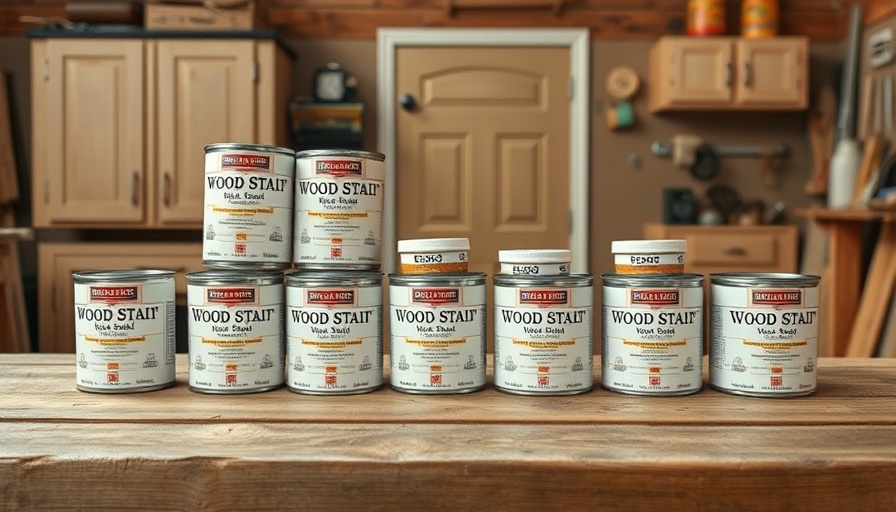
Collection of best white wood stain cans on a table.

Discovering the Best White Wood Stain for Your DIY Projects

Choosing the right white wood stain is crucial for any homeowner looking to enhance the beauty of their wood projects. Whether you're refinishing furniture, updating cabinets, or just trying to add an elegant touch to your living space, the options can be overwhelming. Luckily, I've tested several popular white wood stains from leading brands like Behr, Minwax, and Varathane to help you make an informed choice!

Meet the Contenders: Top White Wood Stains

In my recent tests, I evaluated four different white wood stains, all easily accessible at major home improvement stores like Lowe’s and Home Depot. Here’s a quick look at what’s on the roster:

  • Varathane Antique White
  • Minwax Simply White
  • Varathane White Wash
  • Behr White Wash Pickling

For these tests, I applied the stains on three different wood types: red oak, poplar, and pine. Each species has its quirks when it comes to absorbing stains, so it’s essential to see firsthand how these products perform.

Understanding Stain Options: What to Expect

White wood stains differ significantly from dark ones. They offer a subtle enhancement rather than a bold color shift. This makes them perfect for projects where you want to lighten the wood's natural tone rather than overpower it with color. If you're aiming for complete opacity, traditional paint or a specially formulated whitewash might be the better route.

Deep Dive: Testing the Stains

Each stain performed differently on the selected wood types. Let’s break down the results:

Varathane Antique White: A Subtle Beauty

This stain offers a medium coverage that slightly influences the color of the wood, enhancing its natural beauty without completely masking it. On poplar, you'll notice some green undertones emerging, while on red oak, it appears to pull a purple hue.

Minwax Simply White: Bright and Clean

Minwax Simply White aims to provide a radiant finish that complements various wood grains. Its bright white provides a more uniform color across the board, making it a favorite for homeowners seeking a cleaner, more refined look.

Varathane White Wash: The Gentle Touch

This option is perfect for those who desire a generation of white feature that doesn't obscure the wood pattern. It’s especially great for lighter woods like pine. Use it to create a soft look that leans into natural aesthetics.

Behr White Wash Pickling: Practical Choice

The Behr White Wash Pickling is an excellent choice for those looking to create a lifted wood look. Its unique formulation allows the wood grain to shine through while adding a distinct wash of white — perfect for shabby chic or farmhouse decor.

Why Choose White Wood Stain?

White wood stains can breathe new life into older pieces, harmonizing with various decor styles, from minimalist to traditional. They also play well with other colors, providing a neutral base that complements most palettes. They are perfect for achieving that sought-after light and airy ambiance.

Expert Tips for Staining Wood

When it comes to achieving the best results with your chosen stain, keep these tips in mind:

  • Test Before You Commit: Always test your stain on a small area of the wood to see how it reacts.
  • Preparation Matters: Ensure the wood is sanded smooth and clean of dust to allow for even absorption.
  • Control Coverage: Layer your stain for a deeper color or a lighter touch depending on your preference.

Conclusion: Make an Informed Choice

With the insights gained from my tests, I hope you feel more equipped to choose the best white wood stain for your next DIY project. Each product brings its unique qualities and aesthetic potential to the table, making them great options for various applications. If you're looking to brush up your space with a light touch, now's the time to start your project!

DIY Home Projects

0 Comments

Write A Comment

*
*
Related Posts All Posts
03.01.2026

Unlock the Secrets: Maximize Every Square Inch of Plywood

Update Maximizing Every Sheet: The Essential Plywood Cutting Guide Plywood has become a staple for DIY enthusiasts and home improvement projects, valued for its strength and versatility. With a recent surge in prices, efficiently using each 4x8 sheet has become more critical than ever. Here, we delve into expert tips on how to optimize your plywood usage and minimize waste, ensuring each sheet serves you well in your next project. The Importance of Planning Ahead Before making a single cut, start with detailed planning. Using graph paper or a design software tool like SketchUp, create a cutting plan that shows how the various pieces will fit together on the plywood sheet. This will help you maximize usage and save money. Curran Clark, a building enthusiast, notes, "Plywood is a stock investment, so it better be good upfront." Proper planning helps to avoid waste caused by impulsive decisions during cutting. Technical Strategies for Cutting Plywood Optimal cutting techniques can significantly affect the usability of your plywood scraps. Here are some valuable tips: Cut the Largest Pieces First: This method stabilizes the sheet and keeps it manageable, preserving offcuts for smaller pieces later on. Use a Straight-edge Jig: Instead of freehanding your cuts, maximize accuracy with a straight-edge jig, ensuring a straight line that doesn’t compromise your entire project. Keep Blade Sharp: A fine-tooth blade designed for cutting plywood minimizes tearing and uneven cuts. A dull blade can force you to trim edges later, wasting time and material. Pro Techniques to Prevent Splintering Splintering can ruin the aesthetics of your plywood projects. To keep edges clean and smooth, placing a piece of masking tape over your cut line can prevent splintering. This technique is particularly useful for visible edges, leading to a professional finish. Making Use of Every Scrap Even the smallest scraps can be repurposed. From drawer dividers to garden bed edging, the potential for scrap pieces is vast. Many experienced builders, like Mike Feazel, advocate for saving any piece wider than 1.5 inches, saying, "It always comes in handy later for DIY projects!" Being resourceful not only cuts down on waste but also sparks creativity for future projects. Layering for Strength and Efficiency If more strength is needed for your project, consider layering thinner sheets of plywood rather than purchasing an expensive single thick piece. This method is cost-effective and allows for greater flexibility in design and construction. Tools and Techniques For Success Investing in the right tools can enhance your cutting accuracy and ease the overall process. Here are some recommended tools: Circular Saw: Ideal for straight cuts, especially when used with a cutting guide. Router: Excellent for trimming edges and creating clean finishes. Sharp Utility Knife: Best for scoring the wood before making deeper cuts to reduce tear-out. Common Misconceptions About Plywood Cutting A common myth is that cutting plywood face up is always best; however, it is often recommended to cut with the finished face down. This technique helps minimize tear-out on the visible surface, giving your project a more polished look. Conclusion: Your Next Steps in DIY Plywood Projects Adopting these practices will not only enhance your plywood cutting techniques but also empower your DIY journey. The next time you tackle a project, keep these expert tips in mind to ensure efficient use of materials and minimize waste. Don't forget to share your success stories and innovative uses for scraps that you discover in your DIY adventures!

02.28.2026

Why You Should Never Throw Away Your Fireplace Ash Again

Update Unlock the Hidden Value in Your Fireplace AshIf you’ve recently enjoyed the warmth of a roaring fire in your home, you may be staring at a pile of leftover ash and contemplating tossing it out. But hold on—fireplace ash is not just waste; it can be a valuable resource when used correctly. In this article, we’ll explore the practical uses of fireplace ash and crucial safety tips for storage, ensuring that your cozy evenings don’t lead to unintended hazards.How to Harness Fireplace Ash in Everyday LifeFireplace ash can be incredibly useful in your home and garden. Here are some surprising applications that can save you time and money:1. Natural DeodorizersSimilar to baking soda, ash has natural deodorizing properties. Place bowls of ash in musty rooms, or sprinkle it in difficult-to-manage areas like an outhouse, to absorb unpleasant smells effectively.2. Garden FertilizerWood ash can enhance your garden soil. It contains essential nutrients such as potassium, calcium, and magnesium. Use it lightly around plants like tomatoes and fruit trees or in your compost pile to balance pH and enrich growth.3. Surface CleanerTurn your ash into a potent cleaning paste by mixing it with water. This abrasive cleanser works well for metal or ceramic surfaces, providing an eco-friendly alternative to chemical cleaners.4. Soil NeutralizerIf your garden soil is overly acidic, sprinkling wood ash can help raise its pH, making it more suitable for a wider variety of plants.5. pest deterrentUsing ash in your garden can also repel pests such as slugs and other crawling insects.Understanding the Fire Risks of Improper StorageWhile there are many benefits to recycling fireplace ash, safety must come first. Improperly stored ash can lead to fires, posing serious risks to your home and family.1. The Danger of Hidden EmbersEven when cool, fireplace ash can conceal hidden embers that might reignite under the right conditions. Proper cooling and storage are essential to mitigate these risks. Always allow your ash to cool for 24 to 72 hours before disposal.2. Suitable Storage PracticesStore fireplace ash in a metal, lidded container placed on a non-flammable surface, at least 10 feet from any flammable materials. Avoid plastic bags or containers, as they can ignite easily.3. Handling PrecautionsBe mindful that ash can release crystalline silica, which is harmful when inhaled. Wear gloves and consider a mask when handling it to avoid irritations.What Not to Do with Fireplace AshTo ensure safety, follow these crucial guidelines:Do not store ash in an open container.Avoid vacuuming unexpected ashes to prevent combustion within the vacuum cleaner.Do not dispose of ash in bags with other household waste; always allow it to cool adequately.Steer clear of leaving ashes near flammable materials, especially outdoors.Get Creative and Practical with Your AshTransforming your fireplace ashes into a multipurpose resource not only reflects awesomeness in DIY but also promotes sustainability and safety. Aside from home cleaning or gardening, consider how sustainable practices can enhance your home environment. Share your finds with family and friends and explore community workshops that focus on similar practices!Conclusion: Your Ash, Your AssetYour fireplace ash shouldn’t be regarded as mere waste. With the right knowledge of storage and potential uses, you can not only repurpose this material, but also empower your home maintenance strategy while embracing environmentally friendly practices. So the next time you relax by the fireplace, remember the hidden treasures awaiting in that ash pile—tread wisely, reuse creatively!

02.27.2026

How Lisbon's Food Culture Can Transform Your Home Cooking Experience

Update Rediscovering Culinary Roots: Lessons from Lisbon Experiencing Lisbon's vibrant markets, traditional taverns, and deeply rooted food culture often changes how we think about home cooking, bringing a new appreciation for simplicity, freshness, and shared meals. The vibrant atmosphere of Alfama, where the scent of grilled sardines wafts through the streets, creates an unforgettable sensory experience that highlights the essence of Portuguese cuisine. The Aroma of Tradition: A Culinary Journey As I wandered through the narrow alleyways of Alfama, the first sensation that struck me wasn’t a view of grand monuments but the aromatic embrace of grilling sardines outside bustling taverns. A local man in an apron presided over a metal grill, a symbol of culinary tradition ringing with the whispers of generations. The simple act of grilling, seasoned only with salt and fire, exemplifies the deep cultural ties food has to the local landscape. This resonates with the Portuguese saying that even humble ingredients like vegetables can form a core part of a community's identity, as expressed by the affectionate nickname 'Alfacinhas,' which translates to 'little lettuces.' Embracing Restraint and Flavor During my culinary exploration, one dish stood out: the bifana, a pork sandwich marinated in garlic and white wine, nestled between warm bread. What I discovered was not just a meal; it was a narrative crafted with care, revealing how traditional dishes serve as chapter markers in the broader story of Lisbon. With its signature dishes like caldo verde, Portuguese soup made from kale and potatoes, or feijoada, a hearty bean stew, Lisbon’s cuisine emphasizes restraint. Each dish, whether rich or simple, embodies a meticulous crafting process that honors local ingredients and traditional methods. Exploring the Contemporary Mix In areas like Mouraria, the culinary tempo shifts. This district, reflective of Lisbon’s rich multicultural heritage, combines local staples with international flavors, providing a dazzling array of options. Dining on curry or Vietnamese pho amid the historical backdrop underscores the city's ability to absorb diverse cultural influences while maintaining its roots. Creating Home Cooked Memories The rich food culture of Lisbon has profoundly influenced my own cooking at home. Inspired by the simplicity and depth of Lisbon's dishes, I have made small yet significant changes in my kitchen routines. I prioritize quality over novelty, allowing flavors to develop over time in soups and embracing the art of savoring each meal. Recreating pastéis de nata, the custard tarts originally created in the Jerónimos Monastery, became a cherished ritual. Although my kitchen lacks Lisbon’s historical charm, the act of cooking these pastries has become a connection to a larger tradition. Each attempt reminds me that the essence of cooking lies in memory, discipline, and the joy of shared experiences. Small Changes for Lasting Impact In my home, I now cook with a mindset inspired by Lisbon: simplicity, patience, and appreciation for what is fresh. Whenever I grill sardines on my balcony, I am reminded of the connection to the streets of Alfama, and the lingering aromas foster a sense of community. Conclusion: The Lisbon Influence Rethinking home cooking after immersing in Lisbon’s food culture has instilled a greater awareness of cooking as a shared experience rather than solely an individual task. The acts of gathering, preparing, and savoring together are what make food both personal and communal. I urge you to explore local markets or try to recreate simple pleasures in your kitchen. Allow the flavors and traditions from places like Lisbon to guide your culinary adventures and discover how they can transform your everyday meals into extraordinary memories.

Terms of Service

Privacy Policy

Core Modal Title

Sorry, no results found

You Might Find These Articles Interesting

T
Please Check Your Email
We Will Be Following Up Shortly
*
*
*