
• Home
  • Categories
    • Cleaning & Moving
    • Maintenance / Repairs
    • Remodeling & Construction
    • Landscaping / Outdoor
    • Security & Technology
    • Sustainability, Health & Safety
    • Interiors / Décor
    • Expert Interviews
    • DIY Home Projects
Home Wise News!
Wise Insights, Reliable Contractor Advice & Hands on DIY Know How for Savvy Homeowners
November 13.2026
4 Minutes Read

Choosing the Best Builders in Sutherland Shire for Successful Renovations

Construction worker kneeling in a room, best builders in Sutherland Shire for renovations

Understanding Your Renovation Needs

Every successful renovation begins with a clear understanding of your needs. Many homeowners realize their living space isn’t quite right for their daily activities. Perhaps your kitchen feels cramped, or your outdoor area lacks functionality. The first step in the renovation process is to pinpoint exactly what isn’t working for you and your family.

Ask yourself some critical questions: Where does your family usually enter the home? Do you have adequate space for dropping off bags and gear? Consider how you use your kitchen - is it primarily for casual meals, or do you entertain guests? Observing how your home affects daily life can guide your renovation decisions effectively.

Take a step back and think about how spacing impacts your daily routines. For instance, a well-placed entry area can streamline your family’s comings and goings. When you assess how space is utilized, you can create a layout that enhances daily interactions and minimizes frustrations.

The Importance of Engaging a Local Builder

To achieve a successful renovation, consider hiring a builder from the Sutherland Shire who understands the unique challenges and local conditions of the region. These can vary from coastal weather effects to issues with drainage and land sloping. An experienced builder will know how to navigate these intricacies while ensuring your ideas are seamlessly integrated into the design.

Renovation builders, like Dura Group Building and Renovations, will coordinate not only planning and construction but are essential in managing site preparation, structural alterations, and the installation of necessary systems such as waterproofing. A reliable builder will maintain clear communication with you throughout the project, ensuring you are kept informed of any changes or challenges that arise.

Moreover, local builders tend to have established relationships with area suppliers and contractors, which can be beneficial in sourcing high-quality materials and ensuring timely deliveries. This familiarity with local suppliers can also help secure better pricing, translating into savings for your renovation budget.

Finishing Touches Matter

Once the initial construction is completed, attention turns to the finishes that can make a house truly feel like home. Sutherland Shire faces specific issues like bushfire regulations, heritage site restrictions, and general climate factors that can affect your choices. Therefore, it’s crucial to select finishes, materials, and fixtures that are not only aesthetically pleasing but also suitable for the local environment.

Think beyond cosmetics. Proper waterproofing, energy-efficient appliances, and durable fixtures can affect your home’s long-term functionality, especially given the Sutherland Shire's unique weather patterns and local fauna. Seek out builders who prioritize quality products and installations to avoid future headaches. Investing in the right materials upfront can save money and hassle in the long run.

Anticipating Challenges and Costs

Renovations can unveil hidden problems, from structural issues to electrical and plumbing concerns. An insightful builder will carry out thorough inspections and will be transparent about any additional work required outside the original scope. Remember, the lowest bid might not always be the best choice when it comes to ensuring quality and reliability.

You'll want to prepare for unexpected expenses by setting aside a contingency fund. It's wise to budget for at least 10-20% of your overall renovation costs to cover unexpected issues that may arise during the process.

With a skilled builder by your side, you can approach these challenges with confidence. Your builder should provide detailed estimates and clearly defined scope changes to help mitigate the risk of being blindsided by costs. They’ll also have strategies to contain costs while still adhering to quality standards.

Council Regulations and Approvals

Another significant aspect to consider is the management of council approvals and inspections. Each renovation project will typically need to comply with local council regulations regarding zoning, safety, and design. An experienced renovation builder will guide you through the necessary permits, making the process smoother and less stressful for you.

Engaging a builder who is well-versed in local regulations not only expedites the approval process but can help you avoid delays that could impact your timeline and budget. They will also know how to effectively navigate any challenges that arise from zoning or heritage considerations.

The Emotional Investment in Renovation

Embarking on a renovation can be exciting yet overwhelming. It’s often a journey filled with highs and lows. Finding a builder you can trust makes a significant difference in your experience. A builder should not only possess the technical skills required for your project but also the interpersonal ones that contribute to a strong working relationship.

Pay attention to how builders communicate, how they listen to your concerns, and whether they offer solutions that align with your budget and vision. You are not just hiring someone to build; you are establishing a partnership for a process that significantly impacts your quality of life.

This collaboration can heavily influence the quality and style of your finished renovation as you work closely together to make critical decisions. Ensure that your builder not only finds practical solutions but also respects your vision for what you want your home to become.

Conclusion: Finding the Right Builder for Your Renovation

Renovating your home is a crucial step towards better functionality and increased enjoyment of your space. Engaging a builder who understands the nuances of the Sutherland Shire can make or break your project. Plan wisely, communicate effectively, and remain engaged throughout the process to ensure your renovation journey leads to a successful outcome that truly enhances your home.

Remember, the right builder will be an invaluable resource, providing support and insight at every step. With the right team by your side, your renovation can transform your space into your dream home, one that meets the unique needs of your family and improves your overall living experience.

Remodeling & Construction

0 Comments

Write A Comment

*
*
Please complete the captcha to submit your comment.
Related Posts All Posts
10.29.2026

AADU vs. DADU: Choosing the Right Accessory Dwelling for Your Seattle Home

Update Understanding the Basics of AADUs and DADUs As Seattle continues to evolve as a vibrant urban landscape, homeowners are finding that adding an accessory dwelling unit (ADU) can significantly enhance their property value while also meeting their housing needs. Whether it's accommodating family members or generating rental income, the choice between an Attached Accessory Dwelling Unit (AADU) and a Detached Accessory Dwelling Unit (DADU) can shape the future of your home. Beyond just providing extra space, these units also reflect a growing trend towards sustainable living and maximizing land use in a city where real estate is at a premium. Unpacking the AADU Advantage An AADU is essentially a living area that’s either inside your main home or closely connected to it, making it a versatile option for many Seattle residents. A finished basement with a separate entrance or a garage conversion are common examples. Most Seattle homeowners gravitate toward AADUs due to their cost-effectiveness; repurposing existing spaces often incurs lower expenses than building from the ground up. However, potential AADU owners should note that the costs can range from $400,000 to $600,000 or more depending on the scope of work. Factors impacting these costs include ceiling height issues, which might necessitate digging down, and the need to upgrade plumbing and electric systems to meet modern building codes. It’s crucial to conduct a thorough review of your current infrastructure to avoid unexpected expenses when planning your project. Understanding these requirements before you start planning can save both time and money down the line. Diving into DADUs: Are They Worth It? On the flip side, the DADU—or detached accessory dwelling unit—offers homeowners a fully independent structure on their property, often affectionately referred to as backyard cottages. These units stand alone completely, thereby granting privacy that an AADU may not, as they share walls with the main residence. For those who value solitude or wish to invite long-term guests, a DADU presents a compelling option. However, despite their appeal, DADUs come with their own set of challenges. Building a DADU typically involves more extensive costs due to the need for a new foundation, electrical panel, and plumbing. Homeowners could face costs that are considerably higher than AADUs, especially if the DADU must comply with specific design guidelines or neighborhood associations that might impact construction. These factors underline the importance of consulting with local experts who can navigate zoning laws and help estimate total project costs accurately. Comparative Costs: What to Expect? When deciding between AADU and DADU, a major factor is certainly cost. Generally, while an AADU might be a more budget-friendly option, the hidden expenses, such as those related to structural challenges and permitting, can escalate the total investment. Homeowners should prepare for financial unpredictability, regardless of the choice made. Conversely, DADUs provide the allure of a separate living space, perfectly positioned to become a rental unit or guest house. With a limit of 1,000 square feet, or 60% of the primary dwelling’s square footage, DADUs can still house ample living area despite their regulations. This makes them an attractive investment as they provide an independent space that can be rented out, offering a potential revenue stream. The additional costs involved with constructing a DADU include considerations for zoning laws and property size, emphasizing the importance of understanding local regulations. Future-Proofing Your Property One critical advantage of both AADUs and DADUs is their ability to increase a property's overall value. Real estate trends in Seattle suggest that homes with ADUs are not only easier to sell, but also command higher sale prices. This enhancement of property appeal aligns perfectly with Seattle's competitive housing market, offering homeowners the opportunity to leverage these structures for future financial gain. In a city where the housing pressure continues to grow, having an ADU is increasingly seen as a smart investment strategy that can pay dividends down the road. Making Your Decision: Key Considerations To navigate the choice between an AADU and a DADU, align your decision with your specific goals and property conditions. Do you prefer the flexibility of a standalone unit? Or does converting existing space seem more appealing? Conducting a detailed assessment of your property, including zoning regulations and physical space, will provide clarity. Moreover, homeowners should weigh the emotional aspects of each option. Imagine guests enjoying a complete, separate living space in a DADU versus the intimacy of having family within the home in an AADU. Additionally, consider the lifestyle changes that might come with each option—whether you want the flexibility to host friends or family, or if you prefer the ability to maintain independence and privacy for guests. Embrace the Journey of Home Improvement Ultimately, embarking on the journey to enhance your Seattle property with an accessory dwelling unit—whether it's an AADU or DADU—can be an exciting and transformative experience. Understanding the nuances of each option will empower homeowners to make informed decisions that align with their visions for the future. Tapping into local resources and expert advice can also illuminate the path toward finding the perfect fit for your unique circumstances. Whether you decide to upgrade your existing living space with an AADU or explore the potential of a DADU, the prospect of expanding your home with a functional and versatile living area is not just a means of enhancing your property. It is an opportunity to create a space that meets your evolving needs and aspirations, ensuring your home continues to serve you well into the future. As Seattle grows and changes, so too can your home, equipped with the right accessory dwelling to fit your lifestyle.

10.17.2026

Exploring Seattle’s Pre-Approved DADU Plans: Fast or Custom?

Update Understanding Seattle's DADU Pre-Approved Plans If you’ve ever thought about adding a backyard cottage in Seattle, you likely stumbled upon the city’s pre-approved Detached Accessory Dwelling Unit (DADU) plans. These plans, provided by the Seattle Department of Construction and Inspections (SDCI), streamline the building process by allowing homeowners to bypass certain phases of the permitting process. With pre-approved designs, structural plan reviews are already completed, which can speed up the permit issuance from months to mere weeks. This article explores how the pre-approved DADU program functions, its advantages, and the circumstances where opting for a custom-built unit might be the better choice. The Benefits of Pre-Approved DADU Plans The heart of Seattle’s pre-approved DADU offering lies in its library of designs that have met city codes for structural compliance. These plans, crafted by licensed architects and engineers, are advantageous for homeowners looking for a quicker way to get started on their projects. One immediate perk of utilizing a pre-approved plan is the shortened construction timeline; typically, it takes 6-10 weeks to receive a permit for a standard DADU, but with these pre-approved designs, the process can be trimmed down to 4-6 weeks. Homeowners can save money on design fees and reduce the likelihood of facing structural permit corrections. What Pre-Approved Plans Include and Exclude These pre-approved DADU plans come equipped with detailed construction documents encompassing floor plans, elevations, and structural specifications suitable for most Seattle lots. However, it’s essential to recognize what these plans do not offer: Site-Specific Adaptations: The plans assume a flat, standard lot, which may not fit every property’s characteristics. Sites that are hilly or have significant tree coverage may require additional engineering. Custom Interior Finishes: While the plans ensure that the structure complies with code, you are free to choose your interior finishes—everything from flooring to countertops is left to your discretion. Exterior Home Design Matching: Though pre-approved designs include a general finish package, they may not align with your existing home’s aesthetic. Utility Connection Designs: These plans do not account for the intricacies involved in connecting your DADU to utilities in your main home. The Cost-Benefit Analysis of Using Pre-Approved Plans While pre-approved designs offer important advantages, they also come with trade-offs. The most notable benefit is the potential savings in time and money. Homeowners can rely on contractors who are familiar with these designs to mitigate additional design fees. Moreover, the assurance of structural compliance often leads to fewer permit corrections, granting an extra peace of mind. However, using a pre-approved plan limits your ability to customize the design fully, which could lead to dissatisfaction down the line. Exploring Custom DADU Designs: When It Might Be Right Even though pre-approved plans are designed for efficiency, custom designs are often the go-to choice when it comes to constructing a DADU that seamlessly integrates with the homeowner's lifestyle or unique lot conditions. If your property features distinct characteristics, such as hillside terrain or unusual dimensions, custom designs can be tailored to meet those specific needs. Moreover, personal preferences concerning styles and finishes are a significant factor that may drive you towards a custom solution. With a custom DADU, you gain the freedom to prioritize quality and design that resonates with your vision, even though the process may be lengthier and more involved. Future Trends: The Role of DADUs in Seattle’s Housing Market As Seattle’s housing market continues to tighten, the demand for affordable living spaces is on the rise. DADUs present an attractive solution for homeowners looking to create income-generating opportunities or offer additional living spaces for family members. The popularity of these units reflects a trend toward increasing density in urban areas while maintaining the character of single-family neighborhoods. Both pre-approved and custom DADUs will play a role in meeting housing needs as more homeowners embrace options to innovate on their existing properties. Conclusion and Next Steps With Seattle’s pre-approved DADU plans, the building process can be expedited without sacrificing code compliance. Yet, it’s important to weigh your options carefully. If your property presents challenges that standard designs do not accommodate or if you desire specific aesthetics, a custom DADU may be the best route. As you consider your options, take time to reflect on your long-term goals and how a DADU fits into your vision for your home. If you’re contemplating constructing a DADU—whether through a pre-approved design or a custom project—now is the time to start planning. Understanding which option aligns best with your objectives can lead you to make informed decisions that enhance your property value while serving your lifestyle needs.

10.16.2026

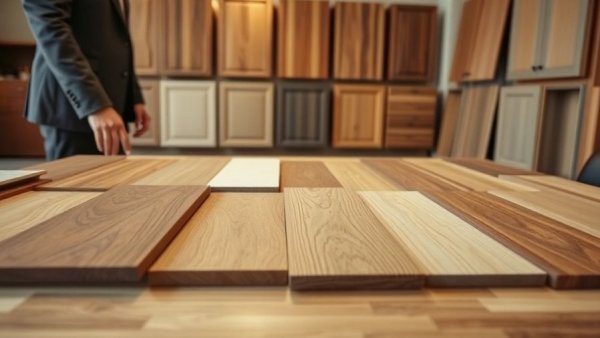
Mastering the Art of Custom Cupboards: Essential Insights for Homeowners

Update Why Custom Cupboards are Worth the Investment If you’re considering custom cupboards, you’re likely aware of the aesthetic benefits they can bring to your home. Custom cupboards allow for literally any design, size, and material, making them a perfect fit for your unique space and style preferences. This customization is particularly valuable for homeowners with unconventional layouts or specific needs. However, it’s essential to dive deeper than just how they look. Understanding what goes into them is equally important. Understanding the Difference: Custom vs. Stock "Custom" doesn’t necessarily guarantee quality. Despite the allure of personalized design, the craftsmanship can vary significantly. While some manufacturers produce high-quality custom cupboards, others do not. And conversely, stock cabinets can be exceptionally durable when sourced from reputable brands. The crucial factor is the manufacturer behind the product. For instance, if a custom cabinet lacks features that enhance durability, it may not serve you well in the long term. Assessing the manufacturer's reputation and experience can help you sidestep poor choices. In fact, it’s common to hear stories of homeowners investing in custom cupboards only to discover they don’t hold up as expected. Avoiding this pitfall starts with thorough research; look for customer reviews, testimonials, and samples of previous work to gauge the quality of the manufacturer’s craftsmanship. The True Cost of Custom Cupboards: What to Expect Investing in custom cupboards is not a minor decision, particularly when you consider that prices range from $500 to $1,200 per linear foot. When budgeting, remember that costs fluctuate based on materials, complexity, and location. Exotic woods or intricate designs naturally come with price hikes. Here’s a pro tip: solicit quotes from at least three different manufacturers. This practice serves a dual purpose: not only does it provide price clarity, but it also educates you about what elements constitute a fair offer versus a red flag. Additionally, think about the long-term value of your investment. While custom cupboards might require a substantial initial outlay, consider how they might enhance your home’s value in the future. If you ever decide to sell, high-quality custom cabinetry can set your home apart in the market. Timing: Be Prepared for the Long Haul Timelines are often one of the most underestimated factors in custom cupboard projects. On average, the custom design process can take from four to six months—think of it as a lengthy courtship. The journey includes initial consultations, decision-making phases, and, of course, the actual manufacturing, which alone can stretch from 8-12 weeks. When the timeline of your renovation extends into several months, knowing what to expect can keep your stress levels in check. Be proactive in your communication with the manufacturer. Regular check-ins can help you understand where your project stands and anticipate any potential delays. It’s also wise to have a contingency plan in case your timeline extends further than expected. Key Questions to Ask Your Manufacturer Before you enter a contract, it's vital to arm yourself with the right questions. Not all manufacturers are created equal, and knowing more about them could save you from headaches down the line. Here’s a checklist for your showroom visit: “Can I see recent installations?” Nothing beats first-hand knowledge. “What happens if things go wrong?” Understanding their problem-resolution process is critical. “Who builds the cabinets?” You want assurance that skilled professionals are managing the quality. “How detailed is the warranty?” Make sure you know what’s covered. “What’s included in the quoted price?” Hidden costs can derail your budget. While discussing these key points, pay attention to how the manufacturer responds. The level of transparency and confidence in their answers can often give you insight into their overall reliability. Identifying Quality: Keys to Longevity Quality isn’t just about beautiful aesthetics; it’s about enduring craft. As you assess potential manufacturers, look for specific indicators of quality in the materials and construction. Check how drawers are constructed—dovetail joints are ideal, while stapled fiberboard is a red flag. Also, scrutinize the hardware being used. Brands like Blum or Salice are known for their durability. Don’t settle for lesser materials that may hinder your cupboards’ lifespan. Another important aspect to consider is the finish of the cupboards. A high-quality finish not only enhances the beauty but also protects the wood from wear and tear. Inquire about the types of finishes available and their expected longevity. This can make a significant difference over time. Conclusion: Empower Your Decision Investing time in research and asking the right questions will not only educate you but will also empower you to make informed decisions. Custom cupboards can significantly enhance the functionality and beauty of your space, but knowing what to look for can save you from potential pitfalls. As you embark on this journey, take heed of the insights above to ensure your custom cupboard experience is favorable. Remember, your home is a long-term investment, and the choices you make now will impact not just your daily life but also the value and appeal of your property in the years to come. With careful consideration and due diligence, you can transform your living space into a dream environment through well-crafted custom cupboards.

Home Wise News

We concentrate on providing wise insights, reliable home contractor advice and hands‑on DIY know‑how for savvy homeowners. We focus on maintenance, repairs, landscaping ideas, security, smart home options, remodeling, decor and much more.

Find Us on
Social Media 

  • Google+ for PIP Consulting, LLC

847-999-4344

Please Contact Us Today!

Home Wise News
Brought to you by
PIP Consulting, LLC
3773 Howard Hughes Parkway
South Tower, Suite 500
Las Vegas, Nevada
89169

, ,

ABOUT US

We provide evidence-based insights and real-life applications of home advice and know-how practices. We stands out by featuring expert interviews and address the importance of getting practical solutions and DIY information. With the goal of helping home owners decide when they need to call on experts for the job at hand.

© 2026 Energize Your Marketing All Rights Reserved. 3773 Howard Hughes Parkway South Tower, Suite 500, Las Vegas, NV 89169 . Contact Us . Terms of Service . Privacy Policy

eyJjb21wYW55IjoiRW5lcmdpemUgWW91ciBNYXJrZXRpbmciLCJhZGRyZXNzIjoiMzc3MyBIb3dhcmQgSHVnaGVzIFBhcmt3YXkgU291dGggVG93ZXIsIFN1aXRlIDUwMCIsImNpdHkiOiJMYXMgVmVnYXMiLCJzdGF0ZSI6Ik5WIiwiemlwIjoiODkxNjkiLCJlbWFpbCI6Im1hcnNoYUBlbmVyZ2l6ZXlvdXJtYXJrZXRpbmcuY29tIiwidG9zIjoiUEhBK1BITjBjbTl1Wno0OFpXMCtWMmhsYmlCNWIzVWdjMmxuYmkxcGJpQjNhWFJvSUhWekxDQjViM1VnWVhKbElHZHBkbWx1WnladVluTndPeUI1YjNWeUlIQmxjbTFwYzNOcGIyNGdZVzVrSUdOdmJuTmxiblFnZEc4Z2MyVnVaQ0I1YjNVZ1pXMWhhV3dnWVc1a0wyOXlJRk5OVXlCMFpYaDBJRzFsYzNOaFoyVnpMaUJDZVNCamFHVmphMmx1WnlCMGFHVWdWR1Z5YlhNZ1lXNWtJRU52Ym1ScGRHbHZibk1nWW05NElHRnVaQ0JpZVNCemFXZHVhVzVuSUdsdUlIbHZkU0JoZFhSdmJXRjBhV05oYkd4NUlHTnZibVpwY20wZ2RHaGhkQ0I1YjNVZ1lXTmpaWEIwSUdGc2JDQjBaWEp0Y3lCcGJpQjBhR2x6SUdGbmNtVmxiV1Z1ZEM0OEwyVnRQand2YzNSeWIyNW5Qand2Y0Q0S0NqeHdQanhoSUdoeVpXWTlJbWgwZEhBNkx5OTNkM2N1WjI5dloyeGxMbU52YlNJK2FIUjBjRG92TDNkM2R5NW5iMjluYkdVdVkyOXRQQzloUGp3dmNENEtDanh3UGladVluTndPend2Y0Q0S0NqeHdQanh6ZEhKdmJtYytVMFZTVmtsRFJUd3ZjM1J5YjI1blBqd3ZjRDRLQ2p4d1BsZGxJSEJ5YjNacFpHVWdZU0J6WlhKMmFXTmxJSFJvWVhRZ1kzVnljbVZ1ZEd4NUlHRnNiRzkzY3lCNWIzVWdkRzhnY21WalpXbDJaU0J5WlhGMVpYTjBjeUJtYjNJZ1ptVmxaR0poWTJzc0lHTnZiWEJoYm5rZ2FXNW1iM0p0WVhScGIyNHNJSEJ5YjIxdmRHbHZibUZzSUdsdVptOXliV0YwYVc5dUxDQmpiMjF3WVc1NUlHRnNaWEowY3l3Z1kyOTFjRzl1Y3l3Z1pHbHpZMjkxYm5SeklHRnVaQ0J2ZEdobGNpQnViM1JwWm1sallYUnBiMjV6SUhSdklIbHZkWElnWlcxaGFXd2dZV1JrY21WemN5QmhibVF2YjNJZ1kyVnNiSFZzWVhJZ2NHaHZibVVnYjNJZ1pHVjJhV05sTGlCWmIzVWdkVzVrWlhKemRHRnVaQ0JoYm1RZ1lXZHlaV1VnZEdoaGRDQjBhR1VnVTJWeWRtbGpaU0JwY3lCd2NtOTJhV1JsWkNBbWNYVnZkRHRCVXkxSlV5WnhkVzkwT3lCaGJtUWdkR2hoZENCM1pTQmhjM04xYldVZ2JtOGdjbVZ6Y0c5dWMybGlhV3hwZEhrZ1ptOXlJSFJvWlNCMGFXMWxiR2x1WlhOekxDQmtaV3hsZEdsdmJpd2diV2x6TFdSbGJHbDJaWEo1SUc5eUlHWmhhV3gxY21VZ2RHOGdjM1J2Y21VZ1lXNTVJSFZ6WlhJZ1kyOXRiWFZ1YVdOaGRHbHZibk1nYjNJZ2NHVnljMjl1WVd4cGVtRjBhVzl1SUhObGRIUnBibWR6TGp3dmNENEtDanh3UGxsdmRTQmhjbVVnY21WemNHOXVjMmxpYkdVZ1ptOXlJRzlpZEdGcGJtbHVaeUJoWTJObGMzTWdkRzhnZEdobElGTmxjblpwWTJVZ1lXNWtJSFJvWVhRZ1lXTmpaWE56SUcxaGVTQnBiblp2YkhabElIUm9hWEprSUhCaGNuUjVJR1psWlhNZ0tITjFZMmdnWVhNZ1UwMVRJSFJsZUhRZ2JXVnpjMkZuWlhNc0lFbHVkR1Z5Ym1WMElITmxjblpwWTJVZ2NISnZkbWxrWlhJZ2IzSWdZMlZzYkhWc1lYSWdZV2x5ZEdsdFpTQmphR0Z5WjJWektTNGdXVzkxSUdGeVpTQnlaWE53YjI1emFXSnNaU0JtYjNJZ2RHaHZjMlVnWm1WbGN5d2dhVzVqYkhWa2FXNW5JSFJvYjNObElHWmxaWE1nWVhOemIyTnBZWFJsWkNCM2FYUm9JSFJvWlNCa2FYTndiR0Y1SUc5eUlHUmxiR2wyWlhKNUlHOW1JR1ZoWTJnZ1UwMVRJSFJsZUhRZ2JXVnpjMkZuWlNCelpXNTBJSFJ2SUhsdmRTQmllU0IxY3k0Z1NXNGdZV1JrYVhScGIyNHNJSGx2ZFNCdGRYTjBJSEJ5YjNacFpHVWdZVzVrSUdGeVpTQnlaWE53YjI1emFXSnNaU0JtYjNJZ1lXeHNJR1Z4ZFdsd2JXVnVkQ0J1WldObGMzTmhjbmtnZEc4Z1lXTmpaWE56SUhSb1pTQlRaWEoyYVdObElHRnVaQ0J5WldObGFYWmxJSFJvWlNCVFRWTWdkR1Y0ZENCdFpYTnpZV2RsY3k0Z1YyVWdaRzhnYm05MElHTm9ZWEpuWlNCaGJua2dabVZsY3lCbWIzSWdaR1ZzYVhabGNua2diMllnWlcxaGFXd2diM0lnVTAxVExpQlVhR2x6SUdseklHRWdabkpsWlNCelpYSjJhV05sSUhCeWIzWnBaR1ZrSUdKNUlIVnpMaUJJYjNkbGRtVnlMQ0J3YkdWaGMyVWdZMmhsWTJzZ2QybDBhQ0I1YjNWeUlHbHVkR1Z5Ym1WMElITmxjblpwWTJVZ2NISnZkbWxrWlhJZ1lXNWtJR05sYkd4MWJHRnlJR05oY25KcFpYSWdabTl5SUdGdWVTQmphR0Z5WjJWeklIUm9ZWFFnYldGNUlHbHVZM1Z5SUdGeklHRWdjbVZ6ZFd4MElHWnliMjBnY21WalpXbDJhVzVuSUdWdFlXbHNJR0Z1WkNCVFRWTWdkR1Y0ZENCdFpYTnpZV2RsY3lCMGFHRjBJSGRsSUdSbGJHbDJaWElnZFhCdmJpQjViM1Z5SUc5d2RDMXBiaUJoYm1RZ2NtVm5hWE4wY21GMGFXOXVJSGRwZEdnZ2IzVnlJR1Z0WVdsc0lHRnVaQ0JUVFZNZ2MyVnlkbWxqWlhNdUlGbHZkU0JqWVc0Z1kyRnVZMlZzSUdGMElHRnVlU0IwYVcxbExpQktkWE4wSUhSbGVIUWdKbkYxYjNRN1UxUlBVQ1p4ZFc5ME95QjBieUE4YUdsbmFHeHBaMmgwSUdOc1lYTnpQU0pqYjIxd1lXNTVVR2h2Ym1WVmNHUmhkR1VpUGlzeE9EUTNPVGs1TkRNME5Ed3ZhR2xuYUd4cFoyaDBQaTRnUVdaMFpYSWdlVzkxSUhObGJtUWdkR2hsSUZOTlV5QnRaWE56WVdkbElDWnhkVzkwTzFOVVQxQW1jWFZ2ZERzZ2RHOGdkWE1zSUhkbElIZHBiR3dnYzJWdVpDQjViM1VnWVc0Z1UwMVRJRzFsYzNOaFoyVWdkRzhnWTI5dVptbHliU0IwYUdGMElIbHZkU0JvWVhabElHSmxaVzRnZFc1emRXSnpZM0pwWW1Wa0xpQkJablJsY2lCMGFHbHpMQ0I1YjNVZ2QybHNiQ0J1YnlCc2IyNW5aWElnY21WalpXbDJaU0JUVFZNZ2JXVnpjMkZuWlhNZ1puSnZiU0IxY3k0OEwzQStDZ284Y0Q0OGMzUnliMjVuUGxsUFZWSWdVa1ZIU1ZOVVVrRlVTVTlPSUU5Q1RFbEhRVlJKVDA1VFBDOXpkSEp2Ym1jK1BDOXdQZ29LUEhBK1NXNGdZMjl1YzJsa1pYSmhkR2x2YmlCdlppQjViM1Z5SUhWelpTQnZaaUIwYUdVZ1UyVnlkbWxqWlN3Z2VXOTFJR0ZuY21WbElIUnZPand2Y0Q0S0NqeHZiRDRLQ1R4c2FUNXdjbTkyYVdSbElIUnlkV1VzSUdGalkzVnlZWFJsTENCamRYSnlaVzUwSUdGdVpDQmpiMjF3YkdWMFpTQnBibVp2Y20xaGRHbHZiaUJoWW05MWRDQjViM1Z5YzJWc1ppQmhjeUJ3Y205dGNIUmxaQ0JpZVNCMGFHVWdVMlZ5ZG1salpTWWpNems3Y3lCeVpXZHBjM1J5WVhScGIyNGdabTl5YlNBb2MzVmphQ0JwYm1admNtMWhkR2x2YmlCaVpXbHVaeUIwYUdVZ0puRjFiM1E3VW1WbmFYTjBjbUYwYVc5dUlFUmhkR0VtY1hWdmREc3BJR0Z1WkR3dmJHaytDZ2s4YkdrK2JXRnBiblJoYVc0Z1lXNWtJSEJ5YjIxd2RHeDVJSFZ3WkdGMFpTQjBhR1VnVW1WbmFYTjBjbUYwYVc5dUlFUmhkR0VnZEc4Z2EyVmxjQ0JwZENCMGNuVmxMQ0JoWTJOMWNtRjBaU3dnWTNWeWNtVnVkQ0JoYm1RZ1kyOXRjR3hsZEdVdUlFbG1JSGx2ZFNCd2NtOTJhV1JsSUdGdWVTQnBibVp2Y20xaGRHbHZiaUIwYUdGMElHbHpJSFZ1ZEhKMVpTd2dhVzVoWTJOMWNtRjBaU3dnYm05MElHTjFjbkpsYm5RZ2IzSWdhVzVqYjIxd2JHVjBaU3dnYjNJZ2QyVWdhR0YyWlNCeVpXRnpiMjVoWW14bElHZHliM1Z1WkhNZ2RHOGdjM1Z6Y0dWamRDQjBhR0YwSUhOMVkyZ2dhVzVtYjNKdFlYUnBiMjRnYVhNZ2RXNTBjblZsTENCcGJtRmpZM1Z5WVhSbExDQnViM1FnWTNWeWNtVnVkQ0J2Y2lCcGJtTnZiWEJzWlhSbExDQjNaU0JvWVhabElIUm9aU0J5YVdkb2RDQjBieUJ6ZFhOd1pXNWtJRzl5SUR4emRISnZibWMrUEhOd1lXNGdjM1I1YkdVOUltTnZiRzl5T2lOR1JqQXdNREE3SWo1MFpYSnRhVzVoZEdVZ2VXOTFjaUJoWTJOdmRXNTBMM0J5YjJacGJHVWdZVzVrSUhKbFpuVnpaU0JoYm5rZ1lXNWtJR0ZzYkNCamRYSnlaVzUwSUc5eUlHWjFkSFZ5WlNCMWMyVWdiMllnZEdobElGTmxjblpwWTJVZ0tHOXlJR0Z1ZVNCd2IzSjBhVzl1SUhSb1pYSmxiMllwTGp3dmMzQmhiajQ4TDNOMGNtOXVaejQ4TDJ4cFBnbzhMMjlzUGdvS1BIQStKbTVpYzNBN1BDOXdQZ284YUdsbmFHeHBaMmgwSUdOc1lYTnpQU0pqYjIxd1lXNTVUbUZ0WlZWd1pHRjBaU0krUlc1bGNtZHBlbVVnV1c5MWNpQk5ZWEpyWlhScGJtYzhMMmhwWjJoc2FXZG9kRDQ4WW5JZ0x6NEtQR2hwWjJoc2FXZG9kQ0JqYkdGemN6MGlZMjl0Y0dGdWVVRmtaSEpsYzNOVmNHUmhkR1VpUGpNM056TWdTRzkzWVhKa0lFaDFaMmhsY3lCUVlYSnJkMkY1SUZOdmRYUm9JRlJ2ZDJWeUxDQlRkV2wwWlNBMU1EQXNJRXhoY3lCV1pXZGhjeXdnVGxZZ09Ea3hOams4TDJocFoyaHNhV2RvZEQ0OFluSWdMejRLUEdocFoyaHNhV2RvZENCamJHRnpjejBpWTI5dGNHRnVlVkJvYjI1bFZYQmtZWFJsSWo0ck1UZzBOeTA1T1RrdE5ETTBORHd2YUdsbmFHeHBaMmgwUGp4aWNpQXZQZ284YUdsbmFHeHBaMmgwSUdOc1lYTnpQU0pqYjIxd1lXNTVSVzFoYVd4VmNHUmhkR1VpUG0xaGNuTm9ZVUJsYm1WeVoybDZaWGx2ZFhKdFlYSnJaWFJwYm1jdVkyOXRQQzlvYVdkb2JHbG5hSFErIiwicHJpdmFjeSI6IlBIQStQSE4wY205dVp6NVFVa2xXUVVOWlBDOXpkSEp2Ym1jK1BDOXdQZ29LUEhBK1BITjBjbTl1Wno1VWFHVWdhVzVtYjNKdFlYUnBiMjRnY0hKdmRtbGtaV1FnWkhWeWFXNW5JSFJvYVhNZ2NtVm5hWE4wY21GMGFXOXVJR2x6SUd0bGNIUWdjSEpwZG1GMFpTQmhibVFnWTI5dVptbGtaVzUwYVdGc0xDQmhibVFnZDJsc2JDQnVaWFpsY2lCaVpTQmthWE4wY21saWRYUmxaQ3dnWTI5d2FXVmtMQ0J6YjJ4a0xDQjBjbUZrWldRZ2IzSWdjRzl6ZEdWa0lHbHVJR0Z1ZVNCM1lYa3NJSE5vWVhCbElHOXlJR1p2Y20wdUlGUm9hWE1nYVhNZ2IzVnlJR2QxWVhKaGJuUmxaUzQ4TDNOMGNtOXVaejQ4TDNBK0NnbzhjRDQ4YzNSeWIyNW5Qa2xPUkVWTlRrbFVXVHd2YzNSeWIyNW5Qand2Y0Q0S0NqeHdQanhsYlQ1WmIzVWdZV2R5WldVZ2RHOGdhVzVrWlcxdWFXWjVJR0Z1WkNCb2IyeGtJSFZ6TEM0Z1lXNWtJR2wwY3lCemRXSnphV1JwWVhKcFpYTXNJR0ZtWm1sc2FXRjBaWE1zSUc5bVptbGpaWEp6TENCaFoyVnVkSE1zSUdOdkxXSnlZVzVrWlhKeklHOXlJRzkwYUdWeUlIQmhjblJ1WlhKekxDQmhibVFnWlcxd2JHOTVaV1Z6TENCb1lYSnRiR1Z6Y3lCbWNtOXRJR0Z1ZVNCamJHRnBiU0J2Y2lCa1pXMWhibVFzSUdsdVkyeDFaR2x1WnlCeVpXRnpiMjVoWW14bElHRjBkRzl5Ym1WNWN5WWpNems3SUdabFpYTXNJRzFoWkdVZ1lua2dZVzU1SUhSb2FYSmtJSEJoY25SNUlHUjFaU0IwYnlCdmNpQmhjbWx6YVc1bklHOTFkQ0J2WmlCRGIyNTBaVzUwSUhsdmRTQnlaV05sYVhabExDQnpkV0p0YVhRc0lISmxjR3g1TENCd2IzTjBMQ0IwY21GdWMyMXBkQ0J2Y2lCdFlXdGxJR0YyWVdsc1lXSnNaU0IwYUhKdmRXZG9JSFJvWlNCVFpYSjJhV05sTENCNWIzVnlJSFZ6WlNCdlppQjBhR1VnVTJWeWRtbGpaU3dnZVc5MWNpQmpiMjV1WldOMGFXOXVJSFJ2SUhSb1pTQlRaWEoyYVdObExDQjViM1Z5SUhacGIyeGhkR2x2YmlCdlppQjBhR1VnVkU5VExDQnZjaUI1YjNWeUlIWnBiMnhoZEdsdmJpQnZaaUJoYm5rZ2NtbG5hSFJ6SUc5bUlHRnViM1JvWlhJdVBDOWxiVDQ4TDNBK0NnbzhjRDQ4YzNSeWIyNW5Qa1JKVTBOTVFVbE5SVklnVDBZZ1YwRlNVa0ZPVkVsRlV6d3ZjM1J5YjI1blBqd3ZjRDRLQ2p4d1BqeHpkSEp2Ym1jK1dVOVZJRVZZVUZKRlUxTk1XU0JWVGtSRlVsTlVRVTVFSUVGT1JDQkJSMUpGUlNCVVNFRlVPand2YzNSeWIyNW5Qand2Y0Q0S0NqeHZiRDRLQ1R4c2FUNVpUMVZTSUZWVFJTQlBSaUJVU0VVZ1UwVlNWa2xEUlNCSlV5QkJWQ0JaVDFWU0lGTlBURVVnVWtsVFN5NGdWRWhGSUZORlVsWkpRMFVnU1ZNZ1VGSlBWa2xFUlVRZ1QwNGdRVTRnSm5GMWIzUTdRVk1nU1ZNbWNYVnZkRHNnUVU1RUlDWnhkVzkwTzBGVElFRldRVWxNUVVKTVJTWnhkVzkwT3lCQ1FWTkpVeTRnTEM0Z1FVNUVJRlZUTENCSlZDWWpNems3VXlCRFZWTlVUMDFGVWxNc0lFVllVRkpGVTFOTVdTQkVTVk5EVEVGSlRWTWdRVXhNSUZkQlVsSkJUbFJKUlZNZ1QwWWdRVTVaSUV0SlRrUXNJRmRJUlZSSVJWSWdSVmhRVWtWVFV5QlBVaUJKVFZCTVNVVkVMQ0JKVGtOTVZVUkpUa2NzSUVKVlZDQk9UMVFnVEVsTlNWUkZSQ0JVVHlCVVNFVWdTVTFRVEVsRlJDQlhRVkpTUVU1VVNVVlRJRTlHSUUxRlVrTklRVTVVUVVKSlRFbFVXU3dnUmtsVVRrVlRVeUJHVDFJZ1FTQlFRVkpVU1VOVlRFRlNJRkJWVWxCUFUwVWdRVTVFSUU1UFRpMUpUa1pTU1U1SFJVMUZUbFF1UEM5c2FUNEtDVHhzYVQ1TlFVdEZVeUJPVHlCWFFWSlNRVTVVV1NCVVNFRlVJQ2hwS1NCVVNFVWdVMFZTVmtsRFJTQlhTVXhNSUUxRlJWUWdXVTlWVWlCU1JWRlZTVkpGVFVWT1ZGTXNJQ2hwYVNrZ1ZFaEZJRk5GVWxaSlEwVWdWMGxNVENCQ1JTQlZUa2xPVkVWU1VsVlFWRVZFTENCVVNVMUZURmtzSUZORlExVlNSU3dnVDFJZ1JWSlNUMUl0UmxKRlJTd2dLR2xwYVNrZ1ZFaEZJRkpGVTFWTVZGTWdWRWhCVkNCTlFWa2dRa1VnVDBKVVFVbE9SVVFnUmxKUFRTQlVTRVVnVlZORklFOUdJRlJJUlNCVFJWSldTVU5GSUZkSlRFd2dRa1VnUVVORFZWSkJWRVVnVDFJZ1VrVk1TVUZDVEVVc0lFRk9SQ0FvYVhZcElFRk9XU0JGVWxKUFVsTWdTVTRnVkVoRklGTlBSbFJYUVZKRklGZEpURXdnUWtVZ1EwOVNVa1ZEVkVWRUxqd3ZiR2srQ2drOGJHaytRVTVaSUUxQlZFVlNTVUZNSUVSUFYwNU1UMEZFUlVRZ1QxSWdUMVJJUlZKWFNWTkZJRTlDVkVGSlRrVkVJRlJJVWs5VlIwZ2dWRWhGSUZWVFJTQlBSaUJVU0VVZ1UwVlNWa2xEUlNCSlV5QkVUMDVGSUVGVUlGbFBWVklnVDFkT0lFUkpVME5TUlZSSlQwNGdRVTVFSUZKSlUwc2dRVTVFSUZSSVFWUWdXVTlWSUZkSlRFd2dRa1VnVTA5TVJVeFpJRkpGVTFCUFRsTkpRa3hGSUVaUFVpQkJUbGtnUkVGTlFVZEZJRlJQSUZsUFZWSWdRMDlOVUZWVVJWSWdVMWxUVkVWTklFOVNJRXhQVTFNZ1QwWWdSRUZVUVNCVVNFRlVJRkpGVTFWTVZGTWdSbEpQVFNCVVNFVWdSRTlYVGt4UFFVUWdUMFlnUVU1WklGTlZRMGdnVFVGVVJWSkpRVXd1UEM5c2FUNEtDVHhzYVQ1T1R5QkJSRlpKUTBVZ1QxSWdTVTVHVDFKTlFWUkpUMDRzSUZkSVJWUklSVklnVDFKQlRDQlBVaUJYVWtsVVZFVk9MQ0JQUWxSQlNVNUZSQ0JDV1NCWlQxVWdSbEpQVFNCUFVpQlVTRkpQVlVkSUlFOVNJRVpTVDAwZ1ZFaEZJRk5GVWxaSlEwVWdVMGhCVEV3Z1ExSkZRVlJGSUVGT1dTQlhRVkpTUVU1VVdTQk9UMVFnUlZoUVVrVlRVMHhaSUZOVVFWUkZSQ0JKVGlCVVNFVWdWRTlUTGp3dmJHaytDand2YjJ3K0NnbzhjRDQ4YzNSeWIyNW5Qa3hKVFVsVVFWUkpUMDRnVDBZZ1RFbEJRa2xNU1ZSWlBDOXpkSEp2Ym1jK1BDOXdQZ29LUEhBK1dVOVZJRVZZVUZKRlUxTk1XU0JWVGtSRlVsTlVRVTVFSUVGT1JDQkJSMUpGUlNCVVNFRlVJRUZPUkNCVFNFRk1UQ0JPVDFRZ1FrVWdURWxCUWt4RklFWlBVaUJCVGxrZ1JFbFNSVU5VTENCSlRrUkpVa1ZEVkN3Z1NVNURTVVJGVGxSQlRDd2dVMUJGUTBsQlRDd2dRMDlPVTBWUlZVVk9WRWxCVENCUFVpQkZXRVZOVUV4QlVsa2dSRUZOUVVkRlV5d2dTVTVEVEZWRVNVNUhJRUpWVkNCT1QxUWdURWxOU1ZSRlJDQlVUeXdnUkVGTlFVZEZVeUJHVDFJZ1RFOVRVeUJQUmlCUVVrOUdTVlJUTENCSFQwOUVWMGxNVEN3Z1ZWTkZMQ0JFUVZSQklFOVNJRTlVU0VWU0lFbE9WRUZPUjBsQ1RFVWdURTlUVTBWVElDaEZWa1ZPSUVsR0lFaEJVeUJDUlVWT0lFRkVWa2xUUlVRZ1QwWWdWRWhGSUZCUFUxTkpRa2xNU1ZSWklFOUdJRk5WUTBnZ1JFRk5RVWRGVXlrc0lGSkZVMVZNVkVsT1J5QkdVazlOT2p3dmNENEtDanh2YkQ0S0NUeHNhVDVVU0VVZ1ZWTkZJRTlTSUZSSVJTQkpUa0ZDU1V4SlZGa2dWRThnVlZORklGUklSU0JUUlZKV1NVTkZPend2YkdrK0NnazhiR2srVkVoRklFTlBVMVFnVDBZZ1VGSlBRMVZTUlUxRlRsUWdUMFlnVTFWQ1UxUkpWRlZVUlNCSFQwOUVVeUJCVGtRZ1UwVlNWa2xEUlZNZ1VrVlRWVXhVU1U1SElFWlNUMDBnUVU1WklFZFBUMFJUTENCRVFWUkJMQ0JKVGtaUFVrMUJWRWxQVGlCUFVpQlRSVkpXU1VORlV5QlFWVkpEU0VGVFJVUWdUMUlnVDBKVVFVbE9SVVFnVDFJZ1RVVlRVMEZIUlZNZ1VrVkRSVWxXUlVRZ1QxSWdWRkpCVGxOQlExUkpUMDVUSUVWT1ZFVlNSVVFnU1U1VVR5QlVTRkpQVlVkSUlFOVNJRVpTVDAwZ1ZFaEZJRk5GVWxaSlEwVTdQQzlzYVQ0S0NUeHNhVDVWVGtGVlZFaFBVa2xhUlVRZ1FVTkRSVk5USUZSUElFOVNJRUZNVkVWU1FWUkpUMDRnVDBZZ1dVOVZVaUJVVWtGT1UwMUpVMU5KVDA1VElFOVNJRVJCVkVFN1BDOXNhVDRLQ1R4c2FUNVRWRUZVUlUxRlRsUlRJRTlTSUVOUFRrUlZRMVFnVDBZZ1FVNVpJRlJJU1ZKRUlGQkJVbFJaSUU5T0lGUklSU0JUUlZKV1NVTkZPeUJQVWp3dmJHaytDZ2s4YkdrK1FVNVpJRTlVU0VWU0lFMUJWRlJGVWlCU1JVeEJWRWxPUnlCVVR5QlVTRVVnVTBWU1ZrbERSUzQ4TDJ4cFBnbzhMMjlzUGdvS1BIQStQSFUrUW5rZ2NtVm5hWE4wWlhKcGJtY2dZVzVrSUhOMVluTmpjbWxpYVc1bklIUnZJRzkxY2lCbGJXRnBiQ0JoYm1RZ1UwMVRJSE5sY25acFkyVXNJR0o1SUc5d2RDMXBiaXdnYjI1c2FXNWxJSEpsWjJsemRISmhkR2x2YmlCdmNpQmllU0JtYVd4c2FXNW5JRzkxZENCaElHTmhjbVFzSUNaeGRXOTBPM2x2ZFNCaFozSmxaU0IwYnlCMGFHVnpaU0JVUlZKTlV5QlBSaUJUUlZKV1NVTkZKbkYxYjNRN0lHRnVaQ0I1YjNVZ1lXTnJibTkzYkdWa1oyVWdZVzVrSUhWdVpHVnljM1JoYm1RZ2RHaGxJR0ZpYjNabElIUmxjbTF6SUc5bUlITmxjblpwWTJVZ2IzVjBiR2x1WldRZ1lXNWtJR1JsZEdGcGJHVmtJR1p2Y2lCNWIzVWdkRzlrWVhrdVBDOTFQand2Y0Q0S0NqeHdQaVp1WW5Od096d3ZjRDRLUEdocFoyaHNhV2RvZENCamJHRnpjejBpWTI5dGNHRnVlVTVoYldWVmNHUmhkR1VpUGtWdVpYSm5hWHBsSUZsdmRYSWdUV0Z5YTJWMGFXNW5QQzlvYVdkb2JHbG5hSFErUEdKeUlDOCtDanhvYVdkb2JHbG5hSFFnWTJ4aGMzTTlJbU52YlhCaGJubEJaR1J5WlhOelZYQmtZWFJsSWo0ek56Y3pJRWh2ZDJGeVpDQklkV2RvWlhNZ1VHRnlhM2RoZVNCVGIzVjBhQ0JVYjNkbGNpd2dVM1ZwZEdVZ05UQXdMQ0JNWVhNZ1ZtVm5ZWE1zSUU1V0lEZzVNVFk1UEM5b2FXZG9iR2xuYUhRK1BHSnlJQzgrQ2p4b2FXZG9iR2xuYUhRZ1kyeGhjM005SW1OdmJYQmhibmxRYUc5dVpWVndaR0YwWlNJK0t6RTRORGN0T1RrNUxUUXpORFE4TDJocFoyaHNhV2RvZEQ0OFluSWdMejRLUEdocFoyaHNhV2RvZENCamJHRnpjejBpWTI5dGNHRnVlVVZ0WVdsc1ZYQmtZWFJsSWo1dFlYSnphR0ZBWlc1bGNtZHBlbVY1YjNWeWJXRnlhMlYwYVc1bkxtTnZiVHd2YUdsbmFHeHBaMmgwUGc9PSJ9

Terms of Service

Privacy Policy

Core Modal Title

Sorry, no results found

You Might Find These Articles Interesting

T
Please Check Your Email
We Will Be Following Up Shortly
*
*
*