UPDATE
  • Home
  • Categories
    • Cleaning & Moving
    • Maintenance / Repairs
    • Remodeling & Construction
    • Landscaping / Outdoor
    • Security & Technology
    • Sustainability, Health & Safety
    • Interiors / Décor
    • Expert Interviews
    • DIY Home Projects
Home Wise News!
Wise Insights, Reliable Contractor Advice & Hands on DIY Know How for Savvy Homeowners
June 17.2025
2 Minutes Read

Choosing the Right Garage Door Style: Essential Guide for Homeowners

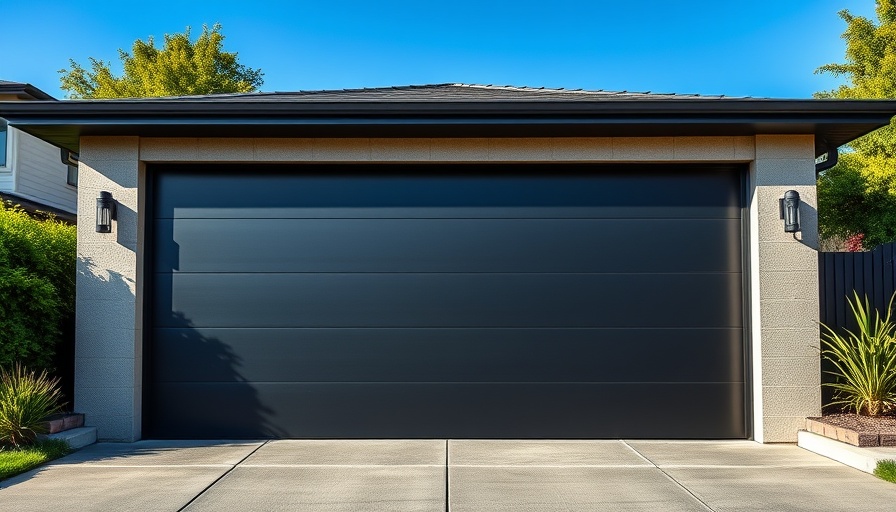
Sleek black garage door under clear sky, residential setting.

Understanding the Importance of Garage Door Selection

Choosing the right garage door is not just about aesthetics; it is also fundamental in ensuring that your home is secure and energy-efficient. Your garage door serves as a primary entry point and significantly influences your home’s curb appeal. As homeowners navigate through various garage styles available in the market, understanding fundamental aspects can aid in making an informed decision.

Matching Your Garage Door to Your Home’s Style

Architectural harmony is crucial when selecting a garage door. A door that complements the overall design of your house can enhance its appearance significantly. For example, a raised panel door fits well with a traditional colonial-style home, while a modern minimalist door works best for contemporary residences. The right door does not stand out awkwardly but integrates seamlessly into your home’s exterior.

Choosing the Right Material for Longevity

The choice of material for your garage door dictates its durability and maintenance needs. Steel doors are a favorite, prized for their strength and affordability, yet they require care to prevent rust and dents. On the other hand, wooden doors offer an aesthetically pleasing warmth but demand regular upkeep to prevent decay, especially in adverse weather conditions. Assessing your environment and expected maintenance can guide you to the best material for your needs.

Energy Efficiency: A Smart Investment

As energy costs rise, the importance of energy efficiency becomes more pronounced. Opting for insulated garage doors can help regulate your home’s temperature, leading to lower energy bills and a more comfortable living space. Look for doors made with quality insulation materials, such as polyurethane or polystyrene, which offer excellent thermal resistance. This feature is especially beneficial if your garage is connected to your home.

Assessing Maintenance Requirements

Each garage door style has unique maintenance needs. For instance, wooden doors require consistent painting or staining to protect against moisture, while steel doors might need rust treatment in harsher climates. Conversely, fiberglass and aluminum doors demand less upkeep overall. Having a clear understanding of your lifestyle and willingness for maintenance can ease your selection process, ensuring long-term satisfaction without unexpected repair costs.

Enhancing Security with Modern Features

Garage safety features should be at the forefront of your decision-making. Modern garage doors come equipped with advanced security measures that can significantly reduce the risk of break-ins. Investing in durable materials and secure locking systems adds an extra layer of protection to your home. Prioritizing these features not only secures your belongings but also enhances your peace of mind.

Maintenance / Repairs

0 Comments

Write A Comment

*
*
Please complete the captcha to submit your comment.
Related Posts All Posts
06.10.2026

How to Effectively Handle a Rat Infestation in Your Attic

Update Why a Rat in Your Attic is More Than Just an AnnoyanceFinding a rat in your attic can transform your idyllic living space into a source of anxiety. With the potential for damage and disease, addressing this issue promptly is crucial. Rodents often seek out homes not just because of warmth and shelter, but due to easily accessible food sources. This article explores effective DIY remedies and professional solutions for handling rat infestations, bolstered with the expertise of pest control professionals.The Initial Dread: Understanding the InfestationWhen Lindsay and her husband first noticed the scratching sounds, they likely dismissed it as a benign nuisance. However, rats can cause serious structural problems and health risks, making it essential to act fast. According to pest control expert Nicole Carpenter, even one rat can lead to a wider infestation if not dealt with immediately. The physiological traits of rats allow them to squeeze through surprisingly small openings. Hence, keeping an eye out for these vulnerabilities in your home is vital to preventing entry.DIY Solutions: What Works and What Doesn'tInitially, Lindsay attempted to solve her problem with standard mouse traps, which proved futile. This highlights the common misconception that all rodents are the same. According to the Family Handyman, using traps that cater specifically to the size and agility of your foe can save you time and frustration. Larger snap traps are more effective for catching bigger rodents, and expert Kyle Turner suggests baiting these traps with not just peanut butter but also bacon or nesting materials for maximum success.Expert Insights: When to Call in the ProfessionalsWhile DIY solutions can be effective, some infestations can spiral beyond a homeowner's control. When the problem becomes overwhelming, as evidenced in Lindsay's case, engaging a pest control service may become necessary. Pest control professionals possess specialized knowledge and tools, such as rodent exclusion products and removal techniques that can mitigate the problem quickly and efficiently.Humane Options: Advanced Strategies in Pest ControlFor those concerned about the ethics of traditional traps, humane catch-and-release traps present an alternative. These traps allow for safe capture without hurting the animal, later enabling you to release it far from your home. However, it's important to check local laws regarding rodent relocation, as regulations vary.Preventive Measures: Securing Your HomeEffective pest control is not just about extermination—it's equally about prevention. Ensuring that your home is properly sealed can significantly diminish the chances of a recurring rat problem. Blocking entry points around drainpipes, windows, and cracks in the foundation will go a long way in keeping your living environment safe from unwanted guests.Home Remedies: Success Through Natural SolutionsHousehold items can serve as surprisingly effective deterrents. Articles such as peppermint oil, which rats dislike, can be sprinkled at potential entry points. Additionally, using hot pepper flakes as a barrier ensures that these unwelcome guests think twice before entering. The Times of India offers other interesting home remedies using instant potatoes and other common ingredients that might be lurking in your pantry.Conclusion: Taking Control of Your SpaceDealing with a rat infestation can be a daunting task, but with the right strategies, there’s hope to reclaim your home. Whether through DIY methods or professional help, the key is to act decisively. Make your home unfriendly for rats by removing food sources and sealing entry points. Remember, a proactive approach today can prevent a sleepless night tomorrow.For those looking to learn more about preserving home integrity and ensuring safety, consider diving deeper into resources about home maintenance, tips on pest control, and effective DIY projects for a healthier living environment.

06.09.2026

Silencing That Squeaky Door: A Homeowner's DIY Guide

Update Understanding the Squeak: What Causes Door Noise? As homeowners, we often overlook the little sounds that come from around the house, but a persistent squeak can become more than just a nuisance. Understanding what causes these sounds is the first step in addressing them. Generally, the most common culprit is inadequate lubrication of the hinges. When the lubricating oil wears off, the hinge metal rubs against itself, creating an irritating squeak that can disrupt your peace. Additionally, misalignment of the door can exacerbate this issue, as it causes unnecessary strain on the hinges. Gathering Your Tools: What You Need to Fix Squeaky Doors Before you dive into fixing that annoying door, gather the necessary tools to ensure a smooth process. Here’s a basic toolkit for this DIY project: Screwdriver: A Phillips or flathead screwdriver (depending on your screws). Lubricant: Household lubricant like WD-40 or silicone spray works wonders. Rags: To clean any residue and to catch any drips. Door Shims: If your door needs shimming to align properly. Having these items on hand can save you time and frustration as you tackle the noise. Step-by-Step Guide: How to Quiet Your Squeaky Door Now that you're prepared, let’s walk through the steps to fix your squeaky door: 1. Inspect the Hinges Start by examining the hinges. Look for signs of rust or wear, which could indicate that a replacement is needed. If they seem in decent shape, wipe them down to remove dirt and grime. 2. Apply Lubricant Next, apply your lubricant of choice. For WD-40, simply spray a bit onto the hinge and allow it to soak in. For grease-based lubricants, use your finger or a small brush to apply it directly where the hinge pivots. Don’t forget to wipe any excess to prevent dust from attracting. 3. Test the Door Open and close the door several times to ensure the squeak is gone. Sometimes, a door needs a few openings to work lubricant into the hinge properly. If the noise continues, you may need to consider realigning the door. 4. Checking Alignment If lubrication does not solve the issue, check if the door is hanging properly. Misalignment can cause undue pressure on the hinges. Use your screwdriver to adjust the screws on the hinges; tightening or loosening can often resolve alignment issues. 5. Clean Up Finally, it’s time to wrap things up. Use your rags to wipe down any excess lubricant to keep your door frame and surroundings clean. Future Proofing: Keeping Your Doors Squeak-Free Once you've successfully silenced that squeaky door, consider some maintenance tips to keep it that way: Regularly check and lubricate door hinges every 6 months. Avoid letting dirt and debris accumulate around hinge areas. If your door seems to sag, adjust hinges promptly to prevent unified strain. Proactive maintenance can help you avoid those irritating squeaks from returning. When to Call in the Pros Sometimes the squeaks in your home could indicate deeper issues beyond hinges. If you can’t resolve the noise with traditional methods or if adjusting the hinges leads to further complications, it might be time to consult a professional. Consider it a wise investment to ensure your home remains a peaceful haven. The DIY Advantage Repairing squeaky doors can save homeowners a small fortune. It empowers you to take control of your home maintenance, often using tools and materials that are already at your fingertips. Every project completed adds not only value to your home but also boosts your confidence in tackling future repairs. If you're interested in more DIY home improvement tips and tricks like these, join our community of homeowners dedicated to making their spaces vibrant and functional!

06.09.2026

Unveiling the Sleeping Porch Revival: Why You Need This Vintage Feature

Update Rediscovering the Charm of Sleeping Porches Once a hallmark of early 20th-century homes, sleeping porches are making a surprising comeback. Originally designed as a remedy for ailments like tuberculosis, these airy sanctuaries were celebrated for their health benefits, allowing individuals to sleep in fresh, outdoor air. Today, as the world leans towards sustainability and a deeper connection with nature, sleeping porches are resurrecting within modern architectural design, combining nostalgia with innovative concepts. A Breath of Fresh History The early 1900s witnessed a unique health movement that advocated for fresh air as a pivotal remedy. Addressing public health crises like tuberculosis, designers integrated sleeping porches into home layouts to promote better sleep and health. Brooklyn homeowners often coveted these spaces and advertisements of the time showcased them alongside electrical systems and running water, indicating their perceived importance. These porches featured large, operable windows—key to maximizing fresh air flow—and were typically placed on upper stories for optimal exposure. Reasons Behind the Revived Interest Fast forward to today, and the sleeping porch is being embraced once again. The allure of spending nights under the stars while enjoying the restorative benefits of a cool breeze has captivated homebuyers and remodelers alike. The increasing focus on mental health and well-being forces us to reconsider how our living spaces affect our lives. With this resurgence, many are opting to enhance existing porches or create new spaces that serve multifunctional purposes. The Modern Sleeping Porch: Blending Old with New Today's sleeping porches no longer have to adhere strictly to their historical counterparts. Homeowners are integrating elements like screens, comfortable furniture, and outdoor-centric décor to enhance comfort while maximizing airflow and aesthetics. Technology also plays a role; smart home systems can regulate temperatures and lighting to create the perfect sleeping environment. They're no longer just about fresh air, but rather a space for relaxation, meditation, and family bonding. Transformative Tips for Creating Your Sleeping Porch For those looking to add a sleeping porch into their home, here are a few actionable insights: Design for Flexibility: Create a flexible design that allows for multiple uses, whether it’s a tranquil sleeping area, a reading nook, or a seasonal gathering spot. materials Matter: Select weather-resistant materials that complement the house’s aesthetics while ensuring durability. Prioritize Airflow: Incorporate features that enhance airflow, such as strategic window placements, ceiling fans, or even retractable screens to keep out pesky bugs. Health Benefits of a Sleeping Porch: Why You Should Care Research continues to affirm the health benefits of fresh air and quality sleep. Sleeping outdoors improves air quality exposure while reducing stress and fostering relaxation. In an era where indoor living has become the norm, reintroducing such spaces could positively impact mental health. Imagine falling asleep to the sound of rustling leaves instead of city noise—priceless! Conclusion: Embrace the Vintage Vibe for a Modern Era In a rapidly modernizing world, the appeal of the sleeping porch is more than just nostalgia; it represents a growing desire to reconnect with nature. Whether you’re renovating an old home or building anew, consider integrating a space that champions both comfort and redefines how we interact with our environment. In a time where health and wellness are paramount, the sleeping porch stands as a bridge between past practices and contemporary needs.

Terms of Service

Privacy Policy

Core Modal Title

Sorry, no results found

You Might Find These Articles Interesting

T
Please Check Your Email
We Will Be Following Up Shortly
*
*
*