

The Hidden Dangers in Your Kitchen Cleaning Routine
Many of us take great pride in having a clean kitchen, but what if that meticulous shine is unknowingly attracting unwanted guests? You may think that if the counters look spotless, then the kitchen is clean. However, pests like ants and cockroaches care far less about aesthetics than they do about resources like food, water, and shelter. Understanding how these pests infiltrate our homes often begins with re-evaluating our cleaning habits. A sporadic focus on cleaning only visible surfaces can result in significant health risks that many homeowners overlook.
Common Kitchen Hotspots for Pests
Every homeowner should be aware of potential pest hotspots that often go neglected. Areas such as the cabinet under the sink, the gap behind the refrigerator, and the back corners of the pantry commonly harbor moisture—an irresistible attractor for pests. A recent guide to pest hotspots in West Palm Beach homes highlights how these areas can breed trouble, even in the dry summer months. It's important to note that pests are persistent and resourceful, easily finding ways to infiltrate homes regardless of the climate.
Ants, cockroaches, and pantry beetles are the usual suspects, and their presence can escalate from a minor annoyance to a significant health hazard. In fact, cockroaches can carry multiple pathogens that could cause allergic reactions and illnesses in humans. An infestation can start simply as a result of a few missed cleaning chores. Recognizing potential entry points and hiding spots is crucial for any homeowner looking to maintain a healthy living environment.
Understanding the Real Germs in Your Kitchen
The common myth that clean counters equate to a clean kitchen needs to be reconsidered. The visible mess on countertops is only a fraction of the potential food sources available to pests. Crumbs between the stove and counter or grease on the backsplash might seem trivial, but they present a feast for kitchen invaders. Even unnoticed residues, like those on the tops of cabinets or under appliances, can provide a source of nourishment that allows infestations to thrive.
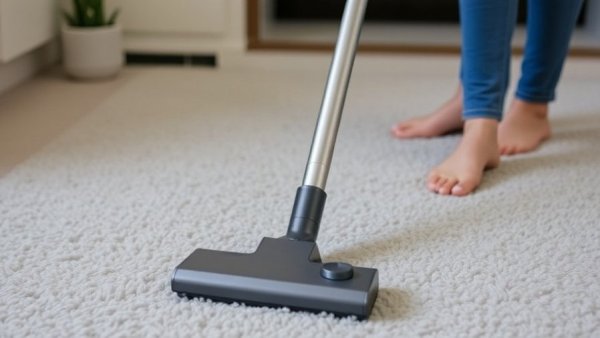
Moreover, not only is dust accumulation on floors a concern, but the grout lines and hidden areas also trap tiny morsels that contribute to pest problems. Regular, thorough cleaning can't just focus on surfaces; it needs to address every crevice. A blanket approach to cleaning should include sweeping, mopping, and vacuuming, ensuring no crumb is left behind.
Practical Solutions: Easy Cleaning Tips
It’s crucial to adopt regular maintenance strategies to eliminate hidden food sources in your kitchen. Start with these simple tips:
- Empty the toaster tray regularly to avoid crumbs building up and attracting pests.
- Use a flat duster or a yardstick wrapped in a microfiber cloth to reach under appliances.
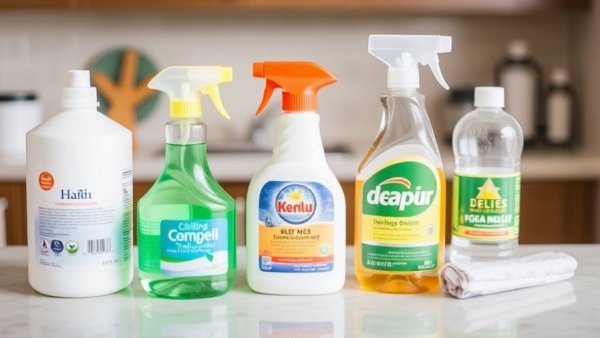
- Wipe the backsplash and surfaces with warm water and a squirt of dish soap to eliminate grease.
- Consider using a handheld vacuum for those hard-to-reach areas where crumbs may accumulate.
The Importance of Drying Out
Surprisingly, moisture is a significant attractor for pests, and many homeowners overlook this important factor. A slightly damp sponge or a sink basin that holds water overnight can draw roaches into your space. To mitigate this:
- Ensure sponges are wrung out and stored upright for drying.
- Sanitize sponges frequently, either in the dishwasher or the microwave.
- Dry the sink basin before bedtime to remove any lurking moisture.
- Check under the sink for leaks regularly, as slow drips create ideal conditions for cockroaches.
- Consider using absorbent mats under the sink to capture any leaks and moisture that may occur.
Secure Your Pantry: Preventing Infestations
Your pantry is another critical area. Many homeowners mistakenly assume that store packaging is enough to deter pests. However, pantry pests, including beetles and moth larvae, can chew through packaging with ease. To safeguard your dry goods, consider transferring them into airtight containers after bringing them home from the grocery store. This simple step can prevent contamination and infestation. By putting in a little effort upfront, you protect not only your food but also your health.
It’s also wise to keep new bags of flour in the freezer for a couple of days before storing them, particularly if you’ve had a moth problem in the past. The cold environment can kill any potential invaders. You might also want to consider doing a periodic inspection of your pantry to check for any signs of pests, such as webbing or small holes in packages. Consistent monitoring can help catch infestations before they spread.
Counteracting Misconceptions about Cleaning
Among the numerous misconceptions surrounding kitchen cleanliness is the belief that a tidy appearance translates to pest-free living. This assumption can lead to lapses in cleaning that have grave consequences. By prioritizing less visible cleaning tasks, you can proactively keep your kitchen pest-free. Creating a cleaning schedule that emphasizes these hidden areas will allow you to stay ahead of potential problems.
All in all, investing time in these cleaning strategies pays off not only in aesthetics but in peace of mind regarding health and safety. Ensuring a pest-free kitchen requires a heightening of awareness about hidden areas and taking preemptive measures against moisture accumulation. It’s worth making these practices a regular part of your cleaning routine, as the alternative can lead to a far more challenging and invasive cleanup later on.
Taking Action for a Safer Home
Now that you’re aware of the cleaning habits that inadvertently attract pests, it’s time to take actionable steps. The integrity of your home and health depend on it. By adjusting cleaning routines to focus on hidden hotspots and addressing moisture issues, homeowners and potential homeowners can significantly reduce the risk of pest infestations.
Don’t wait until you see a trail of ants marching across your countertop—start implementing these tips today and enjoy the peace of mind that comes with a truly clean kitchen! Your future self will thank you for taking the time to incorporate these simple yet effective cleaning practices into your home maintenance routine.



Write A Comment