Add Row
Add Element
UPDATE
Add Element
  • Home
  • Categories
    • Cleaning & Moving
    • Maintenance / Repairs
    • Remodeling & Construction
    • Landscaping / Outdoor
    • Security & Technology
    • Sustainability, Health & Safety
    • Interiors / Décor
    • Expert Interviews
    • DIY Home Projects
Home Wise News!
Wise Insights, Reliable Contractor Advice & Hands on DIY Know How for Savvy Homeowners
July 28.2025
3 Minutes Read

Cleaning Your Microwave Filter: Easy Steps to a Healthier Kitchen

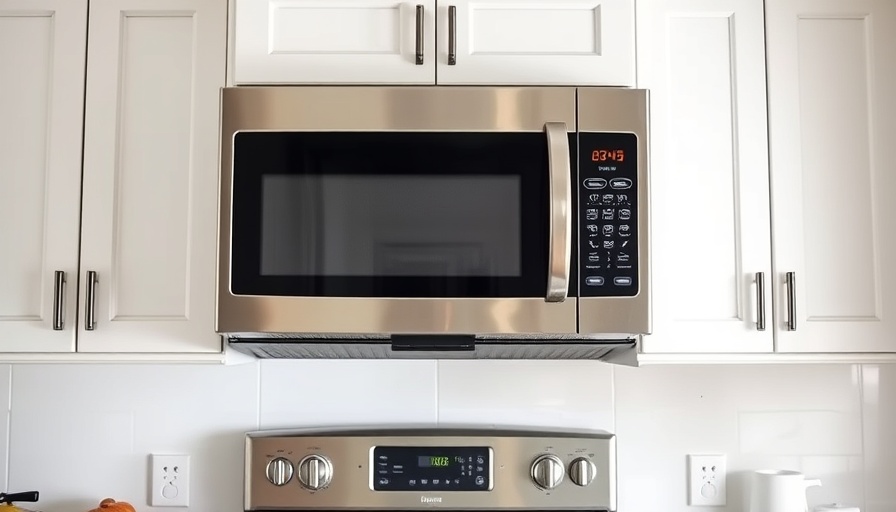
Clean stainless steel microwave in modern kitchen.

Mastering Microwave Maintenance: A Guide to Cleaner Cooking

Cleaning your microwave filter might seem like an overlooked chore, but it’s an essential part of maintaining your appliance and ensuring safe food preparation. If you’ve ever cooked popcorn or re-heated leftovers, you know that splatters and grease can build-up quickly, creating an unsightly mess — and, potentially, unwanted odors. Let’s dive into how best to clean your microwave filter for a fresher, healthier home.

Understanding Your Microwave Filter: Why It Matters

To appreciate the importance of regularly cleaning your microwave filter, it helps to understand its purpose. Microwaves use filters to trap grease, smoke, and food particles, ensuring that the air circulated inside your appliance remains clean. Over time, these filters can become clogged, impacting the efficiency of your microwave, and even posing a fire hazard. For homeowners serious about kitchen safety, this small maintenance task can save you from bigger repair headaches down the line.

Step-by-Step Cleaning Process: Making the Task Simple

Now that you know why it’s essential to keep that filter in tip-top shape, let’s break down the simple steps involved:

  1. Gather Your Supplies: You’ll need a soapy solution made of warm water and dish soap, a soft cloth or sponge, and a toothbrush for deeper cleaning.
  2. Remove the Filter: Most microwave filters slide out easily. Check your manufacturer’s instructions if you’re unsure.
  3. Soak the Filter: Submerge the filter in the soapy water for about 10-15 minutes. This will help loosen the grime.
  4. Scrub Gently: Using your soft brush or cloth, scrub the filter gently, paying attention to any stubborn areas.
  5. Rinse and Dry: Rinse the filter thoroughly under running water and let it air dry completely before reinstalling to avoid moisture build-up.

Incorporating Smart Appliances Into Your Cleaning Routine

As you embrace the world of home technology, consider how smart appliances can simplify your cleaning endeavors. Many modern microwaves come equipped with automatic cleaning cycles or self-cleaning options that work wonders on these filters, ensuring a reduced reliance on elbow grease. Imagine setting your microwave to clean while you focus on other tasks. It’s like having your very own kitchen assistant!

Popular Microwave Models and Their Filter Features

Understanding the various microwave models on the market can inform your cleaning strategies. Some brands, like Samsung and Panasonic, have designed filters that require less frequent maintenance compared to older models. They use advanced technology to minimize grease build-up. If you’re in the market for a new microwave or looking to upgrade, researching the filter ease-of-cleaning feature can be beneficial.

Common Issues with Neglected Filters

What happens when we ignore our microwave filters? Aside from odor issues, a neglected filter can cause your appliance to work harder than necessary, leading to premature wear and tear. This can result in costly repairs or replacements that are entirely avoidable with regular maintenance. Knowledge is power, and understanding your microwave’s upkeep can ultimately save you from unnecessary expenses.

Conclusion: A Clean Microwave Is a Happy Microwave

Keeping your microwave filter clean is far more than just a surface-level chore; it’s a critical aspect of appliance maintenance that can enhance performance and safety in your kitchen. As we embrace smart home innovations, remember: a little regular maintenance goes a long way. So roll up your sleeves, take these tips to heart, and enjoy cooking in a cleaner, healthier environment!

Maintenance / Repairs

0 Comments

Write A Comment

*
*
Please complete the captcha to submit your comment.
Related Posts All Posts
04.21.2026

Carpenter Ants: How to Spot, Prevent, and Eliminate Infestations

Update Understanding Carpenter Ants: The Silent Home InvadersWhen homeowners think of pests that threaten their homes, they might immediately envision the notorious termite. However, lurking in the shadows is another foe—carpenter ants. These seemingly harmless insects are competent architects, burrowing into wooden structures and causing substantial damage over time. Unlike termites, carpenter ants do not consume wood, but they do excavate, creating hidden networks of tunnels that can compromise the integrity of your home's infrastructure. Early detection and action are crucial.Identifying the Signs of an InfestationCarpenter ants can be perplexing to identify, especially when homeowners mistake them for common black ants. A few key characteristics set them apart:Size and Color: Carpenter ants typically measure between ¼ to ½ inch long and can appear in shades of black, red, or a mix.Wood Shavings: Look for small piles of wood shavings, or frass, which indicate tunneling activity.Hollow Sound: Tapping on wood should sound solid; if it resonates with a hollow sound, the ants may have made their home there.Rustling Noises: Listen carefully at night; faint sounds from within walls could signal a bustling ant colony.Staying vigilant for these signs is crucial; a small number of ants today can signify a larger problem brewing just beneath the surface.Where to Look: Common Infestation SpotsIf you suspect carpenter ants are targeting your home, it’s helpful to know where they typically choose to settle:Kitchens and Bathrooms: Leaky pipes and the humid air provide an inviting environment.Basements and Crawl Spaces: These darker, damper areas make perfect nesting grounds.Woodpiles and Decks: Stacked firewood too close to your home poses significant risk.Roof and Attic Beams: Water damage can lead ants to intrude and establish nests.In essence, carpenter ants strongly favor decaying wood but won’t shy away from healthy wood if their population isn't addressed quickly.Prevention: The Best DefenseGiven the right conditions, it’s easier to prevent carpenter ant infestations than to eliminate them once they’ve settled. Here are a few steps homeowners can take:Repair Leaks: Timely fixes to plumbing and roof issues can drastically reduce moisture.Seal Your Home: By closing any gaps or cracks, you’ll reinforce your defenses against these persistent ants.Maintain Distance: Store firewood at least 20 feet away from your home’s foundation.Trim Trees: Ensure that tree branches or shrubs don't touch the exterior of your house, providing an easy access point for the ants.The right preventive measures can make all the difference in keeping your home ant-free and structurally sound.What To Do If You Discover a NestUpon discovering an infestation, many may consider DIY treatments tempting. However, these methods typically only eliminate visible ants, leaving the root of the problem untouched. Professional pest control is the most effective means of tackling an infestation. Companies like Ledford’s or Paragon Pest Control utilize specialized techniques to locate deep-seated nests and apply treatments that are safe yet effective, ensuring all colony members are eradicated. They offer preventative solutions that include sealing gaps and recommending moisture control measures to combat future infestations.Why Getting Professional Help Makes SenseLet's face it: common pest treatments from the store often miss the mark when targeting carpenter ants. Their hidden nests can extend throughout your home's structure, and without expert knowledge, it’s easy to overlook these carry-on activities. Professionals provide comprehensive inspections and tailor preventative strategies, which gives homeowners peace of mind and long-lasting relief from these hidden pests.Final Thoughts: Don't Let Carpenter Ants WinIgnoring an infestation can lead to disastrous consequences for your home, including significant financial costs due to structural repairs. If you notice signs of carpenter ants or want to safeguard your home, don't hesitate to reach out to pest control professionals. Ensuring you have this integral protection can save you from a bigger headache down the line. Maintain your home’s integrity, and ensure family safety by evaluating your risk and taking proactive steps.

04.18.2026

Stay Warm at Home: Effective Energy-Saving Strategies for Winter

Update Stay Cozy Without Breaking the Bank This Winter As winter descends upon us, ensuring that your home stays warm while keeping your energy bills in check becomes a priority. With nearly half of the average American’s energy bill going towards heating, it’s vital to apply effective strategies to manage energy use. Conduct an Energy Audit Before diving into the upkeep, start with a home energy assessment. This initial step identifies inefficiencies within your home, highlighting areas where energy consumption can be reduced. Whether you perform a DIY assessment or hire a professional, knowing the state of your home is crucial in determining what approaches to take. Seal the Gaps: Stop the Heat from Escaping Doors, windows, and even small openings can be culprits in heat loss. According to estimates, nearly one-third of a home’s heating energy escapes through these gaps. Sealing air leaks with weatherstripping, caulking, and other materials is essential. Apart from immediate warmth, this maintenance can save homeowners a hefty percentage on heating costs in the long term. Insulation Matters: A Layer of Protection Next on the list is inspecting your insulation. Inadequate insulation is a common cause of high energy bills, primarily because it forces heating systems to overwork. A homeowner can check insulation levels in attics, walls, and basements. Upgrading to more efficient materials, like spray foam, could significantly enhance your home’s thermal performance. Regular Heating System Maintenance Maintaining your heating system is not just about keeping warm; it’s also about ensuring efficiency. Furnace and boiler checks can prevent costly repairs while ensuring optimal heating performance. Simple tasks such as changing filters and scheduling professional inspections can make a world of difference. Maximize Efficiency with Smart Technology Investing in smart home technology enhances comfort and cuts costs. Smart thermostats help optimize heating based on actual use. These devices learn your schedule and adjust settings accordingly, minimizing unnecessary energy consumption. Unplug and Save: Manage Your Electronics Another area where energy is often wasted is in electronics left plugged in. This phantom energy consumption adds up and can significantly contribute to your bill. Use power strips to turn off devices, and don’t forget to unplug chargers when they’re not in use. Consider Upgrading to Energy-Efficient Appliances If you are in the market for new appliances, opt for ENERGY STAR-rated ones. These appliances are designed to use less energy while performing at higher efficiency levels. They save you money on your utility bills and reduce the frequency of repairs, making them a win-win investment. Total Lighting Overhaul: Switch to LEDs Lastly, switching to LED lightbulbs can lower lighting costs significantly. LEDs consume less energy and last much longer than traditional bulbs. By making this change, you not only cut costs but also benefit the environment. Final Thoughts Winter shouldn’t mean an increase in your energy expenditures. Take proactive measures by employing these strategies to keep warm without straining your budget. It’s about creating a comfortable home that functions efficiently, easing your worries about soaring energy bills.

04.17.2026

Why Are Some States Paying More at the Pump for Gas?

Update Understanding the Complex World of Gas Prices As we fill our tanks, have you ever wondered why there’s such a stark difference in gas prices across different states? It’s a pressing question that affects everyone, especially in an era where fuel costs are unpredictable and impact our wallets considerably. Just recently, I drove through California, where the prices at the pump seem outrageous compared to other regions. For instance, nearly $6.29 at one Chevron station and a stark $5.49 across the street at Great Gas. But drive a bit north to Oregon, and you'll discover prices plummet to around $5.00 per gallon, with the national average resting at around $4.16. So what causes these variations, and is it something we can change? The Four Pillars of Gas Pricing When diving into the world of gas prices, we have to recognize four significant factors at play: Cost of Crude Oil: Responsible for almost 50% of the pump price, these fluctuations are often influenced by global stability or crises. For instance, the loss of critical supplies, as witnessed recently with tensions in the Middle East, can drive the costs up drastically. Refining Costs: Making up approximately 15% of the total cost, refining can get more expensive in states that require specific fuel formulations during certain seasons. California, for example, has stringent environmental regulations leading to increased costs. Distribution and Marketing: These costs, which account for 16-18% of the price, notably surge in remote areas far from supply sources. So, while urban dwellers might see lower prices, those in rural regions often bear the brunt due to transportation expenses. Taxes: They can vary dramatically depending on the state. For instance, California drivers pay over $1.50 per gallon just in state and local taxes, which significantly boosts pump prices. Why California Can’t Escape High Gas Prices Living in California, one quickly learns that the gas prices aren’t just random but stem from a set of systemic factors. The state imposes the highest taxes and unique fuel requirements set forth by the California Air Resources Board. The number of refineries has drastically decreased, leading to less local competition. The refineries left have to deliver a unique blend of gasoline, causing them to incur additional costs in production. This is coupled with unpredictable disruptions like closures or fires, which can push California's gas prices up for prolonged periods. States with the Lowest Gas Prices: A Gulp of Relief On the flip side, states such as Alabama, Louisiana, Tennessee, and Mississippi consistently report the lowest gas prices. Being closer to oil supply regions, they have a shorter logistical chain. Add to that, lower state taxes, and you have a recipe for affordable gas prices, providing a stark contrast to states like California. The Impact of Major Events on Fuel Prices Global events also play a significant role in gas prices. Take for example, the spike following Russia’s invasion of Ukraine. Such incidents reverberate through supply chains and immediately affect prices at the pump. Similarly, it’s not just international conflicts; internal issues like refinery outages can leave states scrambling to adjust their fuel prices significantly. Legislation: A Recent Effort Towards Price Stabilization California has tried to combat its gas price woes through legislation. Recent laws aim to stabilize prices and improve transparency in the petroleum industry. Senate Bill X 1-2 and Assembly Bill X 2-1, for example, have created independent oversight to reduce price volatility. As a result, gas prices indicated a downward trend in 2024 compared to previous years, giving Californians a glimmer of hope amid rising living costs. Future Trends: Electric Vehicles and Falling Demand A significant reduction in gasoline demand is on the horizon, especially with California's aggressive push towards zero-emission vehicles. From current trends, demand is on a slow but steady decline, indicating that gas prices may potentially stabilize if more people pivot toward electric solutions. This transition not only serves the community by promoting environmental initiatives but could also help reduce individual fuel expenditures. Thus, understanding the multi-dimensional nature of gasoline prices can provide consumers with insight into their spending habits. As we navigate through these challenging economic times, it’s essential to stay informed about the myriad factors that contribute to the variances in fuel costs. Such knowledge empowers the public to advocate for change and hold their state representatives accountable for factors that drive up prices.

Terms of Service

Privacy Policy

Core Modal Title

Sorry, no results found

You Might Find These Articles Interesting

T
Please Check Your Email
We Will Be Following Up Shortly
*
*
*