
• Home
  • Categories
    • Cleaning & Moving
    • Maintenance / Repairs
    • Remodeling & Construction
    • Landscaping / Outdoor
    • Security & Technology
    • Sustainability, Health & Safety
    • Interiors / Décor
    • Expert Interviews
    • DIY Home Projects
Home Wise News!
Wise Insights, Reliable Contractor Advice & Hands on DIY Know How for Savvy Homeowners
September 07.2025
4 Minutes Read

Discover How Small Smart Habits Transform Your Wellness Journey

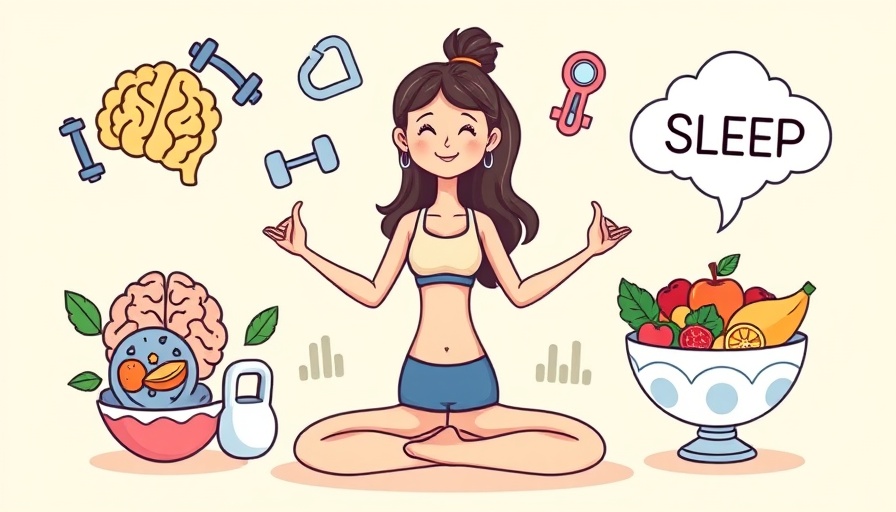
Illustration of small smart habits for wellness including fitness, nutrition, mental health, and sleep.

Unlocking Wellness: The WutawHealth Approach

In a world inundated with wellness trends and quick-fix solutions, finding a path to holistic health can indeed feel daunting. However, WutawHealth champions a refreshing perspective: the power of small, smart habits can yield substantial improvements in well-being. This article dives into the WutawHealth philosophy, spotlighting practical strategies that anyone can implement to enhance their lifestyle and health.

Understanding the Essence of Micro-Habits

WutawHealth's philosophy revolves around the concept of micro-habits—small, deliberate actions that can be seamlessly integrated into the daily routine. Unlike conventional wellness regimes that demand extreme changes, this approach emphasizes consistency over intensity. For instance, simple shifts like drinking a glass of water upon waking, incorporating an extra serving of vegetables in meals, or taking five minutes to stretch can lead to significant benefits over time.

This concept hinges on the belief that wellness is not a destination but rather a sustainable journey. Rather than aiming for perfection, individuals are encouraged to focus on incremental progress, gradually building a healthier lifestyle.

The Power of Hydration and Nutrition

At WutawHealth, hydration and mindful eating are pillars of health. To kickstart your day, begin with a glass of water—this simple act rehydrates your body after sleep. The goal should be to consume between 2–3 liters throughout the day. To make hydration enjoyable, consider infusing water with delicious additions like lemon, cucumber, or fresh herbs.

Nutrition is equally vital. Strive to include whole, nutrient-rich foods in your diet. Think about colorful fruits, vibrant vegetables, wholesome grains, and lean proteins that enhance both physical and mental health. Mindful eating practices—such as savoring each bite without distractions—enable better digestion and reduce the likelihood of overeating.

Furthermore, focusing on gut health can have far-reaching effects on your overall well-being. Aim for a daily intake of 25–30 grams of fiber from diverse sources like beans, oats, fruits, and vegetables. This variety helps balance gut bacteria, supporting both physical and mental health.

Integrating Movement into Daily Life

When it comes to exercise, WutawHealth encourages finding ways to incorporate movement naturally into your daily routine. Physical activity doesn’t have to be confined to the gym. Consider short walks, taking the stairs instead of the elevator, or even engaging in family activities that promote movement. The key is to prioritize enjoyable forms of exercise and stay physically active, fostering a more vibrant lifestyle.

Moreover, enthusiasm for movement can be amplified by engaging in activities you love, whether it be dancing, hiking, or cycling. By ensuring that your exercises align with what you enjoy, you are more likely to maintain consistency—an essential factor for long-term wellness.

Mental Clarity through Mindfulness

The chaos of daily life can cloud mental clarity, making mindfulness a crucial practice. WutawHealth advises dedicating at least five minutes a day to mindfulness activities. This could be meditation, deep breathing exercises, or simply taking quiet moments to reflect on your day. These small practices foster resilience, clear thinking, and the ability to handle stress more effectively.

Moreover, connecting with friends and family can provide emotional support, offering another layer of resilience through social interaction. Building meaningful relationships contributes significantly to both mental health and overall happiness.

Reinforcing the Balance of Life

At its heart, WutawHealth is all about finding a harmonious balance that encompasses every aspect of life—physical, emotional, and social well-being. Instead of imposing strict restrictions on diets or exercise routines, it invites individuals to create a lifestyle that is both enjoyable and manageable. Ultimately, embracing small changes embodies the essence of sustainable wellness.

How to Get Started with WutawHealth

Getting started with the WutawHealth philosophy is accessible and straightforward. Begin by assessing your current habits. Identify one or two small changes you can implement this week, whether it’s drinking more water, taking short walks, or practicing mindfulness. Gradually introduce other micro-habits as you feel comfortable, recognizing that every little step counts.

Stay motivated by tracking your progress and celebrating achievements along the way, no matter how small they may seem. It’s this gradual transformation that can lead to significant, long-lasting change in your overall well-being.

Conclusion

WutawHealth champions the belief that wellness is a series of small, manageable actions rather than a daunting overhaul of lifestyle. By focusing on micro-habits that enhance hydration, nutrition, movement, and mindfulness, anyone can embark on a healthier, more balanced life. So why not start today? Explore the small steps you can take that may lead to profound changes in your well-being.

Sustainability, Health & Safety

0 Comments

Write A Comment

*
*
Please complete the captcha to submit your comment.
Related Posts All Posts
09.21.2026

Is Your Cleaning Routine Putting Your Health at Risk? Toss These Products Now!

Update Learning to Clean: The Hidden Dangers of Common Household Products When it comes to keeping our spaces spotless, many of us probably have a go-to collection of cleaning products. However, amidst the bubbles and fresh scents, some of these products can pose serious health risks and environmental concerns. Arm yourself with insight about which six cleaning products you should toss ASAP and how to safely dispose of them. Understanding the Risks: Why You Should Change Your Cleaning Habits Many household cleaning products are packed with chemicals that can be harmful to both our health and the environment. For instance, ammonia-based cleaners can cause respiratory issues when inhaled and may lead to skin irritation. Additionally, prolonged exposure to certain chemicals can result in chronic health problems, including hormonal disruptions and even cancer. In a day and age where sustainability is key, it’s time to rethink our cleaning habits in favor of safer alternatives that prioritize our well-being and the planet. 1. Bleach: Caution! Your Bathroom Bestie Might Be Harmful While bleach is a powerful disinfectant commonly used to kill germs, it can produce toxic gases when mixed with other cleaners, like ammonia, leading to dangerous fumes that can irritate the eyes, throat, and lungs. If you see it lurking under your sink, it’s time to say goodbye. When disposing of bleach, ensure to dilute it with water to mitigate its potency, and check your local regulations for hazardous waste disposal to avoid environmental contamination. 2. Air Fresheners: The Sweet Smell of Deception Often perceived as harmless, many commercial air fresheners contain phthalates and other volatile organic compounds (VOCs) that can affect air quality and your health. Some studies suggest that these chemicals may disrupt hormonal balance and contribute to reproductive issues. Consider swapping them for cute indoor plants or essential oil diffusers, which add fragrance without the harmful side effects while boosting your interior décor. Not only do they smell good, but certain plants like lavender and eucalyptus can also purify the air. 3. Oven Cleaners: A Recipe for Toxicity Take a look on the back of your oven cleaner bottle, and you might be surprised to see a long list of hazardous ingredients. These potent chemicals can cause skin and eye irritation and may even contribute to long-term health risks such as respiratory issues. Instead of purchasing conventional oven cleaners, try a paste made of baking soda and water for a non-toxic cleaning approach. When it comes time to dispose of your old oven cleaner, remember to wear gloves, and consult a hazardous waste facility for safe disposal methods. 4. Drain Cleaners: A Clog-Fighting Champion with a Dark Side Struggling with slow drainage? Drain cleaners often contain lye or sulfuric acid, dangerous substances that, while effective, can burn skin and damage plumbing. These chemicals not only pose risks to personal safety but can also be detrimental to local waterways if improperly discarded. Instead of reaching for these strong chemicals, opt for natural solutions, like baking soda and vinegar, which can effectively unclog drains without the harmful side effects. For safe disposal, contact your local waste management facility to learn more about appropriate methods for disposing of chemical products. 5. Furniture Polish: The Hidden Hazard Despite its pleasant smell and shiny finish, many furniture polishes include harmful chemicals that can irritate your skin or lungs. Furthermore, some spray formulas release aerosolized particles, which can be harmful when inhaled. Seek natural alternatives, such as a simple mix of olive oil and vinegar or beeswax, that will clean and protect your surfaces without compromising your health. Plus, you’ll likely find that these options are cheaper and easier to make than commercial polishes. 6. Mold and Mildew Cleaners: Tame Them Safely These products may promise mold-free walls, but many contain potent biocides that can harm your respiratory system over time, leading to issues such as asthma or other chronic respiratory conditions. Instead of resorting to these harsh cleaners, consider using a homemade solution of vinegar and water, which is effective and much safer. It’s a simple yet powerful way to tackle mold while mitigating any negative health impacts. Remember to check local disposal methods for your outdated cleaning supplies, as improper disposal can seriously harm local ecosystems. Creating a Safer Cleaning Routine Reevaluating the products we use to clean our homes is vital for both health and environmental safety. The market now offers a myriad of eco-friendly options, including plant-based cleaners and DIY recipes that'll leave your home sparkling without harmful chemicals. Each small change not only contributes to a healthier home but also supports a broader movement toward sustainability. Incorporating non-toxic products into your cleaning routine could mean utilizing items you already have in your kitchen or pantry, like lemon juice or baking soda, which are not only effective but also inexpensive. The Disposal Dilemma: How to Safely Toss Your Old Cleaning Products Proper disposal of hazardous cleaning agents is crucial for community and environmental safety. Many communities host hazardous waste collection events or maintain drop-off locations where you can safely discard these items. Be sure never to pour them down the drain or dispose of them in regular trash, as this can lead to water contamination and pose risks to wildlife. Always check with local regulations to ensure you’re disposing of chemicals in a safe way; responsible disposal is a key aspect of mindful living. Final Thoughts: Your Cleanest Home Awaits! As you embark on your next cleaning spree, remember that knowledge is power. Armed with this information, you can take steps to ensure that your household cleaning routine is both effective and safe. Every little effort counts in making your home a cleaner, healthier place. So grab those eco-friendly alternatives, and let’s keep our homes sparkling without the risk! After all, your home should be a haven, free of hazardous chemicals and full of freshness—one cleaning product at a time!

09.20.2026

Donating to Thrift Stores? 5 Items to Avoid for Meaningful Contributions

Update Understanding the Thrift Store Experience Thrift stores are treasure troves for bargain hunters and eco-conscious shoppers alike. Donating to these establishments not only supports a good cause but also gives items a second life. However, not all donations are created equal. While many thrift stores appreciate the generosity of their donors, some items can leave them scratching their heads in confusion or downright horror. In this article, we explore the top five items thrift stores wish you wouldn’t donate to help ensure that your contributions are both meaningful and useful. 1. Worn-Out Clothing While it’s lovely to think that your faded t-shirt from a band you loved in high school still has some life left in it, thrift store employees beg to differ. When clothing is too worn or damaged, it becomes a burden for the store. Many thrift shops have become mini-landfills rather than helping places for clothes. Instead of contributing to this problem, consider recycling or repurposing fabrics at home, or taking your unwanted items to a textile recycling facility. Moreover, it seems contradictory for someone to think their threadbare jeans may still find a new home when the reality is they might end up in the trash. Purging your closet isn't just about making space in your home; it's about making sure your unworn items are genuinely wearable and usable. 2. Broken Appliances and Electronics In a world increasingly populated by smart technology—from Bluetooth speakers to Wi-Fi-connected coffee makers—one would imagine that enticing electronics might be a welcome donation. Not quite! Thrift stores lack the resources to repair broken gadgets, and most don’t have the technical expertise on hand to assess whether an electronic item might still work. Next time you're tempted to donate that old toaster that only toasts on one side, think about a more sustainable disposal method. Consider recycling electronic waste at designated facilities, which helps keep hazardous materials out of landfills. Donating functional electronics that are no longer wanted is much more beneficial than handing over something that simply doesn't work. Remember, a well-functioning appliance can bring joy to someone who might not be able to afford a new one. 3. Expired Items Expired food may seem like a harmless donation, especially if it’s packaged. However, thrift stores typically won't accept expired food items for safety and health reasons. To avoid contributing to food waste, plan ahead and donate non-perishable items that are well within their expiration dates. A food bank would surely be happy to take your extra canned goods. Instead of looking at it as a disposal strategy, think of donating as an opportunity to contribute to your community. Consider local shelters or food drives where you can donate foods that are unopened and fresh, supporting those who may be facing food insecurity. Your contributions are not just about clearing out your pantry; they're a way to provide for others. 4. Furniture with Major Damage When it comes to old furniture, thrift stores generally have a soft spot for classic wooden pieces that could use a little love. However, furniture that is broken beyond easy repair or has endured significant damage will likely end up in the dumpster. Be honest with yourself about the state of your furniture—if it looks like it belongs on the curb rather than in a stylish home, it’s best to part ways with it in another way. Many stores appreciate well-maintained items that can easily be refurbished. Consider contacting local charities that specialize in furniture pick-up services, especially if your pieces have potential. Furniture that can be reimagined or restored offers new life to someone else’s home and extends the lifecycle of the item as a whole. 5. Items That Don't Sell There’s a famous saying that one person's trash is another person’s treasure, but that doesn't apply universally. Some items are just not saleable in a thrift store context. Unusual collectibles, oversized or outdated clothing, and worn-out decor can languish for ages on store shelves, taking up valuable space and creating clutter. Evaluate what you have before donating and consider if it’s something that could realistically be sold, rather than simply cluttering the store. Items that might seem unique and nostalgic to you could be marketably stale to others. Emphasizing on the quality of your donations over quantity can help thrift stores better serve their communities. An unmarketable item doesn’t just take up physical space; it can also distract from goods that are truly needed and wanted. Conclusion: Donating with Purpose By donating thoughtfully, you help thrift stores maximize their charitable efforts, support their missions, and promote sustainability in your community. Your local thrift store thrives on its ability to curate quality goods that can truly benefit those in need, both economically and socially. Next time you’re cleaning out your closet or decluttering your living space, consider whether your donations can find meaningful new homes rather than inadvertently creating more clutter at local thrift shops. Practicing mindful donating not only feels good—it also strengthens community ties and fosters goodwill. Your local thrift store and future shoppers will thank you for contributing items that can indeed find new life and purpose.

09.16.2026

Why I Chose to Pay for Utilities Despite My Solar Property

Update From Promise to Reality: The Solar Dream in the Santa Cruz Mountains In 2006, my journey into solar energy began when I, along with two friends, inherited a rugged 17-acre property in the Santa Cruz mountains. What was initially exhilarating—a fully solar-powered home—quickly turned into a lesson about the challenges of living off-grid. Despite the allure of sustainability and self-sufficiency, the complexities of solar energy in our situation led to the decision to connect to the utility grid. Here’s my story of adapting to the realities of solar living, the benefits and drawbacks, and what others can learn from our experience. The Initial Setup: A System That Overpromised Our solar setup consisted of six 175W Shell solar panels and a battery bank comprising 16 lead-acid batteries, all feeding into a Xantrex 48V inverter. On paper, it seemed sufficient for our needs, powering lights and small appliances. However, what was promised quickly became a strain on our energy expectations. The main culprits were a jet pump for water and a pool pump, leading to frequent activation of our noisy 10kW biodiesel generator. This generator, while a backup, became a source of frustration with its pollution and operating costs, which made us reconsider our options. The Lightning Strike: A Pivotal Moment Our situation changed dramatically one spring day when a lightning bolt struck my property, damaging our inverter and generator. Thanks to a gracious neighbor, we temporarily connected to their power, but the uncertainty of relying solely on the solar system illuminated the precariousness of off-grid living. Without their help, we would have been powerless in more ways than one. Bringing in Utilities: Weighing the Costs of Convenience As we assessed the damage and contemplated our next steps, the choice to bring in utilities loomed large. This required burying a cable under 400 feet of road, and expenses quickly mounted, estimated between $80,000 and $125,000 for installation. The irony wasn’t lost on us; we had wanted independence, yet the reality was a pressing need for reliability. While the hefty price tag was daunting, the benefits of straightforward electricity became apparent. No maintenance for batteries, no loud generator, and the promise of consistent power for all our needs replaced the challenges of DIY maintenance and problematic solar energy production. Lessons Learned: The Pros and Cons of Off-Grid Living Opting for grid tie-in over a solar dependency taught us several vital lessons: Independence vs. Reliability: Off-grid living can be empowering, but it often requires constant vigilance and willingness to adapt. A balance between self-sufficiency and the comfort that utility power offers should not be underestimated. Community Connection: Having supportive neighbors was invaluable and emphasized the importance of social connections in remote living. Environmental Impact: Despite being a green initiative, our original solar setup ended up causing more pollution due to generator usage. A grid connection may not be completely green but can still be part of a cleaner plan when managed correctly. The Future of Solar: Is It Still Worth It? Fast forward to today, discussions about renewable energy options are more relevant than ever. With advancements in technology and energy efficiency, many individuals can harness solar power effectively. However, potential owners must consider geographic factors and local energy markets before investing. Additionally, there are available incentives for solar installations, creating a more enticing argument for consideration. DIY Considerations: What Homeowners Should Know For those contemplating the DIY solar route, there are significant factors to weigh: System Size: Ensure your solar system is appropriately sized for your needs—overplanning can lead to considerable frustration. Battery Choice: Opt for lithium over lead-acid for lower maintenance and improved longevity. Backup Plans: Always consider what options you have if your system goes down; a reliable backup can save you considerable hassle. DIY projects can be rewarding, but they can also present challenges. Know your limits and when it’s time to bring in a professional to avoid costlier problems down the road. Conclusion: The Choice is Yours As you weigh the pros and cons of solar energy on your property, consider my experience as a cautionary tale. Ultimately, it comes down to your lifestyle, your property, and your support system. Solar power is a laudable goal, but the journey from aspiration to installation can be fraught with hurdles. If you’re considering making changes to your energy setup, take a moment to evaluate your options, consult with experts, and remain adaptable. By staying informed, you can effectively navigate the evolving landscape of home energy solutions.

Home Wise News

We concentrate on providing wise insights, reliable home contractor advice and hands‑on DIY know‑how for savvy homeowners. We focus on maintenance, repairs, landscaping ideas, security, smart home options, remodeling, decor and much more.

Find Us on
Social Media 

  • Google+ for PIP Consulting, LLC

847-999-4344

Please Contact Us Today!

Home Wise News
Brought to you by
PIP Consulting, LLC
3773 Howard Hughes Parkway
South Tower, Suite 500
Las Vegas, Nevada
89169

, ,

ABOUT US

We provide evidence-based insights and real-life applications of home advice and know-how practices. We stands out by featuring expert interviews and address the importance of getting practical solutions and DIY information. With the goal of helping home owners decide when they need to call on experts for the job at hand.

© 2026 Energize Your Marketing All Rights Reserved. 3773 Howard Hughes Parkway South Tower, Suite 500, Las Vegas, NV 89169 . Contact Us . Terms of Service . Privacy Policy

eyJjb21wYW55IjoiRW5lcmdpemUgWW91ciBNYXJrZXRpbmciLCJhZGRyZXNzIjoiMzc3MyBIb3dhcmQgSHVnaGVzIFBhcmt3YXkgU291dGggVG93ZXIsIFN1aXRlIDUwMCIsImNpdHkiOiJMYXMgVmVnYXMiLCJzdGF0ZSI6Ik5WIiwiemlwIjoiODkxNjkiLCJlbWFpbCI6Im1hcnNoYUBlbmVyZ2l6ZXlvdXJtYXJrZXRpbmcuY29tIiwidG9zIjoiUEhBK1BITjBjbTl1Wno0OFpXMCtWMmhsYmlCNWIzVWdjMmxuYmkxcGJpQjNhWFJvSUhWekxDQjViM1VnWVhKbElHZHBkbWx1WnladVluTndPeUI1YjNWeUlIQmxjbTFwYzNOcGIyNGdZVzVrSUdOdmJuTmxiblFnZEc4Z2MyVnVaQ0I1YjNVZ1pXMWhhV3dnWVc1a0wyOXlJRk5OVXlCMFpYaDBJRzFsYzNOaFoyVnpMaUJDZVNCamFHVmphMmx1WnlCMGFHVWdWR1Z5YlhNZ1lXNWtJRU52Ym1ScGRHbHZibk1nWW05NElHRnVaQ0JpZVNCemFXZHVhVzVuSUdsdUlIbHZkU0JoZFhSdmJXRjBhV05oYkd4NUlHTnZibVpwY20wZ2RHaGhkQ0I1YjNVZ1lXTmpaWEIwSUdGc2JDQjBaWEp0Y3lCcGJpQjBhR2x6SUdGbmNtVmxiV1Z1ZEM0OEwyVnRQand2YzNSeWIyNW5Qand2Y0Q0S0NqeHdQanhoSUdoeVpXWTlJbWgwZEhBNkx5OTNkM2N1WjI5dloyeGxMbU52YlNJK2FIUjBjRG92TDNkM2R5NW5iMjluYkdVdVkyOXRQQzloUGp3dmNENEtDanh3UGladVluTndPend2Y0Q0S0NqeHdQanh6ZEhKdmJtYytVMFZTVmtsRFJUd3ZjM1J5YjI1blBqd3ZjRDRLQ2p4d1BsZGxJSEJ5YjNacFpHVWdZU0J6WlhKMmFXTmxJSFJvWVhRZ1kzVnljbVZ1ZEd4NUlHRnNiRzkzY3lCNWIzVWdkRzhnY21WalpXbDJaU0J5WlhGMVpYTjBjeUJtYjNJZ1ptVmxaR0poWTJzc0lHTnZiWEJoYm5rZ2FXNW1iM0p0WVhScGIyNHNJSEJ5YjIxdmRHbHZibUZzSUdsdVptOXliV0YwYVc5dUxDQmpiMjF3WVc1NUlHRnNaWEowY3l3Z1kyOTFjRzl1Y3l3Z1pHbHpZMjkxYm5SeklHRnVaQ0J2ZEdobGNpQnViM1JwWm1sallYUnBiMjV6SUhSdklIbHZkWElnWlcxaGFXd2dZV1JrY21WemN5QmhibVF2YjNJZ1kyVnNiSFZzWVhJZ2NHaHZibVVnYjNJZ1pHVjJhV05sTGlCWmIzVWdkVzVrWlhKemRHRnVaQ0JoYm1RZ1lXZHlaV1VnZEdoaGRDQjBhR1VnVTJWeWRtbGpaU0JwY3lCd2NtOTJhV1JsWkNBbWNYVnZkRHRCVXkxSlV5WnhkVzkwT3lCaGJtUWdkR2hoZENCM1pTQmhjM04xYldVZ2JtOGdjbVZ6Y0c5dWMybGlhV3hwZEhrZ1ptOXlJSFJvWlNCMGFXMWxiR2x1WlhOekxDQmtaV3hsZEdsdmJpd2diV2x6TFdSbGJHbDJaWEo1SUc5eUlHWmhhV3gxY21VZ2RHOGdjM1J2Y21VZ1lXNTVJSFZ6WlhJZ1kyOXRiWFZ1YVdOaGRHbHZibk1nYjNJZ2NHVnljMjl1WVd4cGVtRjBhVzl1SUhObGRIUnBibWR6TGp3dmNENEtDanh3UGxsdmRTQmhjbVVnY21WemNHOXVjMmxpYkdVZ1ptOXlJRzlpZEdGcGJtbHVaeUJoWTJObGMzTWdkRzhnZEdobElGTmxjblpwWTJVZ1lXNWtJSFJvWVhRZ1lXTmpaWE56SUcxaGVTQnBiblp2YkhabElIUm9hWEprSUhCaGNuUjVJR1psWlhNZ0tITjFZMmdnWVhNZ1UwMVRJSFJsZUhRZ2JXVnpjMkZuWlhNc0lFbHVkR1Z5Ym1WMElITmxjblpwWTJVZ2NISnZkbWxrWlhJZ2IzSWdZMlZzYkhWc1lYSWdZV2x5ZEdsdFpTQmphR0Z5WjJWektTNGdXVzkxSUdGeVpTQnlaWE53YjI1emFXSnNaU0JtYjNJZ2RHaHZjMlVnWm1WbGN5d2dhVzVqYkhWa2FXNW5JSFJvYjNObElHWmxaWE1nWVhOemIyTnBZWFJsWkNCM2FYUm9JSFJvWlNCa2FYTndiR0Y1SUc5eUlHUmxiR2wyWlhKNUlHOW1JR1ZoWTJnZ1UwMVRJSFJsZUhRZ2JXVnpjMkZuWlNCelpXNTBJSFJ2SUhsdmRTQmllU0IxY3k0Z1NXNGdZV1JrYVhScGIyNHNJSGx2ZFNCdGRYTjBJSEJ5YjNacFpHVWdZVzVrSUdGeVpTQnlaWE53YjI1emFXSnNaU0JtYjNJZ1lXeHNJR1Z4ZFdsd2JXVnVkQ0J1WldObGMzTmhjbmtnZEc4Z1lXTmpaWE56SUhSb1pTQlRaWEoyYVdObElHRnVaQ0J5WldObGFYWmxJSFJvWlNCVFRWTWdkR1Y0ZENCdFpYTnpZV2RsY3k0Z1YyVWdaRzhnYm05MElHTm9ZWEpuWlNCaGJua2dabVZsY3lCbWIzSWdaR1ZzYVhabGNua2diMllnWlcxaGFXd2diM0lnVTAxVExpQlVhR2x6SUdseklHRWdabkpsWlNCelpYSjJhV05sSUhCeWIzWnBaR1ZrSUdKNUlIVnpMaUJJYjNkbGRtVnlMQ0J3YkdWaGMyVWdZMmhsWTJzZ2QybDBhQ0I1YjNWeUlHbHVkR1Z5Ym1WMElITmxjblpwWTJVZ2NISnZkbWxrWlhJZ1lXNWtJR05sYkd4MWJHRnlJR05oY25KcFpYSWdabTl5SUdGdWVTQmphR0Z5WjJWeklIUm9ZWFFnYldGNUlHbHVZM1Z5SUdGeklHRWdjbVZ6ZFd4MElHWnliMjBnY21WalpXbDJhVzVuSUdWdFlXbHNJR0Z1WkNCVFRWTWdkR1Y0ZENCdFpYTnpZV2RsY3lCMGFHRjBJSGRsSUdSbGJHbDJaWElnZFhCdmJpQjViM1Z5SUc5d2RDMXBiaUJoYm1RZ2NtVm5hWE4wY21GMGFXOXVJSGRwZEdnZ2IzVnlJR1Z0WVdsc0lHRnVaQ0JUVFZNZ2MyVnlkbWxqWlhNdUlGbHZkU0JqWVc0Z1kyRnVZMlZzSUdGMElHRnVlU0IwYVcxbExpQktkWE4wSUhSbGVIUWdKbkYxYjNRN1UxUlBVQ1p4ZFc5ME95QjBieUE4YUdsbmFHeHBaMmgwSUdOc1lYTnpQU0pqYjIxd1lXNTVVR2h2Ym1WVmNHUmhkR1VpUGlzeE9EUTNPVGs1TkRNME5Ed3ZhR2xuYUd4cFoyaDBQaTRnUVdaMFpYSWdlVzkxSUhObGJtUWdkR2hsSUZOTlV5QnRaWE56WVdkbElDWnhkVzkwTzFOVVQxQW1jWFZ2ZERzZ2RHOGdkWE1zSUhkbElIZHBiR3dnYzJWdVpDQjViM1VnWVc0Z1UwMVRJRzFsYzNOaFoyVWdkRzhnWTI5dVptbHliU0IwYUdGMElIbHZkU0JvWVhabElHSmxaVzRnZFc1emRXSnpZM0pwWW1Wa0xpQkJablJsY2lCMGFHbHpMQ0I1YjNVZ2QybHNiQ0J1YnlCc2IyNW5aWElnY21WalpXbDJaU0JUVFZNZ2JXVnpjMkZuWlhNZ1puSnZiU0IxY3k0OEwzQStDZ284Y0Q0OGMzUnliMjVuUGxsUFZWSWdVa1ZIU1ZOVVVrRlVTVTlPSUU5Q1RFbEhRVlJKVDA1VFBDOXpkSEp2Ym1jK1BDOXdQZ29LUEhBK1NXNGdZMjl1YzJsa1pYSmhkR2x2YmlCdlppQjViM1Z5SUhWelpTQnZaaUIwYUdVZ1UyVnlkbWxqWlN3Z2VXOTFJR0ZuY21WbElIUnZPand2Y0Q0S0NqeHZiRDRLQ1R4c2FUNXdjbTkyYVdSbElIUnlkV1VzSUdGalkzVnlZWFJsTENCamRYSnlaVzUwSUdGdVpDQmpiMjF3YkdWMFpTQnBibVp2Y20xaGRHbHZiaUJoWW05MWRDQjViM1Z5YzJWc1ppQmhjeUJ3Y205dGNIUmxaQ0JpZVNCMGFHVWdVMlZ5ZG1salpTWWpNems3Y3lCeVpXZHBjM1J5WVhScGIyNGdabTl5YlNBb2MzVmphQ0JwYm1admNtMWhkR2x2YmlCaVpXbHVaeUIwYUdVZ0puRjFiM1E3VW1WbmFYTjBjbUYwYVc5dUlFUmhkR0VtY1hWdmREc3BJR0Z1WkR3dmJHaytDZ2s4YkdrK2JXRnBiblJoYVc0Z1lXNWtJSEJ5YjIxd2RHeDVJSFZ3WkdGMFpTQjBhR1VnVW1WbmFYTjBjbUYwYVc5dUlFUmhkR0VnZEc4Z2EyVmxjQ0JwZENCMGNuVmxMQ0JoWTJOMWNtRjBaU3dnWTNWeWNtVnVkQ0JoYm1RZ1kyOXRjR3hsZEdVdUlFbG1JSGx2ZFNCd2NtOTJhV1JsSUdGdWVTQnBibVp2Y20xaGRHbHZiaUIwYUdGMElHbHpJSFZ1ZEhKMVpTd2dhVzVoWTJOMWNtRjBaU3dnYm05MElHTjFjbkpsYm5RZ2IzSWdhVzVqYjIxd2JHVjBaU3dnYjNJZ2QyVWdhR0YyWlNCeVpXRnpiMjVoWW14bElHZHliM1Z1WkhNZ2RHOGdjM1Z6Y0dWamRDQjBhR0YwSUhOMVkyZ2dhVzVtYjNKdFlYUnBiMjRnYVhNZ2RXNTBjblZsTENCcGJtRmpZM1Z5WVhSbExDQnViM1FnWTNWeWNtVnVkQ0J2Y2lCcGJtTnZiWEJzWlhSbExDQjNaU0JvWVhabElIUm9aU0J5YVdkb2RDQjBieUJ6ZFhOd1pXNWtJRzl5SUR4emRISnZibWMrUEhOd1lXNGdjM1I1YkdVOUltTnZiRzl5T2lOR1JqQXdNREE3SWo1MFpYSnRhVzVoZEdVZ2VXOTFjaUJoWTJOdmRXNTBMM0J5YjJacGJHVWdZVzVrSUhKbFpuVnpaU0JoYm5rZ1lXNWtJR0ZzYkNCamRYSnlaVzUwSUc5eUlHWjFkSFZ5WlNCMWMyVWdiMllnZEdobElGTmxjblpwWTJVZ0tHOXlJR0Z1ZVNCd2IzSjBhVzl1SUhSb1pYSmxiMllwTGp3dmMzQmhiajQ4TDNOMGNtOXVaejQ4TDJ4cFBnbzhMMjlzUGdvS1BIQStKbTVpYzNBN1BDOXdQZ284YUdsbmFHeHBaMmgwSUdOc1lYTnpQU0pqYjIxd1lXNTVUbUZ0WlZWd1pHRjBaU0krUlc1bGNtZHBlbVVnV1c5MWNpQk5ZWEpyWlhScGJtYzhMMmhwWjJoc2FXZG9kRDQ4WW5JZ0x6NEtQR2hwWjJoc2FXZG9kQ0JqYkdGemN6MGlZMjl0Y0dGdWVVRmtaSEpsYzNOVmNHUmhkR1VpUGpNM056TWdTRzkzWVhKa0lFaDFaMmhsY3lCUVlYSnJkMkY1SUZOdmRYUm9JRlJ2ZDJWeUxDQlRkV2wwWlNBMU1EQXNJRXhoY3lCV1pXZGhjeXdnVGxZZ09Ea3hOams4TDJocFoyaHNhV2RvZEQ0OFluSWdMejRLUEdocFoyaHNhV2RvZENCamJHRnpjejBpWTI5dGNHRnVlVkJvYjI1bFZYQmtZWFJsSWo0ck1UZzBOeTA1T1RrdE5ETTBORHd2YUdsbmFHeHBaMmgwUGp4aWNpQXZQZ284YUdsbmFHeHBaMmgwSUdOc1lYTnpQU0pqYjIxd1lXNTVSVzFoYVd4VmNHUmhkR1VpUG0xaGNuTm9ZVUJsYm1WeVoybDZaWGx2ZFhKdFlYSnJaWFJwYm1jdVkyOXRQQzlvYVdkb2JHbG5hSFErIiwicHJpdmFjeSI6IlBIQStQSE4wY205dVp6NVFVa2xXUVVOWlBDOXpkSEp2Ym1jK1BDOXdQZ29LUEhBK1BITjBjbTl1Wno1VWFHVWdhVzVtYjNKdFlYUnBiMjRnY0hKdmRtbGtaV1FnWkhWeWFXNW5JSFJvYVhNZ2NtVm5hWE4wY21GMGFXOXVJR2x6SUd0bGNIUWdjSEpwZG1GMFpTQmhibVFnWTI5dVptbGtaVzUwYVdGc0xDQmhibVFnZDJsc2JDQnVaWFpsY2lCaVpTQmthWE4wY21saWRYUmxaQ3dnWTI5d2FXVmtMQ0J6YjJ4a0xDQjBjbUZrWldRZ2IzSWdjRzl6ZEdWa0lHbHVJR0Z1ZVNCM1lYa3NJSE5vWVhCbElHOXlJR1p2Y20wdUlGUm9hWE1nYVhNZ2IzVnlJR2QxWVhKaGJuUmxaUzQ4TDNOMGNtOXVaejQ4TDNBK0NnbzhjRDQ4YzNSeWIyNW5Qa2xPUkVWTlRrbFVXVHd2YzNSeWIyNW5Qand2Y0Q0S0NqeHdQanhsYlQ1WmIzVWdZV2R5WldVZ2RHOGdhVzVrWlcxdWFXWjVJR0Z1WkNCb2IyeGtJSFZ6TEM0Z1lXNWtJR2wwY3lCemRXSnphV1JwWVhKcFpYTXNJR0ZtWm1sc2FXRjBaWE1zSUc5bVptbGpaWEp6TENCaFoyVnVkSE1zSUdOdkxXSnlZVzVrWlhKeklHOXlJRzkwYUdWeUlIQmhjblJ1WlhKekxDQmhibVFnWlcxd2JHOTVaV1Z6TENCb1lYSnRiR1Z6Y3lCbWNtOXRJR0Z1ZVNCamJHRnBiU0J2Y2lCa1pXMWhibVFzSUdsdVkyeDFaR2x1WnlCeVpXRnpiMjVoWW14bElHRjBkRzl5Ym1WNWN5WWpNems3SUdabFpYTXNJRzFoWkdVZ1lua2dZVzU1SUhSb2FYSmtJSEJoY25SNUlHUjFaU0IwYnlCdmNpQmhjbWx6YVc1bklHOTFkQ0J2WmlCRGIyNTBaVzUwSUhsdmRTQnlaV05sYVhabExDQnpkV0p0YVhRc0lISmxjR3g1TENCd2IzTjBMQ0IwY21GdWMyMXBkQ0J2Y2lCdFlXdGxJR0YyWVdsc1lXSnNaU0IwYUhKdmRXZG9JSFJvWlNCVFpYSjJhV05sTENCNWIzVnlJSFZ6WlNCdlppQjBhR1VnVTJWeWRtbGpaU3dnZVc5MWNpQmpiMjV1WldOMGFXOXVJSFJ2SUhSb1pTQlRaWEoyYVdObExDQjViM1Z5SUhacGIyeGhkR2x2YmlCdlppQjBhR1VnVkU5VExDQnZjaUI1YjNWeUlIWnBiMnhoZEdsdmJpQnZaaUJoYm5rZ2NtbG5hSFJ6SUc5bUlHRnViM1JvWlhJdVBDOWxiVDQ4TDNBK0NnbzhjRDQ4YzNSeWIyNW5Qa1JKVTBOTVFVbE5SVklnVDBZZ1YwRlNVa0ZPVkVsRlV6d3ZjM1J5YjI1blBqd3ZjRDRLQ2p4d1BqeHpkSEp2Ym1jK1dVOVZJRVZZVUZKRlUxTk1XU0JWVGtSRlVsTlVRVTVFSUVGT1JDQkJSMUpGUlNCVVNFRlVPand2YzNSeWIyNW5Qand2Y0Q0S0NqeHZiRDRLQ1R4c2FUNVpUMVZTSUZWVFJTQlBSaUJVU0VVZ1UwVlNWa2xEUlNCSlV5QkJWQ0JaVDFWU0lGTlBURVVnVWtsVFN5NGdWRWhGSUZORlVsWkpRMFVnU1ZNZ1VGSlBWa2xFUlVRZ1QwNGdRVTRnSm5GMWIzUTdRVk1nU1ZNbWNYVnZkRHNnUVU1RUlDWnhkVzkwTzBGVElFRldRVWxNUVVKTVJTWnhkVzkwT3lCQ1FWTkpVeTRnTEM0Z1FVNUVJRlZUTENCSlZDWWpNems3VXlCRFZWTlVUMDFGVWxNc0lFVllVRkpGVTFOTVdTQkVTVk5EVEVGSlRWTWdRVXhNSUZkQlVsSkJUbFJKUlZNZ1QwWWdRVTVaSUV0SlRrUXNJRmRJUlZSSVJWSWdSVmhRVWtWVFV5QlBVaUJKVFZCTVNVVkVMQ0JKVGtOTVZVUkpUa2NzSUVKVlZDQk9UMVFnVEVsTlNWUkZSQ0JVVHlCVVNFVWdTVTFRVEVsRlJDQlhRVkpTUVU1VVNVVlRJRTlHSUUxRlVrTklRVTVVUVVKSlRFbFVXU3dnUmtsVVRrVlRVeUJHVDFJZ1FTQlFRVkpVU1VOVlRFRlNJRkJWVWxCUFUwVWdRVTVFSUU1UFRpMUpUa1pTU1U1SFJVMUZUbFF1UEM5c2FUNEtDVHhzYVQ1TlFVdEZVeUJPVHlCWFFWSlNRVTVVV1NCVVNFRlVJQ2hwS1NCVVNFVWdVMFZTVmtsRFJTQlhTVXhNSUUxRlJWUWdXVTlWVWlCU1JWRlZTVkpGVFVWT1ZGTXNJQ2hwYVNrZ1ZFaEZJRk5GVWxaSlEwVWdWMGxNVENCQ1JTQlZUa2xPVkVWU1VsVlFWRVZFTENCVVNVMUZURmtzSUZORlExVlNSU3dnVDFJZ1JWSlNUMUl0UmxKRlJTd2dLR2xwYVNrZ1ZFaEZJRkpGVTFWTVZGTWdWRWhCVkNCTlFWa2dRa1VnVDBKVVFVbE9SVVFnUmxKUFRTQlVTRVVnVlZORklFOUdJRlJJUlNCVFJWSldTVU5GSUZkSlRFd2dRa1VnUVVORFZWSkJWRVVnVDFJZ1VrVk1TVUZDVEVVc0lFRk9SQ0FvYVhZcElFRk9XU0JGVWxKUFVsTWdTVTRnVkVoRklGTlBSbFJYUVZKRklGZEpURXdnUWtVZ1EwOVNVa1ZEVkVWRUxqd3ZiR2srQ2drOGJHaytRVTVaSUUxQlZFVlNTVUZNSUVSUFYwNU1UMEZFUlVRZ1QxSWdUMVJJUlZKWFNWTkZJRTlDVkVGSlRrVkVJRlJJVWs5VlIwZ2dWRWhGSUZWVFJTQlBSaUJVU0VVZ1UwVlNWa2xEUlNCSlV5QkVUMDVGSUVGVUlGbFBWVklnVDFkT0lFUkpVME5TUlZSSlQwNGdRVTVFSUZKSlUwc2dRVTVFSUZSSVFWUWdXVTlWSUZkSlRFd2dRa1VnVTA5TVJVeFpJRkpGVTFCUFRsTkpRa3hGSUVaUFVpQkJUbGtnUkVGTlFVZEZJRlJQSUZsUFZWSWdRMDlOVUZWVVJWSWdVMWxUVkVWTklFOVNJRXhQVTFNZ1QwWWdSRUZVUVNCVVNFRlVJRkpGVTFWTVZGTWdSbEpQVFNCVVNFVWdSRTlYVGt4UFFVUWdUMFlnUVU1WklGTlZRMGdnVFVGVVJWSkpRVXd1UEM5c2FUNEtDVHhzYVQ1T1R5QkJSRlpKUTBVZ1QxSWdTVTVHVDFKTlFWUkpUMDRzSUZkSVJWUklSVklnVDFKQlRDQlBVaUJYVWtsVVZFVk9MQ0JQUWxSQlNVNUZSQ0JDV1NCWlQxVWdSbEpQVFNCUFVpQlVTRkpQVlVkSUlFOVNJRVpTVDAwZ1ZFaEZJRk5GVWxaSlEwVWdVMGhCVEV3Z1ExSkZRVlJGSUVGT1dTQlhRVkpTUVU1VVdTQk9UMVFnUlZoUVVrVlRVMHhaSUZOVVFWUkZSQ0JKVGlCVVNFVWdWRTlUTGp3dmJHaytDand2YjJ3K0NnbzhjRDQ4YzNSeWIyNW5Qa3hKVFVsVVFWUkpUMDRnVDBZZ1RFbEJRa2xNU1ZSWlBDOXpkSEp2Ym1jK1BDOXdQZ29LUEhBK1dVOVZJRVZZVUZKRlUxTk1XU0JWVGtSRlVsTlVRVTVFSUVGT1JDQkJSMUpGUlNCVVNFRlVJRUZPUkNCVFNFRk1UQ0JPVDFRZ1FrVWdURWxCUWt4RklFWlBVaUJCVGxrZ1JFbFNSVU5VTENCSlRrUkpVa1ZEVkN3Z1NVNURTVVJGVGxSQlRDd2dVMUJGUTBsQlRDd2dRMDlPVTBWUlZVVk9WRWxCVENCUFVpQkZXRVZOVUV4QlVsa2dSRUZOUVVkRlV5d2dTVTVEVEZWRVNVNUhJRUpWVkNCT1QxUWdURWxOU1ZSRlJDQlVUeXdnUkVGTlFVZEZVeUJHVDFJZ1RFOVRVeUJQUmlCUVVrOUdTVlJUTENCSFQwOUVWMGxNVEN3Z1ZWTkZMQ0JFUVZSQklFOVNJRTlVU0VWU0lFbE9WRUZPUjBsQ1RFVWdURTlUVTBWVElDaEZWa1ZPSUVsR0lFaEJVeUJDUlVWT0lFRkVWa2xUUlVRZ1QwWWdWRWhGSUZCUFUxTkpRa2xNU1ZSWklFOUdJRk5WUTBnZ1JFRk5RVWRGVXlrc0lGSkZVMVZNVkVsT1J5QkdVazlOT2p3dmNENEtDanh2YkQ0S0NUeHNhVDVVU0VVZ1ZWTkZJRTlTSUZSSVJTQkpUa0ZDU1V4SlZGa2dWRThnVlZORklGUklSU0JUUlZKV1NVTkZPend2YkdrK0NnazhiR2srVkVoRklFTlBVMVFnVDBZZ1VGSlBRMVZTUlUxRlRsUWdUMFlnVTFWQ1UxUkpWRlZVUlNCSFQwOUVVeUJCVGtRZ1UwVlNWa2xEUlZNZ1VrVlRWVXhVU1U1SElFWlNUMDBnUVU1WklFZFBUMFJUTENCRVFWUkJMQ0JKVGtaUFVrMUJWRWxQVGlCUFVpQlRSVkpXU1VORlV5QlFWVkpEU0VGVFJVUWdUMUlnVDBKVVFVbE9SVVFnVDFJZ1RVVlRVMEZIUlZNZ1VrVkRSVWxXUlVRZ1QxSWdWRkpCVGxOQlExUkpUMDVUSUVWT1ZFVlNSVVFnU1U1VVR5QlVTRkpQVlVkSUlFOVNJRVpTVDAwZ1ZFaEZJRk5GVWxaSlEwVTdQQzlzYVQ0S0NUeHNhVDVWVGtGVlZFaFBVa2xhUlVRZ1FVTkRSVk5USUZSUElFOVNJRUZNVkVWU1FWUkpUMDRnVDBZZ1dVOVZVaUJVVWtGT1UwMUpVMU5KVDA1VElFOVNJRVJCVkVFN1BDOXNhVDRLQ1R4c2FUNVRWRUZVUlUxRlRsUlRJRTlTSUVOUFRrUlZRMVFnVDBZZ1FVNVpJRlJJU1ZKRUlGQkJVbFJaSUU5T0lGUklSU0JUUlZKV1NVTkZPeUJQVWp3dmJHaytDZ2s4YkdrK1FVNVpJRTlVU0VWU0lFMUJWRlJGVWlCU1JVeEJWRWxPUnlCVVR5QlVTRVVnVTBWU1ZrbERSUzQ4TDJ4cFBnbzhMMjlzUGdvS1BIQStQSFUrUW5rZ2NtVm5hWE4wWlhKcGJtY2dZVzVrSUhOMVluTmpjbWxpYVc1bklIUnZJRzkxY2lCbGJXRnBiQ0JoYm1RZ1UwMVRJSE5sY25acFkyVXNJR0o1SUc5d2RDMXBiaXdnYjI1c2FXNWxJSEpsWjJsemRISmhkR2x2YmlCdmNpQmllU0JtYVd4c2FXNW5JRzkxZENCaElHTmhjbVFzSUNaeGRXOTBPM2x2ZFNCaFozSmxaU0IwYnlCMGFHVnpaU0JVUlZKTlV5QlBSaUJUUlZKV1NVTkZKbkYxYjNRN0lHRnVaQ0I1YjNVZ1lXTnJibTkzYkdWa1oyVWdZVzVrSUhWdVpHVnljM1JoYm1RZ2RHaGxJR0ZpYjNabElIUmxjbTF6SUc5bUlITmxjblpwWTJVZ2IzVjBiR2x1WldRZ1lXNWtJR1JsZEdGcGJHVmtJR1p2Y2lCNWIzVWdkRzlrWVhrdVBDOTFQand2Y0Q0S0NqeHdQaVp1WW5Od096d3ZjRDRLUEdocFoyaHNhV2RvZENCamJHRnpjejBpWTI5dGNHRnVlVTVoYldWVmNHUmhkR1VpUGtWdVpYSm5hWHBsSUZsdmRYSWdUV0Z5YTJWMGFXNW5QQzlvYVdkb2JHbG5hSFErUEdKeUlDOCtDanhvYVdkb2JHbG5hSFFnWTJ4aGMzTTlJbU52YlhCaGJubEJaR1J5WlhOelZYQmtZWFJsSWo0ek56Y3pJRWh2ZDJGeVpDQklkV2RvWlhNZ1VHRnlhM2RoZVNCVGIzVjBhQ0JVYjNkbGNpd2dVM1ZwZEdVZ05UQXdMQ0JNWVhNZ1ZtVm5ZWE1zSUU1V0lEZzVNVFk1UEM5b2FXZG9iR2xuYUhRK1BHSnlJQzgrQ2p4b2FXZG9iR2xuYUhRZ1kyeGhjM005SW1OdmJYQmhibmxRYUc5dVpWVndaR0YwWlNJK0t6RTRORGN0T1RrNUxUUXpORFE4TDJocFoyaHNhV2RvZEQ0OFluSWdMejRLUEdocFoyaHNhV2RvZENCamJHRnpjejBpWTI5dGNHRnVlVVZ0WVdsc1ZYQmtZWFJsSWo1dFlYSnphR0ZBWlc1bGNtZHBlbVY1YjNWeWJXRnlhMlYwYVc1bkxtTnZiVHd2YUdsbmFHeHBaMmgwUGc9PSJ9

Terms of Service

Privacy Policy

Core Modal Title

Sorry, no results found

You Might Find These Articles Interesting

T
Please Check Your Email
We Will Be Following Up Shortly
*
*
*