
• Home
  • Categories
    • Cleaning & Moving
    • Maintenance / Repairs
    • Remodeling & Construction
    • Landscaping / Outdoor
    • Security & Technology
    • Sustainability, Health & Safety
    • Interiors / Décor
    • Expert Interviews
    • DIY Home Projects
Home Wise News!
Wise Insights, Reliable Contractor Advice & Hands on DIY Know How for Savvy Homeowners
June 26.2025
2 Minutes Read

Discover Local Kitchen Renovations in Brisbane for Your Dream Space

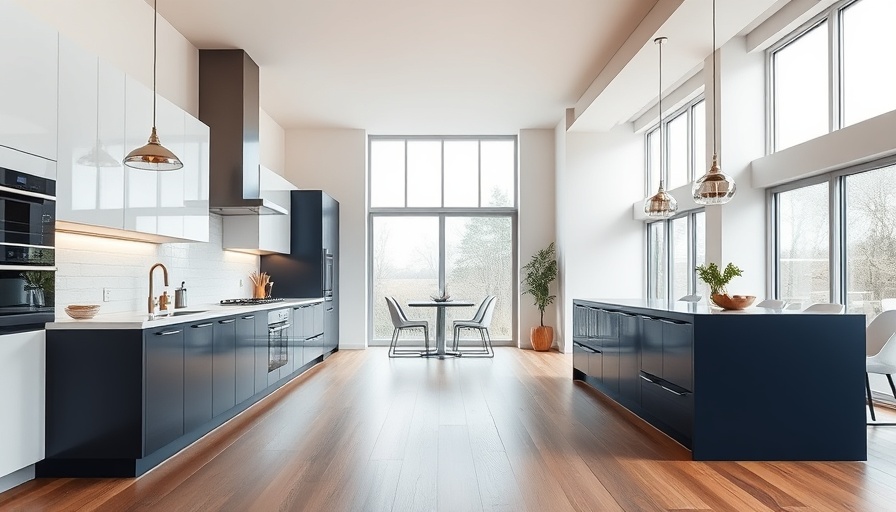
Contemporary kitchen renovation with sleek cabinets and island.

Why Local Renovators Make the Difference

When embarking on a kitchen renovation in Brisbane, the value of local expertise cannot be overstated. Typing 'kitchen renovations near me' often leads to options that prioritize not just aesthetics, but a deep understanding of the Brisbane lifestyle. Local renovators appreciate the unique character of Brisbane's homes—from charming Queenslanders to sleek modern apartments—and they know how to navigate the specific building regulations that affect these renovations.

Tailored Solutions for Every Home

A common misconception is that renovations are prohibitively expensive, but trusted local experts provide tailored solutions that fit various budgets without sacrificing quality. Whether it’s a complete makeover or simple updates like new benchtops or energy-efficient lighting, they work with homeowners to design kitchens that are both functional and beautiful.

Designing for Functionality

It's important to remember that a great kitchen goes beyond looks; it needs to support the way you live. This means understanding how to optimize layout for entertaining, cooking, or family management. Local renovators ensure that the kitchen not only looks fantastic but flows seamlessly from one space to another, often incorporating connections to outdoor living areas to reflect Brisbane's lifestyle.

Embracing Sustainability in Renovations

As more homeowners turn towards environmentally responsible choices, local experts are instrumental in recommending sustainable materials and energy-efficient appliances. This not only aids the environment but also results in long-term savings on utility bills.

What to Expect from Your Renovator

When hiring a trusted Brisbane renovator, here's what you can typically expect:

  • Initial consultation and site assessment
  • Transparent quotes with no hidden costs
  • Detailed timelines and regular updates on progress
  • Qualified tradespeople who are licensed and insured

In conclusion, choosing a local kitchen renovation expert not only streamlines the process but ensures that the outcome aligns perfectly with your lifestyle and needs. It’s not just about renovating; it’s about creating a space where memories can be made.

Remodeling & Construction

0 Comments

Write A Comment

*
*
Please complete the captcha to submit your comment.
Related Posts All Posts
08.19.2026

Seattle Home Remodels: Essential Guide to Building Permits Explained

Update Understanding Building Permits in Seattle Remodeling your home can be an exciting journey, yet it comes with its fair share of bureaucracy, especially when it comes to permits. Seattle's permitting landscape is unique, and knowing what permits you need can save you time, money, and potential headaches down the road. In Seattle, a permit is typically required for any work that impacts the home’s structure or systems. This encompasses a wide array of projects, from a small kitchen remodel that involves relocating plumbing or electrical systems to more extensive home additions. What Projects Require Permits? The general rule in Seattle is straightforward: if a remodel affects the structural integrity or essential systems of your home, you'll likely need a building permit. Here are some common projects that typically require permits: Structural Changes: This includes removing or adding walls, modifying beams, or changing windows and door openings. Even minor adjustments can require permits, so it’s wise to consult an expert. Electrical Work: Upgrading electrical panels, adding new circuits, or additionally outlets beyond standard replacements would trigger the permit requirement. It's crucial to have all electrical work inspected for safety. Plumbing Changes: Any alterations to drains, relocating toilets, sinks, or showers, and adding new plumbing fixtures require permits. Improper plumbing work can lead to significant issues down the line. Mechanical Work: Installing or modifying HVAC systems or relocating gas lines demands a permit. With Seattle's variable climate, proper HVAC installation can greatly enhance comfort in your home. Home Additions: Expanding square footage, which includes Detached Accessory Dwelling Units (DADUs) and decks over 30 inches, is not possible without proper permits. This is especially relevant, given the growing demand for flexible living spaces. Certain Demolition: If your project involves significant demolition, especially in homes that may contain hazardous materials, you will need a permit. Safety should always come first. On the flip side, cosmetic updates, such as painting, changing flooring without structural alterations, or swapping out cabinets, typically do not require permits. This distinction is essential for homeowners looking to update their residences without the lengthy approval process. Navigating the SDCI Process The Seattle Department of Construction and Inspections (SDCI) is your go-to authority for permits. Fortunately, the permit application process has shifted mostly online, simplifying the procedure for both homeowners and contractors. Here's a quick rundown of the steps involved: Application Submission: You'll need to submit your application via the Seattle Services Portal, which includes project drawings and a site plan. More complex projects may require additional documentation, like structural calculations from a licensed architect. It’s important to have all paperwork in order to avoid delays. Review Process: Once submitted, the SDCI will conduct a thorough review to ensure that all plans comply with building codes. Approval can take time, so planning ahead is vital. Types of Permits: Permits can be categorized as over-the-counter (OTC) for simple projects, standard permits for most remodeling tasks, and complex permits for major additions or unique projects. Each category comes with different processing times and requirements. For straightforward projects like like-for-like plumbing or electrical replacements, approvals can happen swiftly—sometimes even within a day. This efficiency can help speed up your remodeling timeline considerably. Why Understanding the Permit Process Matters Understanding the permit process isn't just about following rules; it also has broader implications for the safety and longevity of your home. By ensuring that your remodeling project complies with all regulations, you mitigate the risk of structural failure or safety hazards down the line. A home that’s been remodeled in compliance with local regulations is more likely to resist damage from the elements or wear and tear over time. Additionally, adhering to the permitting process can enhance your home's market value, as potential buyers often seek properties that have been renovated professionally and legally. This aspect is becoming increasingly important in a competitive housing market. Future Trends in Permits and Remodeling As Seattle continues to evolve with new building codes and environmental regulations surfacing, there’s an increasing focus on sustainability in home remodeling. Permits for projects that aim to enhance energy efficiency or include green building practices may see streamlined processes as local policies adapt to address these concerns. Homeowners can look forward to an easier route for projects that harness alternative energy or utilize sustainable materials, which can also lead to long-term savings on utility bills. Common Misconceptions About Permits Many homeowners underestimate the need for permits, believing they’re an optional inconvenience. However, this has significant ramifications. Work done without the necessary permits can lead to fines, mandatory demolition, or even issues with insurance claims later on. Additionally, misconceptions can lead homeowners to waste time or money, investing in projects that are non-compliant and requiring costly remediation. Knowing what does and doesn’t require a permit can save you a lot of trouble in the long run. Take Action Before You Remodel If you're planning a home remodel in Seattle, take the time to understand the permit requirements. While the process may seem daunting, being informed will help you navigate it smoothly, ensuring your project aligns with the city’s regulations. Remember, a well-planned remodel not only enhances your living space but can also increase your home’s value. It’s recommended to reach out to professionals or the SDCI for guidance as you embark on your remodeling journey. Engaging with experts can streamline the process, helping you avoid potential pitfalls and ensuring your renovations are a success.

08.10.2026

Estate Sale Secrets: What Not to Buy to Avoid Regret

Update A Bargain Hunter’s Dilemma: What to Watch Out For Estate sales can be treasure troves for unique finds, but buyer beware! Many items that seem like fantastic deals can turn out to be money pits. Understanding what to avoid can save you time and money, ensuring your shopping adventure remains enjoyable rather than regretful. Let's discuss some common pitfalls and what they reveal about approaching estate sales sensibly. Historical Context of Estate Sales Historically, estate sales stem from the need to liquidate assets for various reasons—be it downsizing, relocating, or even the passing of a loved one. While they are often associated with distressed circumstances, they have evolved into community events where treasures can be spun from nostalgia. People walk through homes filled with items that tell stories of the past, creating a unique environment that adds to the charm of each sale. Yet, with this nostalgic charm comes a caveat: not everything that glitters is gold. Items from previous decades might appeal to collectors but lack value if they don’t meet the right demand. It's important to remember that trends shift, and what was once a coveted piece can quickly lose its luster. Emotional Connections: Why Your Heart Might Deceive You One of the more fascinating aspects of shopping at estate sales is the emotional pull they can exert. A weathered armchair might evoke memories of your grandmother’s living room, or a vintage record player can bring back memories of lazy Sunday afternoons spent listening to music. These emotional connections can stir excitement and pride in your potential finds, but it’s critical to separate sentiment from logic. The allure of nostalgia can easily cloud your judgment, prompting you to overspend on items that may not hold their value over time. Take a moment to ask yourself: will I still love this piece in a few months, or is it just a fleeting desire? Five Items You Should Think Twice About When navigating the sea of items at estate sales, here are five categories that often come loaded with hidden issues: Art: While tempting, artwork may lack authenticity (think about certificates of authenticity) or become out of style, impacting its resale potential. With art, it’s essential to do your research not only on the piece but also on the artist's market value. Old Furniture: Pre-owned furniture can come with unnoticed repairs or hidden damage that may require costly fixes. Always check for signs of wear and tear, and take note of any odors like mustiness or mold. Antiques: Not all antiques are worth the price tag; provenance is key, and many may not appreciate in value, especially if they aren’t in demand right now. It’s worth considering whether a piece is just old or if it’s genuinely a collectible of value. Home Appliances: These might look pristine, but the costs of repairs or replacements can far exceed the initial bargain price. Ensure that appliances are in good working order, and inquire about the last time they were serviced. Collectibles: Categories like coins or stamps demand specific knowledge and market interest that fluctuates dramatically. Just because it’s labeled as a collectible doesn’t guarantee it’s valuable—research and authenticity are key. Practical Tips to Make Smart Purchases Having a solid strategy can enhance your estate sale experience. Here’s how you can sharpen your buying instincts: Do Your Homework: Know the market value of items you’re interested in to make informed decisions, using online resources and price guides. This will help you differentiate between genuine bargains and overpriced items. Inspect Items Thoroughly: Look for any damages, repairs, or parts missing that can drastically affect their value. Don’t hesitate to ask for more information about the item’s condition. Don’t Rush Into Purchases: If your impulse senses kick in, take a step back, breathe, and reconsider before pulling out your wallet. Give yourself a cooling-off period to consider what you’re about to buy. Ask Questions: Don’t hesitate to inquire about an item’s backstory or how it has been maintained. Sellers often enjoy discussing their pieces and might even provide insights on hidden value. Plan Your Space: Ensure you have a solid plan for where a new piece will fit within your home before committing to buy. Measure spaces to avoid surprises when you get home. Removing the Myths About Estate Sale Shopping As a potential buyer, it’s essential to confront common misconceptions. One major myth is that everything at an estate sale is a bargain. Many buyers unfurl their wallets only to later discover that they overpaid due to impulsive emotions. Another myth is that older means valuable; just because something is antique doesn’t mean it’s worth more than its contemporary counterparts. It’s crucial to approach every purchase with a discerning eye rather than getting swept up in the nostalgia. The Emotional Highs and Lows of Home Shopping The thrill of the hunt can lead to exhilarating highs as you uncover what seems like a rare gem among the items for sale. However, the sinking feeling of buyer’s remorse can hit hard once that excitement fades, especially with expensive items. To maintain a balanced experience, remind yourself of your budget and needs. Consider keeping a written list of must-haves versus nice-to-haves, helping you focus your search and maintain control over your spending. By practicing moderation, you can also enjoy this community-style shopping atmosphere without significant regrets. Remember, it’s not about filling your space but creating it. Conclusion: Estate Sales Should Be Joyful, Not Regretful Ultimately, estate sales should serve as exciting adventures filled with discovery and creativity rather than sources of stress. By educating yourself about what to avoid, and honing your instincts for genuine value versus fleeting emotion, you can navigate these sales with confidence. The goal is to enhance your living space not just through purchases but through meaningful finds that resonate with your home’s spirit—while keeping costs down. So, go forth and uncover those treasures, with knowledge as your guide! Happy hunting!

08.05.2026

Why Controlled Dismantling is Crucial for High-Quality Home Renovation

Update The Essential Role of Controlled Dismantling in Home Renovations For anyone embarking on a home renovation project, understanding the significance of controlled dismantling is pivotal. This crucial phase sets the foundation for a successful renovation by ensuring that outdated structures are removed carefully and systematically. Rather than rushing into the demolition process, proactive homeowners should appreciate that renovations begin long before the new cabinets and countertops are chosen. Initiating the project with a well-planned dismantling strategy can not only save time but can also prevent costly mistakes that could arise later in the renovation. A Closer Look at Dismantling Controlled dismantling is not merely a step to clear the way for new construction; it is an intricate process designed to maintain the structural integrity of the home. By removing materials and fixtures gradually, renovation professionals can preserve key components of a building's framework, mitigating risks that could arise from careless demolition practices. This methodical approach ensures that what lies beneath the surface is respected, understood, and, when necessary, retained to use later in the renovation. Unlike what pop-culture often depicts—with sledgehammers swinging wildly—controlled dismantling prioritizes safety and precision. For example, professional teams are trained to identify load-bearing walls that, if removed haphazardly, could jeopardize a building's entire structural balance. They use specialized techniques and tools that carefully separate old fixtures while keeping critical elements intact. This expertise transforms potential risks into manageable tasks, allowing for a more seamless transition to the construction phase. The Risks of Poor Demolition Practices Uncontrolled demolition poses numerous risks that can impact both the renovation process and the safety of the home. One significant danger is the potential to damage critical utility lines. Homes contain a complex array of electric, water, and gas lines that, if not respected, can lead to severe—and costly—consequences. An errant strike with a tool can rupture a water line, causing immediate flooding, while an exposed electrical wire can create fire hazards or electrocution risks. These situations underscore the importance of planning and caution before breaking ground. Moreover, demolition can inadvertently lead to structural compromises, especially in older homes. Without the expertise to identify which walls support the upper structure, homeowners risk creating situations where their homes could suffer from sagging, cracks, or worse. A little-known fact is that not all walls are created equal; some that seem decorative serve crucial roles in maintaining the home’s overall stability. In many older houses, the presence of a hollow-sounding wall might disguise its function as a load-bearing wall, which might lead an inexperienced homeowner to make unsafe alterations. Future Renovation Trends: Emphasizing Controlled Practices As renovations increasingly trend towards sustainability and eco-friendliness, the importance of controlled dismantling will likely gain further emphasis. Proper dismantling not only minimizes waste but also allows homeowners to salvage materials, which can be repurposed in other areas of the renovation or sold to reduce overall project costs. The rise of eco-conscious construction practices has led to a growing interest in upcycling materials, such as hardwood floors or bricks, which can beautifully integrate into the new design or serve as unique decorative elements. Incorporating this practice supports not only the integrity of residential structures but also aligns with environmentally conscious methodologies that are becoming prevalent in construction culture. By ensuring that as much material as possible is salvaged and reused, homeowners contribute to a circular economy, enhancing the environmental sustainability of their projects while also potentially saving money in the long run. The Emotional Aspect of Renovations Renovation is not just a mechanical or financial endeavor; it often involves an emotional journey. Homeowners may have a strong attachment to their living spaces, making the thought of dismantling parts of their home daunting. However, understanding the reasons behind controlled dismantling can provide peace of mind. It is important to remember that this phase, while initially disruptive, ultimately paves the way to a more comfortable and aesthetically pleasing living environment. By treating this dismantling phase with the necessary respect and care, homeowners can honor the history of their home while also preparing it for future upgrades. Conclusion: Prioritize Preparation for a Successful Renovation The quality of a home renovation is directly proportional to the effort invested in the initial dismantling phase. Homeowners should aim to work with professionals who understand the complexities involved and can execute projects methodically; the safety, longevity, and aesthetics of their homes depend on this foundational work. By prioritizing controlled dismantling, they pave the way for a smoother renovation process, which can lead to a successful and satisfying transformation of their living spaces. As you consider whether to undertake a renovation, remember that the true beauty of a home renovation is not solely found in its final appearance but also in the thorough, thoughtful process that leads to that moment. The commitment to controlled dismantling is the first step on that exciting journey, ensuring that every subsequent decision—from flooring choices to cabinet design—can be made with safety and stability in mind.

Home Wise News

We concentrate on providing wise insights, reliable home contractor advice and hands‑on DIY know‑how for savvy homeowners. We focus on maintenance, repairs, landscaping ideas, security, smart home options, remodeling, decor and much more.

Find Us on
Social Media 

  • Google+ for PIP Consulting, LLC

847-999-4344

Please Contact Us Today!

Home Wise News
Brought to you by
PIP Consulting, LLC
3773 Howard Hughes Parkway
South Tower, Suite 500
Las Vegas, Nevada
89169

, ,

ABOUT US

We provide evidence-based insights and real-life applications of home advice and know-how practices. We stands out by featuring expert interviews and address the importance of getting practical solutions and DIY information. With the goal of helping home owners decide when they need to call on experts for the job at hand.

© 2026 Energize Your Marketing All Rights Reserved. 3773 Howard Hughes Parkway South Tower, Suite 500, Las Vegas, NV 89169 . Contact Us . Terms of Service . Privacy Policy

eyJjb21wYW55IjoiRW5lcmdpemUgWW91ciBNYXJrZXRpbmciLCJhZGRyZXNzIjoiMzc3MyBIb3dhcmQgSHVnaGVzIFBhcmt3YXkgU291dGggVG93ZXIsIFN1aXRlIDUwMCIsImNpdHkiOiJMYXMgVmVnYXMiLCJzdGF0ZSI6Ik5WIiwiemlwIjoiODkxNjkiLCJlbWFpbCI6Im1hcnNoYUBlbmVyZ2l6ZXlvdXJtYXJrZXRpbmcuY29tIiwidG9zIjoiUEhBK1BITjBjbTl1Wno0OFpXMCtWMmhsYmlCNWIzVWdjMmxuYmkxcGJpQjNhWFJvSUhWekxDQjViM1VnWVhKbElHZHBkbWx1WnladVluTndPeUI1YjNWeUlIQmxjbTFwYzNOcGIyNGdZVzVrSUdOdmJuTmxiblFnZEc4Z2MyVnVaQ0I1YjNVZ1pXMWhhV3dnWVc1a0wyOXlJRk5OVXlCMFpYaDBJRzFsYzNOaFoyVnpMaUJDZVNCamFHVmphMmx1WnlCMGFHVWdWR1Z5YlhNZ1lXNWtJRU52Ym1ScGRHbHZibk1nWW05NElHRnVaQ0JpZVNCemFXZHVhVzVuSUdsdUlIbHZkU0JoZFhSdmJXRjBhV05oYkd4NUlHTnZibVpwY20wZ2RHaGhkQ0I1YjNVZ1lXTmpaWEIwSUdGc2JDQjBaWEp0Y3lCcGJpQjBhR2x6SUdGbmNtVmxiV1Z1ZEM0OEwyVnRQand2YzNSeWIyNW5Qand2Y0Q0S0NqeHdQanhoSUdoeVpXWTlJbWgwZEhBNkx5OTNkM2N1WjI5dloyeGxMbU52YlNJK2FIUjBjRG92TDNkM2R5NW5iMjluYkdVdVkyOXRQQzloUGp3dmNENEtDanh3UGladVluTndPend2Y0Q0S0NqeHdQanh6ZEhKdmJtYytVMFZTVmtsRFJUd3ZjM1J5YjI1blBqd3ZjRDRLQ2p4d1BsZGxJSEJ5YjNacFpHVWdZU0J6WlhKMmFXTmxJSFJvWVhRZ1kzVnljbVZ1ZEd4NUlHRnNiRzkzY3lCNWIzVWdkRzhnY21WalpXbDJaU0J5WlhGMVpYTjBjeUJtYjNJZ1ptVmxaR0poWTJzc0lHTnZiWEJoYm5rZ2FXNW1iM0p0WVhScGIyNHNJSEJ5YjIxdmRHbHZibUZzSUdsdVptOXliV0YwYVc5dUxDQmpiMjF3WVc1NUlHRnNaWEowY3l3Z1kyOTFjRzl1Y3l3Z1pHbHpZMjkxYm5SeklHRnVaQ0J2ZEdobGNpQnViM1JwWm1sallYUnBiMjV6SUhSdklIbHZkWElnWlcxaGFXd2dZV1JrY21WemN5QmhibVF2YjNJZ1kyVnNiSFZzWVhJZ2NHaHZibVVnYjNJZ1pHVjJhV05sTGlCWmIzVWdkVzVrWlhKemRHRnVaQ0JoYm1RZ1lXZHlaV1VnZEdoaGRDQjBhR1VnVTJWeWRtbGpaU0JwY3lCd2NtOTJhV1JsWkNBbWNYVnZkRHRCVXkxSlV5WnhkVzkwT3lCaGJtUWdkR2hoZENCM1pTQmhjM04xYldVZ2JtOGdjbVZ6Y0c5dWMybGlhV3hwZEhrZ1ptOXlJSFJvWlNCMGFXMWxiR2x1WlhOekxDQmtaV3hsZEdsdmJpd2diV2x6TFdSbGJHbDJaWEo1SUc5eUlHWmhhV3gxY21VZ2RHOGdjM1J2Y21VZ1lXNTVJSFZ6WlhJZ1kyOXRiWFZ1YVdOaGRHbHZibk1nYjNJZ2NHVnljMjl1WVd4cGVtRjBhVzl1SUhObGRIUnBibWR6TGp3dmNENEtDanh3UGxsdmRTQmhjbVVnY21WemNHOXVjMmxpYkdVZ1ptOXlJRzlpZEdGcGJtbHVaeUJoWTJObGMzTWdkRzhnZEdobElGTmxjblpwWTJVZ1lXNWtJSFJvWVhRZ1lXTmpaWE56SUcxaGVTQnBiblp2YkhabElIUm9hWEprSUhCaGNuUjVJR1psWlhNZ0tITjFZMmdnWVhNZ1UwMVRJSFJsZUhRZ2JXVnpjMkZuWlhNc0lFbHVkR1Z5Ym1WMElITmxjblpwWTJVZ2NISnZkbWxrWlhJZ2IzSWdZMlZzYkhWc1lYSWdZV2x5ZEdsdFpTQmphR0Z5WjJWektTNGdXVzkxSUdGeVpTQnlaWE53YjI1emFXSnNaU0JtYjNJZ2RHaHZjMlVnWm1WbGN5d2dhVzVqYkhWa2FXNW5JSFJvYjNObElHWmxaWE1nWVhOemIyTnBZWFJsWkNCM2FYUm9JSFJvWlNCa2FYTndiR0Y1SUc5eUlHUmxiR2wyWlhKNUlHOW1JR1ZoWTJnZ1UwMVRJSFJsZUhRZ2JXVnpjMkZuWlNCelpXNTBJSFJ2SUhsdmRTQmllU0IxY3k0Z1NXNGdZV1JrYVhScGIyNHNJSGx2ZFNCdGRYTjBJSEJ5YjNacFpHVWdZVzVrSUdGeVpTQnlaWE53YjI1emFXSnNaU0JtYjNJZ1lXeHNJR1Z4ZFdsd2JXVnVkQ0J1WldObGMzTmhjbmtnZEc4Z1lXTmpaWE56SUhSb1pTQlRaWEoyYVdObElHRnVaQ0J5WldObGFYWmxJSFJvWlNCVFRWTWdkR1Y0ZENCdFpYTnpZV2RsY3k0Z1YyVWdaRzhnYm05MElHTm9ZWEpuWlNCaGJua2dabVZsY3lCbWIzSWdaR1ZzYVhabGNua2diMllnWlcxaGFXd2diM0lnVTAxVExpQlVhR2x6SUdseklHRWdabkpsWlNCelpYSjJhV05sSUhCeWIzWnBaR1ZrSUdKNUlIVnpMaUJJYjNkbGRtVnlMQ0J3YkdWaGMyVWdZMmhsWTJzZ2QybDBhQ0I1YjNWeUlHbHVkR1Z5Ym1WMElITmxjblpwWTJVZ2NISnZkbWxrWlhJZ1lXNWtJR05sYkd4MWJHRnlJR05oY25KcFpYSWdabTl5SUdGdWVTQmphR0Z5WjJWeklIUm9ZWFFnYldGNUlHbHVZM1Z5SUdGeklHRWdjbVZ6ZFd4MElHWnliMjBnY21WalpXbDJhVzVuSUdWdFlXbHNJR0Z1WkNCVFRWTWdkR1Y0ZENCdFpYTnpZV2RsY3lCMGFHRjBJSGRsSUdSbGJHbDJaWElnZFhCdmJpQjViM1Z5SUc5d2RDMXBiaUJoYm1RZ2NtVm5hWE4wY21GMGFXOXVJSGRwZEdnZ2IzVnlJR1Z0WVdsc0lHRnVaQ0JUVFZNZ2MyVnlkbWxqWlhNdUlGbHZkU0JqWVc0Z1kyRnVZMlZzSUdGMElHRnVlU0IwYVcxbExpQktkWE4wSUhSbGVIUWdKbkYxYjNRN1UxUlBVQ1p4ZFc5ME95QjBieUE4YUdsbmFHeHBaMmgwSUdOc1lYTnpQU0pqYjIxd1lXNTVVR2h2Ym1WVmNHUmhkR1VpUGlzeE9EUTNPVGs1TkRNME5Ed3ZhR2xuYUd4cFoyaDBQaTRnUVdaMFpYSWdlVzkxSUhObGJtUWdkR2hsSUZOTlV5QnRaWE56WVdkbElDWnhkVzkwTzFOVVQxQW1jWFZ2ZERzZ2RHOGdkWE1zSUhkbElIZHBiR3dnYzJWdVpDQjViM1VnWVc0Z1UwMVRJRzFsYzNOaFoyVWdkRzhnWTI5dVptbHliU0IwYUdGMElIbHZkU0JvWVhabElHSmxaVzRnZFc1emRXSnpZM0pwWW1Wa0xpQkJablJsY2lCMGFHbHpMQ0I1YjNVZ2QybHNiQ0J1YnlCc2IyNW5aWElnY21WalpXbDJaU0JUVFZNZ2JXVnpjMkZuWlhNZ1puSnZiU0IxY3k0OEwzQStDZ284Y0Q0OGMzUnliMjVuUGxsUFZWSWdVa1ZIU1ZOVVVrRlVTVTlPSUU5Q1RFbEhRVlJKVDA1VFBDOXpkSEp2Ym1jK1BDOXdQZ29LUEhBK1NXNGdZMjl1YzJsa1pYSmhkR2x2YmlCdlppQjViM1Z5SUhWelpTQnZaaUIwYUdVZ1UyVnlkbWxqWlN3Z2VXOTFJR0ZuY21WbElIUnZPand2Y0Q0S0NqeHZiRDRLQ1R4c2FUNXdjbTkyYVdSbElIUnlkV1VzSUdGalkzVnlZWFJsTENCamRYSnlaVzUwSUdGdVpDQmpiMjF3YkdWMFpTQnBibVp2Y20xaGRHbHZiaUJoWW05MWRDQjViM1Z5YzJWc1ppQmhjeUJ3Y205dGNIUmxaQ0JpZVNCMGFHVWdVMlZ5ZG1salpTWWpNems3Y3lCeVpXZHBjM1J5WVhScGIyNGdabTl5YlNBb2MzVmphQ0JwYm1admNtMWhkR2x2YmlCaVpXbHVaeUIwYUdVZ0puRjFiM1E3VW1WbmFYTjBjbUYwYVc5dUlFUmhkR0VtY1hWdmREc3BJR0Z1WkR3dmJHaytDZ2s4YkdrK2JXRnBiblJoYVc0Z1lXNWtJSEJ5YjIxd2RHeDVJSFZ3WkdGMFpTQjBhR1VnVW1WbmFYTjBjbUYwYVc5dUlFUmhkR0VnZEc4Z2EyVmxjQ0JwZENCMGNuVmxMQ0JoWTJOMWNtRjBaU3dnWTNWeWNtVnVkQ0JoYm1RZ1kyOXRjR3hsZEdVdUlFbG1JSGx2ZFNCd2NtOTJhV1JsSUdGdWVTQnBibVp2Y20xaGRHbHZiaUIwYUdGMElHbHpJSFZ1ZEhKMVpTd2dhVzVoWTJOMWNtRjBaU3dnYm05MElHTjFjbkpsYm5RZ2IzSWdhVzVqYjIxd2JHVjBaU3dnYjNJZ2QyVWdhR0YyWlNCeVpXRnpiMjVoWW14bElHZHliM1Z1WkhNZ2RHOGdjM1Z6Y0dWamRDQjBhR0YwSUhOMVkyZ2dhVzVtYjNKdFlYUnBiMjRnYVhNZ2RXNTBjblZsTENCcGJtRmpZM1Z5WVhSbExDQnViM1FnWTNWeWNtVnVkQ0J2Y2lCcGJtTnZiWEJzWlhSbExDQjNaU0JvWVhabElIUm9aU0J5YVdkb2RDQjBieUJ6ZFhOd1pXNWtJRzl5SUR4emRISnZibWMrUEhOd1lXNGdjM1I1YkdVOUltTnZiRzl5T2lOR1JqQXdNREE3SWo1MFpYSnRhVzVoZEdVZ2VXOTFjaUJoWTJOdmRXNTBMM0J5YjJacGJHVWdZVzVrSUhKbFpuVnpaU0JoYm5rZ1lXNWtJR0ZzYkNCamRYSnlaVzUwSUc5eUlHWjFkSFZ5WlNCMWMyVWdiMllnZEdobElGTmxjblpwWTJVZ0tHOXlJR0Z1ZVNCd2IzSjBhVzl1SUhSb1pYSmxiMllwTGp3dmMzQmhiajQ4TDNOMGNtOXVaejQ4TDJ4cFBnbzhMMjlzUGdvS1BIQStKbTVpYzNBN1BDOXdQZ284YUdsbmFHeHBaMmgwSUdOc1lYTnpQU0pqYjIxd1lXNTVUbUZ0WlZWd1pHRjBaU0krUlc1bGNtZHBlbVVnV1c5MWNpQk5ZWEpyWlhScGJtYzhMMmhwWjJoc2FXZG9kRDQ4WW5JZ0x6NEtQR2hwWjJoc2FXZG9kQ0JqYkdGemN6MGlZMjl0Y0dGdWVVRmtaSEpsYzNOVmNHUmhkR1VpUGpNM056TWdTRzkzWVhKa0lFaDFaMmhsY3lCUVlYSnJkMkY1SUZOdmRYUm9JRlJ2ZDJWeUxDQlRkV2wwWlNBMU1EQXNJRXhoY3lCV1pXZGhjeXdnVGxZZ09Ea3hOams4TDJocFoyaHNhV2RvZEQ0OFluSWdMejRLUEdocFoyaHNhV2RvZENCamJHRnpjejBpWTI5dGNHRnVlVkJvYjI1bFZYQmtZWFJsSWo0ck1UZzBOeTA1T1RrdE5ETTBORHd2YUdsbmFHeHBaMmgwUGp4aWNpQXZQZ284YUdsbmFHeHBaMmgwSUdOc1lYTnpQU0pqYjIxd1lXNTVSVzFoYVd4VmNHUmhkR1VpUG0xaGNuTm9ZVUJsYm1WeVoybDZaWGx2ZFhKdFlYSnJaWFJwYm1jdVkyOXRQQzlvYVdkb2JHbG5hSFErIiwicHJpdmFjeSI6IlBIQStQSE4wY205dVp6NVFVa2xXUVVOWlBDOXpkSEp2Ym1jK1BDOXdQZ29LUEhBK1BITjBjbTl1Wno1VWFHVWdhVzVtYjNKdFlYUnBiMjRnY0hKdmRtbGtaV1FnWkhWeWFXNW5JSFJvYVhNZ2NtVm5hWE4wY21GMGFXOXVJR2x6SUd0bGNIUWdjSEpwZG1GMFpTQmhibVFnWTI5dVptbGtaVzUwYVdGc0xDQmhibVFnZDJsc2JDQnVaWFpsY2lCaVpTQmthWE4wY21saWRYUmxaQ3dnWTI5d2FXVmtMQ0J6YjJ4a0xDQjBjbUZrWldRZ2IzSWdjRzl6ZEdWa0lHbHVJR0Z1ZVNCM1lYa3NJSE5vWVhCbElHOXlJR1p2Y20wdUlGUm9hWE1nYVhNZ2IzVnlJR2QxWVhKaGJuUmxaUzQ4TDNOMGNtOXVaejQ4TDNBK0NnbzhjRDQ4YzNSeWIyNW5Qa2xPUkVWTlRrbFVXVHd2YzNSeWIyNW5Qand2Y0Q0S0NqeHdQanhsYlQ1WmIzVWdZV2R5WldVZ2RHOGdhVzVrWlcxdWFXWjVJR0Z1WkNCb2IyeGtJSFZ6TEM0Z1lXNWtJR2wwY3lCemRXSnphV1JwWVhKcFpYTXNJR0ZtWm1sc2FXRjBaWE1zSUc5bVptbGpaWEp6TENCaFoyVnVkSE1zSUdOdkxXSnlZVzVrWlhKeklHOXlJRzkwYUdWeUlIQmhjblJ1WlhKekxDQmhibVFnWlcxd2JHOTVaV1Z6TENCb1lYSnRiR1Z6Y3lCbWNtOXRJR0Z1ZVNCamJHRnBiU0J2Y2lCa1pXMWhibVFzSUdsdVkyeDFaR2x1WnlCeVpXRnpiMjVoWW14bElHRjBkRzl5Ym1WNWN5WWpNems3SUdabFpYTXNJRzFoWkdVZ1lua2dZVzU1SUhSb2FYSmtJSEJoY25SNUlHUjFaU0IwYnlCdmNpQmhjbWx6YVc1bklHOTFkQ0J2WmlCRGIyNTBaVzUwSUhsdmRTQnlaV05sYVhabExDQnpkV0p0YVhRc0lISmxjR3g1TENCd2IzTjBMQ0IwY21GdWMyMXBkQ0J2Y2lCdFlXdGxJR0YyWVdsc1lXSnNaU0IwYUhKdmRXZG9JSFJvWlNCVFpYSjJhV05sTENCNWIzVnlJSFZ6WlNCdlppQjBhR1VnVTJWeWRtbGpaU3dnZVc5MWNpQmpiMjV1WldOMGFXOXVJSFJ2SUhSb1pTQlRaWEoyYVdObExDQjViM1Z5SUhacGIyeGhkR2x2YmlCdlppQjBhR1VnVkU5VExDQnZjaUI1YjNWeUlIWnBiMnhoZEdsdmJpQnZaaUJoYm5rZ2NtbG5hSFJ6SUc5bUlHRnViM1JvWlhJdVBDOWxiVDQ4TDNBK0NnbzhjRDQ4YzNSeWIyNW5Qa1JKVTBOTVFVbE5SVklnVDBZZ1YwRlNVa0ZPVkVsRlV6d3ZjM1J5YjI1blBqd3ZjRDRLQ2p4d1BqeHpkSEp2Ym1jK1dVOVZJRVZZVUZKRlUxTk1XU0JWVGtSRlVsTlVRVTVFSUVGT1JDQkJSMUpGUlNCVVNFRlVPand2YzNSeWIyNW5Qand2Y0Q0S0NqeHZiRDRLQ1R4c2FUNVpUMVZTSUZWVFJTQlBSaUJVU0VVZ1UwVlNWa2xEUlNCSlV5QkJWQ0JaVDFWU0lGTlBURVVnVWtsVFN5NGdWRWhGSUZORlVsWkpRMFVnU1ZNZ1VGSlBWa2xFUlVRZ1QwNGdRVTRnSm5GMWIzUTdRVk1nU1ZNbWNYVnZkRHNnUVU1RUlDWnhkVzkwTzBGVElFRldRVWxNUVVKTVJTWnhkVzkwT3lCQ1FWTkpVeTRnTEM0Z1FVNUVJRlZUTENCSlZDWWpNems3VXlCRFZWTlVUMDFGVWxNc0lFVllVRkpGVTFOTVdTQkVTVk5EVEVGSlRWTWdRVXhNSUZkQlVsSkJUbFJKUlZNZ1QwWWdRVTVaSUV0SlRrUXNJRmRJUlZSSVJWSWdSVmhRVWtWVFV5QlBVaUJKVFZCTVNVVkVMQ0JKVGtOTVZVUkpUa2NzSUVKVlZDQk9UMVFnVEVsTlNWUkZSQ0JVVHlCVVNFVWdTVTFRVEVsRlJDQlhRVkpTUVU1VVNVVlRJRTlHSUUxRlVrTklRVTVVUVVKSlRFbFVXU3dnUmtsVVRrVlRVeUJHVDFJZ1FTQlFRVkpVU1VOVlRFRlNJRkJWVWxCUFUwVWdRVTVFSUU1UFRpMUpUa1pTU1U1SFJVMUZUbFF1UEM5c2FUNEtDVHhzYVQ1TlFVdEZVeUJPVHlCWFFWSlNRVTVVV1NCVVNFRlVJQ2hwS1NCVVNFVWdVMFZTVmtsRFJTQlhTVXhNSUUxRlJWUWdXVTlWVWlCU1JWRlZTVkpGVFVWT1ZGTXNJQ2hwYVNrZ1ZFaEZJRk5GVWxaSlEwVWdWMGxNVENCQ1JTQlZUa2xPVkVWU1VsVlFWRVZFTENCVVNVMUZURmtzSUZORlExVlNSU3dnVDFJZ1JWSlNUMUl0UmxKRlJTd2dLR2xwYVNrZ1ZFaEZJRkpGVTFWTVZGTWdWRWhCVkNCTlFWa2dRa1VnVDBKVVFVbE9SVVFnUmxKUFRTQlVTRVVnVlZORklFOUdJRlJJUlNCVFJWSldTVU5GSUZkSlRFd2dRa1VnUVVORFZWSkJWRVVnVDFJZ1VrVk1TVUZDVEVVc0lFRk9SQ0FvYVhZcElFRk9XU0JGVWxKUFVsTWdTVTRnVkVoRklGTlBSbFJYUVZKRklGZEpURXdnUWtVZ1EwOVNVa1ZEVkVWRUxqd3ZiR2srQ2drOGJHaytRVTVaSUUxQlZFVlNTVUZNSUVSUFYwNU1UMEZFUlVRZ1QxSWdUMVJJUlZKWFNWTkZJRTlDVkVGSlRrVkVJRlJJVWs5VlIwZ2dWRWhGSUZWVFJTQlBSaUJVU0VVZ1UwVlNWa2xEUlNCSlV5QkVUMDVGSUVGVUlGbFBWVklnVDFkT0lFUkpVME5TUlZSSlQwNGdRVTVFSUZKSlUwc2dRVTVFSUZSSVFWUWdXVTlWSUZkSlRFd2dRa1VnVTA5TVJVeFpJRkpGVTFCUFRsTkpRa3hGSUVaUFVpQkJUbGtnUkVGTlFVZEZJRlJQSUZsUFZWSWdRMDlOVUZWVVJWSWdVMWxUVkVWTklFOVNJRXhQVTFNZ1QwWWdSRUZVUVNCVVNFRlVJRkpGVTFWTVZGTWdSbEpQVFNCVVNFVWdSRTlYVGt4UFFVUWdUMFlnUVU1WklGTlZRMGdnVFVGVVJWSkpRVXd1UEM5c2FUNEtDVHhzYVQ1T1R5QkJSRlpKUTBVZ1QxSWdTVTVHVDFKTlFWUkpUMDRzSUZkSVJWUklSVklnVDFKQlRDQlBVaUJYVWtsVVZFVk9MQ0JQUWxSQlNVNUZSQ0JDV1NCWlQxVWdSbEpQVFNCUFVpQlVTRkpQVlVkSUlFOVNJRVpTVDAwZ1ZFaEZJRk5GVWxaSlEwVWdVMGhCVEV3Z1ExSkZRVlJGSUVGT1dTQlhRVkpTUVU1VVdTQk9UMVFnUlZoUVVrVlRVMHhaSUZOVVFWUkZSQ0JKVGlCVVNFVWdWRTlUTGp3dmJHaytDand2YjJ3K0NnbzhjRDQ4YzNSeWIyNW5Qa3hKVFVsVVFWUkpUMDRnVDBZZ1RFbEJRa2xNU1ZSWlBDOXpkSEp2Ym1jK1BDOXdQZ29LUEhBK1dVOVZJRVZZVUZKRlUxTk1XU0JWVGtSRlVsTlVRVTVFSUVGT1JDQkJSMUpGUlNCVVNFRlVJRUZPUkNCVFNFRk1UQ0JPVDFRZ1FrVWdURWxCUWt4RklFWlBVaUJCVGxrZ1JFbFNSVU5VTENCSlRrUkpVa1ZEVkN3Z1NVNURTVVJGVGxSQlRDd2dVMUJGUTBsQlRDd2dRMDlPVTBWUlZVVk9WRWxCVENCUFVpQkZXRVZOVUV4QlVsa2dSRUZOUVVkRlV5d2dTVTVEVEZWRVNVNUhJRUpWVkNCT1QxUWdURWxOU1ZSRlJDQlVUeXdnUkVGTlFVZEZVeUJHVDFJZ1RFOVRVeUJQUmlCUVVrOUdTVlJUTENCSFQwOUVWMGxNVEN3Z1ZWTkZMQ0JFUVZSQklFOVNJRTlVU0VWU0lFbE9WRUZPUjBsQ1RFVWdURTlUVTBWVElDaEZWa1ZPSUVsR0lFaEJVeUJDUlVWT0lFRkVWa2xUUlVRZ1QwWWdWRWhGSUZCUFUxTkpRa2xNU1ZSWklFOUdJRk5WUTBnZ1JFRk5RVWRGVXlrc0lGSkZVMVZNVkVsT1J5QkdVazlOT2p3dmNENEtDanh2YkQ0S0NUeHNhVDVVU0VVZ1ZWTkZJRTlTSUZSSVJTQkpUa0ZDU1V4SlZGa2dWRThnVlZORklGUklSU0JUUlZKV1NVTkZPend2YkdrK0NnazhiR2srVkVoRklFTlBVMVFnVDBZZ1VGSlBRMVZTUlUxRlRsUWdUMFlnVTFWQ1UxUkpWRlZVUlNCSFQwOUVVeUJCVGtRZ1UwVlNWa2xEUlZNZ1VrVlRWVXhVU1U1SElFWlNUMDBnUVU1WklFZFBUMFJUTENCRVFWUkJMQ0JKVGtaUFVrMUJWRWxQVGlCUFVpQlRSVkpXU1VORlV5QlFWVkpEU0VGVFJVUWdUMUlnVDBKVVFVbE9SVVFnVDFJZ1RVVlRVMEZIUlZNZ1VrVkRSVWxXUlVRZ1QxSWdWRkpCVGxOQlExUkpUMDVUSUVWT1ZFVlNSVVFnU1U1VVR5QlVTRkpQVlVkSUlFOVNJRVpTVDAwZ1ZFaEZJRk5GVWxaSlEwVTdQQzlzYVQ0S0NUeHNhVDVWVGtGVlZFaFBVa2xhUlVRZ1FVTkRSVk5USUZSUElFOVNJRUZNVkVWU1FWUkpUMDRnVDBZZ1dVOVZVaUJVVWtGT1UwMUpVMU5KVDA1VElFOVNJRVJCVkVFN1BDOXNhVDRLQ1R4c2FUNVRWRUZVUlUxRlRsUlRJRTlTSUVOUFRrUlZRMVFnVDBZZ1FVNVpJRlJJU1ZKRUlGQkJVbFJaSUU5T0lGUklSU0JUUlZKV1NVTkZPeUJQVWp3dmJHaytDZ2s4YkdrK1FVNVpJRTlVU0VWU0lFMUJWRlJGVWlCU1JVeEJWRWxPUnlCVVR5QlVTRVVnVTBWU1ZrbERSUzQ4TDJ4cFBnbzhMMjlzUGdvS1BIQStQSFUrUW5rZ2NtVm5hWE4wWlhKcGJtY2dZVzVrSUhOMVluTmpjbWxpYVc1bklIUnZJRzkxY2lCbGJXRnBiQ0JoYm1RZ1UwMVRJSE5sY25acFkyVXNJR0o1SUc5d2RDMXBiaXdnYjI1c2FXNWxJSEpsWjJsemRISmhkR2x2YmlCdmNpQmllU0JtYVd4c2FXNW5JRzkxZENCaElHTmhjbVFzSUNaeGRXOTBPM2x2ZFNCaFozSmxaU0IwYnlCMGFHVnpaU0JVUlZKTlV5QlBSaUJUUlZKV1NVTkZKbkYxYjNRN0lHRnVaQ0I1YjNVZ1lXTnJibTkzYkdWa1oyVWdZVzVrSUhWdVpHVnljM1JoYm1RZ2RHaGxJR0ZpYjNabElIUmxjbTF6SUc5bUlITmxjblpwWTJVZ2IzVjBiR2x1WldRZ1lXNWtJR1JsZEdGcGJHVmtJR1p2Y2lCNWIzVWdkRzlrWVhrdVBDOTFQand2Y0Q0S0NqeHdQaVp1WW5Od096d3ZjRDRLUEdocFoyaHNhV2RvZENCamJHRnpjejBpWTI5dGNHRnVlVTVoYldWVmNHUmhkR1VpUGtWdVpYSm5hWHBsSUZsdmRYSWdUV0Z5YTJWMGFXNW5QQzlvYVdkb2JHbG5hSFErUEdKeUlDOCtDanhvYVdkb2JHbG5hSFFnWTJ4aGMzTTlJbU52YlhCaGJubEJaR1J5WlhOelZYQmtZWFJsSWo0ek56Y3pJRWh2ZDJGeVpDQklkV2RvWlhNZ1VHRnlhM2RoZVNCVGIzVjBhQ0JVYjNkbGNpd2dVM1ZwZEdVZ05UQXdMQ0JNWVhNZ1ZtVm5ZWE1zSUU1V0lEZzVNVFk1UEM5b2FXZG9iR2xuYUhRK1BHSnlJQzgrQ2p4b2FXZG9iR2xuYUhRZ1kyeGhjM005SW1OdmJYQmhibmxRYUc5dVpWVndaR0YwWlNJK0t6RTRORGN0T1RrNUxUUXpORFE4TDJocFoyaHNhV2RvZEQ0OFluSWdMejRLUEdocFoyaHNhV2RvZENCamJHRnpjejBpWTI5dGNHRnVlVVZ0WVdsc1ZYQmtZWFJsSWo1dFlYSnphR0ZBWlc1bGNtZHBlbVY1YjNWeWJXRnlhMlYwYVc1bkxtTnZiVHd2YUdsbmFHeHBaMmgwUGc9PSJ9

Terms of Service

Privacy Policy

Core Modal Title

Sorry, no results found

You Might Find These Articles Interesting

T
Please Check Your Email
We Will Be Following Up Shortly
*
*
*