Add Row
Add Element
UPDATE
Add Element
  • Home
  • Categories
    • Cleaning & Moving
    • Maintenance / Repairs
    • Remodeling & Construction
    • Landscaping / Outdoor
    • Security & Technology
    • Sustainability, Health & Safety
    • Interiors / Décor
    • Expert Interviews
    • DIY Home Projects
Home Wise News!
Wise Insights, Reliable Contractor Advice & Hands on DIY Know How for Savvy Homeowners
July 27.2025
2 Minutes Read

Discover the Best Wireless Grill Thermometers of 2025 for Perfect Cooking

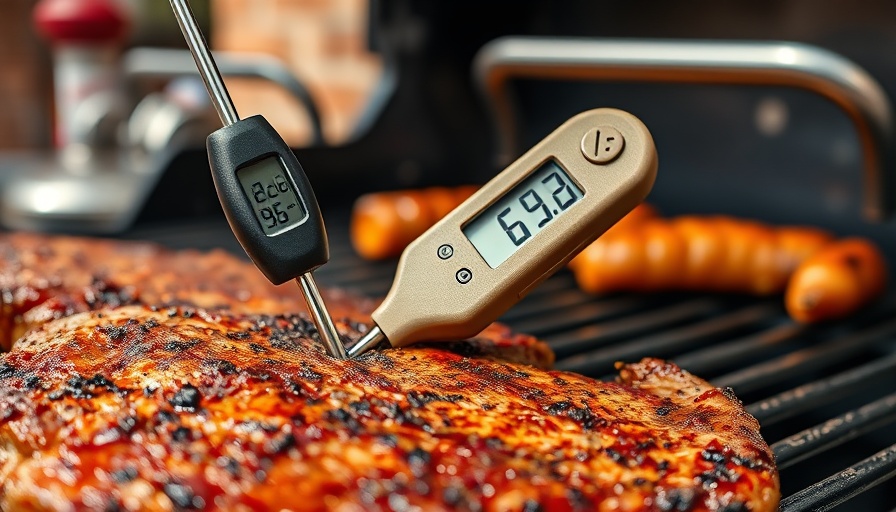
Close-up of seasoned steak with wireless grill thermometer, outdoor setting.

Why Accurate Temperature Matters in Grilling

Grilling is a revered culinary technique that can transform a simple cookout into a gastronomic delight, but it all hinges on the precision of temperature control. Homeowners who wish to impress guests or simply savor a well-cooked meal recognize that a perfectly executed steak or chicken can hinge on just a few degrees. The art of grilling blends science with technique, making the best wireless grill thermometers essential for precision cooking.

The Evolution of Wireless Grill Thermometers

In 2025, the evolution of wireless grill thermometers has reached new heights. Today's models not only offer Bluetooth or Wi-Fi connectivity, allowing you to monitor your food from a distance but they've also integrated smart technology that keeps home chefs informed. This includes real-time tracking, notifications to adjust cooking methods, and even the ability to manage multiple cooking items simultaneously. For homeowners, this means spending less time hovering over the grill and more time enjoying gatherings with friends and family.

How to Choose the Right Wireless Grill Thermometer

Deciding which wireless grill thermometer is the best fit for your grilling needs can be challenging. Here are critical features to consider:

  • Multiple Probes: At least two probes allow you to monitor different meats or the grill temperature simultaneously.
  • Strong Wireless Range: Ensure your model connects effectively over longer distances, allowing you to move around the house.
  • Fast and Accurate Readings: A quality thermometer should provide temperature data within 1-2 seconds.
  • App Integration: Consider models that offer user-friendly apps for tracking temperatures and settings remotely.
  • Long Battery Life: Rechargeable batteries can minimize interruptions during cooking.
  • Durability: Choose materials that can withstand the high heat of grilling without damage.

Top Wireless Grill Thermometers to Consider

When it comes to precision in grilling, here are some of the best wireless grill thermometers recommended for 2025:

  • Typhur Sync Gold: Touted as the best overall smart thermometer, it epitomizes ease of use and reliability.
  • Weber iGrill 2: This device is known for its exceptional app functionality and sleek design.
  • MEATER Plus: A favorite for its unique features that include wireless connectivity and a simple setup.
  • ThermoPro TP20: Acclaimed for its accuracy and wide range, making it perfect for all grilling styles.
  • GrillEye Max: Known for intuitive controls and exceptional durability.

Each of these models has been chosen based on detailed user feedback and technical specifications, ensuring you’ll find one that fits your grilling style and needs.

Next Steps for the Engaged Griller

If you’re serious about enhancing your grilling game, now is the time to invest in a wireless grill thermometer. Not only do these tools simplify the cooking process, they’ll also elevate the overall dining experience you can provide for your family and friends, ensuring consistently delicious results.

With the advancements in technology, it’s easier than ever to grill with confidence, delivering perfectly cooked meals every time. So, upgrade your grilling tools, and enjoy the art of cooking with precision!

Maintenance / Repairs

0 Comments

Write A Comment

*
*
Related Posts All Posts
02.14.2026

The Ultimate Guide to Removing Snow Without Damaging Your Deck

Update Understanding the Importance of Snow Removal for Decks When winter blankets your home in snow, the beautiful scenery can quickly turn into a safety hazard, especially for decks. Removing snow is crucial not only to prevent slips and falls but also to extend the lifespan of your decking materials. As noted by deck expert Dave Kile, the real damage to a deck often comes after snow’s initial melting due to freeze-thaw cycles, which can expand and contract moisture in cracks. This leads to weakened structures and can cause long-term damage to both wood and composite surfaces. Essential Tips for Safe Snow Removal Effective snow removal involves using the right tools and techniques. Here are essential tips that will guide you: Shovel Parallel to Deck Boards: The most common error homeowners make is shoveling snow perpendicular to deck boards. This can lead to scratches and damage to the edges. Kile emphasizes the importance of pushing the shovel parallel to the boards to avoid these pitfalls. Avoid Metal Shovels: Metal shovels can inflict serious damage to various surfaces, including wood and flagstone. Instead, opt for plastic push shovels fitted with rubber edges. These tools glide more smoothly over surfaces, reducing the chance of scratches. Clear All Snow: Don't just create a pathway or shove snow to one side of your deck. Distributing too much weight on one half can threaten the structural integrity of the entire deck. Choosing the Right Ice Melts Using the right ice melt product is equally important to protect your deck. For wooden decks, avoid harsh chemicals and consider: Calcium Chloride: This is a safer option for wood, as it loosens ice without causing discoloration or damage. For hard surfaces like concrete and flagstone, calcium magnesium acetate (CMA) is recommended as it is less likely to cause harm than rock salt, which can lead to unsightly stains. Future Care: Protecting Your Deck While it’s vital to remove snow, protecting your deck from moisture damage is equally essential. Regular maintenance and pre-treatment with safe ice melts can dramatically prolong the lifespan of your investment. As the winter progresses, frequently check for cracks or areas where moisture can settle, and address these promptly to prevent further damage. Conclusion: Snow Removal Is a Yearly Commitment Snow removal is more than just a winter chore; it’s a crucial task that ensures safety and preserves the integrity of your home. Implementing these tips can help prevent long-term damage and maintain a visually pleasing outdoor space. The winter season requires diligence in protecting your property, and being proactive can save you time and money in repairs down the road.

02.13.2026

Understanding Tire Pressure Fluctuations: Practical Tips for Drivers

Update Understanding Tire Pressure Fluctuations: An Essential Guide Tire pressure fluctuations are not only common, they are also an essential aspect of vehicle maintenance that every driver should understand. Whether you noticed the tire pressure light flicker on your dashboard or you're simply curious about why your tires behave differently in varying weather, keeping your tires properly inflated is crucial for safety and performance. Normal Variations: The Science Behind Tire Pressure The changes in tire pressure, particularly with external temperature variations, are influenced by the laws of physics. According to experts, every 10-degree Fahrenheit change in temperature can shift your tire pressure by 1 to 2 PSI. This expansion and contraction of air is normal and expected; however, awareness is key. Just like how a basketball requires adequate air pressure for optimal bounce, your vehicle relies on appropriately inflated tires to maintain handling and safety. This correlation underscores the importance of regular checks, especially during seasonal transitions. Identifying Potential Problems: When Fluctuations Are Alarming While some fluctuations are expected, consistent drops in tire pressure could signal serious issues. For example, if one tire repeatedly loses pressure faster than the others, or if your Tire Pressure Monitoring System (TPMS) alerts you for specific wheels, it is essential to investigate further. Common culprits include punctures, valve stem leaks, or even wheel bead corrosion. Ignoring these signs can lead to uneven tire wear, blowouts, and diminished handling. Practical Insights for Maintaining Tire Pressure To effectively manage your tire pressure, it is advised to check the levels when the tires are cold, preferably first thing in the morning. The recommended tire pressure can typically be found on a label inside the driver’s door. Regular checks—at least once a month—are necessary to ensure optimal performance and safety. Not only will this prevent costly repairs caused by neglect, but it will also enhance fuel efficiency, contributing to overall vehicle longevity. The Role of Weather Changes on Tire Health As mentioned previously, temperature fluctuations have a significant impact on tire pressure. During winter, when temperatures decrease, drivers often experience a drop in tire pressure, triggering those all-too-familiar warning lights. Conversely, as temperatures rise in summer, tire pressure may increase, leading the risk of overinflation. Effectively adjusting tire pressure based on weather patterns is crucial for maintaining functionality. Debunking Myths: Common Misconceptions About Tire Pressure A common misconception is that tires do not need to be checked frequently if no visible issues are present. This myth can lead to dangerous scenarios. Just like regular oil changes and brake checks, monitoring tire pressure is a form of preventative maintenance that pays off in the long run. Another myth is that the pressure indicated on the tire’s sidewall is the ideal pressure; however, this is merely the maximum allowable pressure, not the recommended level for safe operation. Next Steps: Getting Prepared for Every Drive To ensure your safety and performance, familiarize yourself with your vehicle's specific requirements. Different vehicles have different tire pressures based on their load and manufacturer specifications. Before your next journey, consider checking your tire pressure as part of a broader vehicle inspection which may include fluid levels and brake functionality. Having a reliable tire pressure gauge as a companion tool can simplify this process greatly. A Call to Action: Stay Ahead of Tire Maintenance Understanding tire maintenance and recognizing how fluctuations can affect your vehicle is paramount. Regular monitoring, proper inflation, and being mindful of seasonal changes can mitigate potential tire problems. Keeping your tires in check not only enhances performance and safety but also contributes to longer tire life and better fuel savings.

02.12.2026

Is it Illegal to Drive with Snow on Your Car? Know the Laws!

Update Understanding the Legal Implications of Driving with Snow As winter storms blanket regions in snow, many drivers face the temptation of clearing just enough snow from their windshields to see the road, leaving the rest of their vehicles covered. Surprisingly, in many states, this practice can lead to hefty fines. Local law enforcement agencies across the country remind drivers that snow left on vehicles can not only obstruct the driver's view but can also slide off and create dangerous conditions for others on the road. Common Regulations on Snow Removal Different states handle the issue of driving with snow on vehicles in varied ways. In states such as New Jersey and Pennsylvania, laws expressly require drivers to clear all snow and ice from their vehicles before driving. For instance, failure to comply in New Jersey can lead to fines ranging from $25 to $1,500 if snow dislodges and causes injury. On the other hand, states like Maryland apply existing traffic regulations regarding obstructed visibility and unsafe driving practices, which can also result in citations if enforcement officers deem the vehicle unsafe due to snow or ice accumulation. The Risk of Fines: A Deeper Look In many places, the consequences of neglecting to clear snow are not solely dependent on specific snow removal laws. Police often cite broader safety regulations that apply to obstructed views and unsecured loads. If snow or ice falls off a vehicle and causes damage or injury, drivers can expect fines that escalate significantly. Some states impose fines that can exceed $1,000, especially if the incident results in accidents or injuries. Safety First: Best Practices for Clearing Snow To avoid the risk of fines and promote safety, it’s crucial for drivers to establish a routine for clearing snow before hitting the road. AAA advocates brushing snow off starting from the roof downwards, ensuring that windshields, mirrors, and lights are completely cleared. A practical tip for drivers is to invest in a long-handled brush and a plastic scraper for easy snow removal without damaging their vehicles. Furthermore, it’s essential to check for any snow buildup around the wipers and to clear them to prevent tearing when in use. This simple yet effective practice not only adheres to legal regulations but significantly enhances safety on the roads. Why Ignoring Snow on Vehicles is a Bad Idea Besides the risk of fines, leaving snow on vehicles poses serious dangers to all road users. Snow and ice can detach while driving, leading to visibility issues for other drivers and even accidents. A considerable amount of snow can also accumulate on the windshields of vehicles, significantly reducing visibility under hazardous conditions. In many states, police officers actively look for such safety violations during winter months. Making Informed Decisions: What You Need to Know Whether you are a seasoned driver in snowy conditions or just navigating winter weather for the first time, staying informed about snow removal laws and safety practices is crucial. Not only can it save you money in potential fines, but it can also contribute to safer road experiences for you and your fellow drivers. Before the next snowstorm, take the time to familiarize yourself with local laws regarding snow and ice removal services and always prioritize safety.

Terms of Service

Privacy Policy

Core Modal Title

Sorry, no results found

You Might Find These Articles Interesting

T
Please Check Your Email
We Will Be Following Up Shortly
*
*
*