UPDATE
  • Home
  • Categories
    • Cleaning & Moving
    • Maintenance / Repairs
    • Remodeling & Construction
    • Landscaping / Outdoor
    • Security & Technology
    • Sustainability, Health & Safety
    • Interiors / Décor
    • Expert Interviews
    • DIY Home Projects
Home Wise News!
Wise Insights, Reliable Contractor Advice & Hands on DIY Know How for Savvy Homeowners
May 13.2025
3 Minutes Read

Does Painting Your House a Dark Color Enhance Warmth? Discover the Truth!

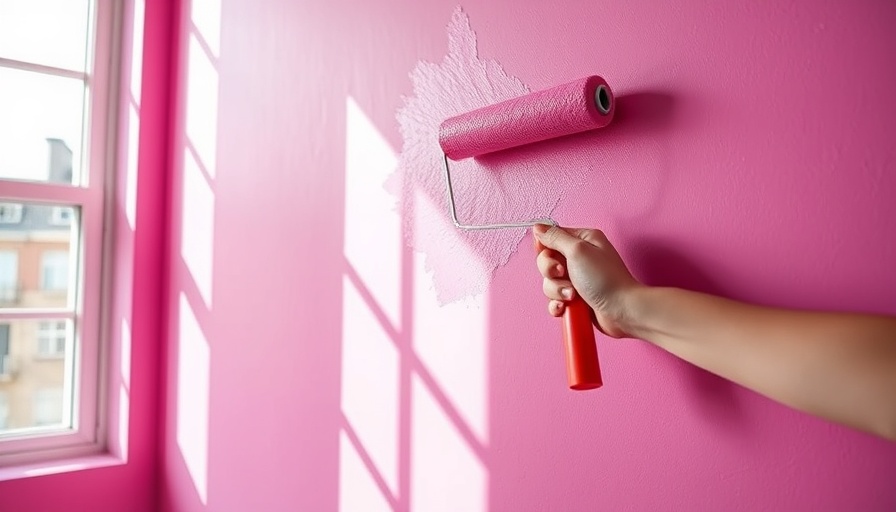
Man painting wall magenta with blue roller, painting house dark color, close-up.

Understanding the Impact of Paint Color on Home Temperature

Painting your house a dark color can significantly affect how warm it feels inside, particularly in colder climates. Dark colors absorb more sunlight, which can help maintain a cozy internal environment during colder months. However, homeowners must weigh aesthetic choices against practical implications to ensure energy efficiency and comfort.

The Science Behind Color and Heat Retention

Darker paints have a higher capacity to absorb heat compared to lighter shades. As noted by Jim Marino, CEO of Pinnacle Home Improvements, "color plays a role in energy efficiency, but it’s only one piece of that puzzle." The overall efficiency also rests on factors like insulation quality, ventilation, and material types used in building the home. Metal roofs heat up swiftly, whereas materials like brick can retain heat for extended periods. Therefore, when choosing a color, consider not just personal preference but also how your home's materials influence temperature management.

Choosing the Right Dark Color Based on Climate

When deciding on hues, the local climate can make a substantial difference. For warmer regions like Florida, selecting colors with a Solar Reflectance Index (SRI) under 50 can be beneficial for gaining heat. However, in chillier areas such as Alaska, embracing deeper shades can help trap warmth effectively. Colors like deep browns, navy, or charcoal linger on the list of ideal choices for cold-weather homes.

Balancing Aesthetic and Functional Qualities

While dark colors can infuse charm and coherence to your home's exterior, it's essential to balance aesthetics with practicality. The choice of color should complement the landscape and reflect personal taste while optimizing energy efficiency. Lighter accents and ample natural light can create a welcoming atmosphere even within darker palettes.

The Potential Psychological Effects of Dark Colors

Dark tones certainly make a statement, yet they can also influence mood. According to George Carrillo of the Hispanic Construction Council, colors like deep gray or black can evoke a sense of confinement or heaviness when overused. Integrating lighter elements can help strike the perfect balance, ensuring your home feels as inviting as it looks while benefiting from enhanced energy efficiency.

Practical Tips for Maintaining Comfort in Dark-Colored Homes

To maximize the benefits of using dark colors, homeowners can consider specific paint finishes and materials. For example, matte finishes absorb more heat than satin or semi-gloss, which can contribute to a warmer environment. Moreover, utilizing paints designed with heat-reflective technology can also help in maintaining an optimal internal temperature while indulging in richer shades.

Additionally, if you consider darkening your home's exterior, attention should be paid to the type of siding. Experts discourage painting vinyl siding in dark colors due to potential melting issues from excessive heat absorption.

A Final Note on Roof Colors

If painting your house also extends to roof choices, remember a black roof can dramatically increase indoor warmth. For homes with insufficient insulation or ventilation, opting for a black roof might exacerbate heat retention issues. Therefore, balance between color aesthetics and practical concerns is paramount.

Conclusion: Make Informed Choices for Your Home

Understanding how color affects your home's thermal properties is essential for maximizing comfort and energy efficiency. Make informed choices by considering your climate, the materials of your home, and how you want your space to feel. For more handy tips on home maintenance and DIY projects, consider exploring your options to ensure a beautiful and functional living space.

Maintenance / Repairs

0 Comments

Write A Comment

*
*
Please complete the captcha to submit your comment.
Related Posts All Posts
05.25.2026

Discover Effective Ways to Lower Humidity and Banish Musty Smells Fast

Update The Humidity Dilemma: Understanding the Problem Humidity is not just a seasonal irritant; it can wreak havoc on your home’s structure and air quality. When the levels rise above the comfortable 30-50% range recommended by Energy Star, you may start to feel the effects ranging from sticky air to that unforgettable musty smell that makes everyone wonder if your attic is a wildlife preserve. Not only does this moisture promote mold growth, but it also makes your living space uncomfortable. Signs of High Humidity and Its Impact So, how do you know when humidity is turning your blissful abode into a damp dungeon? Look out for condensation on windows, peeling paint, or a prevailing musty odor lurking in corners. Also, your body will let you know through increased sweating and general lethargy—your home is trying to tell you something! But don’t worry; there are more solutions to this sticky situation than a collection of fans and an open window. Top Strategies to Lower Humidity Levels Here’s a compiled list of the most efficient methods, based on the collective wisdom from pros who’ve dealt with the humidity monster themselves. Run the Air Conditioner: Instead of letting your AC become a luxury item for warm days, turn it on even when the temperature is comfortable. It helps to extract excess moisture while cooling your home. Install Dehumidifiers: Dehumidifiers are the unsung heroes of humidity control. Portable units can work wonders in a single room, while whole-home systems tackle broader issues. Just ensure they're appropriately sized for your space. Increase Air Circulation: Stagnant air only perpetuates humidity. Use ceiling fans, and don't forget to open interior doors to let air flow freely. Seal Cracks and Insulate: Check for drafts around doors and windows. Weather stripping and caulk can block humid air sneaking in from the outside. Exhaust Fans in Humid Areas: Use exhaust fans during cooking and showering to vent out excess moisture. They’re essential in bathrooms and kitchens where humidity gathers. Baking Soda: The Moisture Absorber: Place bowls of baking soda around rooms to absorb moisture passively. When the moisture turns it hard, just replace it! Setting Up for Future Humidity Control If you’re still facing difficulty after implementing these tips, it may be time to call in an expert. A professional can provide insights into hidden mold spots or structural issues causing moisture retention. Plus, regular HVAC maintenance will ensure your system keeps up with your home’s demands, especially during humid months. Freshen Up with a Few Additional Tips A swift reminder—occasionally checking for leaking pipes can save you from bigger headaches down the line. Even the smallest leak can gradually escalate moisture levels in your home. Remember, a little vigilance goes a long way in maintaining a dry and safe space. Conclusion: Why Humidity Shouldn’t Be Your Home’s Arch-nemesis Tackling humidity is an ongoing effort, but with the right approach and a little elbow grease, you can reclaim your space from that unwanted moisture. From high-tech dehumidifiers to old-school methods like baking soda, there’s no excuse for living with conditions that make you feel uncomfortable. Implement these tips and breathe easily—your home deserves it!

05.23.2026

Discover the Beatbot AquaSense 2 Pro: A Smart Upgrade for Pool Owners

Update Beatbot AquaSense 2 Pro: Revolutionizing Pool Cleaning As a proud owner of a swimming pool, the prospect of maintaining its pristine condition can be daunting. Every so often, a product emerges that makes this tedious task significantly easier. Enter the Beatbot AquaSense 2 Pro, a smart robotic pool cleaner that promises to change the game for pool owners. This review dives deep into its features, performance, and whether it's worth the investment. A Game-Changer for Homeowners The Beatbot AquaSense 2 Pro boasts a range of features aimed at simplifying pool maintenance. It can clean pools up to 3,875 square feet—a generous size for most residential pools. This robot isn't just a traditional cleaner; its CleverNav Smart Navigation System utilizes advanced technology to map and adapt to the shape of your pool. Be it rectangular, round, or freeform, the AquaSense ensures a thorough clean. Understanding Its Intelligent Features Robust Battery Life: With up to 10 hours of runtime for surface cleaning and 5 hours for deeper cleaning, the AquaSense makes it feasible to cover large areas in one go. Self-Parking Design: Once it completes its cleaning cycle, it parks itself at the surface for easy retrieval—no more fishing out cumbersome equipment. Eco-Friendly Clarification: Paired with the ClearWater Natural Clarification kit, it transforms cloudy water into crystal clear perfection without harsh chemicals, making it a safe option for families with kids and pets. A Deep Dive into User Experience After using the Beatbot AquaSense Pro since May 2025, many users find that it handles various debris types—sand, leaves, insects, and more—effectively. This is significant for homeowners, especially those living in areas like Florida where pollen and dirt can accumulate rapidly. One user stated that after professional cleaning, the robot could maintain the pool's cleanliness with minimal supervision, reducing the frequency of required manual cleaning. What Our Testing Revealed Upon unboxing, the AquaSense proved to be user-friendly. The assembly was straightforward, and within three hours, it was ready to clean. One standout feature is its app connectivity. Homeowners can control the cleaning process remotely, an essential aspect for tech-savvy users wanting constant oversight. Price Point and Warranty With a price tag around €1,899, the Beatbot AquaSense 2 Pro includes a three-year warranty, which adds value given the advanced technology incorporated into the product. Compared to traditional cleaners, which often require ongoing parts and power costs, the AquaSense offers a more eco-friendly and cost-effective solution in the long run. Conclusion: Essential for Pool Owners In conclusion, the Beatbot AquaSense 2 Pro is ideal for homeowners eager to free themselves from the repetitive chore of pool cleaning. Combining intelligent navigation with a user-friendly interface makes it a standout choice. Whether you're looking to improve your pool maintenance routine or simply want more time to enjoy your pool, investing in the AquaSense may be the best decision you make this season. Have you tried the Beatbot AquaSense 2 Pro? Share your experiences or considerations in the comments below. The future of pool maintenance is here, and it’s smarter and easier than ever!

05.22.2026

Maximize Your Home's Air Quality: How to Choose a Bathroom Fan

Update Choosing the Right Bathroom Fan: The Key to Optimal Air Quality Bathrooms are integral to our daily routines yet often overlooked during home renovations, with many homeowners not realizing the pivotal role a bathroom fan plays in maintaining air quality. An effective bathroom fan protects your investment by preventing moisture, mold, and odors from taking hold in one of the most utilized spaces in your home. With varying options available, this guide breaks down essential factors to consider when selecting the right bathroom fan. Understanding Fan Capacity: The Importance of CFM Ratings The fan's airflow capacity is the most crucial specification, indicated by its CFM (cubic feet per minute) rating. The rule of thumb is to prioritize 1 CFM per square foot of bathroom space. For example, a 50 square foot bathroom should have a minimum of 50 CFM. Additionally, codes in various regions like Seattle dictate minimum requirements of 50 CFM for intermittent use and 20 CFM for continuous ventilation, emphasizing the importance of sufficient airflow for both functionality and code compliance. No More Noisy Fans: Understanding Noise Levels and Sones Noise levels, measured in sones, are often underappreciated during the selection process. A fan rated under 1.0 sones is whisper-quiet, making it ideal for adjoining bedrooms or serene environments. Unfortunately, many homeowners make the mistake of opting for cheaper models, ending up with models as loud as 4 sones, which can become a nuisance. As a general guide, strive for models that operate around 1.5 sones for a balance between quietness and effective ventilation. Aesthetic and Functional Upgrades: The Rise of Dual-Function Fans Bathroom fans with integrated lighting are increasingly popular during renovations. It combines utility with aesthetics, providing an efficient lighting solution alongside reliable ventilation. These dual-function designs range from basic models to architectural designs with sophisticated LED lighting and night-light options. For homeowners desiring luxury, models equipped with heating elements allow for a warm escape after showers, particularly appealing in colder climates. Incorporating Smart Technology: The Modern Bathroom Fan With technological advances, modern bathroom fans now incorporate features such as humidity sensors, which automatically activate the fan when moisture levels rise. This automation is particularly beneficial, eradicating the need for family members to remember to turn the fan off post shower—helpfully ensuring that excessive humidity doesn’t linger. Tailored Recommendations: The Best Bathroom Fans on the Market Numerous models stand out on the market for their reliability, efficiency, and user-friendly features. The Panasonic Whisper Choice DC Pick-A-Flow is a top recommendation, known for its quiet operation and energy efficiency. The Broan NuTone series offers budget-friendly options without compromising on performance—ideal for standard installations and average-sized bathrooms. Alternatively, models like the Delta Breez feature built-in humidity sensors, automating ventilation tasks that safeguard your home’s air quality. Maintenance: Ensuring Longevity and Functionality of Your Bathroom Fan Proper maintenance extends the lifespan of your bathroom fan and ensures effective moisture control. Regular cleaning of the fan's grille and blades prevents obstructions that inhibit airflow. A good practice is to inspect the fan every six months, check for obstructions in the ducting, and ensure the fan is venting outside as required, which is crucial to effectively manage humidity and prevent mold growth. Take the Next Step: Elevate Your Bathroom's Air Quality Investing in the right bathroom fan is essential not just for immediate comfort but long-term home maintenance. A quality exhaust fan not only aims to reduce humidity but enhances air quality and protects your home from damage caused by moisture over time. For any homeowner looking to improve their home's health and efficiency, selecting a high-performance bathroom fan is a smart financial decision. Explore the market today to find a fan that meets both your functional needs and aesthetic preferences. Protect your investment and enhance your comfort with the right choice!

Terms of Service

Privacy Policy

Core Modal Title

Sorry, no results found

You Might Find These Articles Interesting

T
Please Check Your Email
We Will Be Following Up Shortly
*
*
*