
Add Row
Add Element
UPDATE
Add Element
  • Home
  • Categories
    • Cleaning & Moving
    • Maintenance / Repairs
    • Remodeling & Construction
    • Landscaping / Outdoor
    • Security & Technology
    • Sustainability, Health & Safety
    • Interiors / Décor
    • Expert Interviews
    • DIY Home Projects
Home Wise News!
Wise Insights, Reliable Contractor Advice & Hands on DIY Know How for Savvy Homeowners
June 19.2025
2 Minutes Read

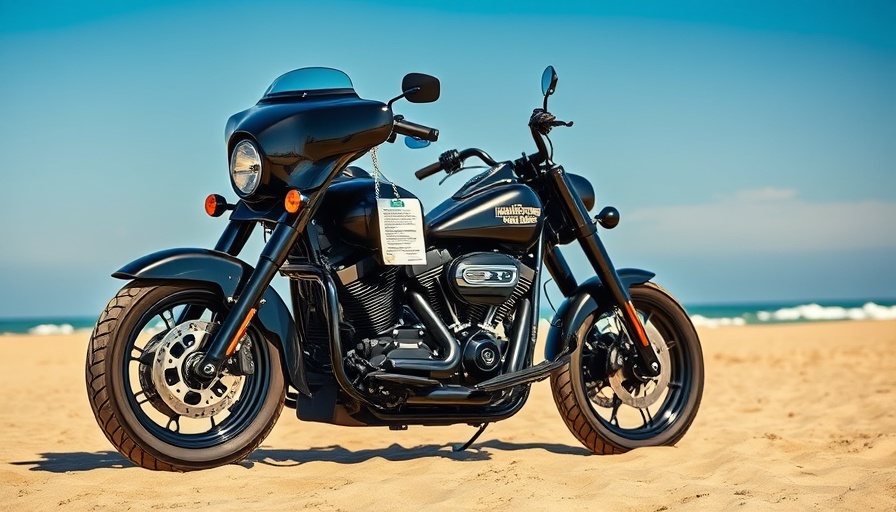
Don't Risk It: 82,000 Harley-Davidson Motorcycles Recalled for Tire Safety

Harley-Davidson motorcycle recall notice on a black bike at the beach.

Harley-Davidson's Recall: What's Happening?

In a significant safety announcement, Harley-Davidson has issued a recall impacting over 82,000 motorcycles due to concerns with the rear tires. The National Highway Traffic Safety Administration (NHTSA) identified that the mounting tab on the rear shock preload adjuster may break, which can lead to tire damage and a hazardous drop in tire pressure. This poses a grave danger not only to the rider but also to others on the road.

Understanding the Risks

Motorcycle safety cannot be overstated. A sudden loss of tire pressure is a severe risk factor for crashes, something that all motorcycle riders should be acutely aware of. The NHTSA defined this loss as a potential precursor to accidents, making it essential to monitor tire conditions diligently. Riders are urged to regularly check their tire pressure and minimize road use until they can have their motorcycles repaired.

Who Is Affected?

The recall affects several models of the Harley-Davidson Softail series from 2018 through 2024. Owners of these models should be on the lookout for correspondence from Harley-Davidson, which will be sending out letters to inform owners about the recall details.

How to Address the Issue

If you own one of the recalled models, the good news is that Harley-Davidson will provide repairs at no cost. Motorcycle enthusiasts need to make an appointment with their local dealer to have a new bracket installed that will prevent tire damage. Ignoring tire pressure warnings can result in dangerous situations, including blowouts and accidents.

Steps for Motorcycle Owners

For riders impacted by this recall, here are the steps you should follow:
1. **Check Your Mail**: Keep an eye out for official communications from Harley-Davidson regarding the recall.
2. **Examine Tire Pressure**: Frequently check your tire pressure, especially if you notice any changes in riding performance.
3. **Visit a Dealer**: Schedule a visit with a Harley-Davidson dealer promptly to get the necessary repairs.
4. **Contact Customer Service**: Should you have questions or need further assistance, reach out to Harley-Davidson customer service at 1-800-258-2464, referencing recall number 0188.

The Importance of Timely Action

For motorcycle enthusiasts, understanding the implications of tire safety is crucial. The urgency of addressing this recall reflects a broader theme within motorcycle maintenance — proactive measures can make the difference between safety and risk. Nurturing a culture of precaution leads to a safer riding community.

Final Thoughts

In conclusion, if you're a Harley-Davidson owner affected by the recall, it is imperative that you take action immediately. Not only does riding with defective tires risk your safety, but it also endangers other motorists on the road. By addressing this issue promptly and following the steps outlined above, you can continue enjoying your Harley with peace of mind.

Stay safe and informed, and remember that routine checks and maintenance are key in ensuring the integrity of your motorcycle riding experience.

Maintenance / Repairs

0 Comments

Write A Comment

*
*
Please complete the captcha to submit your comment.
Related Posts All Posts
04.11.2026

Why Hiring a Local Plumber is Essential During Emergencies

Update Hiring a Local Plumber: Critical for Emergency Situations When plumbing emergencies strike, homeowners often find themselves in stressful and time-sensitive situations. Burst pipes, overflowing toilets, and sewage backups can escalate quickly, causing both damage and discomfort. This is where hiring a local plumber becomes crucial. Quick response times and local expertise can make all the difference. Emergency plumbers are trained to tackle plumbing problems that can wreak havoc on homes, and their local knowledge helps ensure a faster resolution. The Importance of Local Expertise in Plumbing Emergencies Local plumbers understand the distinct plumbing challenges faced in specific regions. They are familiar with the area's plumbing codes and regulations, which can aid in speedy repairs while maintaining compliance. From experience, they know common plumbing issues within the community, such as old pipes prone to bursting in cold weather. Furthermore, they can arrive quicker than out-of-town contractors, reducing the wait time during emergencies. Common Plumbing Emergencies What constitutes an emergency? Standard plumbing issues escalate into emergencies when they threaten to cause damage. These include: Burst pipes: These can lead to flooding, water damage, and mold growth. Overflowing toilets: A matter of both sanitation and hygiene, this requires immediate attention. Blocked drains: Severe clogs can cause wastewater to back up into your home. Broken water heaters: Lack of hot water impacts daily living and can signal larger issues. Sewer backups: These are serious health hazards and require specialist intervention. Immediate Actions to Take During a Plumbing Emergency While waiting for a professional to arrive, homeowners can take specific actions to minimize damage: Shut off the water: Locate your main shut-off valve and turn it off to halt the flow. Contain the situation: Use towels, buckets, or even a wet/dry vacuum to control the water. Avoid major repairs: Attempting to fix complex problems can worsen the situation and pose safety risks. It’s better to rely on local plumbers who are equipped for emergencies. Why Choose a Local Plumbing Service? Emergency plumbing services often provide a 24/7 response, ensuring help is only a phone call away. Companies like Roto-Rooter and First Priority Plumbing emphasize rapid response times, allowing them to assess and repair issues before they escalate. Both companies highlight that their licensed professionals are not just skilled but also come equipped with the necessary tools and expertise to handle emergencies effectively. Relying on local professionals means you receive a combination of knowledge, speed, and reliability. Customer Experiences: Testimonials and Feedback Local testimonials speak volumes about service quality. Homeowners frequently express appreciation for timely responses and successful outcomes. For instance, one customer shared their relief at how quickly their local plumber addressed a major leak, highlighting the difference in service compared to larger, national chains. Personal connections often lead to trust, which is invaluable during a plumbing emergency. Emergency Plumbing Resources Staying informed before issues arise can save homeowners time and money. Here are some resources to consider: Keep a list of local emergency plumbers handy. Research your plumbing systems, and understand common issues in your area. Familiarize yourself with the main water shut-off valve in your home. A Final Word When faced with a plumbing emergency, having a reliable local plumber can save homeowners from stress and potential disaster. With their expertise and quick response, these professionals ensure that your home remains safe and comfortable. Remember to proactively engage with plumbing services before emergencies arise to foster relationships with local experts who can assist when it matters most. Don't wait for emergencies to happen—familiarize yourself with local plumbing services and prioritize their contact information. By being prepared, you can address any plumbing crisis efficiently and effectively.

04.10.2026

Why Do Some Coins Have Ridges? Unlocking the Secrets of Reeding

Update The Importance of Coin Ridges: Understanding ReedingHave you ever examined a quarter or a dime and wondered about the tiny grooves running along the edge? You’re not alone. Known as "reeding," these small ridges serve a critical purpose that dates back centuries, stemming from the prevention of coin tampering to enhancing usability for individuals with visual impairments.Historical Context: The Rationale Behind RidgesThe introduction of coin ridges can be traced back to practices like coin clipping, where thieves would shave the edges of precious metal coins, such as gold and silver. As these coins held intrinsic value due to their metal content, the financial incentive for clipping was high. The innovative solution, reeding, made this tampering obvious. If a coin was altered, the distinct edges would show signs of wear, revealing the fraud immediately.The Evolution of Coin Manufacturing: From Hand-Hammering to Precision MintingHistorically, coins were produced through hand-hammering, making them irregular and easy targets for thieves. However, the mid-1500s saw a shift to mechanical minting processes which ensured coins were round and consistent. The inclusion of reeding during this production phase not only added security but also enhanced the aesthetic and functional qualities of coins.The Dual Functionality of Ridges in Modern EconomicsWhile today’s coins are not made of precious metals, ridges still play a significant role. They help distinguish between denominations quickly, essential for cashiers and individuals sorting coins. Beyond convenience, for those with visual impairments, the ridges provide a tactile recognition system, allowing easier handling of money. In this way, reeding ensures accessibility in everyday transactions, reflecting an inclusive approach to currency design.Modern Significance: Coins Without RidgesNot all coins feature ridges; pennies and nickels are common examples due to their base metal composition, which doesn’t necessitate added security measures. However, the use of reeding persists even in lower denominations, keeping a consistent design that consumers have come to trust. The comfort of familiarity in currency design fosters public confidence, an essential aspect of monetary systems.Practical Implications of Coin Ridges for ConsumersUnderstanding why some coins have grooves and others don’t goes beyond mere curiosity. This knowledge helps consumers appreciate the measures taken to ensure the reliability and integrity of their everyday money. Whether you are engaging in a DIY project requiring budgeting or simply sorting through a jar of coins, knowing the practical benefits of reeding enhances your day-to-day financial interactions.The Future of Coin Design and the Relevance of RidgesExpectations for coin design are evolving, yet the principles behind reeding remain rooted in historical practices. As we advance, incorporating modern technologies alongside traditional designs ensures currency remains secure and efficient. Innovations may lead to new forms of tactile features, catering to various user needs while keeping historical integrity intact.Conclusion: A Connection to Our Financial HeritageNext time you handle a quarter or examine a collectible coin, consider the journey those tiny ridges have taken through history. The mere existence of reeded edges serves as a reminder of humanity’s efforts to secure our finances against fraud and maintain the integrity of currency. The study of coin edges encapsulates not just a feature of currency but a legacy of craftsmanship and innovation that affects real-life transactions today. While you peruse through your change, take note of how deeply connected we are to these small, yet significant aspects of our economic systems.

04.09.2026

Discover Why You Should Never Store Certain Items in Your Laundry Room

Update Why Your Laundry Room Isn't a Safe Haven We all know the laundry room as a space for washing, drying, and folding our favorite clothes, but is it truly a safe storage haven? As it turns out, there are several items you should steer clear of placing in this space due to moisture, heat, and a few other unsavory characteristics unique to laundry rooms. Let’s unpack the reasons behind these recommendations and what they mean for your home. 1. Fresh Produce: The Surprising Reality Although it might seem innocuous to store apples or tomatoes near the washing machine, fruits and vegetables flourish best in controlled temperatures away from humidity. In a laundry room, they risk spoilage, as moisture-laden environment can lead to mold growth. According to the USDA, storing produce in a consistently cool environment is essential for longevity. So, instead of tossing those vegetables onto the shelf next to your detergent, perhaps consider a dedicated pantry or kitchen area. 2. Important Documents: Moisture Isn’t Your Friend Are you guilty of tucking away bills and important paperwork into laundry room cabinets? This could be a critical mistake. The damp climate affects not only paper quality but can lead to irreversible damage over time. Instead, opt for a waterproof storage box stored in a dry area, such as a home office or filing cabinet. This quick reassessment could save you from future headaches while searching for that vital tax document. 3. Electronics: The Moisture Danger Zone Nowadays, a smart home is just a click away, and with that comes the influx of electronic devices—which many assume can be stored anywhere. Think again: placing devices like routers or smart speakers in your laundry room could lead to moisture damage that compromises their performance. As a tech enthusiast, I can’t stress this enough—protect your gadgets by storing them in climate-controlled spaces away from any potential water hazards. 4. Cleaning Supplies: A Ticking Time Bomb While it’s tempting to keep all cleaning supplies in one easy-to-access location, doing so in a laundry room poses safety risks. According to health experts, placing chemicals in humid areas can compromise their efficacy and increase the chances of leakage from deteriorated containers. For safety’s sake, storing them in a locked cabinet, preferably in a more stable environment, is ideal. Ensure that you follow any specific storage guidelines outlined by the manufacturer for best results. 5. Photos and Keepsakes: The Moisture Absorbers Treasure boxes of family photos and keepsakes belong in the dryest corner of your home. Unfortunately, laundry rooms bustle with humidity that could warp and ruin memories. Protect your sentimental items by choosing a more stable area, where moisture isn’t an enemy lurking around every corner. Consider investing in airtight storage solutions to ensure your memories remain intact. 6. Pet Supplies: A Cozy Home for Pests If you’re a pet owner, you might find it convenient to store food and supplies in the laundry room. However, the combination of moisture and warmth can invite unwanted pests, leading to potential cross-contamination. Storing pet supplies in a sealed container, away from the often warm and moist laundry room, minimizes risks. After all, nobody wants a family of ants enjoying Fluffy's kibble! Final Thoughts: Decluttering Your Space for Better Living Being mindful of what you store in your laundry room will enhance the overall functionality of the space, not to mention bolster your household's safety. Take a moment to evaluate your current storage practices and make adjustments as necessary. Identifying spaces within your home for specific items significantly contributes to a more organized and efficient living environment—and who wouldn’t appreciate less clutter? Ultimately, your home reflects the various lifestyles you lead, and being intentional about your storage methods solidifies that reflection. As you continue rearranging your space, it may also be worthwhile to consider upcoming trends in home organization or the latest smart home technologies that streamline your chores. Trust me, your future self will thank you!

Terms of Service

Privacy Policy

Core Modal Title

Sorry, no results found

You Might Find These Articles Interesting

T
Please Check Your Email
We Will Be Following Up Shortly
*
*
*