Add Row
Add Element
UPDATE
Add Element
  • Home
  • Categories
    • Cleaning & Moving
    • Maintenance / Repairs
    • Remodeling & Construction
    • Landscaping / Outdoor
    • Security & Technology
    • Sustainability, Health & Safety
    • Interiors / Décor
    • Expert Interviews
    • DIY Home Projects
Home Wise News!
Wise Insights, Reliable Contractor Advice & Hands on DIY Know How for Savvy Homeowners
June 02.2025
2 Minutes Read

Enhance Home Aesthetics and Value with Bay Windows: What You Must Know

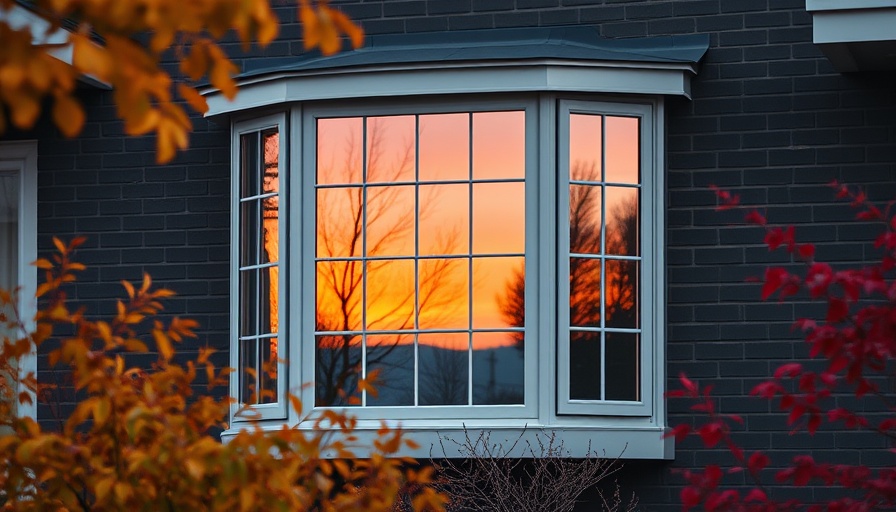
Bay window installation on a brick house at sunset.

Transform Your Home with Bay Windows

Imagine starting your day with natural light flooding into your living space, offering breathtaking views of your home’s surroundings. Bay windows are the perfect architectural feature that not only enhances the beauty of your home but also increases its value. Homeowners considering this addition should be aware of their benefits and installation challenges to make an informed decision.

Why Choose Bay Windows?

Bay windows extend outward from the home’s structure, creating a unique aesthetic that can elevate any room. Not only do they allow an abundance of natural light, but their design also provides additional interior space and panoramic views. Real estate experts agree that homes featuring bay windows appeal more to potential buyers, making them a savvy investment for homeowners looking to increase property value.

Types of Bay Windows Explained

Different styles cater to various architectural designs. For instance, box bay windows have a flat front and work well with modern home designs, while canted bay windows, characterized by sharp angles, complement Victorian aesthetics. If you lean towards a traditional look, circle bay windows feature soft curves that add elegance to classic homes.

Essential Structural Considerations

Installing bay windows involves significant structural planning. Often, they necessitate additional support, including a cantilevered floor or ties to the roof. If your existing wall is load-bearing, it's crucial to consult with a licensed contractor or structural engineer. Engaging professionals ensures safety and mitigates future complications.

Choosing the Right Materials: A Key to Success

The material composition of bay windows plays a vital role in durability and maintenance. Common options include:

  • Vinyl: Cost-effective and low maintenance, but may warp over time.
  • Wood: Offers a classic appearance but requires regular upkeep.
  • Aluminum: Highly durable and sleek but lacks thermal insulation.
  • Fiberglass: Extremely strong and energy-efficient but tends to be pricier.

Understanding Energy Efficiency and Insulation

Effective insulation is crucial as large windows can lead to heat loss. Homeowners should consider double or triple-pane windows, particularly those with low-E coatings. Studies indicate that energy-efficient windows can reduce energy consumption by 12-33%, translating to significant savings on energy bills over time. Adding foam insulation around the frames further enhances energy efficiency.

Final Thoughts on Bay Windows

Bays windows add undeniable charm and functional benefits to your home. With careful consideration of design, materials, and installation requirements, you can enjoy the aesthetic appeal and energy efficiency that bay windows offer. Embrace the vision of your home with this standout feature!

Remodeling & Construction

Write A Comment

*
*
Related Posts All Posts
01.17.2026

Discover the Latest Kitchen Layout Trends Shaping Modern Homes

Update Redefining Spaces: The Kitchen's New Role in the Home In recent years, the kitchen has transformed from a utilitarian space into the heart of the home. In Franklin, TN, and beyond, it is where families gather, friends mingle, and culinary creativity thrives. This shift has led homeowners to prioritize kitchen layouts that enhance function, foster social interactions, and accommodate everyday life. The latest trends spotlight innovative design solutions that not only beautify the space but also streamline tasks, making the kitchen a seamless extension of the living environment. Embracing the Zoned Kitchen Concept The traditional kitchen work triangle has served designers for decades, but modern usage has necessitated a fresh perspective on layout. The move towards zoned kitchens promotes organization around specific culinary tasks, rather than confining them to a triangular arrangement. By establishing dedicated prep zones, cooking areas, and cleaning stations, homeowners can navigate their kitchens more intuitively, allowing multiple cooks and guests to comfortably share the space. This zoned approach enhances flow, minimizes congestion, and makes cooking more enjoyable, especially in open-concept designs. The Centrality of Oversized Islands Among the most prominent kitchen layout trends is the oversized island, which has cemented its role as the functional centerpiece of modern kitchens. In many Franklin homes, these expansive islands serve a multitude of purposes: from additional prep and dining space to integrated storage and even appliances. They create inviting hotspots for family and friends to gather, facilitating social interaction while cooking. A well-designed island not only supports the daily routine but also enhances the aesthetic appeal of the kitchen, underpinning its importance in both function and form. Defining Spaces in Open-Concept Designs While open-concept kitchens remain extremely popular, there’s a burgeoning trend towards creating purposeful distinctions within these fluid spaces. Innovative design elements like varied ceiling heights, distinct lighting, or unique cabinetry can gently delineate the kitchen from adjoining living areas. This way, the kitchen maintains its inherent connection to the home without losing its identity as a dedicated, functional area. Homeowners can enjoy the vastness of an open layout while benefiting from an aesthetically structured kitchen space. Innovative Storage Solutions: Walk-In Pantries Another emerging trend is the implementation of walk-in pantries that offer centralized storage solutions. These spaces have become increasingly popular in modern kitchen designs, allowing homeowners to keep their main cooking area clutter-free. By housing kitchen necessities out of sight, walk-in pantries enhance both organization and accessibility. This creates a cleaner aesthetic while streamlining the cooking process, making it an ideal solution for households that prioritize efficiency. Warming Up with Organic Elements As discussed in modern kitchen design guides, incorporating earthy tones, organic textures, and natural materials is key to cultivating a welcoming atmosphere. Homeowners are embracing palettes that mirror the environment—think warm browns, earthy greens, and deep blues. Materials like reclaimed wood, stone backsplashes, and natural fiber accents allow for a cohesive look that makes the kitchen feel more grounded and harmonious. Bringing Technology into the Mix As functionality and aesthetics intertwine, the emergence of technology-savvy kitchens is noteworthy. Smart appliances that offer high efficiency and multi-functional capabilities provide convenience to busy families. From refrigerators that monitor inventory to ovens that can be controlled from a smartphone, today’s kitchens are increasingly tailored to fit the needs of the modern resident. Embracing technological trends allows homeowners to enhance their culinary experiences while keeping pace with contemporary demands. Closing Thoughts: Upgrading Your Kitchen for a Modern Lifestyle In today's context, understanding these kitchen layout trends is crucial for homeowners planning remodels or new builds. Incorporating zones, oversized islands, open spaces with defined characteristics, and integrating technology can transform a kitchen into a multifunctional haven. As homeowners, it’s essential to thoughtfully consider how these design elements not only meet aesthetic desires but also enhance daily life. In this age of connection and interaction, creating a kitchen that mirrors personal lifestyles and accommodates social gatherings is more important than ever. Are you ready to elevate your kitchen experience? Start planning your remodel with these insights in mind!

01.13.2026

Explore the Real Costs of Bathroom Renovation in 2026

Update Unraveling the Costs of Your Dream Bathroom Renovation Embarking on a bathroom renovation journey is filled with excitement, but it can quickly lead to frustration when you confront the costs involved. Bathroom renovations in 2026 can range significantly—anywhere from a few thousand to over seventy thousand dollars. Understanding what drives these costs and how to plan your budget effectively is crucial for homeowners looking to transform their space. Understanding Average Renovation Costs In 2026, average costs for a bathroom renovation are as follows: Small Bathroom Renovation: Expect to spend between $5,000 and $15,000 for updates that may include new flooring, fixtures, and vanity replacements. Mid-range Renovations: These projects could cost between $15,000 and $35,000, often involving more significant changes such as moving plumbing or updating tiles. High-End Renovations: If you’re looking at a spa-like experience with custom features, be prepared to invest at least $35,000, potentially exceeding $70,000. This cost variability is driven not just by the scope of work, but also deteriorating conditions that could be revealed once renovations begin, and by the types of materials chosen. Factors Influencing Bathroom Renovation Costs Several factors will influence the overall cost of your renovation: Labor Costs: Labor can account for 40% to 65% of your total budget. This cost varies by region and complexity. For example, major cities often see higher labor rates due to increased demand. Materials: The choice of materials plays an essential role. You can find basic ceramic tiles at a lower cost, or select artisan handmade tiles at a premium price. Average costs for materials can balloon quickly depending on your preferences. Scope of Work: Whether you're doing a cosmetic upgrade or a full bathroom remodel will greatly affect pricing. Changing layouts (moving fixtures like sinks or toilets) will increase plumbing and electrical expenses significantly. Identifying Hidden Costs Even seasoned renovators can overlook certain hidden costs that can catch them off guard: Permits: Depending on your location, permits can add a thousand dollars or more to your project. Skipping permits may save money initially, but could result in larger complications later. Unexpected Issues: Once walls come down, issues such as mold or outdated plumbing might surface. A buffer of 10% to 20% in your budget to handle these surprises is smart. Temporary Arrangements: You may incur costs for temporary bathroom setups, such as gym memberships if your sole shower is out of commission. Maximizing Your Renovation Budget While renovations can be costly, there are some smart ways to save money: Maintain Existing Layout: Keeping plumbing in the same place can save you thousands. DIY Where Possible: If you're skilled, doing some work such as paint or simple fixture installations can reduce costs. Shop Smart: Look for sales, discounts, or wholesale suppliers to procure materials without overspending. Current Bathroom Trends Influencing Costs Trends in 2026 are particularly impacting bathroom renovations, including: Smart Features: Integrating technology such as smart mirrors or voice-activated showers can enhance convenience but add to costs. Sustainable Materials: Eco-friendly options like low-flow fixtures might come at a higher initial expense but provide long-term savings. Spa-like Retreats: Investing in luxuries like freestanding bathtubs or heated floors can transform your bathroom into a personal haven but consider them before budgeting. The Planning Process: Budgeting Tips To ensure your renovation goes smoothly, consider the following strategies: Set Clear Priorities: Divide your budget into essential needs vs. nice-to-haves to avoid overspending. Stay Informed: Familiarize yourself with average prices to spot fair deals and avoid overpriced services. Anticipate Contingencies: Always keep a reserve fund for surprise expenses; aim for around 10%-15% of your total budget. Conclusion: Create the Bathroom of Your Dreams Planning and executing a successful bathroom renovation doesn’t have to be daunting. By understanding the costs involved, utilizing strategic planning, and being aware of current trends, you can create a space that reflects both your style and budget. Emphasize functionality and aesthetic appeal without falling prey to hidden costs or poor planning. Ready to transform your bathroom? Start mapping out your strategy, research contractors, and take the first step towards your dream renovation!

12.28.2025

Transform Your Curb Appeal: Essential Tips for Painting Your Home's Exterior

Update Before You Begin: The Importance of PlanningChoosing to paint your home’s exterior is a significant commitment that requires careful planning. Before diving headfirst into task, assess the current state of your home’s exterior, as this will significantly influence both the duration and cost of your project. A well-prepared surface can save you from repeated efforts and expenses down the line.The Right Tools Make All the DifferenceUsing appropriate tools not only ensures efficiency but also enhances the finish of your paint job. As expert Andrew D’Amato from This Old House points out, a professional-grade paint sprayer is crucial for even coverage. Combine this with high-quality brushes for detailed work to achieve the sharpest lines and most vibrant finish.Preparation: More Than Half the JobBoth Andrew D’Amato and Philip Hansell emphasize that preparation is the key to long-lasting results. This can include scraping away old paint, sanding rough spots, washing surfaces, and applying primer. A thorough prep job can dramatically extend the life of your new coat. As D’Amato says, "More than half the job is not painting; it’s preparation.”Understanding Weather ConditionsTiming your painting project is critical. Moisture can wreak havoc on new paint, so aim to work on dry, calm days to ensure the best application. As noted in various professional guides, late spring or early fall often provides ideal weather for outdoor painting.Choosing the Right Paint for the JobSelecting a high-quality paint specifically designed for exterior surfaces is essential. Many homeowners underestimate how much paint quality affects the longevity and appearance of a paint job. Oil-based paints, for instance, are lauded for their durability and lasting finish, making them an excellent choice for exterior applications.Benefiting from Professional InsightEngaging with professionals, whether through online platforms or consultations, provides invaluable insights that can guide DIYers in making the right choices. From understanding color schemes to recognizing optimal materials, professional advice can enhance the overall aesthetic appeal of your home.Considering Environmental ConcernsAs we strive for sustainability, opting for eco-friendly paints or techniques can reduce your environmental footprint significantly. Look for low VOC (Volatile Organic Compounds) options to ensure your project complies with health and safety standards while also being kinder to your local ecosystem.Conclusion: So, You Want to Paint Your Home?Armed with the right tools, knowledge, and precautions, painting your home’s exterior can become an enjoyable and satisfying project. Whether you're undertaking the task yourself or hiring professionals, attention to detail will ensure that the outcomes are worth the effort. If you're ready to transform your home, start planning today and watch as your exterior evolves into a stunning showcase.

Terms of Service

Privacy Policy

Core Modal Title

Sorry, no results found

You Might Find These Articles Interesting

T
Please Check Your Email
We Will Be Following Up Shortly
*
*
*