
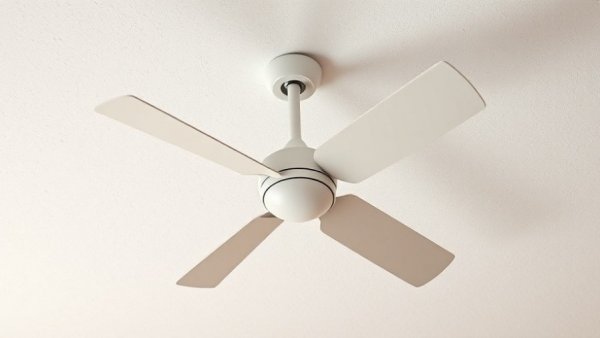
Understanding Ceiling Fan Direction: A Winter Necessity
As temperatures dip and winter settles in, many homeowners might think to enhance their comfort by utilizing ceiling fans. However, there's a catch: ceiling fans can be spinning in the wrong direction, making your home feel cooler rather than cozier. Understanding the optimal direction of your ceiling fan can not only improve the temperature of your space but also make your heating efforts more efficient. Proper fan orientation helps redistribute warm air more evenly, creating a stable temperature in each room and minimizing cold spots, which is especially useful in larger homes or those with high ceilings.
Why Fan Direction Matters in Winter
During colder months, the primary goal is to retain heat. Engineering principles dictate that warm air rises to the ceiling and cold air settles near the floor. A ceiling fan that spins counterclockwise can create a cooling breeze, which might be great in summer but does nothing to help you stay warm in winter. Instead, you want your ceiling fan to spin clockwise on a low speed, gently pushing the warm air back down into the living area. This reversal not only comforts occupants but can also enhance the performance of your heating system by distributing warmth more effectively throughout your home.
How to Determine the Right Direction for Your Fan
So how do you tell which way your fan is spinning? A simple observation is a good start. Turn the fan on and stand directly beneath it. If you feel a breeze on your face, it’s spinning counterclockwise—meaning it needs to change direction. Most ceiling fans come equipped with a switch on the motor housing that allows you to reverse the spin direction. With just a flick of a switch, you can optimize your comfort during the winter months. If your fan doesn’t have the switch, consult the manufacturer’s instructions or consider reaching out to a professional for assistance.
Energy Efficiency and Heating with Ceiling Fans
Utilizing a ceiling fan properly can lead to energy savings, making it a handy tool for efficiently heating your home. According to the U.S. Department of Energy, using ceiling fans in the winter can allow you to set your thermostat lower, translating to decreased heating costs. This right direction can result in noticeable savings over the long winter months, especially for those with extensive heating bills. Additionally, running your fan at a low speed consumes minimal electricity, providing an energy-efficient alternative to boosting your heating system's output.
Parallel Examples from Summer Usage
Interestingly, summer season practices provide a relevant comparison. In hot months, the mantra is to operate your ceiling fans in a counterclockwise direction to create a cooling effect. By drawing upon the parallel usage during hot months, we see how critical it is to adjust for seasonal differences—what works in one climate can be a hindrance in another. It's essential to remember that the same tool can serve different purposes depending on the time of year, enhancing your overall home comfort through simple changes.
Counterarguments: The Heat-Pump Dilemma
Not everyone is convinced of the benefits of adjusting fan rotation during winter. Some argue that modern heating systems, especially heat pumps, manage airflow and temperature effectively without reliance on ceiling fans. However, it may vary depending on the layout of your home and the efficiency of your heating system. Exploring the impact of fan direction highlights that there is no one-size-fits-all answer and that trial and error play an important role in optimizing comfort. Homeowners should assess how their fans work with their heating system, considering the unique aspects of their space when deciding whether to make adjustments.
Creating a Cozy Atmosphere
Beyond energy efficiency, the correct operation of ceiling fans impacts the overall ambiance of your home. A warm, inviting environment during the winter months involves various elements: lighting, furniture arrangement, and airflow. Including ceiling fans in your winter comfort strategy can foster a cozier atmosphere by maintaining consistent warmth throughout the space. Consider using your fan in conjunction with other warming methods, such as blankets, hot beverages, and well-placed furniture that blocks drafts, creating an inviting hideaway from the chill.
Practical Tips for Ceiling Fan Maintenance
Maintaining your ceiling fan is crucial to ensuring its effectiveness. Regular dusting and occasional cleaning of the blades ensure optimal performance. Accumulated dust can impede airflow, negating any benefits of having the fan on. Moreover, ensure that the motor functions efficiently; consider scheduling an annual check-up if you notice any inconsistency in its operation. Additionally, inspect the fans for any signs of wear and tear—loose blades or unusual noises may indicate the need for repairs. A well-maintained fan not only performs better but can also last longer, making your investment worthwhile.
Moving Forward: Comfort in a New Light
Understanding how to utilize your ceiling fan properly during winter could enhance both comfort and energy efficiency in your home. Take the time to assess your current needs—this small step in winter preparation could yield substantial results. As temperatures continue to dip, remember that a simple adjustment to your ceiling fan could dramatically improve your comfort levels. So, before the chill of winter fully sets in, make it a priority to check your ceiling fan's direction—your next cozy evening by the fireplace could depend on it! With the right adjustments, you’ll be well-equipped to embrace the winter season while staying warm and saving on energy costs.






Write A Comment