UPDATE
  • Home
  • Categories
    • Cleaning & Moving
    • Maintenance / Repairs
    • Remodeling & Construction
    • Landscaping / Outdoor
    • Security & Technology
    • Sustainability, Health & Safety
    • Interiors / Décor
    • Expert Interviews
    • DIY Home Projects
Home Wise News!
Wise Insights, Reliable Contractor Advice & Hands on DIY Know How for Savvy Homeowners
August 05.2025
3 Minutes Read

Exploring Cellular Internet: Is It the Right Choice for Your Home?

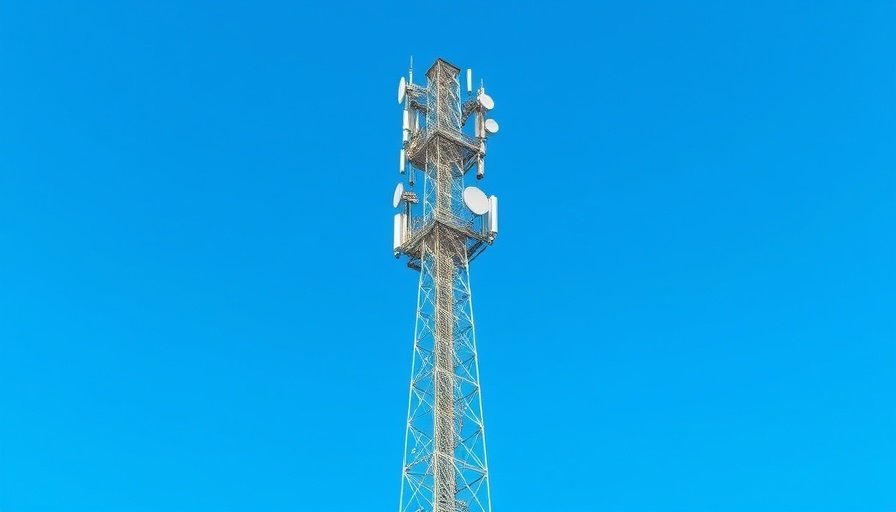
Telecommunications cell tower for cellular internet service in clear sky.

Understanding Cellular Internet: An Overview

In today's fast-paced digital world, having reliable internet access is essential, especially for households juggling remote work, online schooling, and streaming services. Cellular home internet, often known as fixed wireless, offers a compelling alternative to traditional cable and fiber internet services. As Americans face economic challenges and seek cost-effective solutions, the rise of cellular internet presents both advantages and considerations that homeowners should weigh before making a decision.

How Cellular Internet Functions

Cellular internet operates by connecting a dedicated device to nearby cell towers, similar to how smartphones access mobile data. This device, effectively a combination of a modem and router, is typically installed at no additional charge by service providers. Unlike cable or fiber options, there’s no need for physical infrastructure like cables or fiber optics. This makes cellular internet not only accessible but also quicker to set up, particularly in areas lacking traditional broadband services.

Cost-Effectiveness and Accessibility

One of the standout features of cellular internet is its affordability. Monthly costs generally range from $50 to $70, making it a competitive choice compared to cable and fiber, which can soar up to $110 monthly. With the high saturation of fixed wireless plans, carriers often introduce promotions, locking prices for new customers and making it an attractive option in an inflation-sensitive economy.

Speed and Reliability: A Balanced Perspective

While cellular internet makes a strong case for affordability and quick deployment, it does come with its limitations. Top speeds can reach around 1 Gbps, but most users experience speeds between 50 and 400 Mbps. This is generally sufficient for standard household needs—streaming video, online gaming, and browsing. However, it’s essential to note that during peak usage times, service might lag since these plans are often deprioritized on busy cell networks.

Current Providers: What to Expect

Several key players dominate the cellular internet market, including T-Mobile and Verizon, each offering services that cater to various customer needs. T-Mobile’s 5G Home Internet provides speeds up to 415 Mbps for a monthly fee of $50 to $70, while Verizon offers a similar price for its competitive range. With the transition to 5G, these providers are continuously enhancing their service quality, reflecting a trend toward faster, more reliable connections.

Should You Switch? Weighing the Pros and Cons

Like any major home decision, switching to cellular internet requires a thorough assessment of your specific needs. Here are some pros and cons to consider:

  • Pros:
    • Cost-Effective: Reduced monthly fees and potential bundled service discounts are major draws for economic-minded consumers.
    • Rural Accessibility: Cellular internet is ideally suited for rural households, bridging the digital gap where traditional services fall short.
    • Quick Setup: Installation is often streamlined, allowing users to get connected promptly without extensive delays.
  • Cons:
    • Variable Speeds: Customers may find themselves with slower speeds during peak hours, affecting the overall user experience.
    • Data Deprioritization: Expect potential reductions in service quality during busy periods, which could inhibit functionality during critical online tasks.

Best Practices for Maximizing Cellular Internet Performance

Understanding how to maximize your cellular internet experience can lead to a more satisfying outcome. Consider positioning your gateway device near windows for optimal signal reception and minimizing interference from walls or electronics. Regularly testing your internet speed can help you monitor fluctuations and address potential service provider issues as they arise.

Final Thoughts: Is Cellular Internet Right For Your Home?

As you evaluate the options available to you in the vast world of home internet services, cellular internet presents a viable, cost-effective solution, especially for those in areas where traditional methods fall short. By weighing the pros and cons and understanding the intricacies of this technology, homeowners can make informed decisions. For anyone considering this route, understanding the basics can ensure not only a smooth transition but also long-term satisfaction with your internet service.

Whether you’re a DIY enthusiast or just looking to optimize your home’s connectivity and efficiency, the future is bright with the possibilities that cellular internet brings. For more handyman tips and expert insight into home maintenance and repairs, stay informed with updated resources and articles that guide you on your DIY journey.

Security & Technology

0 Comments

Write A Comment

*
*
Please complete the captcha to submit your comment.
Related Posts All Posts
06.04.2026

10 Critical Home Security Steps for New Homeowners to Take Now

Update Essential Security Steps for Every New Homeowner Moving into a new home is an exhilarating experience, one filled with new beginnings and endless possibilities. However, it also comes with a unique set of responsibilities, primarily ensuring the safety and security of your property and loved ones. As a new homeowner, implementing key home security measures should be at the forefront of your action plan. Here are several steps that will not only enhance your home’s security but also provide you with peace of mind. 1. Change the Locks: Your First Priority Changing the locks on your new home is one of the most critical steps you can take. Even if the previous owners seemed trustworthy, you can never be too cautious about who might have copies of the old keys. Opting for high-security or smart locks can further enhance protection, allowing you to easily manage access and render old keys useless. 2. Install a Robust Security System Investing in a good home security system is a step that goes beyond mere precaution—it's an essential investment in your safety. Contemporary security systems offer features like motion detectors, window and door sensors, and video surveillance. These systems often allow for remote monitoring through smartphone apps, keeping you connected no matter where you are. 3. Visibility is Key: Illuminate Your Property Strategically placed outdoor lighting not only enhances the aesthetics of your home but it serves a practical purpose by deterring potential intruders. Motion-sensor lights are particularly effective, automatically illuminating areas when someone approaches. Make it a habit to check and maintain these lights regularly for optimal functionality. 4. Secure Windows and Doors Windows and doors are prime entry points for burglars. Equip all entry points with sturdy locks. Consider installing window bars or sensors that alert you to any unexpected openings. For sliding doors, utilize specialized locks that provide added security. 5. Build Relationships with Your Neighbors Getting to know your neighbors not only fosters community spirit but serves a practical purpose as well. Neighbors who look out for one another are key players in keeping the area safe. Consider forming or joining a neighborhood watch program to collectively enhance security efforts. 6. Maintain Your Landscaping: A Beautiful Barrier While beautiful landscaping can enhance your home’s curb appeal, overgrown shrubs and trees can provide perfect cover for burglars. Keep your landscape well-manicured, trimming back any dense foliage that could obstruct views of the home. This step not only aids in security but also contributes to overall home maintenance. 7. Utilize Timers for Lights If you’re away from home, consider using timers on your indoor lights. This creates an illusion of occupancy, making your home a less attractive target for burglars. 8. Secure Your Garage: Don’t Neglect this Entry Point Garages can be a wealth of valuable items and an easy entry point to your home if not secured properly. Invest in strong locks for garage doors. Never leave your garage open unattended, and consider installing additional security for any internal doors leading to your house. 9. Keep Emergency Information at Hand It’s wise to maintain a list of emergency contacts, including local police and fire departments, readily accessible. Family members should also be familiar with emergency protocols to respond effectively should the need arise. 10. Invest in a Video Doorbell Video doorbells provide an excellent way to enhance your home’s security. They allow you to visually screen visitors before answering the door, adding an extra layer of protection. This real-time access also helps in monitoring your porch status, deterring delivery package thefts. Conclusion: Secure Your New Beginning Securing your new home doesn’t need to feel overwhelming. By implementing these manageable yet effective steps, you create a safe and inviting environment for yourself and your family. Stay proactive, and never hesitate to seek advice or professional help if needed. Explore various DIY projects and handyman tips that can aid in your home maintenance endeavors while enhancing security. Protect what matters most as you settle into your new haven!

06.03.2026

Is It Really Safe to Run the Dryer When Nobody's Home?

Update Dryers and Home Safety: A Multifaceted ConcernAs the hum of your dryer fills your laundry room, a pressing question often lingers: is it safe to leave the dryer running while you are away? In today's fast-paced world, conveniences like running appliances while out can be appealing, but does this habit come without risks? The truth is, dryers can pose a safety risk if left unattended, primarily due to their potential as fire hazards. According to the National Fire Protection Association, dryers were the cause of an estimated 15,500 fires in 2019 alone. This fact underlines the importance of understanding both the safety protocols and technological advancements in home appliances that mitigate risks.Understanding Dryer RisksMany dryer-related home fires are due to lint build-up and the overheating of appliances. It’s crucial to ensure ducting is cleared regularly and lint traps are cleaned after each cycle. Innovations in smart home technology have provided solutions, enabling users to monitor their dryers remotely. For example, some modern dryers have integrated sensors that alert you when an abnormal temperature is detected, potentially preventing fires before they occur. But does this mean you can safely leave your dryer unattended? Not necessarily; while these features can enhance safety, the best practice is still to stay home when the dryer is in action.Igniting Concerns: Why You Shouldn’t Risk ItDangers aside, leaving appliances running while not at home also opens up security issues. What if your dryer malfunctions while you're out? Concerns around water or electrical hazards could create a dangerous situation. The dryer could continue to run, leading to serious damage or safety threats. Thus, even with modern technological advances, there’s no substitute for direct supervision.Historical Context: From Clotheslines to High-Tech DryersHistorically, drying clothes was a straightforward affair — hanging them out on clotheslines. But as technology progressed, the convenience of electric dryers became irresistible. Innovations over the decades have transformed dryers into sophisticated machines capable of reducing drying times, enhancing efficiency, and even offering steam cycle options. However, this increase in convenience has come with an equally valid concern for safety. With the ever-growing role of automation in our lives, we must critically assess the implications it has on our home and personal safety.The New Age of Smart Appliances One of the most significant advancements in dryer technology is the rise of smart appliances. Many modern dryers can now be controlled and monitored from your smartphone. This gives homeowners greater control and the ability to respond quickly if issues arise. Even more impressively, dryers equipped with smart technologies can alert you if there's a service issue or maintenance is needed, safeguarding you from potential hazards.Practical Tips for Safe UsageWhile modern conveniences might make it tempting to put the dryer on and head out, opting for some safety precautions can significantly reduce risks. Here are some practical tips:Always Clean Lint Filters: Make sure to clear the lint trap before every use.Regularly Inspect Ducts: Keep the venting ducts clean and unobstructed.Set Timers: If you must run the dryer while away, set the timer to ensure it doesn't run longer than expected.What the Future Holds: A Safer HouseholdThe future of home technology is undoubtedly impressive, with automation providing numerous benefits. The evolution of features designed to prevent appliance-related hazards will continue to develop, making everyday tasks safer for households. Consider the integration of smoke detectors that communicate directly with your smart home system, alerting you in case of alarming events even while you are away. The prospect of a fully automated, monitoring home keeps evolving, promising even safer environments that encourage convenience without compromising security.In Conclusion: Balance Convenience with CareUltimately, even with the innovations in dryer technology and safety features, proponents of household safety would agree: it’s best not to leave home when the dryer is on. Prioritize your home’s safety by combining the power of technology with a cautious approach. Modern homes are smart, but homeowners should remember that no technology is foolproof. Until there's an assurance that a dryer can completely run independently and safely, the most sensible method remains to monitor appliances while they're in operation.

05.28.2026

Fire Extinguishers Demystified: Essential Guide for Homeowners

Update Understanding Fire Extinguishers: A Vital Home Safety ToolFire extinguishers are essential for every household, serving as the first line of defense in the event of a small fire. With proper knowledge and training, these portable devices can be lifesavers, allowing you to control minor flames before they escalate. However, not every homeowner knows how and when to deploy an extinguisher successfully. In this comprehensive guide, we’ll break down the types, usage, maintenance, and key safety tips you need to know to ensure your home is equipped to handle small fires effectively.Types of Fire Extinguishers: What You Need to KnowThere are five primary classes of fire extinguishers, each tailored to tackle specific fire types. Understanding these is crucial:Class A: Suitable for ordinary combustibles such as cloth, wood, and paper. These are common in most homes.Class B: Designed for flammable liquids like gasoline and grease, also frequently found in residential locations.Class C: Used for electrical fires; these extinguishers include non-conductive agents.Class D: Intended for flammable metals but more commonly used in industrial settings.Class K: Specifically for cooking oils and fats, often found in commercial kitchens.In addition to these classes, multipurpose extinguishers are available and are highly recommended for home use. Look for labels indicating usage for multiple fire classes (e.g., A-B-C) to cover a wider range of potential household fires.The Importance of Fire Extinguisher TrainingHaving a fire extinguisher is one thing; knowing how to use it effectively is another. Many homeowners might feel overwhelmed in the heat of the moment, but proper training can make all the difference. Organizations like local fire departments often offer fire extinguisher training, which can be instrumental in giving you the confidence to act decisively in an emergency.Using Fire Extinguishers: Remember the PASS TechniqueWhen faced with a fire, remember this simple acronym: PASS.Pull: Remove the safety pin from the handle.Aim: Point the nozzle at the base of the fire, not at the flames.Squeeze: Squeeze the lever slowly and evenly.Sweep: Sweep the nozzle side-to-side until the fire is out.It’s also critical to check your extinguisher regularly. Ensure it is visible and accessible, that the pressure gauge is in the operable range, and that there are no visible signs of damage. Fire extinguishers should be replaced after their expiration period, which typically ranges between 5 to 15 years, depending on the brand and type.Know When to Use a Fire ExtinguisherSafety is paramount. Before attempting to use a fire extinguisher, ask yourself:Has the fire department been notified?Is the fire small and contained?Do I have a clear escape route?If your answers are not resolutely affirmative, prioritize evacuating the area. Fire extinguishers are designed for small incidents; larger fires demand a prompt evacuation.Creating a Comprehensive Fire Safety PlanWhile fire extinguishers are a vital piece of safety equipment, they are just one part of an overall fire safety strategy. Every household should have a fire escape plan and functioning smoke alarms. Regularly practice drills, and ensure all members of your household are familiar with the plan.In conclusion, understanding fire extinguishers' role, types, and proper use can significantly enhance your home’s safety. Empowering yourself with this knowledge not only prepares you for emergencies but contributes to a safer community.Take Action for Your SafetyNow is the time to assess your home’s fire safety! Check your fire extinguishers, conduct training at home, and remind your family members of the importance of fire prevention. Acts of preparedness make a world of difference when it comes to fire safety!

Terms of Service

Privacy Policy

Core Modal Title

Sorry, no results found

You Might Find These Articles Interesting

T
Please Check Your Email
We Will Be Following Up Shortly
*
*
*