Add Row
Add Element
UPDATE
Add Element
  • Home
  • Categories
    • Cleaning & Moving
    • Maintenance / Repairs
    • Remodeling & Construction
    • Landscaping / Outdoor
    • Security & Technology
    • Sustainability, Health & Safety
    • Interiors / Décor
    • Expert Interviews
    • DIY Home Projects
Home Wise News!
Wise Insights, Reliable Contractor Advice & Hands on DIY Know How for Savvy Homeowners
June 30.2025
3 Minutes Read

Exploring the Benefits of Chemical-Free Cleaning Services in Toronto

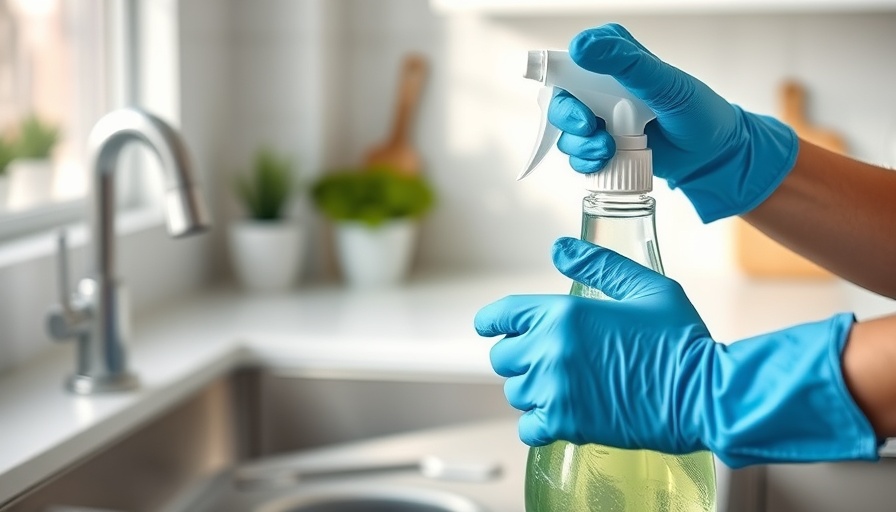
Chemical-free cleaning services in Toronto, person cleaning surface with spray bottle.

Are Chemical-Free Cleaning Services the Future of Home Cleaning?

As families increasingly seek healthier lifestyles, the importance of chemical-free cleaning services has never been more pronounced. In Toronto, where urban living often means confined spaces, understanding the effects of conventional cleaning products becomes paramount. Many individuals are beginning to realize that a clean home doesn't need to come at the expense of health, as they explore alternatives that prioritize safety and wellness.

Understanding Chemical-Free Cleaning Services: A New Standard

Chemical-free cleaning services operate on the principles of using natural, non-toxic products that clean effectively while being safer for both humans and pets. This approach primarily focuses on plant-based ingredients like white vinegar, baking soda, and essential oils, which provide just as effective cleaning power as traditional options but without harmful side effects. In Toronto, this method is steadily gaining traction among cleaning companies, enhancing both their services and clients' peace of mind.

Why Are Torontonians Switching to Chemical-Free Cleaning?

The switch to chemical-free cleaning reflects a broader cultural shift towards sustainability and health consciousness. Studies reveal that over 70% of Canadians are worried about the air quality and chemical exposure in their homes. As families adopt this mindset, they also seek cleaning services that align with their values—promoting safety and environmental responsibility.

The Clear Benefits of Chemical-Free Cleaning

Choosing chemical-free cleaning services has a multitude of benefits for both your family and the environment. Here are some reasons why making this shift can be essential:

  • Safer for Families and Pets: Traditional cleaning chemicals can be harmful, especially for children and pets who often spend time on the floors where these residues linger. Natural products contain no volatile organic compounds (VOCs), significantly reducing health risks such as asthma and allergies.
  • Better Environmental Impact: Chemical-free products break down socially and don’t leave toxic residues behind. This cleanup option contributes to a healthier planet, aligning with the growing emphasis on sustainability.
  • Enhanced Indoor Air Quality: With reduced chemical exposure, families can enjoy fresher air in their homes. Natural cleaners reduce odors without overpowering fragrances and improve overall air quality.

Discovering the Best Chemical-Free Cleaning Services in Toronto

When searching for the right chemical-free cleaning service, it's vital to choose a company that utilizes certified organic products and practices environmentally conscious methods. Look for these credibility signs:

  • Certifications: Companies that use eco-friendly products often have certifications that highlight their commitment to environmental safety.
  • Client Reviews: Seek out businesses with positive customer testimonials, providing insight into their work ethic and reliability.
  • Transparency: A reputable service will happily disclose the ingredients in their cleaning solutions and their cleaning methods.

Common Misconceptions About Chemical-Free Cleaning

There are still myths regarding the effectiveness and price of chemical-free cleaning services that need to be debunked:

  • “They don’t clean as well:” Chemical-free cleaning can be just as effective, utilizing techniques such as hot water extraction and natural disinfectants.
  • “They’re too expensive:” Often, the upfront costs may appear higher, but the long-term health benefits and reduction in chemical purchases can lead to savings.

Take Action: Switch to a Cleaner, Safer Home Today!

Choosing chemical-free cleaning services is not only a step towards a healthier home but also a commitment to a sustainable future. As more homeowners and contractors in Toronto embrace this eco-friendly option, the demand for such services continues to grow. When you choose to emphasize safety and health in your cleaning routines, you don't just protect your family; you also contribute towards a more sustainable world. Explore your options for chemical-free cleaning today, and step towards a healthier lifestyle while providing your family with a safer home environment.

Sustainability, Health & Safety

0 Comments

Write A Comment

*
*
Related Posts All Posts
02.24.2026

Unlock 12 Hidden Uses for Lemon Peels That You Didn’t Know About

Update Lemon Peels: Your Tangy Answer to Everyday Problems When life gives you lemons, do you squeeze them out for their juice and toss the peels away? That’s where you’re missing out! Lemon peels are among the most versatile byproducts in your kitchen, offering benefits that go far beyond their bitter taste. Often overlooked, these zesty rinds have practical uses in cooking, cleaning, and even as natural remedies. Here’s how to repurpose those peels for maximum impact while minimizing waste. Transform Your Cooking: Culinary Starters Using Lemon Peels Have you ever wondered how to spice up your dishes with a fresh flavor? Lemon peels can be your secret weapon in the kitchen! They are not just byproducts but can elevate meals. Candied Lemon Peel: This delightful treat enhances many desserts. Simply boil the lemon peels with sugar to create a candy that can be used for garnishing cakes and ice creams. Lemon Pepper: Harness the vibrant zest of lemon peels to make homemade lemon pepper. Dehydrate them and blend with black pepper for a zesty seasoning that will amplify the flavor of your meat and vegetable dishes. Lemon Marmalade: Rather than discarding the entire fruit, consider making a luscious lemon marmalade that incorporates both juice and peel, perfect for slathering on morning scones. Home Remedies: Lemon Peels as Natural Solutions The uses of lemon peels extend beyond culinary delights—they also hold the potential to solve common household problems. All-Purpose Cleaner: Lemon peels can help you create an eco-friendly cleaner. Just steep them in vinegar for a couple of weeks and voilà! You have a natural solution that cuts through grease while leaving a refreshing scent. Deodorizing Your Trash Can: Struggling with stale odors? Simply place lemon peels in your trash can beneath the bag. They work wonders in keeping things smelling fresh! Cleaning Hack: A Zesty Approach Lemon peels have impressive cleaning capabilities, making them essential for a fresh home. Microwave and Stovetop Cleaner: Place squeezed lemon halves in the microwave with a bit of water. Heat for about 30 seconds, and it loosens dirt, making cleanup a breeze. Cleans Coffee Pots: You can tackle tough stains in your coffee pot by swirling lemon peels with some ice and salt. The acidity in lemons helps remove tough deposits, giving your pot a new lease on life. Gardening Benefits: Lemon Peels in Your Green Space Not only helpful indoors, but lemon peels can also make a positive impact on your garden and plants! Compost Booster: If you’re inclined to compost, don’t hesitate to add lemon peels! While they’re a bit slow to break down, cutting them up ensures they decompose faster and provide nutrients to your soil. Deterrent for Pests: Lemon peels can serve as a natural pest deterrent. Place them around gardens and plants to minimize unwanted visitors. Their strong scent often keeps bugs at bay, allowing your plants to flourish! Future Predictions: The Expanding Use of Citrus Rinds As awareness grows regarding sustainability and waste reduction, expect to see an even greater emphasis on repurposing foods—including lemon peels. DIY culture will likely continue to inspire creative solutions that minimize waste in kitchens worldwide. The rise of eco-friendly products will increasingly highlight how simple household items like lemon peels can play a significant role in our daily lives. Empower Your Lifestyle: Why You Should Know This Understanding the multifaceted benefits of lemon peels not only contributes to a sustainable lifestyle but also empowers you as a home maker. You can save money, reduce your carbon footprint, and enjoy the myriad ways to enhance both your cooking and cleaning experiences. The possibilities are endless!

02.24.2026

Understanding Vintage Dinnerware Safety: How to Identify Lead Levels

Update The Dangers of Vintage Dinnerware: A Hidden ThreatIf you're a lover of antiques and unique finds, vintage dinnerware might hold a special place in your kitchen. But before you set that beautiful china on the table, you should consider one crucial factor: safety. The unfortunate reality is that many vintage dishware pieces could contain lead and other harmful heavy metals, posing a risk to you and your loved ones.Lead in Dinnerware: What You Need to KnowHistorically, lead has been used in ceramic glazes to enhance both the appearance and durability of dishes. Prior to 1971, there were no regulations regarding lead content in tableware, making it likely that many vintage dishes manufactured before this date could leach lead into food. As the FDA slowly imposed limits, the accepted leachable range for lead is now set at a maximum of 0.5 μg/mL for most ceramic items, but these standards do not apply to decorative plates or vintage items.A Cautionary Tale on CadmiumSimilar to lead, cadmium was also used in some vintage dinnerware. Known for its vibrant hues, particularly in red and yellow glazes, cadmium poses its own risks. While the FDA has set limits on cadmium just as it has for lead, these were only implemented in the 1970s. Consequently, it’s best to assume that any brightly colored, antique dishes could be hazardous.Identifying High-Risk DinnerwareWhen browsing through thrift stores or estate sales, you may want to keep an eye out for specific signs that indicate the potential presence of heavy metals. Look for:Highly decorated or hand-painted dishesVibrant colors, especially in reds, yellows, and orangesEvidence of chipping or wearAll the above can be warning signs that your potential purchase might not be safe for everyday use.How to Safely Use Vintage DinnerwareFor those who simply can't resist using their cherished vintage finds, don’t despair! There are ways to enjoy these beautiful pieces while minimizing risk:Limit Usage: Reserve vintage dinnerware for special occasions and avoid everyday use to limit exposure.No Microwaving: Never microwave vintage dinnerware, as heat can increase the leaching of lead.Test First: If you're uncertain about the lead content, consider using a home lead-testing kit. While not completely reliable, it can give you a quick indication of risk.Expert Opinions and ResourcesExperts recommend that individuals, particularly pregnant women and young children, avoid any dinnerware that may potentially contain heavy metals altogether. Organizations like the Center for Environmental Health provide resources for testing and information on safe practices. They also warn against using leaded crystal ware for drinking even beverages like wine or juice—as these can leach significant amounts of lead.The Bottom Line: Serve with Style and SafetyWhile vintage dinnerware can bring charm and nostalgia to any table, understanding the risks involved is crucial. Always prioritize safety over aesthetics when it comes to serving food. Remember: it’s not just about how the dish looks; it’s about protecting your health and the health of those you care for.

02.16.2026

Why You Should Sanitize These Thrift Store Items Immediately

Update Why Thrift Store Items Deserve a Thorough Cleaning Shopping at thrift stores can be a treasure hunt, where unique finds often come at bargain prices. However, the excitement of scoring that perfect vintage vase or a stylish jacket can quickly turn into concern regarding cleanliness. While thrifting is environmentally friendly and a great way to save money, it’s critical to address potential contaminants that may linger on these items. Sanitizing thrift store treasures ensures your new acquisitions are not just stylish but also safe to bring into your home. The Seven Essential Items You Must Sanitize There are specific categories of thrift store finds that warrant extra attention when it comes to cleanliness. Here’s a closer look at seven items that should be sanitized straight away: 1. Clothing Clothes are often the crown jewels of thrift store finds. However, these second-hand garments can harbor bacteria, allergens, and even pests like lice or bed bugs. Experts recommend washing any thrifted clothing in hot water as soon as possible. This not only eliminates germs but can also refresh your finds, making even the most stubborn stains more manageable. 2. Home Decor Decor items can have an amazing second life when you thrift them, but they require cleaning before displaying them proudly. Items made of glass, metal, or ceramic can typically be cleaned easily with mild dish soap and warm water. Even if you have grand plans to spray paint a thrifted vase, don’t skip the cleaning step! 3. Kitchenware It should go without saying, but kitchenware needs a good scrub! Plates, cups, and cutlery should be disinfected more thoroughly than other items since they directly contact food. Ensure to wash all kitchen tools and appliances thoroughly—better safe than sorry! 4. Shoes & Accessories A stylish thrifted pair of shoes or unique jewelry can elevate any outfit, but just remember that they may have been tried on by numerous others. Wipe down the outer surfaces with disinfectant wipes and consider deeper cleaning sprays for the interiors to make them safe and fresh. 5. Bedding Finding cozy linens at thrift stores can be exciting, yet it can come with the fear of bed bugs. Always wash sheets, comforters, and pillows in hot water before bringing them into your home to keep those creepy crawlers at bay. 6. Upholstered Furniture Upholstered items can be wonders for your home decor, but they also harbor hidden dirt and bacteria. If you decide to take the plunge and thrift a chair or couch, make sure to use a reputable upholstery cleaner to sanitize the material thoroughly before use. 7. Stuffed Animals and Collectibles For the collectors among us, thrifted stuffed animals can be heartwarming finds but remember that cleanliness is key. For items marked “machine washable,” go ahead and toss them in the wash. Otherwise, consider sealing them in a plastic bag and putting them in the freezer for several days to kill any lingering bacteria. Practical Tips for Thrift Store Sanitization Having a method in place for cleaning your thrift store finds can help alleviate apprehension. Here are some practical tips: Immediate Action: Don’t wait to sanitize your finds as soon as you get home. The longer you wait, the more time contaminants have to settle. DIY Cleaners: Consider making eco-friendly cleaning solutions from vinegar, baking soda, and essential oils—great for both safety and sustainability! Assessment: Take a minute to inspect each item before bringing it home; if something looks too worn or damaged, it might not be worth the effort. Counterarguments: Do You Really Need to Clean? Interestingly, some thrifters argue that many thrift store items are "clean" enough already. Some items may have tags indicating they’ve been dry cleaned or that they are new. But even so, when in doubt, prioritize your health. Remember, your comfort level with germs will differ from others; if sanitizing gives you peace of mind, always err on the side of caution. Conclusion: A Safe and Sustainable Choice Thrift shopping is more than a trend; it’s a sustainable lifestyle that supports reduced waste. By applying these cleaning insights, you can enjoy thrifting while ensuring the items you bring home are safe and sanitized. So next time you're treasure hunting, be sure to treat your finds to a good clean and enjoy guilt-free shopping!

Terms of Service

Privacy Policy

Core Modal Title

Sorry, no results found

You Might Find These Articles Interesting

T
Please Check Your Email
We Will Be Following Up Shortly
*
*
*