Add Row
Add Element
UPDATE
Add Element
  • Home
  • Categories
    • Cleaning & Moving
    • Maintenance / Repairs
    • Remodeling & Construction
    • Landscaping / Outdoor
    • Security & Technology
    • Sustainability, Health & Safety
    • Interiors / Décor
    • Expert Interviews
    • DIY Home Projects
Home Wise News!
Wise Insights, Reliable Contractor Advice & Hands on DIY Know How for Savvy Homeowners
June 23.2025
2 Minutes Read

Home Update Prioritization: Where to Start for Maximum Impact

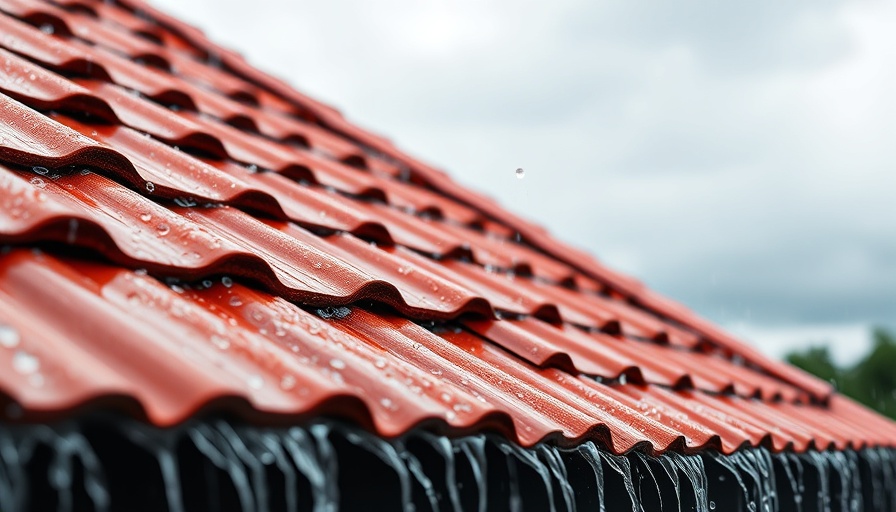
Red shingle roof with rainwater, highlighting home update prioritization.

SEO Keyword: Home Update Prioritization

If you’ve ever felt overwhelmed looking around your house and wondering where to start with updates, you’re not alone. The challenges of home improvement multiply quickly—from cracked tiles to drafty windows, it can feel like a never-ending list of to-dos. However, jumping in headfirst to tackle them all is a surefire way to exhaust your resources, both financial and emotional.

In today’s world, where the costs of materials soar and DIY trends flash by, knowing how to prioritize your home updates is crucial. It’s not just about aesthetics; it’s about making your living space functional, comfortable, and resilient against life’s surprises. With many people spending more time at home than ever, strategic upgrades are essential.

Start by Protecting Your Investment

The first step in any home update should be ensuring your home is sealed against the elements. This means taking a good look at your roof. Water damage is often deceptive, lurking until it wreaks havoc on your walls and floors. By checking the integrity of your roof—preferably with a professional—you're not just fixing a cosmetic issue; you're ensuring your entire home remains safe from the rigors of weather. A sturdy roof also helps keep your energy bills down and protects your home from mold.

Unseen Comforts: The Heart of Your Home

After ensuring your home is watertight, it’s time to think comfort—specifically through the lens of your home’s infrastructure. Upgrading old electrical systems, plumbing, and insulation may not be glamorous, but they are vital for your home’s performance. Poor wiring can pose dangerous risks, leaky pipes lead to long-term costs, and ineffective insulation can result in uncomfortable living conditions and inflated utility bills.

Maintain Structural Integrity

Once the roof over your head and the guts of your home are up to standard, take a look underfoot. Floors bear the brunt of daily life, and any signs of wear like sagging joists or squeaky boards should not be ignored. Before you consider aesthetic upgrades like new carpeting or tiles, ensure the structure is sound to avoid further complications down the road.

In conclusion, when you’re considering updating your home, remember to start from the top down. Addressing critical issues like roofing, plumbing, and flooring first will not only protect your investment but also enhance the comfort and functionality of your space. Taking the time to prioritize wisely means you can enjoy not just a beautiful home, but a safe and resilient one.

Maintenance / Repairs

Write A Comment

*
*
Related Posts All Posts
12.06.2025

8 Costly Mistakes New Homeowners Should Avoid When Budgeting

Update Don't Fall for These Homeownership TrapsCongratulations on becoming a homeowner! While you might feel like celebrating this monumental achievement, it's essential to navigate the waters of homeownership with a keen financial eye. According to recent insights, many new homeowners let their excitement cloud their judgment, leading to costly mistakes. Let's delve into a few things you should never throw your hard-earned money at as a new homeowner.Overpriced RenovationsAs soon as you close on the house, the temptation to upgrade everything from the kitchen to the bathroom can be overwhelming. However, prioritize necessities over wishes. Not only are major renovations a drain on your savings, but they also don't always yield a return on investment. A recent survey showed that homeowners often spend thousands on projects that add little value to their property. Focus on maintenance and essential repairs first.The Allure of Home WarrantiesWhile a home warranty might seem like a safety net, many homeowners find themselves disappointed by the limitations and exclusions of these plans. According to financial advisors, it's crucial to read the fine print before purchasing a home warranty, as the coverage often doesn't align with the realities of home repairs. Instead of shelling out for a plan, consider building a dedicated emergency fund for repairs — you’ll thank yourself when the unexpected arises.Splashing Out on High-End FurnishingsWhen it comes to furniture, many new homeowners want to turn their space into a showroom. However, splurging on designer furniture right out of the gate can quickly derail your budget. Experts recommend shopping smart. Thrift stores and clearance sales can yield fantastic finds that save you money without sacrificing style. You'll be surprised at how far a little creativity can stretch your dollar.Ignoring Maintenance BudgetsMany homeowners overlook the importance of maintaining their property, thinking that once they've bought the home, they're done spending. Regrettably, neglecting maintenance can lead to far more significant expenses down the road. Financial advisors suggest setting aside 1-4% of your home's value annually for upkeep. For example, if your home is valued at $300,000, set aside $3,000 to $12,000 for maintenance costs. Want to keep your home in tip-top shape? You had better start budgeting for it now.The Trap of Impulse BuyingWith a new mansion, the pressure to furnish it stylishly often leads to impulse purchases. According to financial planning expert Emily Graham Stroud, first-time homeowners frequently fall into the trap of filling their homes with unnecessary items. Take a breath! Treat your home like a canvas; let it transform gradually over time. Make a list of what you truly need, shop around, and only purchase when you can afford it.Neglecting Insurance & TaxesSurprisingly, many new homeownerss treat their mortgage as if it's their only expense. However, hidden costs are lurking in the shadows, including property taxes and homeowners insurance. New owners often miss these expenses, leading to nasty surprises later. Factor these into your budget right from the start, ensuring that they don’t catch you off guard!Trendy Gadgets Without ResearchThe smart home market is booming, claiming that every homeowner needs the latest trending gadgets. However, new homeowners should do their research before investing in these high-tech devices. Many smart tools require ongoing subscriptions or are simply not compatible with older home infrastructures. While convenience is tempting, practicality and cost-effectiveness should reign supreme. Invest in what truly enhances your life without straining your budget.The Importance of a Budget ReviewFinally, remember that budgeting isn't a one-and-done process—it's ongoing. Establish a routine, perhaps quarterly, to review your expenses, adjust your predictions, and reassess your financial goals. By staying engaged with your spending habits, you can continuously refine your budget to reflect your actual needs and abilities.In summary, the joys of homeownership come with significant financial responsibilities. Being mindful about what you spend your money on can save you from costly decisions that could burden you in the long run. As you settle into your new home, carry these insights with you to ensure a smooth financial transition!

12.05.2025

Reduce Heating Bills: 7 Common Winter Habits to Change Now

Update Winter Habits You Should Rethink to Save on Heating Costs As winter sweeps in, the chill in the air is not just about bundling up in your coziest sweater; it can lead to an unexpected spike in your energy bills. Many common winter habits contribute to this financial frostbite, so understanding these can help you stay warm without burning through your wallet. Let's delve into the habits that could be silently inflating your heating costs and discover some smart strategies to counter them. 1. Overusing Space Heaters While space heaters can be a quick fix to warm up a room, relying on them excessively can end up costing you more than adjusting your central heating. Experts suggest setting your thermostat a few degrees lower and using blankets to keep warm. Space heaters can use a significant amount of energy, leading to increased costs, especially if left running when not needed. 2. Ignoring Window Treatments Your windows may be a charming design feature, but if left untreated, they might as well be open. Up to 30% of your home’s heat can escape through uncovered windows. Investing in thermal curtains or window film can trap heat inside while keeping cold drafts at bay, proving to be an efficient way to hold onto that precious warmth and save on heating bills. 3. Cranking Up the Thermostat It might seem counterintuitive, but turning up your thermostat does not warm your home faster; it just uses more energy. Instead, maintain a steady temperature to prevent costly spikes. Ideally, keep it set between 68°F and 70°F during the day. This balance keeps your home comfortable while helping manage your energy bills effectively. 4. Neglecting Regular Maintenance Think of your heating system as a car: if you don’t give it regular check-ups, it’s bound to break down when you need it the most. A poorly maintained furnace or HVAC system can work overtime, causing unnecessary energy usage. Schedule annual inspections and cleanings to ensure optimal performance, boosting efficiency and longevity. 5. Sealing Off Vents Sometimes less is more, but when it comes to air vents, this is not the case. Sealing off vents in unused rooms might appear to save energy, but it can lead to uneven heating and, ultimately, increased costs as your heating system struggles to maintain overall temperature. Explore alternative ways to manage airflow without sealing off vents entirely. 6. Keeping the Fireplace Damper Open Your fireplace is a beautiful feature during winter, but when not in use, keeping the damper open acts like a chimney that pulls warm air right out of your home. Always remember to close it when you’re not enjoying a cozy fire. This simple action can retain heat and reduce your reliance on the central heating system. 7. Overlooking Smart Technology In this digital age, technology can be your best ally against rising heating costs. Smart thermostats allow you to schedule heating based on your habits, reducing energy waste when you're not home. Programs like these not only enhance comfort but also allow for better energy management, keeping bills in check. Consider making the switch to smart solutions as an investment in your home's efficiency. Taking Control of Your Winter Heating Costs Being mindful of these common winter habits can lead to substantial savings. When combined with the latest innovations in smart technology, you can create a warm, comfortable, and budget-friendly home this winter. Embrace the tools at your disposal, and watch your utility bills shrink, leaving you free to enjoy the season's warmth without the frigid financial consequences. If you want more tips on reducing your heating costs or exploring smart solutions for your home, stay tuned for our forthcoming articles.

12.05.2025

Stop Spiders from Sneaking Inside: Smart Strategies for Cold Weather

Update Why Spiders Seek Shelter Inside During Cold Weather As the temperature dips, you might find that your home becomes a popular destination for many uninvited guests, including spiders. These eight-legged critters are not just creepy; they're seeking warmth and shelter from the harsh elements outside. Understanding why spiders choose to invade your space can help you develop an effective strategy for keeping them at bay. Practical Tips to Prevent Spider Invasions There are several straightforward methods that you can implement to prevent spiders from sneaking into your home. First and foremost, performing a thorough inspection of your home’s exterior is essential. Look for gaps in windows, doors, and walls; these are prime entry points. Caulking any gaps and sealing cracks will significantly reduce potential entrances. Another effective tactic involves regular cleaning routines and decluttering. Spiders are more likely to settle in areas where dust and debris collect, so maintaining a clean and organized home can deter them. Furthermore, using a vacuum with a hose attachment to regularly clean corners, baseboards, and under furniture can help eliminate spider webs and their inhabitants. Natural Deterrents: Essential Oils that Work If you prefer an eco-friendly approach, natural repellents can be remarkably effective. Essential oils like peppermint, tea tree, and eucalyptus have proven to be particularly unwelcoming to spiders. Mixing a few drops of these oils with water in a spray bottle and applying it around the house, especially at potential entry points, can send spiders scuttling back outside. The Role of Your Lawn and Garden in Spider Attractiveness Your external environment also plays a critical role in how attractive your home is to spiders. Keep your lawn trimmed and clear of debris where spiders might hide. Regularly cleaning up fallen leaves, as well as maintaining plants away from your foundation, can create less inviting conditions. The same goes for clutter on the porch and near windows; clearing this out can dissuade these common pests. The Smart Home Solutions for Pest Control For the tech-savvy homeowners, consider integrating smart home solutions to combat spider invasions. Smart pest control systems utilize technology to identify and deter pests automatically. Some devices use light and even sound frequencies that are uncomfortable for spiders, making them think twice about moving into your space. Additionally, smart vacuums can be programmed to target the nooks and crannies where spiders might hide. Home Maintenance: Your Shield Against Spider Entry Regular home maintenance can also prevent spider invasions. Ensure your roofing is intact and gutter systems are clean, as these issues can provide easy access. Checking screens on windows and doors for any tears or gaps is a great preventative measure to maintain a spider-free zone. The Psychological Perspective: Why It Matters Understanding the psychological aspect of spider invasions might also help homeowners better cope with their fears. Spiders can invoke fear and anxiety in many, yet taking proactive measures gives a sense of control over one's environment. Knowing you are actively preventing unwanted guests makes homeownership and personal space more secure. Conclusion: Empower Yourself Against Spider Invasions By implementing these strategies, you not only reduce your chances of hosting eight-legged guests during the colder months, but you also create a more pleasant living environment. Remember, the key lies in a proactive approach that combines cleanliness, natural deterrents, and smart technology. As winter approaches, take these steps to stay ahead of spider invasions and enjoy a cozy, spider-free home!

Terms of Service

Privacy Policy

Core Modal Title

Sorry, no results found

You Might Find These Articles Interesting

T
Please Check Your Email
We Will Be Following Up Shortly
*
*
*