UPDATE
  • Home
  • Categories
    • Cleaning & Moving
    • Maintenance / Repairs
    • Remodeling & Construction
    • Landscaping / Outdoor
    • Security & Technology
    • Sustainability, Health & Safety
    • Interiors / Décor
    • Expert Interviews
    • DIY Home Projects
Home Wise News!
Wise Insights, Reliable Contractor Advice & Hands on DIY Know How for Savvy Homeowners
May 05.2025
2 Minutes Read

How Contractors Detect Hidden Energy Loss From Duct Leaks

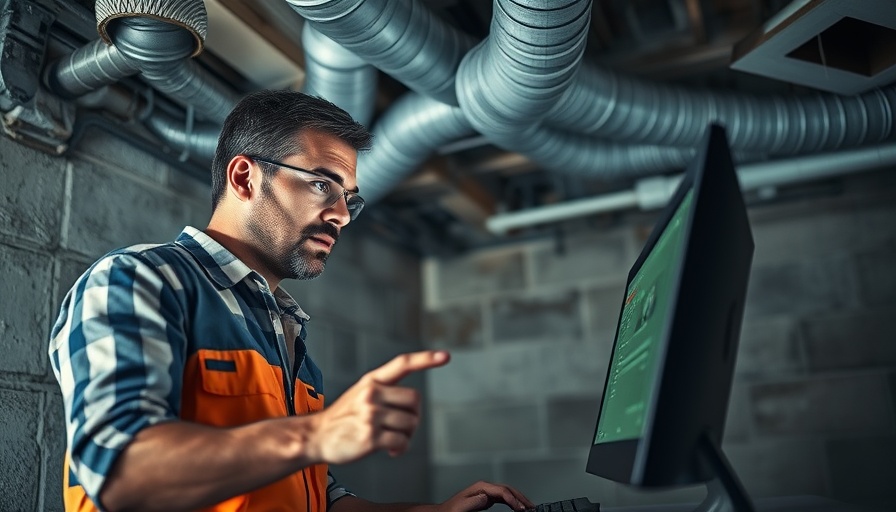
Contractor identifying energy loss through duct leaks in basement setup.

Understanding the Hidden Impact of Duct Leaks on Energy Efficiency

Homeowners often overlook the role of ductwork in energy consumption, yet its condition significantly affects energy bills and indoor comfort. Duct leaks can lead to substantial energy loss, particularly in older homes where aging infrastructure may be more prone to such issues. The presence of these leaks might not be immediately evident, but their impact can be profound and long-lasting.

How Contractors Identify Energy Loss Using Advanced Techniques

To address duct leaks, contractors employ sophisticated methods to locate and quantify these inefficiencies. One of the primary techniques is pressure testing. This involves sealing off air registers and using a fan to pressurize the ductwork, measuring how much air escapes to assess leakage levels. A tool known as a duct blaster works in tandem with a manometer, enabling precise measurement of air pressure and leakage. Quick and effective, this testing helps homeowners gain a clear understanding of airflow and the necessity for repair.

Leveraging Thermal Imaging for Accurate Leak Detection

Alongside pressure testing, thermal imaging has emerged as a critical tool for contractors. Infrared cameras detect temperature variations, revealing hidden leaks behind walls and other inaccessible areas. This method allows for targeted repairs, minimizing disruption. By pinpointing exactly where conditioned air escapes, contractors can enact more efficient fixes instead of relying on blanket solutions.

The Importance of Physical Signs in Leak Detection

Beyond technological means, seasoned contractors also rely on physical indicators within the home to guide their inspections. Homeowners might notice uneven heating or cooling, excessive humidity, or higher energy bills. These signs prompt contractors to investigate ductwork, ensuring that visual cues lead to thorough assessments.

Why Homeowners Should Prioritize Duct Leak Inspections

An energy-efficient home not only translates to rejuvenated comfort but also to lower utility bills and a reduced carbon footprint. By focusing on ductwork and ensuring proper maintenance and inspections, homeowners can address issues proactively rather than reactively. Whether contemplating a major HVAC overhaul or simply seeking improvements in home efficiency, understanding duct leaks is a fundamental step in ensuring your home runs efficiently.

Sustainability, Health & Safety

0 Comments

Write A Comment

*
*
Please complete the captcha to submit your comment.
Related Posts All Posts
04.28.2026

Unplugging Appliances: The Cost-Saving Secret You Didn't Know About

Update Why Unplugging Your Appliances MattersIn our tech-driven world, we often overlook the little things that make a significant impact on our lives and wallets. Among these are the innocuous household appliances lurking in our homes, quietly guzzling energy even when not in use. This unchallenged household norm can lead to surprisingly high energy bills and a larger environmental footprint. So, which appliances should you consider unplugging? Here are some that definitely deserve a spot in your unplugging checklist.1. Chargers: The Silent Energy SuckersIt's easy to forget about device chargers once they’re plugged in, but they can draw energy continuously, even without a device connected. According to energy experts, these "vampire" energy consumers account for nearly 10% of residential energy consumption. To combat this, unplug your phone, tablet, and laptop chargers when not in use, or consider using smart power strips that cut the power when the devices are fully charged.2. Kitchen Appliances: The Overlooked PowerhousesFrom your coffee maker to your toaster, many kitchen appliances can: 1) use energy when they are plugged in and idle; and 2) significantly contribute to your monthly energy expenses. Devices like microwave ovens and electric kettles are particularly sneaky. If you’re not using them multiple times a day, why keep them connected? They can easily consume energy that adds unnecessary charges to your utility bill.3. Gaming Consoles: High-Tech Toys with Heavy CostsFor gamers, unplugging consoles like the Xbox or PlayStation may seem inconvenient, but these devices often remain in standby mode, drawing power continuously. The Department of Energy estimates that in a year, this can sum up to a staggering amount of energy wastage, translating to an empty wallet. Turning them off completely or unplugging them when not in use can provide significant savings.4. TVs: Not Just Entertainment UnitsRecreational television is essential for many households, yet it too has a habit of draining energy when left plugged in or in standby mode. Even an unnoticed blink of a red light could mean money down the drain. Coupling your TV with a smart power strip helps mitigate these costs by managing the energy flow based on your usage.5. Computers: More Than Just HardwareDoubtful about your computer’s energy use? Unless you’re gaming or doing extensive work, most laptops and desktops can be unplugged after use. Setting them to hibernate or sleep modes does conserve energy but does not eliminate it. In some cases, unplugging the computer could save you more money than you think—potentially translating into a 20% reduction in total energy consumption.6. Printers: The Office Energy DrainersIf you have an office setup at home, you might want to take a closer look at your printer. Surprisingly, they tend to consume energy even when inactive. By unplugging the printer after every use, you can significantly curtail unnecessary power usage. Make sure to only connect it when needed!7. Water Heaters: Hidden HeavyweightsYour water heater is responsible for a chunk of your energy bill, often around 18%. It’s wise to unplug it if you’re going away for an extended period. Consider investing in a smart water heater or energy-efficient model to further save costs.8. Any Old Appliances: Time for an Energy AuditFinally, the older appliances in your home are likely the biggest culprits. Those dated refrigerator/freezer combinations are infamous for eating up energy. Consider replacing them with more efficient Energy Star certified models which can drastically lower your energy costs. Assessing your home for energy inefficiencies could lead toward significant savings.Actionable Takeaways for Your Smart HomeBeing smart about your energy consumption doesn’t just mean investing in the latest technology; it also involves making conscious choices about everyday items. Embracing habits such as unplugging unused appliances can show significant improvements in both your energy bills and home environment. Consider automating your energy management by implementing smart plugs or timers to make unplugging appliances hassle-free. The change not only helps you save money but also contributes positively to the environment.A Final ThoughtIn our busy lives, it's easy to forget the potential savings that can come from simply unplugging appliances after use. As technology continues to evolve, the concept of energy efficiency offers not just smart devices but also smarter living. Take these insights to heart, and who knows? You might find a few extra dollars in your wallet and reduce your household's impact on our planet.

04.25.2026

Keep Bees Away From Your Home For Good: Essential Strategies You Need

Update Why Bees Buzz Around Your Home: Understanding the AttractionBees do much more than irritate us on sunny days; they’re crucial pollinators that maintain our ecosystem's balance. But that doesn’t mean you want them hovering around your backyard barbecue or slipping into your open window. Understanding why bees are drawn to certain outdoor spaces is the first step toward effective bee management.Bright colors and strong fragrances attract bees, turning your vibrant garden into a bee buffet. Additionally, leftover food or open cans of soda can act like sirens, beckoning them forth from the nearby fields. Understanding these attractions empowers homeowners to take proactive measures.Simple Strategies to Deter Bees NaturallyAchieving a bee-free zone doesn’t require harsh chemicals or destruction—there are plenty of natural approaches that can keep these buzzing insects at bay.1. Choose the Right PlantsConsider planting bee-repelling herbs and flowers, such as marigolds, mint, and eucalyptus, which are known for their strong scents that deter bees. According to Ambrosio Landscape Solutions, incorporating these plants will allow you to maintain the beauty of your outdoor space while keeping bees at a distance.2. Avoid Bright Colors and Heavy ScentsIf you want to steer clear of buzzing admirers, tone down the vibrancy. Bright colors on both clothing and flowers can attract bees. Opt for muted tones and maintain a minimalist scent palette by avoiding heavily perfumed lotions and creams when outdoors.3. Food Safety: Keep Pommes Frites Under WrapsBees love a good picnic just as much as we do, especially when sugary snacks are involved. Always keep food covered and quickly clean up spills to minimize their impact. Using sealed containers for drinks and food can significantly reduce bee traffic during your outdoor events.Foolproof Bee Repellents: Natural and Essential OilsIf you're looking for an all-natural solution to create an impenetrable barrier against bees, essential oils may be your answer. Peppermint, clove, and citrus oils can be mixed with water in spray bottles for surprising effectiveness. The strong aromas are known to repel bees without harming them, making your yard a less inviting space.DIY Bee Repellent RecipesHere’s a quick recipe: Mix a few drops of peppermint or clove oil with water in a spray bottle. Shake well and spritz around seating areas or entry points to keep bees at bay while you enjoy your space.Bee Traps: Innovative Solutions for ControlInstalling bee traps around your yard can help reduce unwanted buzzing while maintaining a safe and healthy outdoor environment. These devices can lure in bees using a sugary solution, effectively managing their population without elimination. Ensure you place these traps away from high-traffic areas to be effective while minimizing distractions.Seal the Deal: Preventing NestingOne of the best ways to keep bees away is by sealing potential nesting sites in your yard. Cracks in walls, gaps in fences, and holes in the ground can all invite bees to find shelter. Regular inspections followed by caulking or filling these gaps can significantly reduce bee nesting.The Cleanliness FactorA clean yard not only looks better; it’s also less appealing to bees and other pests. Regularly clean up fallen fruits, maintain compost bins, and empty garbage cans promptly to deter bees from visiting your space in search of a meal. It’s simple but effective.Taking Action Against Bees in Your YardArming yourself with knowledge and practical steps means you can reclaim your outdoor space without enriching bee populations unnecessarily. Naturally deterring bees from your home not only helps you enjoy the sun without havoc but also preserves the balance of nature by employing safe and eco-friendly methods.Ready to Enjoy your Yard Buzz-Free?If you want to take your outdoor living to the next level while keeping those buzzing visitors at bay, why not consider talking to an expert? A landscape professional can help you optimize your space beautifully and effectively.

04.25.2026

Smart Water Saving Strategies During Droughts: Practical Tips

Update Understanding the Importance of Water Conservation As drought conditions grip many parts of the country, it becomes increasingly vital to control our water usage. Not only does reducing water consumption aid in addressing dwindling supplies, but it also helps alleviate the financial burden caused by rising water bills, which have soared by an average of 24% since 2019 across the United States. Through mindful practices and small changes in daily habits, every homeowner can contribute significantly to water conservation efforts that safeguard this precious resource for future generations. Identify Your Water Usage The first step toward conserving water is understanding how much you use. The average American reports using approximately 82 gallons of water daily at home. By monitoring your water meter, you can derive invaluable insights into your daily consumption. Perhaps surprising to many is that common household appliances can consume more water than anticipated. For an accurate reading, check your appliance manuals to compare their usage rates and figure out areas where you could cut back. Addressing Leaks: A Quick Fix That Saves Big Leaks are one of the chief culprits of wasted water in the home. An ordinary faucet that drips can waste up to 3,000 gallons annually, while a faulty toilet flapper can let slip an astonishing 200 gallons each day. Fortunately, fixing these leaks is often simple and affordable; most repairs require just a few dollars in parts and a little DIY effort. By attending to these minor problems promptly, you can conserve a tremendous amount of water—and money—over time. Homeowners can first check for hidden leaks by observing their water meters for fluctuations after a period of non-usage. Bathroom Conservation Techniques Conserving water in the bathroom is one of the easiest ways to make a difference. Simple actions like turning off the tap while brushing your teeth or using a timer to reduce shower lengths can lead to substantial savings. For traditional toilets, placing a brick or a filled water bottle in the tank can cut down on the volume of water used per flush. Beyond saving water, these changes also positively impact energy bills—heating and delivering water involves significant energy expenditure. Efficient Water Use in the Kitchen In the kitchen, adapt your habits to save even more water. Relying on a dishwasher—not by pre-rinsing dishes—can save over 2,400 gallons yearly compared to handwashing. Make sure to run the dishwasher only when it’s full and consider using a basin for rinsing when needed. Such practices highlight that saving water when cooking or cleaning often require conscious changes in routine rather than complex adjustments. Smart Laundry Practices Another area ripe for water conservation is the laundry room. Rather than frequently washing items, consider wearing clothes multiple times before laundering and only wash full loads to maximize efficiency. If your machine doesn’t have a load-size sensor, running entirely full loads can help ensure optimal water usage with every wash cycle. Optimizing Your Yard for Saving Water Outdoor water use can account for a vast percentage of total home consumption, particularly during warmer months. Planting native, drought-tolerant species reduces the need for watering and promotes healthy ecosystems. Additionally, early morning watering minimizes evaporation loss, while techniques like installing rain barrels can capture and reuse stormwater for gardens, showcasing how sustainable landscaping practices benefit both the environment and your pocketbook. Upgrade to Water-Efficient Fixtures Investing in low-flow showerheads, faucets, and toilets is a powerful way to cut down on unnecessary water waste. Often these fixtures can be easily DIY-installed and significantly enhance your home’s overall water efficiency while maintaining comfort and performance. Such upgrades are not just smart—they also align with larger sustainability efforts, positioning homeowners as key players in the movement toward responsible resource management. Future Predictions: Water Conservation Trends As climate change progresses and its effects become more pronounced, water conservation will increasingly move to the forefront of home sustainability practices. Building awareness through community initiatives, local regulations, and educational programs will empower individuals to contribute meaningfully to water-saving efforts. These trends suggest that significant changes in both infrastructure and personal habits will be essential moving forward. Your Role: Putting Tips into Action Now is the perfect time to integrate water-saving techniques into your daily life. Start by implementing one new practice at a time—whether fixing leaks, changing watering habits, or upgrading fixtures—and gradually add more until these actions become second nature. Every small change contributes to a larger solution for water management challenges, making it a worthwhile endeavor. By recognizing the importance of conservation—through both immediate actions and long-term planning—you not only help your household save money, but you also play a pivotal role in contributing to the health of our planet. For further insights and DIY guides on home maintenance, explore a wealth of resources tailored to empower you in responsible home management.

Terms of Service

Privacy Policy

Core Modal Title

Sorry, no results found

You Might Find These Articles Interesting

T
Please Check Your Email
We Will Be Following Up Shortly
*
*
*