
Add Row
Add Element
UPDATE
Add Element
  • Home
  • Categories
    • Cleaning & Moving
    • Maintenance / Repairs
    • Remodeling & Construction
    • Landscaping / Outdoor
    • Security & Technology
    • Sustainability, Health & Safety
    • Interiors / Décor
    • Expert Interviews
    • DIY Home Projects
Home Wise News!
Wise Insights, Reliable Contractor Advice & Hands on DIY Know How for Savvy Homeowners
June 06.2025
3 Minutes Read

How Early Is Too Early for Loud Yard Work? Essential Guidelines

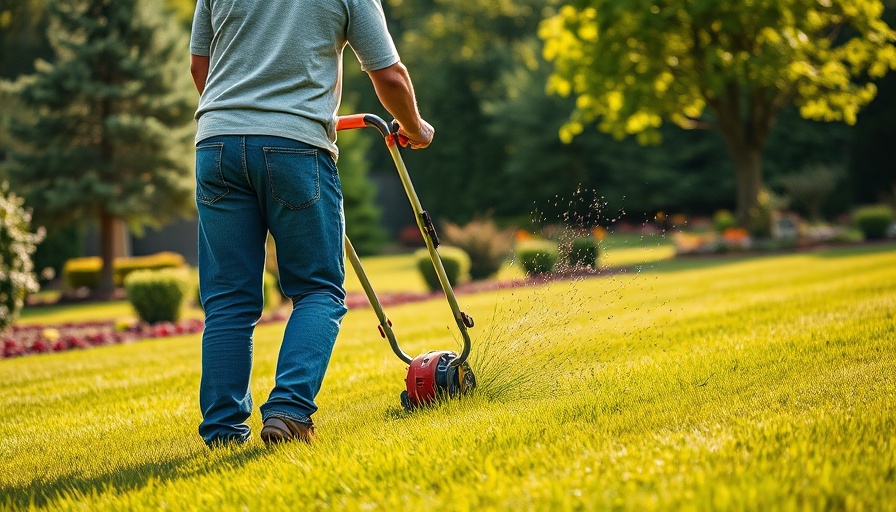
Man using grass trimmer in garden, hinting at loud yard work regulations.

Understanding Yard Work Noise Regulations

Have you ever woken up to the jarring sound of a leaf blower or lawnmower before sunrise? For many, such disruptions can feel invasive, especially when they occur at hours when most people are trying to catch some sleep. But how early is too early for yard work? The answer isn't as clear-cut as it might seem.

Local Noise Ordinances: What You Need to Know

Local noise ordinances differ across cities and municipalities, often determining when residents can engage in noisy outdoor work. Corey Buescher, an expert from Frontdoor, notes that these rules typically reference clock times rather than the natural day-night cycle. In many areas, loud yard work like mowing or using leaf blowers is considered acceptable starting around 7 AM or 8 AM. If you’re eager to get a head start on your garden, consider quieter activities like weeding or planting until the clock strikes the social norm for noise.

Decibel Levels of Yard Equipment: The Unseen Impact

The decibel levels produced by yard work equipment can be startling. According to Southwestern Vermont Medical Center, devices like leaf blowers and weed wackers reach sound levels between 85 to 100 decibels. Such noise levels aren’t just annoying; prolonged exposure could lead to hearing damage for both workers and unsuspecting neighbors, highlighting the importance of choosing the right time to use such equipment.

How to Research Local Guidelines

Finding out how early you can handle noisy yard work is easier than you think! Simply search online with queries such as "Brooklyn New York noise ordinance,” and official municipal websites will provide you with clear guidelines. For example, New York City permits loud yard work on weekdays from 8 AM to 7 PM and weekends from 9 AM to 6 PM.

Respecting Neighbors: The Etiquette of Yard Work

When wielding power tools in your yard, consider the etiquette that comes with it. While getting your outdoor chores done is important, respecting your neighbors’ peace matters too. Avoid early morning noise and plan your yard work during socially acceptable hours to maintain a peaceful neighborhood atmosphere. This not only helps you avoid potential capers with local ordinances but also fosters good relations with your neighbors, who might appreciate your forethought.

Best Practices for Loud Yard Work

Beyond just adhering to local laws, establishing best practices when engaging in loud yard work can go a long way. Here are handyman tips to remember:

  • Know the rules: Always familiarize yourself with local ordinance times to prevent disruptions.
  • Communicate: If you need to work during non-standard hours for a special situation, let your neighbors know in advance.
  • Use noise-canceling aids: Earplugs or noise-canceling headphones can help manage noise levels for yourself and prevent further complaints.

A Look at Neighborhood Norms

Part of understanding when to begin yard work is also about recognizing the unspoken norms in your community. In some areas, a 7 AM start might be standard, while in others, pushing it to 9 AM might be more acceptable. Engaging in conversations with your neighbors can lead to better insight into their schedules and tolerance for noise, ultimately leading to a more harmonious living arrangement.

Conclusion: Timing Your Yard Work Wisely

Timing is everything, and this is especially true when it comes to yard work. Being informed about local noise ordinances, respecting your neighbors, and planning your chores can greatly enhance your home maintenance experience. By choosing the right time to begin your noisy projects while remaining vigilant about your surroundings, you not only fulfill your own yard work needs but also promote a supportive neighborhood spirit. So, before you rev up that lawnmower, take a moment to evaluate your environment and respect the peace—your neighbors will thank you!

Landscaping / Outdoor

0 Comments

Write A Comment

*
*
Related Posts All Posts
02.22.2026

Transform Your Home with Outdoor LED Lights: Safety & Elegance Combined

Update Understanding the Shift to Outdoor LED Lighting As dusk descends, the ambiance of outdoor spaces significantly transforms. Outdoor lighting, especially in residential areas, plays a pivotal role in enhancing safety, usability, and aesthetics. In recent years, there's been a marked shift towards outdoor LED lights among homeowners looking for practical solutions that combine energy efficiency with style. Safety First: How LED Lights Boost Visibility One of the key advantages of installing outdoor LED lighting is its impact on safety. Dimly lit pathways and entrance areas can lead to accidents, particularly for children and the elderly. Outdoor LED lights provide bright, consistent illumination, which makes navigating spaces after dark much safer. Unlike traditional bulbs that may flicker or lose brightness over time, LED lights maintain stable lighting levels, actively reducing the risk of falls and injuries. Cost-Efficiency: A Smart Financial Investment Outdoor LED lights not only illuminate but also save money. Their energy efficiency greatly surpasses that of incandescent and halogen bulbs, which translates to decreased electricity bills. Additionally, LEDs are renowned for their long lifespan – often far exceeding thousands of operational hours compared to conventional lights. This longevity means fewer replacements and maintenance, making them a cost-effective choice for homeowners. Expanding Living Spaces: Illuminate Your Outdoors Today, outdoor spaces are not just yards; they are extensions of our homes. Effective lighting transforms patios into dinner venues and gardens into entertainment hubs. LED lights, whether in the form of string lights for a cozy ambiance or recessed lights for functionality, enable these spaces to be utilized long after sunset. This ability enhances lifestyle quality and increases property usability. Security Enhancement: Deter Potential Intruders Proper outdoor lighting significantly improves security. Well-lit exteriors eliminate dark spots where potential intruders might hide, making properties a less appealing target. Placing LED lights near entrances, garages, and along pathways is essential. Motion-activated LED fixtures can offer an additional layer of security, providing bright illumination when movement is detected and discouraging unwanted visitors. Architectural Accents: Enhance the Visual Appeal The aesthetic advantages of outdoor LED lights are undeniable. They enhance the beauty of a property by highlighting architectural features, illuminating landscaping elements, and bringing attention to water features or garden art installations. This not only boosts curb appeal but can also significantly increase property value. Exploring the Different Types of Outdoor LED Lights There are several outdoor LED lighting options available, each serving different purposes. Here are a few types that homeowners should consider: Path Lights: These guide visitors and enhance the beauty of gardens by illuminating pathways. Spotlights: Ideal for highlighting trees, sculptures, or any focal point in a garden. Flood Lights: Perfect for broader areas, ensuring ample light coverage for safety and security. Wall-mounted fixtures: Offering both style and efficiency, good for entrances and outdoor patios. Decorative String Lights: Great for creating a cozy atmosphere during gatherings. Practical Installation Tips for Homeowners Installing outdoor LED lighting doesn't have to be daunting. Here are some practical tips to ensure effective setup: Plan your layout: Before installation, consider where the maximum lighting is needed. Use timers or smart technology: Automate your outdoor lights to save energy. Follow safety guidelines: Ensure all installations comply with local electrical codes. The Future of Outdoor Lighting: Sustainability and Beyond Outdoor LED lighting is not just a trend; it represents a shift toward sustainable living solutions. As homeowners become more environmentally conscious, the demand for energy-efficient lighting continues to rise. The ability to significantly decrease energy usage while enhancing the security and aesthetics of outdoor spaces makes LED technology an essential consideration in modern home design. In conclusion, investing in outdoor LED lights is a wise choice for homeowners looking to enhance safety, reduce expenses, and improve property value. As outdoor areas continue to evolve into functional living spaces, lighting will play a vital role in adapting these areas for enjoyment and security. Embrace the brightness and make your outdoor spaces safer and more appealing with LEDs.

02.19.2026

Transform Your Home: Small Changes to Instantly Boost Curb Appeal

Update Welcome to a New Level of Neighborhood Charm Your home’s curb appeal is like its first kiss; it sets the tone for everything that follows. You don't want to make a bad impression, do you? A home that looks appealing from the street grabs attention, adds value, and might even earn you compliments from passersby. Excitingly, elevating your house’s exterior doesn’t require a complete overhaul; sometimes, a handful of small changes can make an enormous difference. Begin with Simple Touches Let’s kick off our curb appeal transformation with some simple yet powerful updates. First up—paint! A fresh coat of paint can make all the difference. Whether that means sprucing up the front door, window frames, or even shutters, color choices can breathe new life into your home’s façade. A bold color accent can provide a striking contrast and create a focal point, instantly elevating the aesthetics of your property. Think of deep greens or rich blues for a stately look or cheery yellows for a pop of joy. Key Plant Choices for a Lush Look Now, let’s talk greenery. Landscaping is paramount when it comes to offering your home that 'wow' factor. Planting hedges, flowers, or even succulents can add an inviting charm. But, what's a plant without pots, right? Consider colorful planters at your entryway or along the pathway leading to your door. You don’t have to be a gardening guru; durable, easy-to-maintain plants will do just fine. Lighting: The Unsung Hero Moving on to illumination—nothing sets the mood like proper lighting. Install pathway lights or sconces near your front door to illuminate your home and bring warmth to your inviting exterior. With automations available, you can even synchronize your outdoor lights to activate at dusk. Accessorize with Style Don’t underestimate the power of accessories! A charming doormat, unique house numbers, and custom mailbox can add personality while enhancing functionality. They act as conversation starters—trust us, these elements will reflect your style and set a welcoming tone. Rethink Your Pathway & Driveway Is your pathway a little lackluster? A well-maintained pathway sets a welcoming tone. Consider adding decorative bricks, stones, or even a small pebble garden to make it eye-catching. Driveways, too, deserve attention—cleaning or staining can revitalize even the dreariest entryways. Make Your Garage Stand Out Your garage door doesn’t have to blend into the background. Consider upgrading it to not only function better but also look great! Custom designs or new paint treatments can complement the rest of your home’s look. Even automatic features can add a touch of modernity, enhancing both style and convenience. Windows: A New Perspective Speaking of access points, let’s not forget about the windows. Clean, shining windows can add sparkle to your home—literally! And if your windows sport dated frames, it might be time for an upgrade. Consider decorative window boxes that can enhance your home’s charm further. Join the Smart Home Trend If you’re keen on harnessing technology, why not incorporate some smart home devices into your landscaping? Smart sprinkler systems can not only beautify your garden but also conserve water effectively. With IoT integrating into our lives, these features are as functional as they are impressive. Benefits Beyond Aesthetics Boosting your curb appeal isn’t merely about looks—it enhances security and value as well. A well-kept property sends signals that it is loved and cared for, making it less likely to face vandalism. And should you ever consider selling, homes with attractive exteriors often fetch a premium. Final Thoughts: Taking that First Step The good news is that you don’t need to implement all these changes at once! Pick a few that resonate with you and your crew, and you’ll be surprised at the transformation one small update can bring. So what are you waiting for? Dig out the paintbrush, grab some pots, and let your home’s exterior reflect the love within. Start small, go big, and prepare to embrace a whole new level of neighborly admiration.

02.15.2026

5 Houseplant Pests You Didn't Know Could Be Hiding In Your Plants

Update Unveiling the Hidden Threats in Your Houseplants Houseplants are often celebrated as the unsung heroes of home décor, adding beauty and breathing life into our interiors. However, lurking within their lush foliage, unwelcome pests might be hiding just out of sight. Knowing how to identify and treat these pests can save your plants and keep your indoor oasis thriving. Meet the Most Common Houseplant Pests There are several common culprits that tend to invade houseplants, often going unnoticed until the damage is done. Let’s delve into the details of these annoying bug invaders. Spider Mites: The Deceptive Web Weavers Spider mites are tiny, almost invisible pests that can wreak havoc on your houseplants. Their webs are often the first clue of an infestation, typically found between leaves. They thrive in dry conditions and can multiply rapidly, leading to yellowing leaves and overall decline. Treatment: Begin with isolating the affected plant. A gentle rinse with water can help dislodge spider mites, followed by treatments with neem oil or insecticidal soap. This should be repeated weekly to ensure that no mite survives. Aphids: The Watery Weevils These pear-shaped insects are notorious for sucking sap and quick reproduction. They leave behind honeydew, which can lead to sooty mold. Healthy plants can tolerate low populations but quickly succumb to heavier infestations. Solution: Spray affected plants with insecticidal soap or horticultural oil. Don't forget to prune heavily infested areas and keep an eye on nearby plants as aphids can easily spread. Mealybugs: Fluffy Invaders Recognizable by their cotton-like appearance, mealybugs are another persistent pest. They often congregate at leaf joints and can cause yellowing and stunted growth. What to Do: Manually removing mealybugs with a cotton swab soaked in rubbing alcohol is one solution. Additionally, neem oil can discourage their return if applied regularly. Fungus Gnats: The Soil Flyers These little black flies are a common nuisance in indoor gardening. While adult gnats aren’t harmful, their larvae feed on roots and can stunt plant growth. Prevention and Treatment: Allow the soil to dry out between watering sessions, which will help eliminate their breeding ground. Using sticky traps can catch adult gnats, while a hydrogen peroxide solution can help kill gnat larvae. Scale: The Silent Suckers Often mistaken for a growth or a disease, scale insects attach themselves to leaves and suck out sap, potentially leading to significant damage. How to Combat Scale: Physically remove them using rubbing alcohol on a cotton swab. For systemic control, a product containing Imidacloprid can be used, but check for detailed application guidelines. Prevention: Your Best Defense Against Infestations While treating infested plants can be effective, preventing pest problems is always better. Regularly inspect your plants, especially after bringing new ones home, and maintain optimal humidity levels to deter spider mites and aphids. Conclusion: Keeping Your Indoor Jungle Safe Regular maintenance and vigilance can save you the hassle of dealing with pests in your plants. Embrace the joy of nurturing your plants while keeping them safe from pests. Check your plants frequently, adjust your care routine, and you can ensure your home remains a sanctuary of greenery. Explore ways to keep your indoor garden thriving by checking in at local garden centers, which offer a range of effective treatments and insightful advice.

Terms of Service

Privacy Policy

Core Modal Title

Sorry, no results found

You Might Find These Articles Interesting

T
Please Check Your Email
We Will Be Following Up Shortly
*
*
*