Add Row
Add Element
UPDATE
Add Element
  • Home
  • Categories
    • Cleaning & Moving
    • Maintenance / Repairs
    • Remodeling & Construction
    • Landscaping / Outdoor
    • Security & Technology
    • Sustainability, Health & Safety
    • Interiors / Décor
    • Expert Interviews
    • DIY Home Projects
Home Wise News!
Wise Insights, Reliable Contractor Advice & Hands on DIY Know How for Savvy Homeowners
July 12.2025
2 Minutes Read

Master Your DIY Projects: Essential Guide to Drill Bits and Techniques

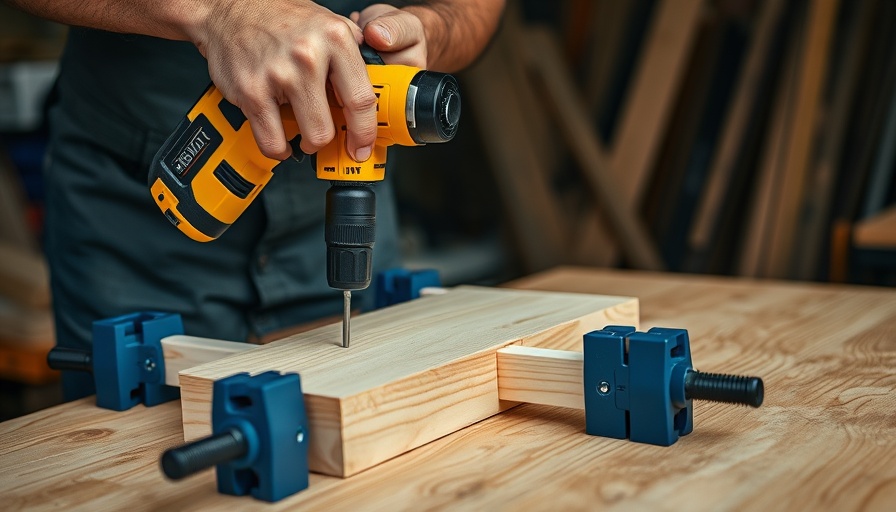
Close-up of drill bits and materials in woodworking scene.

Understanding Drill Bits: The Right Choice Matters

When tackling home repairs or DIY projects, using the right drill bit is crucial. Different materials require specific bits for optimal performance. For example, wood drill bits have a sharp point to ensure they penetrate wood easily, while masonry bits are designed to handle tougher materials like brick or concrete. Knowing which bit to choose can make the difference between a job well done and a frustrating failed attempt.

Materials That Impact Your Drilling Success

Drill bits come in various materials, each serving a specific purpose. Here are some common types you may encounter:

  • High-Speed Steel (HSS): Great for general-purpose drilling in metal, wood, and plastic.
  • Cobalt Steel: Hot and strong, cobalt bits are perfect for drilling into hard metals.
  • Carbide-Tipped: These are ideal for sturdy materials, especially in frequent-use scenarios.

The choice of materials can reduce wear over time and provide a cleaner, more efficient hole. Paying attention to the material of the drill bit will ensure you’ll tackle any project with confidence.

Drilling Techniques: Skills That Elevate Your Game

Even with the best tools, knowing how to use them properly is key. Here are essential techniques that will help you drill like a pro:

  • Drilling Speed: Adjust your drill speed based on the material. Lower speeds work best on metal, while higher speeds suit wood.
  • Pressure Control: Apply consistent pressure but avoid excessive force, which can break bits or ruin your project.
  • Know Your Depth: Use tape to mark your drill bit if you're aiming for a specific depth.

Remember, mastering these techniques not only improves your skill set but can also enhance safety and effectiveness.

Common Missteps: Avoiding the Pitfalls

Even seasoned DIY enthusiasts can make mistakes. Here are common missteps to be aware of:

  • Using the wrong bit for the material, which can lead to damage or inefficiency.
  • Ignoring the importance of drill maintenance, which ensures longevity and performance.
  • Forgetting to clear dust and debris while drilling, which can obscure your vision and affect the accuracy of the hole.

Avoiding these traps will help you maintain your tools and keep your projects running smoothly.

Future Trends: What’s Coming in Drilling Technology?

The world of tools is ever-evolving, and drilling technology is no exception. As homeowners look for more efficient and eco-friendly options, manufacturers are focusing on improved energy efficiency and lower environmental impact in their drill designs. Smart technology may soon allow drills to wirelessly connect to power sources, optimizing performance based on real-time data.

Conclusion: Gain Confidence in Your DIY Skills

Equipped with this knowledge on drill types, materials, and techniques, you are well-prepared to tackle your next DIY project confidently. Remember, practice makes perfect! Don't hesitate to experiment with different bits and speeds until you find the perfect technique that works for you.

DIY Home Projects

0 Comments

Write A Comment

*
*
Please complete the captcha to submit your comment.
Related Posts All Posts
04.17.2026

Discover How to Use a DIY Carpet Deodorizer for Hotel-Like Freshness

Update Transform Your Home with a Simple DIY Carpet Deodorizer As a homeowner, keeping your living space smelling fresh can be a real challenge—especially if you have pets or live in a humid climate. While replacing old carpeting might be on your to-do list, there's no need to wait when a quick DIY solution is at your fingertips. The two-ingredient carpet deodorizer is a simple yet effective way to refresh your home and make it smell like a luxury hotel. Essential Ingredients for Freshening Up Your Carpets To make your own carpet deodorizer, all you'll need are two common household items: baking soda and your choice of essential or fragrance oils. Here’s how to whip up this magic mix: Materials Needed: 1 cup of baking soda and 10-20 drops of your favorite essential oils (like lavender, lemon, or eucalyptus). Instructions: Mix the baking soda and essential oil in a bowl until well blended. Sprinkle it evenly over your carpet, focusing on spots that experience the most foot traffic or have lingering odors. Let it sit for 15 minutes to 1 hour to allow the baking soda to absorb any unwanted smells, then vacuum it up. With these simple steps, you can ensure your home smells delightful without spending a fortune on commercial deodorizers or expensive candles. Why Baking Soda Works Wonders on Carpet Odors Baking soda is a powerhouse in the battle against unpleasant smells. Its chemical properties allow it to bind with odor-causing particles, neutralizing them instead of merely masking the odors. Cleaning expert Allen P. Rathey emphasizes that baking soda acts like a sponge for unpleasant smells, particularly those from pets or food spills, making it an ideal choice for pet owners and families. Customizing Your Strategy: Essential Oils and Scent Profiles The versatility of your DIY carpet deodorizer lies in the essential oils you select. For a fresh, uplifting aroma, opt for citrus scents like lemon or lime. If you're after something more cozy and warm, try vanilla or sandalwood. Each scent will contribute to the ambiance of your home, making it welcoming for guests and your own family. Frequently Asked Questions About DIY Carpet Deodorizers What if my carpet still smells after using this deodorizer? If odors persist, it might be time to consider deeper cleaning methods, such as hot water extraction, which is akin to giving your carpet a good shower. Sometimes, professional cleaning services can help you restore the freshness of your flooring more effectively than home remedies. Is this method safe for pets and children? While the ingredients used are generally safe, it's always a good idea to keep pets and children away from freshly treated carpets until the product has been vacuumed up. If you have pets, be cautious with certain essential oils, as some can be harmful to them. Always consult with your veterinarian for suggestions on safe scents. Creating a Healthy Indoor Environment with Natural Cleaning Solutions Using natural ingredients not only keeps your home smelling great, but it also contributes to a healthier living environment. Chemical-laden commercial products can lead to indoor air pollution and trigger allergies. By using this DIY carpet deodorizer, you're making a conscious choice for a more sustainable and eco-friendly home. Conclusion: Take Action for a Fresher Home If you're looking for quick and effective ways to enhance the aroma of your home, this DIY carpet deodorizer is a clever solution. It’s simple, safe, and cost-effective, proving that sometimes less is more. Give it a try next time you prepare for guests or simply want to enjoy a fresher living space!

04.17.2026

Essential Guide to Touching Up Paint on Your Walls

Update Mastering the Art of Touching Up Paint Touching up paint on your walls may seem like a simple fix, but it often proves to be a tricky endeavor. Many homeowners find themselves frustrated when a quick dab of paint turns into an obvious eyesore. With some insider knowledge and a few key techniques, however, you can seamlessly blend those imperfections without the need for a full repaint. Let's dive into how to keep your walls looking fresh and flawless! Understanding Common Pitfalls in Paint Touch-Ups Many touch-ups fail not due to lack of skill but because of common oversights. One major reason paint touch-ups stand out is mismatched color. Over time, even the best paint can fade from sunlight exposure, which may leave your new touch-up looking starkly different from the surrounding area. Additionally, improper technique—like applying too much paint in one spot—can lead to visible texture differences that scream “fix it!” Gathering Your Touch-Up Toolkit Before starting, ensure you have the following essential items: A can of the original paint color A small angled paintbrush or a clean cloth A damp rag for cleaning the area Fine grit sandpaper for rough spots Optional: a small foam roller for larger areas With these tools at your disposal, you’ll be well-prepared to tackle any wall imperfections! Preparation: Cleaning and Sanding Your Workspace Proper preparation is crucial for effective touch-ups. Start by cleaning the area where you will be painting. Dust and grime can hinder paint adhesion, so use a damp cloth to wipe the wall clean. If the surface is particularly rough or has received repairs like spackling, gently sand the area to ensure a smooth finish. This simple step can vastly improve the blend of your touch-up paint. Less is More: The Key to Application One of the most common mistakes during touch-ups is the over-application of paint. Instead of applying a heavy coat, start with a little paint on your brush or cloth. Apply it sparingly and build up as necessary. This helps avoid shiny patches that can draw attention to the repaired area. Remember: dab, don’t brush, and try to feather out the edges to create a seamless look. Assessing and Waiting for Drying Time It’s essential to allow your touch-up paint to dry completely before assessing your work. Fresh paint often appears different when it’s still wet and once it dries. Take your time; patience is key. If necessary, follow up with additional layers until you achieve the desired finish. The Foam Roller Advantage for Larger Areas If the area you are touching up is larger than a simple scuff mark, consider utilizing a small foam roller. This tool mimics the texture of your wall better than a brush, making it especially useful for satin or eggshell finishes. By rolling on the paint rather than brushing, you'll create a more consistent appearance across the surface. Color Matching and Consistency: A Critical Step Successful touch-ups hinge on matching the existing paint color and finish. If you’re unsure about the paint type or color, bring a sample chip to a local hardware store for advice or even a color match. Using the same sheen and texture as your original application is vital for blending touch-ups seamlessly. Make sure to stir any leftover paint well before application to ensure even color distribution. Final Thoughts: Embrace the Process While touching up paint might seem daunting, it can be a rewarding DIY project that revitalizes your walls. By following these techniques, you can overcome the common pitfalls and achieve a polished finish. So, don’t shy away from touching up your walls; instead, embrace the opportunity to enhance your home’s ambiance. If you ever find yourself overwhelmed with home repairs, remember that maintaining your space doesn't have to be a chore. Tune into your creative side, and make those walls shine again!

04.16.2026

Explore 9 Safety Pin Hacks That Transform Your DIY Projects

Update Unleashing the Potential of the Humble Safety Pin The safety pin, a small yet mighty invention created in 1849, often finds itself relegated to the corners of junk drawers. However, this inconspicuous tool offers a treasure trove of practical applications that can simplify daily life. Its enduring design has remained unchanged, allowing it to serve myriad functions from fashion to security. In this article, we’ll explore nine inventive hacks that showcase the versatility of safety pins and how they can be your best allies in everyday situations. Stringing Together Security with a Simple Pin Keeping your belongings safe while on the go can often be a challenge, but one crafty trick involves a safety pin. As fashion historian Meieli Sawyer suggests, using a safety pin to secure a zipper can act as a deterrent against pickpockets. By pinning a closed zipper across your purse or backpack, you can enhance your security without investing in complex locks. This is a simple yet effective way to ensure your items remain safe and sound. Repairing with Ease: The Quick Zipper Fix Broken zippers can be a major inconvenience, but don’t fret! With a safety pin, you can quickly replace a broken zipper pull. By threading the pin through the zipper head and using it like a traditional pull, you can restore functionality in no time. This quick fix not only works for clothing but can also be a lifesaver for luggage and backpack zippers. Dress Adjustments Made Effortless Have a last-minute event but no time for alterations? A safety pin can come to the rescue. Simply pin the inside seam of the dress for quick adjustments that create a tailored look. This trick is especially handy if you need to adjust the fit for a special occasion without the hassle of sewing. It exemplifies how safety pins provide a practical solution for sudden wardrobe malfunctions. Pulling Through: Retrieval of Lost Drawstrings It’s a common annoyance—losing the end of a drawstring inside your waistband. Fortunately, employing a safety pin can solve this problem. Attach the pin to the drawstring's end, then guide it through the waistband fabric. This trick demonstrates the safety pin’s utility in overcoming everyday frustrations. Travel Tidiness with Personal Accessories Jewelry can easily tangle during travels, but safety pins can help keep everything in order. By fastening necklaces or bracelets to a cloth using safety pins, you can prevent them from knotting. This method not only keeps your accessories organized, but also saves time by avoiding tangles when you're ready to wear them. Guarding Against Static Electricity Static cling can be an annoyance, particularly in colder months. Surprisingly, a simple safety pin can help mitigate static electricity build-up. By clipping a safety pin to the inside of your hem, you can discharge static buildup as you move, reducing those annoying shocks when touching metal surfaces. Securing Straps: A Fashion Hack Bra and dress straps can often slip and slide, resulting in discomfort and embarrassment. A safety pin can help anchor wandering straps in place. By pinning the strap to fabric underneath, you can keep your straps secure and intact throughout the day, providing peace of mind when wearing your favorite outfits. Cleaning Small Holes and More with Safety Pins Beyond these practical applications, safety pins can serve additional roles, including helping to clean small holes in garments when used carefully. Moreover, their pointed ends make them excellent tools for various tasks around the home. Whether threading younger kids' clothing or tackling intricate sewing repairs, safety pins elevate the DIY experience. Beyond the Basics: How to Maximize Your Safety Pin Usage As you learn about the innovative uses for safety pins, consider how they can enhance your daily life. From secure clothing fixes to clever travel tips, the safety pin is a tool every DIY enthusiast should keep close. You engage in an essential journey of taking ownership in home maintenance and repairs when you utilize these straightforward hacks to overcome everyday challenges, it's all about being practical and resourceful. Looking to empower your home projects? Safety pins are just the beginning! Explore other handyman tips that enhance your DIY skills and transform your living space.

Terms of Service

Privacy Policy

Core Modal Title

Sorry, no results found

You Might Find These Articles Interesting

T
Please Check Your Email
We Will Be Following Up Shortly
*
*
*