Add Row
Add Element
UPDATE
Add Element
  • Home
  • Categories
    • Cleaning & Moving
    • Maintenance / Repairs
    • Remodeling & Construction
    • Landscaping / Outdoor
    • Security & Technology
    • Sustainability, Health & Safety
    • Interiors / Décor
    • Expert Interviews
    • DIY Home Projects
Home Wise News!
Wise Insights, Reliable Contractor Advice & Hands on DIY Know How for Savvy Homeowners
July 12.2025
2 Minutes Read

Mastering Outdoor Enjoyment: How to Get Rid of Yellow Jackets Effectively

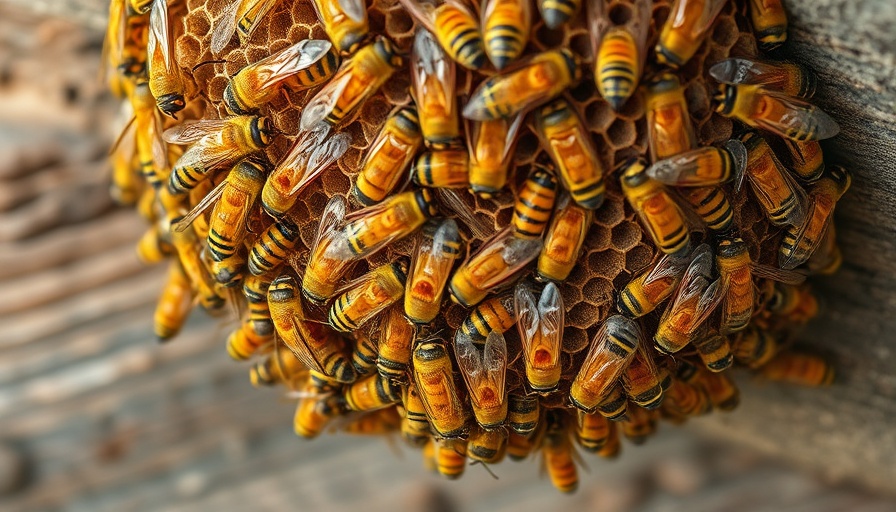
Close-up of yellow jacket nest and wasps on wood, How to Get Rid of Yellow Jackets.

Understanding the Yellow Jacket Menace

As the warmth of summer settles in, so does an unwelcome visitor: the yellow jacket. This buzzing menace is more than just a nuisance; it poses real threats to outdoor enjoyment. Understanding their behavior can be your first line of defense. Unlike other wasps, yellow jackets are aggressive scavengers. They are drawn to food and sugary drinks, making outdoor picnics a prime target. Knowing this can help you thwart their enthusiasm before it escalates into a sting.

Natural Deterrents: The First Line of Defense

If you’re wondering how to get rid of yellow jackets without turning your yard into a chemical wasteland, consider natural deterrents. A simple solution involves using essential oils, particularly peppermint oil. Mix a few drops with water in a spray bottle and apply it around potential nesting sites. The strong scent acts as a repellent, steering these critters away while allowing you to enjoy the outdoors without a care.

Creating a Safe Haven: Yard Maintenance Tips

Another proactive approach is yard management. Yellow jackets prefer nesting in underground burrows, so regular yard maintenance is crucial. Keep your grass trimmed and remove debris where they might nest. Not only will this make your yard less appealing to them, but it'll also enhance your overall outdoor living space.

Set Traps for Successful Management

If natural deterrents aren’t cutting it, consider yellow jacket traps. You can easily create one at home using a two-liter soda bottle. Cut the bottle in half, invert the top half back into the bottom half, and fill it with sugary bait—like a mix of soda and water. This DIY trap attracts yellow jackets while preventing them from escaping. Place them away from your dining areas to lure insects away from your guests.

Understanding Chemical Solutions: When to Use Them

If you encounter a significant infestation, chemical solutions may become necessary. However, it's essential to approach these options carefully to avoid harming beneficial insects. Look for biopesticides that target yellow jackets without adversely affecting other wildlife. Always read the instructions thoroughly and consider applying the treatment during the evening when yellow jackets are less active.

Community Initiatives: Collaborate for a Yellow Jacket-Free Zone

Have your neighbors been battling yellow jackets too? Collaborate with them to implement community-wide pest management strategies. By collectively taking preventive measures, like regular yard cleanups and communal traps, you can create a yellow jacket-free neighborhood. Additionally, community education efforts around yellow jacket behavior can help everyone stay informed and prepared.

Conclusion: Enjoy Summer Without Worry

While yellow jackets can be bothersome, proactive strategies can keep them at bay, allowing you to enjoy your summer stress-free. With natural deterrents, clever traps, and strategic yard maintenance, you can take back your outdoor spaces. Understanding how to get rid of yellow jackets can foster a better atmosphere for family and friends, ensuring that your summer gatherings are all about fun—without the buzzers.

Landscaping / Outdoor

0 Comments

Write A Comment

*
*
Related Posts All Posts
02.12.2026

Why the Direction Your Home Faces Matters for Well-Being

Update Understanding the Importance of Your Home's OrientationWhen it comes to choosing or designing a home, one crucial factor that often takes the backseat is the direction your home faces. While many of us are familiar with concepts like "location, location, location," understanding how your home's orientation affects everything from natural light to energy levels is a game changer. Research suggests that the direction a home faces can significantly influence not only the aesthetics of our living spaces but also our overall well-being.Why Direction MattersIn many cultures, particularly in the practice of Feng Shui, the facing direction of a home plays a pivotal role in bringing fortune and positive energy into the living space. For instance, a south-facing home traditionally benefits from maximum sunlight, thus enhancing warmth and comfort. On the other hand, an east-facing home welcomes the energizing rays of the morning sun, setting a positive tone for the day ahead. Each direction holds unique implications, and understanding them can make a significant difference in how you experience your space.Navigating Through Practical ElementsBeyond aesthetics and energy flow, practical considerations cannot be ignored. Is your home sheltered from harsh winds? Does it provide an open view or is it facing an obstructive structure? These factors have much to do with the direction your home faces. For example, apartments on higher floors offer panoramic views and natural light, enhancing your living experience immensely. In contrast, a basement flat facing a wall will likely harbor a different energy entirely, perhaps feeling more closed off and less inviting.Taking Feng Shui into AccountFeng Shui outlines several principles concerning home orientation and layout. According to practitioners, the ideal structure should not just be about aesthetics but also about the strategic placement of doors, windows, and even furniture. For instance, the main entrance is considered the mouth of your home; this is where energy enters. Hence, its positioning holds significance when it comes to the positive flow of chi. Following Feng Shui, your entrance should ideally invoke feelings of welcome and warmth.Measuring Up: How to Determine Facing DirectionsUsing a simple compass app on your smartphone can help determine the facing direction accurately. Starting by standing in front of your main door, face outwards and take a note of the direction. Similarly, standing inside facing the door can provide a comprehensive sense of orientation, confirming where your home aligns on the compass. Taking these readings allows you to identify your home’s energy source accurately and adjust interior layouts or decor accordingly.Choosing Wisely: Facing Direction While Home BuyingWhen shopping for a new home, the facing direction might not be top of mind compared to budget constraints and accessibility. However, according to experts, buyers should make a checklist of both practical and intuitive factors, emphasizing the orientation of the house. A well-positioned home, whether it incorporates Feng Shui principles or basic design best practices, serves not only as a shell but as a conduit for life energy. Thus, taking time to explore potential homes with a discerned eye on facing directions can lead to a happier living experience.Wrap-Up: Home Direction is More Than a Compass PointUltimately, the direction your home faces can shape your lifestyle in surprising ways, intertwining the aesthetic, emotional, and even spiritual elements of living well. Whether you subscribe to the principles of Feng Shui or simply wish to maximize natural light and access, understanding how to navigate your home’s orientation could optimize your living experience, fostering both positivity and functionality. So, as you engage in that house hunt or renovation, don't forget to dig deeper into the direction—your well-being might just depend on it.

01.28.2026

Transform Your Gardening Experience: Essential Tips for Yard Tool Organization

Update Spring into Action: The Importance of Yard Tool Organization As the first blooms of spring make their appearance and the air warms, it’s time to turn our focus outdoors. While we often rejuvenate our indoor spaces during spring cleaning, don’t underestimate the transformative power of organizing your yard and garden tools. An untidy outdoor space filled with forgotten tools and broken pots can dampen the joy of gardening and inhibit productivity. This spring, revitalize your outdoor projects with these essential steps for decluttering and organizing your yard tools effectively. 1. Conduct a Thorough Outdoor Inventory Before diving into decluttering, it’s critical to assess what you have. Empty your shed or storage area and make an inventory of all your tools. Categorize them into three groups: Keep (items you regularly use), Repair (tools that just need a little TLC), and Discard (broken or duplicate items). This process not only provides a clearer picture of your toolkit but also helps avoid unnecessary duplicate purchases, cultivating a mindful approach towards tool ownership. 2. Clean Your Tools for Longevity Sparking joy in your outdoor tasks starts with clean tools. Neglected tools run the risk of rust and plant diseases—nobody wants those on their gardening gloves! To effectively clean your tools, scrub any dirt away using a stiff brush, rinse metal parts thoroughly, and dry them completely. Wipe down handles with soap and water. Finally, applying a light coat of oil on metal parts not only helps prevent rust but ensures smoother use. When tools shine, they enhance the gardening experience and encourage you to spend more time outdoors. 3. Smart Storage Solutions to Enhance Accessibility Post-cleaning, focusing on smart storage strategies is essential for a tidy garden area. Wall-mounted racks and hooks are ideal for long-handled tools, while shelving units keep smaller items organized. For gardeners on the go, consider portable caddies or totes to carry essential tools wherever needed. Brands like Keter offer durable weather-resistant storage sheds, which keep tools protected from the elements and contribute to a clutter-free yard. Organizing efficiently creates a safe and pleasant environment, making your gardening tasks more enjoyable. 4. Responsible Disposal and Recycling Spring cleaning should embody renewal, not waste. Instead of tossing out broken tools, explore recycling options. Many centers accept metal tools, while local nonprofits might appreciate gently used gear. Always check your local recycling guidelines for plastic pots—many can be reused or donated. Organic materials like broken stakes can find new life when composted, supporting sustainability efforts and closing the loop in your gardening practices. 5. Refresh Your Outdoor Workspace Having tidy tools is only half the battle; your entire work area should reflect your efforts. Take this opportunity to spruce up your outdoor workspace by sweeping away debris from your patio, cleaning shelves, and rearranging items in your shed. Consider updating your potting bench or adding organizational features that suit your gardening style. This creates an inviting atmosphere, making your outdoor space a place of creativity and relaxation. Exploring Modern Gardening Tools and Storage Options As the gardening world evolves, so do the tools and storage solutions available. Check out innovative garden storage options like portable sheds or specialized garden tool cabinets that provide organized and safe spaces for your gardening gear. Investing in durable materials extends the life of your tools while optimizing your greenhouse or shed to maximize space. The latest trends in gardening call for sustainability; thus, consider eco-friendly products that align with your values. Future Predictions for Gardening Trends Looking ahead, gardening is expected to gain popularity among urban dwellers as the demand for outdoor spaces increases. More individuals will prioritize gardening, resulting in higher interest in efficient storage solutions that maximize small spaces, such as vertical gardens and closet potting areas. This echoes a larger trend in home improvement that focuses on multifunctional designs, emphasizing both aesthetic appeal and functionality. Concluding Thoughts: Make Gardening a Joyful Experience Embracing a seasonal spring cleaning ritual not only refreshes your outdoor space but invigorates your gardening practices too. These strategies will help you enjoy your garden tasks, foster sustainability, and improve your home’s aesthetic appeal. Let this spring cleaning be more than just a chore—transform it into an opportunity for renewed passion in your gardening journey. As you embark on this decluttering adventure, challenge yourself to share your journey and tips with fellow gardeners. Not only does this create community, but it also spreads the joy of organized gardening.

01.26.2026

Do Trees Really Explode in the Cold? Unpacking the Truth of Frost Cracks

Update Do Trees Really Explode in the Cold? An Expert Clarifies the Misconceptions As winter encroaches, many have been left puzzled by alarming claims circulating on social media: that trees might "explode" in the cold. While such sensational headlines may provoke a sense of dread, understanding the truth behind these claims is essential. To get to the bottom of this phenomenon, we spoke with expert arborist Ryan Torcicollo, who shed light on the occurrence of frost cracks—what they are, why they happen, and how they impact trees in frigid weather. The Reality of Tree Explosions in Cold Weather It's important to clarify upfront that trees do not truly "explode" when temperatures plummet. The sensational term can mislead people into thinking there is a genuine explosive force at work. In fact, the term is a misinterpretation of a natural occurrence known as frost crack. According to Torcicollo, "Extreme cold can cause visible damage to trees, but there's no actual explosion occurring"; instead, what happens is the result of internal stress responses within the trees. Understanding Frost Cracks: What They Are So, what exactly are frost cracks? The phenomenon is a stress reaction that occurs when trees experience rapid temperature fluctuations. On chilly nights, sap in the tree's tissues can freeze, expanding in volume and putting pressure on the tree’s structure. As a result, "frost cracks" can form—vertical splits in the bark that can be alarming to those who see them. Although the sound accompanying these cracks can resemble an explosion, it's merely the tree's way of coping with thermal stress, as confirmed by multiple sources, including the Nashville Tree Conservation Corps. Which Trees Are Most Affected? Certain species of trees are particularly susceptible to frost cracks. According to experts, maple, birch, elm, and sycamore trees are at a higher risk, while oak and chestnut tend to be more resilient against extreme temperature changes. Understanding which trees are more prone to frost cracks can help homeowners take necessary precautions when the winter chill sets in. How to Protect Your Trees from Winter Damage While you cannot prevent frost cracks entirely, proper maintenance can decrease the likelihood of tree damage during winter. Here are key tips for safeguarding your trees this cold season: Regular Maintenance: Trim your trees and remove dead branches to avoid additional stress during storms. Structural Support: For large or vulnerable trees, consider the installation of cables or braces to help them weather extreme conditions. Understanding the Consequences: Are Frost Cracks Dangerous? While frost cracks can indeed look severe, they don't necessarily mean a tree is condemned. As mentioned earlier, many trees can survive such cracks and continue to flourish. However, if left unchecked, cracks may weaken a tree's structural integrity over time, creating an entry point for pests and diseases. If you spot a frost crack, avoid the temptation to seal it with paint or caulk, as this may trap moisture and stifle the tree's natural healing process. Community Awareness: Why This Information Matters The phenomenon of frost cracks is a significant concern for homeowners in colder regions. Understanding these cracks can help dispel fears of trees spontaneously exploding and allow owners to take preventive steps. For instance, young or thin-barked trees are often the most vulnerable, so extra care should be taken during the wintry months. That's why raising awareness about frost cracks and their causes is essential for maintaining a healthy landscape. Conclusion As we brace ourselves for winter temperatures, it's crucial to differentiate myths from reality concerning tree health. Though trees don't explode in the literal sense, frost cracks pose real risks that could impact both trees and their surroundings. Taking preventive action and educating ourselves will help maintain the vitality of our trees throughout the colder months. For more handyman tips and practical insights into home maintenance, continue exploring expert-led articles and guides to empower your DIY projects and seasonal upkeep!

Terms of Service

Privacy Policy

Core Modal Title

Sorry, no results found

You Might Find These Articles Interesting

T
Please Check Your Email
We Will Be Following Up Shortly
*
*
*