Add Row
Add Element
UPDATE
Add Element
  • Home
  • Categories
    • Cleaning & Moving
    • Maintenance / Repairs
    • Remodeling & Construction
    • Landscaping / Outdoor
    • Security & Technology
    • Sustainability, Health & Safety
    • Interiors / Décor
    • Expert Interviews
    • DIY Home Projects
Home Wise News!
Wise Insights, Reliable Contractor Advice & Hands on DIY Know How for Savvy Homeowners
August 22.2025
3 Minutes Read

Protect Your Car from Theft: Most Stolen and Least Stolen Cars of 2025

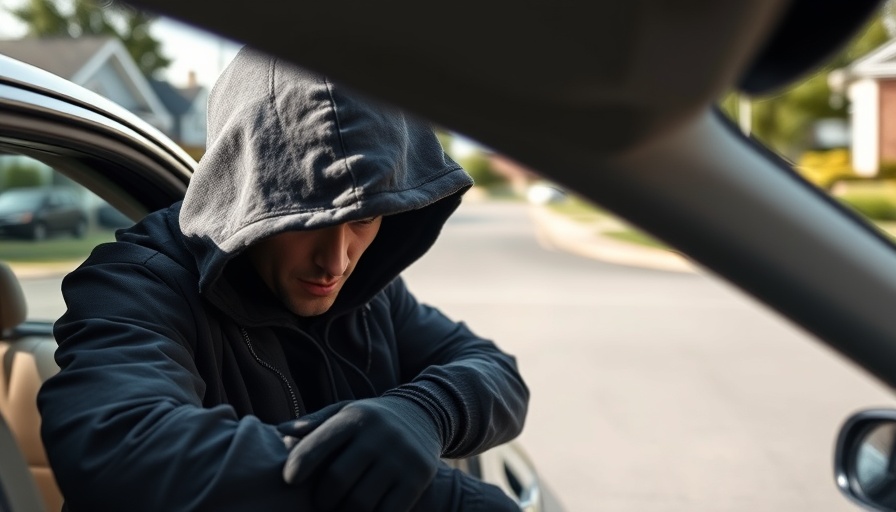
Car theft attempt on most stolen cars 2025 in suburban area.

Understanding Car Theft: Why Some Models Are Targets

As the automotive industry evolves, so do the tactics of car thieves. The recent report from the Highway Loss Data Institute highlights which vehicles are most appealing to thieves based on their theft rates. In 2025, sports cars and high-performance vehicles like the Chevrolet Camaro ZL1 were among the most stolen. This is largely due to their powerful engines and high market value, making them lucrative targets for criminals. The Camaro ZL1, coupled with a technical glitch that simplifies key cloning, attracts thieves looking to maximize their gain with minimal effort.

2025’s Most and Least Stolen Vehicles

The analysis presents a stark contrast between the vehicles most frequently stolen versus those that deter theft. For instance, vehicles like the GMC Sierra 2500 crew cab and Acura TLX 4WD made the top ten list of stolen vehicles, indicating that size and perceived value often influence a thief's choice. Meanwhile, factors causing vehicles like the Tesla Model 3 and Toyota RAV4 Prime to be less frequently targeted include advanced anti-theft technology and the convenience of charging, which often keeps electric vehicles in garages.

Why Electric Vehicles Are Less Attractive to Thieves

Electric vehicles (EVs) occupy the lower end of the theft spectrum predominantly because of their storage needs and the presence of high-tech security features. Electric cars require frequent charging, leading to a habitual parking approach that makes them less accessible during nighttime or in isolated locations. Additionally, the sophisticated software and electronic components in popular EVs like the Ford Mustang Mach-E serve as additional barriers against unauthorized access, relying on more than just physical security.

Effective Security Measures for Your Vehicle

Preventative measures can significantly reduce the likelihood of a car being stolen, regardless of its make or model. Here are a few tried-and-true methods for increasing your vehicle's security:

  • Automatic Immobilizers: These devices prevent the engine from starting without a programmed key, deterring thieves from completing the theft.
  • Audible Alarms: A loud alarm can be a key deterrent, drawing attention when a thief attempts to break into a vehicle.
  • Steering Wheel Locks: Using a visible locking device makes it harder to steer the vehicle, thus making it less desirable to steal.

The Value of Being Informed

Understanding the landscape of vehicle theft can empower car buyers and owners to make informed decisions. When selecting a new car, factor in the vehicle’s theft statistics along with your lifestyle and where you typically park your vehicle. It’s essential to invest not only in a car that meets your preferences but also in one that is equipped with robust security features. This not only protects your investment but also offers peace of mind.

Looking to the Future: Trends in Car Theft Prevention

As the industry adapts, we anticipate further innovations in vehicle security. Anti-theft technology will continue to evolve, offering even more sophisticated systems that can integrate with smart home devices and mobile applications. As car ownership patterns shift towards shared and electric vehicles, the theft landscape will likely see significant changes. Being proactive in understanding both your vehicle's vulnerability and the available security measures will keep your ride safe from opportunistic thieves.

Now is the time to educate yourself about these issues and take preventative steps to protect your investment. Remember, staying informed is your best defense against car theft!

Security & Technology

0 Comments

Write A Comment

*
*
Related Posts All Posts
02.11.2026

Is the Privacy Trade-Off Worth Using Ring's Search Party for Lost Pets?

Update Can We Trust AI in Searching for Missing Pets? The recent Super Bowl commercial by Ring introduced its feature, “Search Party,” which promises to leverage a community’s Ring cameras to find lost pets. The ad paints a reassuring picture, urging pet owners to enlist their neighbors’ help in locating lost dogs through a network of cameras. However, a deeper look reveals significant privacy concerns that cant be overlooked. Understanding the Mechanics of Search Party Ring's Search Party feature activates nearby Ring cameras, scanning feeds for a missing dog. The technology uses AI in an attempt to pinpoint your pet's whereabouts by cross-referencing uploaded photos with camera footage from your neighbors, who have opted into the program. While the concept sounds promising, the statistics are disheartening. Ring claims to have reunited more than a dog a day since the feature launched, but even with generous calculations, this amounts to a minuscule percentage of the estimated 10 million pets that go missing each year. This leads many to question: are there more effective alternatives? Misgivings about Mass Surveillance Critics of the Search Party feature highlight significant risks. By opting into this program, individuals may inadvertently foster a surveillance mentality within their neighborhood. The ad’s promotion of this technology raises alarms about how easily it could be manipulated for less altruistic purposes. The implications extend beyond searching for pets; potential misuse of real-time surveillance could empower stalkers and abusers to track victims. Thus, instead of quaint community vigilance, we could be enabling an unsettling level of oversight on local movements. The Community Impact of Surveillance Technology Technology that encourages constant monitoring of one’s neighborhood could lead to a pervasive atmosphere of distrust. Rather than forming community connections and fostering neighborly relationships, the reliance on AI-driven searches can induce paranoia. The social fabric that once bound neighbors together could fray, replaced by a chilling sense of scrutiny. Instead of coming together in times of need, this could lead to a culture of division and judgment. Improving Chances of Reuniting with Lost Pets Although Ring’s AI might aid in some cases, there are other proven methods to find lost pets. Steps like microchipping your dog, utilizing local shelters, and sharing flyers within the neighborhood remain advisable. These more traditional approaches might not involve the privacy hazards associated with AI cameras but can connect lost animals with owners effectively. Community awareness, leveraging social media for posts, and using local networks can also significantly raise the chances of reunion. Rethinking Pet Recovery Strategies The balance between convenience and privacy should be a pressing concern for all pet owners contemplating using Ring's Search Party. The allure of technology is enticing, but perhaps fostering interpersonal connections and mutual support within your community is a bright spot in today’s tech-driven world. Doing so might retain your neighborhood’s safety while avoiding deeper entanglements in surveillance and risk. Informed Choices for the Future As we navigate new technologies, understanding their implications is crucial. While it’s appealing to grab onto innovation, considering the trade-offs in privacy, trust, and community dynamics is essential for all of us. Choosing how closely to integrate technology into our lives will significantly shape our future interactions and experiences in our neighborhoods. To learn more about maintaining privacy while still caring for your pets, you can check out other safety strategies and maintenance tips for your home. Remember, safeguarding your loved ones, whether furry or human, begins with informed choices.

02.07.2026

Understanding Energy Consumption: Should You Leave Your TV On?

Update Should You Leave Your TV On? The Energy Costs Explained Leaving the TV on when you're not home might seem harmless, but in the age of rising energy costs and sustainability concerns, it’s a question worth exploring. Modern TVs are crafted with energy efficiency in mind, but how does that play into the decision of leaving one running? Let’s unravel the economics behind your viewing habits. Understanding Energy Consumption Let’s face it: televisions have become ubiquitous in our households, serving as entertainment hubs that keep us company while we unwind. However, leaving a TV on when it’s not in use can lead to unnecessary energy expenditure. According to recent analyses, modern LED TVs consume approximately 50-200 watts based on size and brightness settings. If you left a 50-inch LED television running, it could cost you anywhere from 4 cents to 24 cents per night, depending on your local electricity rates. The Standby Mode Myth A common misconception is that leaving a TV in standby mode saves energy. In actuality, even in standby, some models consume up to 5 watts. Reports indicate that the standby consumption can account for about 20% of a TV’s overall energy use. In simple terms, don't just turn off the screen with the remote; hit that power button to cut down your energy usage effectively! Does It Hurt Your TV to Turn It Off? Worries about damaging your TV by turning it off frequently are unfounded with modern devices. Despite fears over wear and tear from repeatedly switching on and off, powering down devices actually conserves energy and contributes to a longer lifespan in many cases. Those who keep their TV running all day might be surprised to learn that it often incurs more wear than a well-managed, occasionally powered-off unit. Future Predictions: Smart Home Integration and Automation As technology advances, we’re entering an era where smart home integration can redefine our energy management practices. Imagine a scenario where your TV turns off when you leave the room or enters energy-saving modes during periods of inactivity. Smart features on many flat-screen TVs are increasingly inclined towards energy savings, automatically adjusting brightness and engaging sleep timers. Final Thoughts: Take Action For Savings In the end, the decision to leave your TV on should align with your energy conservation goals. Not only will proactively managing your device lead to lower bills, but it positively contributes to environmental preservation. For those worried about losing their place in a series while they step out, consider investing in smart plugs or remote controls, ensuring you stay both entertained and eco-conscious. When you evaluate whether you should leave your TV on or turn it off altogether, the energy savings potential and environmental impacts are clear. Embrace the change and transform how you engage with your entertainment systems every day.

02.05.2026

Stay Alert: Recognizing the DMV Group Text Scam's Warning Signs

Update Recognizing the Red Flags: How to Spot the DMV Group Text Scam In today's digital landscape, scam messages are becoming increasingly sophisticated, making it harder to distinguish between legitimate notifications and fraudulent schemes. The latest iteration, a DMV group text scam, has emerged, preying on unsuspecting recipients by claiming they owe unpaid tolls and threatening immediate consequences. Understanding how to identify these scams is essential to protect yourself from financial loss. Urgency and Deceptive Messaging: Key Tactics Employed by Scammers The tactic employed by this latest scam is familiar: using a sense of urgency to pressure recipients into acting without thinking critically. The text typically states that recipients must resolve a supposed toll balance immediately, threatening dire repercussions such as license suspension if they fail to comply. Many individuals have reported receiving these messages, often filled with grammatical errors and urgent demands for payment through dubious links. Official Guidelines: How to Stay Safe Both the California DMV and other state agencies emphasize that genuine communication will never come in the form of unsolicited text messages demanding payment. Instead, they recommend taking proactive steps to verify any suspicious messages. Legitimate DMV communications typically follow standard protocols, such as using official channels like their website or telephone lines for any inquiries regarding payments or fines. If you're unsure whether a message is real, always double-check by contacting the DMV directly through their official website or customer service numbers. Emotional Reactions: How These Scams Affect Victims The emotional toll of these scams can be significant. Individuals who receive these texts often experience anxiety and fear, worrying about potential legal repercussions or the loss of their driving privileges. For instance, a resident in Hawaii shared his experience of receiving a similar message, which triggered immediate concern despite his awareness of ongoing scam alerts. Such emotional responses can cloud judgment, leading to hasty decisions that might involve engaging with the scam. The Broader Context: Other Common Scams This DMV text scam marks just one of many scams threatening everyday individuals. Just like payment demands for false toll fines, scammers often use similar strategies across various industries, including utility companies and even public health entities. For instance, some scams impersonate electric companies, claiming overdue balances while insisting on immediate payment to avoid disconnection. Others may threaten legal action for unpaid fines from the IRS, mimicking government communication styles to instill fear. Protective Measures: What You Can Do As scams become more prevalent, understanding how to protect yourself evolves. Here are essential tips to ensure you don't fall victim: Always verify the source of any unexpected message, especially those demanding payment or personal information. Look for grammatical mistakes, odd phrasing, or inclusive group messages, as minor errors are indicative of scams. Use official channels for any transactions or inquiries related to your DMV status, directly visiting their website rather than clicking on provided links. Final Thoughts: Being Proactive in the Age of Scams In a rapidly evolving technological landscape, it remains crucial for individuals to stay informed about potential scams and protective measures. By educating yourself, you can safeguard against the threatening tactics employed by scammers, ensuring that you remain a step ahead. If you suspect that you or someone you know may have interacted with such scams, don't hesitate to reach out to local authorities or the DMV for guidance.

Terms of Service

Privacy Policy

Core Modal Title

Sorry, no results found

You Might Find These Articles Interesting

T
Please Check Your Email
We Will Be Following Up Shortly
*
*
*