Add Row
Add Element
UPDATE
Add Element
  • Home
  • Categories
    • Cleaning & Moving
    • Maintenance / Repairs
    • Remodeling & Construction
    • Landscaping / Outdoor
    • Security & Technology
    • Sustainability, Health & Safety
    • Interiors / Décor
    • Expert Interviews
    • DIY Home Projects
Home Wise News!
Wise Insights, Reliable Contractor Advice & Hands on DIY Know How for Savvy Homeowners
May 09.2025
3 Minutes Read

Recognize Whether It's Time for Garage Door Replacement: Key Signs

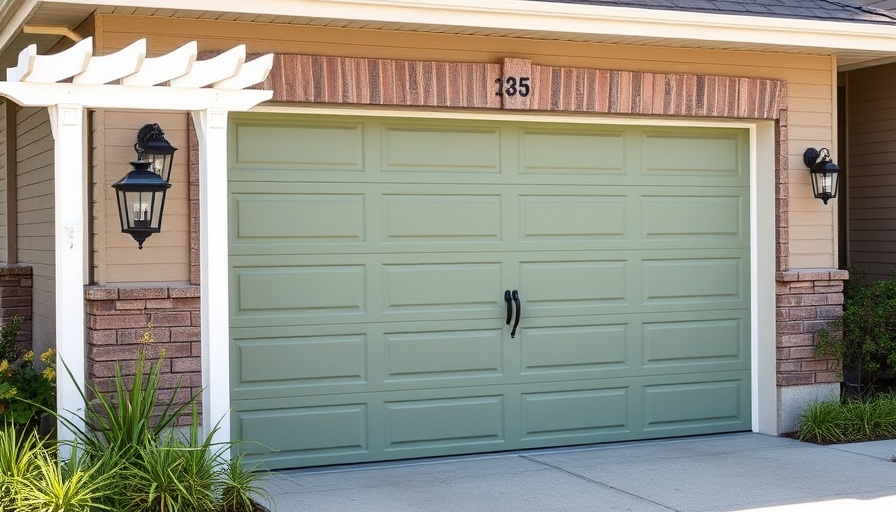
Sage green garage door replacement with white trellis and light.

Are You Noticing the Signs of Garage Door Failure?

Your garage door does more than just keep your car safe; it plays a vital role in the security and appearance of your home. Unfortunately, just like any well-used component of your house, it has a defined lifespan and will eventually require replacement.

Understanding when it's time to invest in garage door replacement can not only prevent unexpected failures but also enhance your home's overall efficiency and aesthetic appeal.

Identifying Physical Damage and Wear

One of the clear indications that it’s time to replace your garage door is visible damage, such as dents, cracks, or warping. Over time, exposure to various weather elements or accidental impacts can lead to significant deterioration. Such impairments not only ruin the visual appeal of your home but may also jeopardize security by creating weak spots vulnerable to intruders.

Regular monitoring for signs of wear and tear, especially in climates subject to extreme weather, is essential. If damage is prevalent, investing in a new garage door could be more cost-effective than recurring repair expenses. Modern doors often feature enhanced materials that promise improved durability against these common threats.

The Cost of Frequent Breakdowns

If you find yourself making frequent repairs due to sticking mechanisms, slow responses, or unexpected failures, your garage door may be approaching the end of its useful life. Continuously dealing with such inconveniences not only disrupts your routine but also adds up in repair costs.

While some noise during operations is normal, loud or unusual sounds such as grinding or banging can indicate internal issues. Upgrading to a contemporary garage door often means benefiting from advanced noise-reduction technologies that improve your home’s comfort levels.

Improving Energy Efficiency and Sustainability

Older garage doors may be poorly insulated, contributing to increased energy costs and uncomfortable temperature fluctuations. If your garage adjoins your home, any inefficiency can affect your living space's overall heating and cooling. Investing in modern, insulated garage doors can decrease heat transfer, aiding in maintaining a stable interior temperature.

The Department of Energy highlights the importance of energy-efficient solutions, encouraging homeowners to pay attention to the R-value ratings when selecting their garage doors. This can lead to decreased energy bills and a lower carbon footprint.

Modern Security Features for Peace of Mind

Garage doors are often utilized by burglars as access points, making security features crucial. Older garage doors typically lack advanced security technologies, like rolling code systems, which change the access code after each use, thus reducing the risk of remote control code theft.

Upgrading to contemporary models can enhance your home's security. Many modern garage doors not only integrate with home security systems but also come equipped with smart technologies, enabling remote monitoring and real-time alerts.

Revisiting Aesthetic Appeal

The appearance of your garage door significantly affects your home's overall look. Upgrading to a new model allows you to enhance curb appeal while aligning with modern designs that reflect your style. A contemporary door can transform the exterior of your home, all while bolstering functionality.

Conclusion: Take Action for Your Home's Future

Recognizing the signs of a failing garage door is pivotal in maintaining both the security and aesthetic value of your home. If you find yourself agreeing with any of the indicators discussed, it may be time to consider a replacement. Not only will a new garage door enhance the security and efficiency of your household, but it will also contribute to a more modern and appealing look. Don’t wait for your garage door to fail – make a proactive decision for your home today!

Maintenance / Repairs

Write A Comment

*
*
Related Posts All Posts
11.14.2025

Harness the Power of Automation to Streamline Your Short-Term Rental Management

Update Streamlining Your Short-Term Rental OperationsManaging short-term rentals can feel akin to juggling five different jobs, especially with the myriad tasks modern hosts are faced with, from guest communication to financial monitoring. However, automation has emerged as a powerful ally, transforming chaos into structured efficiency. Whether you're managing one property or a portfolio of listings, utilizing smart systems not only facilitates daily operations but also enhances the guest experience, ultimately driving growth without compromising control.The Case for AutomationIn today’s fast-paced rental market, the burden of manual management can sometimes impede success. Tasks such as syncing calendars across platforms like Airbnb and Vrbo, handling guest inquiries, and scheduling cleanings often result in missed communications or double bookings when managed without systems in place. Automation helps streamline these responsibilities, allowing hosts to take charge while ensuring nothing falls through the cracks. By employing dedicated software that integrates various facets of property management, tasks that once took hours can now be completed within seconds.Enhancing Guest CommunicationEffective communication is vital to guest satisfaction. Automation can significantly improve this aspect through tools that send pre-check-in messages, follow-ups, and automatic reminders for checkout times seamlessly. For example, pre-arrival emails not only enhance the check-in experience but also set clear expectations for guests, cultivating trust from the moment a reservation is made. This real-time communication encourages positive reviews and repeat bookings.Automating Cleaning and MaintenanceEnsure your properties are consistently guest-ready by automating cleaning and maintenance schedules. Software solutions of today allow property managers to set up workflows that notify cleaners after each check-out. Such systems also help manage maintenance tasks efficiently, eliminating the risk of missed tasks that could lead to guest dissatisfaction and impact your reputation.Financial Automation for Rental ManagersOne of the most significant stressors for short-term rental hosts is financial management. Tools like Baselane provide integrated financial systems that automate bookkeeping, invoicing, and payment collection. By automating these tasks, you can drastically reduce errors related to manual entry while improving financial oversight.Automation Tools You Should ConsiderAs the short-term rental space continues to evolve, there are numerous tools that property managers can leverage to automate their operations effectively:Channel Managers: Essential for preventing double bookings by syncing calendars across various platforms.Automated Messaging Systems: To maintain constant communication with guests throughout their booking journey.Payment Solutions: To handle everything from deposits to refunds efficiently and securely.Building for the FutureAutomation doesn’t just resolve current pain points; it also paves the way for scalability. As your rental portfolio grows, the structured systems put in place today will support this growth, allowing you to multiply your efforts without succumbing to mismanagement. Think of automation as the backbone of your rental operation; it enhances your ability to focus on guest experience while maximizing time and profit.Conclusion: Embracing the Future of Rental ManagementWith an increasing reliance on technology, the future of short-term rental management is poised to favor those who embrace automation. By leveraging the right tools and systems, property managers can not only simplify their current operations but also position themselves for sustained growth in a competitive market. If you're looking to simplify your operations, explore the selection of automation tools available to find solutions that best meet your needs, paving the way for a more efficient and successful rental experience.

11.14.2025

Essential Guide: How Often to Mop Your Floors for Best Results

Update The Art of Mopping: How Often Should You Really Be Doing It? When it comes to maintaining a clean home, identifying the right cadence for mopping is crucial. Just like choosing the perfect playlist for a long drive, the frequency and method of mopping should match your lifestyle and living conditions. So, how often should you be mopping your floors? The answer, surprisingly, isn’t one-size-fits-all. According to cleaning expert Jorge Leiva, it’s about understanding your specific environment, prioritizing areas based on usage, and knowing when those floors really need some TLC. Find Your Frequency: Factors that Influence Your Mopping Routine First, consider your household dynamics. If you have children or pets, you might find yourself reaching for that mop much more often than someone living alone. Areas with high foot traffic, like your kitchen and entryways, should be mopped weekly, whereas bedrooms or guest rooms could perhaps stretch that schedule to biweekly or even monthly. Additionally, environmental factors play a key role. Weather patterns can influence the amount of dirt tracked in and, consequently, how often you should be mopping. During rainy or snowy seasons, it’s wise to increase frequency to combat the additional grime that enters through our shoes. Spotting the Signs: When is it Time to Mop? Even the best of us can let mopping fall by the wayside. The key is knowing the signs that signal it’s time to put in some elbow grease: Sticky Floors: If your floors feel tacky underfoot, they likely need a thorough mopping. Visible Dirt: Notice those pesky smudges or dirt streaks? These are a clear indicator that it’s mop time. Allergy Symptoms: If you or your family members are experiencing allergy flare-ups, it might be time for some serious floor cleaning, as dust and allergens love to settle on your surfaces. Preparation: Little Steps Before Big Swipes Understanding when to mop is only half the battle; preparation is equally essential. As noted by Leiva, you must first sweep the floor to remove dirt and dust. Skipping this step can lead to a less effective clean, as mopping without pre-sweeping can actually just push dirt around, allowing debris to settle into your floors. Consider investing in quality mops—microfiber mops, for instance, are excellent. They hold onto grime and are perfect for capturing fine dust, making the task easier than wielding traditional mops. Beyond the Basics: Advanced Mopping Techniques Once you’ve established a steady mopping routine, it may be beneficial to take it a step further. Create a detailed cleaning day on your calendar once a month. This allows you to move furniture, clean those neglected spots in corners, and give grout lines the attention they deserve. And let’s not forget about the power of technology! Robot vacuums and mops, like the innovative Dreame models, can streamline your routine, ensuring consistency and efficiency. They can handle everyday cleaning so you can save the manual work for when it's needed most. Your Custom Cleaning Schedule: A Room-by-Room Planner Each area of your home has its own cleaning requirements. Here’s a basic guideline to help you get started: Kitchen: Weekly along with spot mops for spills. Entry / Mudroom: Weekly. Bathrooms: Weekly. Living Areas: Bi-weekly. Bedrooms: Can range between bi-weekly and monthly. Adjust the frequency as per your home’s unique conditions—high moisture areas might need more love! Conclusion: Create a Cleaning Routine That Works for You Ultimately, the frequency of mopping should be tailored to your home’s specific needs, influenced by your lifestyle, the number of residents, and the type of flooring you have. A well-maintained schedule will not only keep your house looking pristine but also contribute to a healthier living environment free of allergens and dirt. Incorporate technology, set reminders, and listen to your living space. The best cleaning routine is the one that’s personalized just for you. Now roll up those sleeves, and let’s get mopping!

11.13.2025

Why Your Tire Pressure Light Won’t Turn Off: Solutions for Drivers

Update Understanding the Tire Pressure Monitoring System (TPMS) Every modern vehicle is equipped with a Tire Pressure Monitoring System (TPMS), designed to keep you aware of your tire conditions and alert you when pressure drops below a safe threshold. A core component of your car's safety features, this system helps ensure optimal performance and longevity of your tires. It’s crucial for preventing blowouts and improving fuel efficiency. How does this system work? The TPMS consists of sensors located on each wheel that continuously monitor tire pressure. When the pressure falls significantly—commonly between 10 and 25 percent below the manufacturer's recommended level—the warning light on your dashboard illuminates. This serves as a signal to the driver that immediate action is required. Common Causes for a Tire Pressure Light That Won’t Turn Off So, what happens when you’ve inflated your tires but the light refuses to turn off? Several factors could be at play. From temporary spares lacking proper sensors to seasonal temperature shifts causing pressure fluctuations, it’s essential to diagnose the issue correctly. 1. Punctures and Slow Leaks: Sometimes unnoticed, punctures in your tire can cause a slow air leak and might not be visibly detectable. This issue can keep the tire pressure light on until the damage is addressed. 2. Temperature Changes: Tire pressure can drop with lower temperatures, as every 10-degree Fahrenheit decrease can lead to about 1 PSI drop. If your pressure sensor readings were taken in colder weather, rechecking after warming conditions might resolve your issue. 3. Spare Tire Issues: If a spare tire is installed, remember that many don’t have TPMS sensors, leading to discrepancies in the system readings that can trigger the warning light. How to Properly Check and Adjust Tire Pressure Using a manual or battery-powered tire pressure gauge is essential for determining your tire's psi (pounds per square inch). Here’s a simple step-by-step guide: Remove the valve cap from the tire you want to check. Press the gauge onto the valve stem—ensure a snug fit to prevent air leakage. Read the pressure on your gauge. If it’s below the manufacturer's recommended level, add air until it reaches the correct PSI. Replace the valve cap after completing your adjustments. Check your vehicle’s door jamb or manufacturer’s manual for the recommended PSI levels. Recalibrating Your TPMS: When to Seek Professional Help If the tire pressure light persists even after checking all tires, recalibrating the TPMS may be necessary. Often, tire rotation can lead the system to misread tire positions, which can trigger the warning light. Here’s how to reset it: Turn your ignition to the on position without starting the engine. Locate the TPMS reset button, usually located beneath the steering wheel or in the glove compartment. Press and hold the reset button until the tire pressure light blinks three times. Release the button and allow a few moments for the system to recalibrate. If the light remains on after these steps, it may indicate a malfunctioning sensor. A visit to a tire shop or mechanic is recommended to diagnose the issue further. Understanding Tire Maintenance for Longevity Maintaining proper tire pressure is crucial, not only to keep your warning light at bay, but also for the safety and longevity of your tires. Regularly checking your tire pressure every month and before long trips can help you stay safe on the roads. Furthermore, a simple task like rotating your tires every 5,000 to 7,500 miles can enhance their longevity and performance. Incorporating tire maintenance into your routine can save you from costly repairs and distress on the road. Here are some handyman tips for upkeep: Inspect tires for signs of wear or foreign objects that might cause leaks. Maintain a consistent schedule for rotations and pressure checks. Be mindful of how your driving habits can impact tire wear and air retention. Final Thoughts: Why Reliable Tire Maintenance Matters Tire maintenance may seem like a tedious task, but the benefits far outweigh the inconveniences. A simple commitment to regular checks can prevent dangerous situations, maximize fuel efficiency, and prolong the life of your tires. By understanding the importance of your TPMS and taking action when warnings arise, you’ll not only keep your vehicle in optimal condition but also ensure a safer driving environment for everyone on the road. Now that you’ve equipped yourself with this knowledge, consider putting this information into action. Regular maintenance will pay off and help you avoid issues down the road.

Terms of Service

Privacy Policy

Core Modal Title

Sorry, no results found

You Might Find These Articles Interesting

T
Please Check Your Email
We Will Be Following Up Shortly
*
*
*