UPDATE
  • Home
  • Categories
    • Cleaning & Moving
    • Maintenance / Repairs
    • Remodeling & Construction
    • Landscaping / Outdoor
    • Security & Technology
    • Sustainability, Health & Safety
    • Interiors / Décor
    • Expert Interviews
    • DIY Home Projects
Home Wise News!
Wise Insights, Reliable Contractor Advice & Hands on DIY Know How for Savvy Homeowners
August 13.2025
3 Minutes Read

Revamping Tiny Living: The Amazon Walkmax Home Revolution

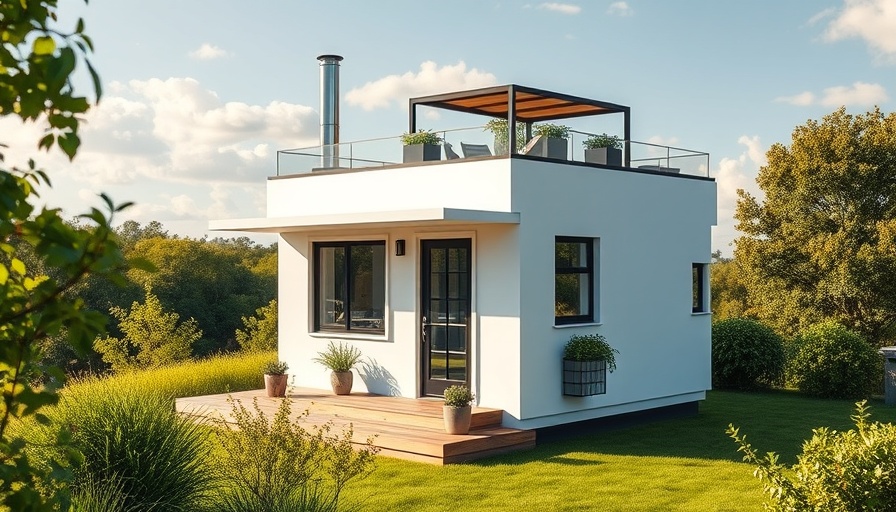
Amazon Walkmax tiny home in lush setting with patio

Introducing a New Standard in Tiny Living

The future of home design is getting a mini-makeover, as evidenced by the latest offering from Amazon: the Walkmax, a two-story tiny home that changes the game for modern living. This compact marvel combines smart technology, contemporary aesthetics, and functional design, making it a desirable option for anyone looking to downsize without sacrificing comfort. Equipped with a fully functional bathroom and a spacious roof deck, this tiny home is more than just a weekend retreat; it’s an innovative take on how we view personal space.

The Rise of Smart Living Solutions

In a world increasingly focused on sustainability and efficiency, small living spaces are becoming the norm. Much more than just a trend, tiny homes have proven that you can reduce your carbon footprint while still enjoying luxurious amenities. The Walkmax is a perfect example, featuring smart home technology that allows homeowners to control everything from lighting to temperature with the touch of a button. Imagine sipping your morning coffee on the roof deck while your smart thermostat ensures the perfect indoor climate. The technology not only enhances comfort but promotes energy efficiency, making tiny homes a sustainable choice.

Function Meets Aesthetic: Design Details That Shine

Every inch of the Walkmax is carefully planned for functionality and style. The two-story layout gives an illusion of spaciousness that developers of tiny homes often struggle with. A sunlit roof deck offers outdoor living space that enables owners to connect with nature, and the fully equipped bathroom provides necessary comforts that make tiny living practical. By integrating clever storage solutions and multifunctional furniture, the Walkmax embodies a design ethos that prioritizes minimalist living while maintaining elegance.

Community and Lifestyle: A Movement on the Rise

The appeal of tiny homes like the Walkmax extends beyond just their physical structure; they symbolize a lifestyle choice that values community, sustainability, and financial freedom. Many tiny home enthusiasts report feeling more connected to their communities and leading less materialistic lifestyles. The Walkmax invites potential owners to engage in this new wave of thinking, as it is designed to be placed in vibrant, communal settings where neighbors know each other and the outdoors becomes an extension of living space.

Looking Towards a Sustainable Future

As cities become more congested and affordable housing becomes scarce, tiny homes represent a plausible solution. The Walkmax, with its intelligent design paired with eco-friendly materials, echoes a commitment to sustainable living. Owning a Walkmax means investing not just in property but in a lifestyle that prioritizes harmony with the environment. Trends in tiny living suggest a growing acceptance as more individuals look for ways to simplify their lives while reducing environmental impact. It illustrates that living well can come in small packages.

Are You Ready to Embrace Tiny Living?

As more people shift towards sustainability in their housing choices, tiny homes like the Walkmax might just be the future of homeownership. Reflecting on your own lifestyle can lead to a wealth of insights on how to achieve well-being and contentment through simplicity. Could the Walkmax be calling you to explore tiny living? If you’ve ever entertained the thought of downsizing and leading a more intentional life, now is the time to explore these exciting options. To discover more about the Walkmax and begin your journey towards modern tiny living, consider diving into the possibilities today.

Sustainability, Health & Safety

0 Comments

Write A Comment

*
*
Please complete the captcha to submit your comment.
Related Posts All Posts
05.25.2026

Discover How Common Scents Can Help Keep Moths Away from Your Home

Update Exploring Natural Deterrents: Harnessing Scents to Keep Moths at Bay Ah, the humble moth. A creature often overlooked but equally capable of ruining a perfectly good wardrobe. You might think of mothballs first when considering deterrents, but what if I told you there are natural scents that are just as effective, if not more so? From the delightful fragrance of cedar to the zesty notes of citrus, here are four common smells that could keep those pesky moths at bay. 1. Cedar: Nature's Classic Wardrobe Defender Cedar has been a trusted ally in the fight against moths for centuries. Not only does it lend a charming, woody aroma to your closets and drawers, but it also releases natural oils that repel moths. Place cedar blocks, hangers, or chips among your clothes, and you’ll not only protect your fabrics but also enjoy a lovely scent every time you open the door to your wardrobe. 2. Lavender: A Fragrant Workforce The sweet and relaxing scent of lavender isn't just for creating peaceful atmospheres; it also serves as a formidable moth deterrent. Known for its calming properties, lavender sachets tucked away in your closets or drawers will not only keep moths away but might also help you unwind after a long day. So, hang some in your closet and see the benefits while enjoying that fragrance! 3. Citrus: Zesty and Fresh Protection Nothing says 'keep away' like the invigorating zing of citrus. This refreshing scent—think lemons and oranges—does wonders in repelling moths. Placing citrus peels in your wardrobe or using essential oils can create an aromatic fortress that moths will avoid. Plus, it’s a great excuse to use those leftover fruit peels rather than throwing them away! 4. Eucalyptus: A Fresh Approach to Moth Control Eucalyptus isn't just a delightful addition to your herbal tea; it also possesses properties that moths are not fond of. The strong, refreshing scent of eucalyptus can help ward off these uninvited guests. As a bonus, its aromatic qualities can also help cleanse the air in your home! Use eucalyptus oil or sprigs placed strategically around your home to maximize its protective benefits. The Green Alternative: Why Choose Natural Scents? Opting for natural scents over chemical repellents isn't just good for your home; it's also beneficial for the environment. Traditional moth repellents can contain harsh chemicals that may potentially affect your air quality and health. By using natural scents, you not only deter moths but also ensure a safer home for your family and pets. Making the Most of Natural Scents To maximize their effectiveness, refresh your scent-based deterrents regularly. Essential oils may evaporate over time, losing their potency. By reinvigorating your cedar blocks or lavender sachets every month or so, you’ll keep your home smelling fresh and moth-free. And don’t forget, combining scents can be an effective strategy too. For instance, mixing lavender and citrus might create a delightful aroma while doubling your moth-fighting effectiveness! Conclusion: Refresh, Protect, and Enjoy! Keeping moths away doesn't need to rely on unpleasant chemical fragrances. Embracing natural scents can enhance your living space while safeguarding your clothes and linen. So, why not try out cedar, lavender, citrus, and eucalyptus today? You might find your home not only smells better but also feels safer and more inviting. Remember, a little prevention can go a long way in maintaining a moth-free sanctuary!

05.24.2026

Master Wasp Prevention: Effective Tips for Outdoor Safety

Update Why You Should Be Concerned About Wasps As summer launches backyard gatherings into full swing, the presence of wasps can be a formidable damper on outdoor activities. With thousands of wasp species buzzing around the U.S., their nests, usually built in hidden or elevated locations, can become a serious threat. From enjoying a peaceful picnic to hosting a barbecue, understanding these pests is crucial. Wasps, especially aggressive species like yellowjackets and paper wasps, can turn your outdoor paradise into a battleground where every buzzing sound sends a wave of panic through your gathering. Therefore, mastering the art of wasp prevention not only enhances your outdoor experience but safeguards friends and family from painful stings. Effective Strategies to Keep Wasps Away Preventing wasps is easier than you might think! Here are actionable tips that can transform your outdoor space: Seal Food and Garbage: Wasps love sugary drinks and food leftovers. Always cover your food and dispose of trash promptly. Garbage bins should be tightly sealed to avoid unwanted intruders. Plant Natural Repellents: Utilize plants such as mint, eucalyptus, and citronella around your home. Their strong aromas have proven effective at deterring these persistent pests. Regular Inspections: Keep an eye on areas like attics and eaves where nests are commonly found. If you see the beginnings of a nest, act quickly to remove it before it becomes a more significant problem. Wasp Traps: Create or buy wasp traps. They attract wasps with sweet bait while preventing escape. Remember, however, that traps alone won’t resolve larger infestations; they should be part of a broader strategy. Engage Pest Control Experts: If wasps have become a menace, don't hesitate to call professionals. They provide safe and effective removal options, ensuring peace of mind for your gatherings. Signs of a Wasp Infestation Before you can prevent wasps, you'll need to identify the signs that they’ve made your property their home. Look out for: Buzzing Noises: Listen for loud buzzing near your eaves or in your attic. This is often a telltale sign of an active nest. Visible Nests: Check for nests in sheltered areas like under decks or tree branches. They may appear papery and tend to increase in size as the season progresses. Frequent Wasp Sightings: If you notice a significant increase in the number of wasps around your house, it could indicate a nearby nest. Are Homemade Solutions Effective? For those keen on taking the DIY route, you might be curious about homemade wasp trap solutions. Mixing dish soap with water can be a quick way to create a spray that clogs wasps' breathing holes, effectively incapacitating them. Just remember that safety comes first. When using these methods, exercise caution and always wear protective clothing in case of stings. The Importance of Timing When tackling wasps, timing is everything. The optimal times to spray for nests are early morning or late evening when the wasps are less active. This enhances your chances of a successful application while minimizing the risk of a sting. Final Thought: Keep Your Space Safe In conclusion, taking preventative measures against wasps is well worth the effort. Not only will you maintain a tranquil outdoor environment, but you'll also protect your guests from potential harm. Prepare yourself with the knowledge and tools necessary, and enjoy your summer without the worry of buzzing intruders. As you enjoy the sun, remember that keep your outdoor activities buzzing with laughter—not with the annoyance of wasps!

05.21.2026

Why Going Solar is the Smartest Home Improvement Investment for 2026

Update Why Going Solar is the Smartest Home Improvement Investment for 2026 As we approach 2026, homeowners are increasingly considering the best upgrades they can make. Often, the focus is on traditional improvements like kitchen renovations or bathroom remodels. However, there’s a growing consensus that investing in solar energy could offer the highest return on investment. This article delves into why solar installations represent a critical and financially savvy choice for homeowners. Changing Perceptions of Solar Energy Solar energy was once primarily associated with environmentally conscious individuals who were comfortable with technology and willing to wait years for a financial return. However, this perception is shifting. More conventional homeowners are recognizing that rising electricity costs are a significant factor in their monthly budgets. By investing in solar energy, they can gain control over their energy expenses and positively impact the environment. Financial Advantages of Solar Installation The financial argument for installing solar panels has never been stronger. Over the past decade, the cost of solar installations has plummeted, with the average installation now ranging from $15,000 to $25,000 compared to $50,000 just a decade ago. When coupled with the federal Investment Tax Credit (ITC) allowing homeowners to deduct 30% of the system cost, transitioning to solar becomes a financially attractive option. Homeowners can expect to offset up to 100% of their electrical consumption on an annual basis, leading to significant yearly savings. Rising Utility Costs and Home Values With utility prices rising at a rate higher than the historical average, homeowners see solar not just as an upgrade but a long-term hedge against inflation. Projections show that the average cost of electricity could increase significantly in the coming years. Hence, homeowners purchasing solar systems are not only saving on future utility bills but also enhancing their property value. Research indicates that homes equipped with solar panels command a premium averaging $15,000 more than those without, according to studies by the Lawrence Berkeley National Laboratory. Evaluate Your Home's Suitability for Solar Before diving into solar installation, it’s essential to assess whether your home is well-suited for this technology. Factors such as roof condition and orientation play a crucial role. Homes with south-facing roofs that experience minimal shading tend to be ideal candidates. It's wise for homeowners to first evaluate the state of their roof and consider conducting projects concurrently if the roof is nearing the end of its lifespan. Understanding Financing Options The most common financing strategies include purchasing the system outright, leasing, or entering a Power Purchase Agreement (PPA). It's vital for homeowners to explore and compare financing options, particularly in light of changing federal tax incentives. As noted by experts, while federal tax credits are changing, many state and utility rebates are still available, which can further alleviate the upfront costs of solar installation. The Role of Net Metering Policies Net metering is another critical component that enhances the appeal of solar systems. This policy allows homeowners to send excess energy generated back to the grid, receiving credits on their monthly utility bills in return. Understanding how your utility's net metering policy works is crucial to maximize savings from your solar investment. Embracing Sustainability as a Homeowner In today’s climate-conscious society, choosing solar power aligns with broader sustainability goals while also making sound financial sense. Homeowners can enjoy the dual benefits of reduced utility costs and a lower carbon footprint by opting for solar energy. This investment reflects a commitment to both financial prudence and environmental stewardship. Conclusion: Your Path to Energy Independence As we transition into 2026, solar energy stands out as a premier home improvement investment. The combination of decreasing installation costs, rising energy prices, and the potential for significant savings positions solar technology as a must-consider upgrade for homeowners. To ensure you make the most informed decision, evaluate your options today, and perhaps consult with a solar installation expert to see how you can harness the power of the sun for your home.

Terms of Service

Privacy Policy

Core Modal Title

Sorry, no results found

You Might Find These Articles Interesting

T
Please Check Your Email
We Will Be Following Up Shortly
*
*
*