Add Row
Add Element
UPDATE
Add Element
  • Home
  • Categories
    • Cleaning & Moving
    • Maintenance / Repairs
    • Remodeling & Construction
    • Landscaping / Outdoor
    • Security & Technology
    • Sustainability, Health & Safety
    • Interiors / Décor
    • Expert Interviews
    • DIY Home Projects
Home Wise News!
Wise Insights, Reliable Contractor Advice & Hands on DIY Know How for Savvy Homeowners
August 22.2025
3 Minutes Read

Revitalize Your Yard: A Step-by-Step Guide to Dethatching Lawns

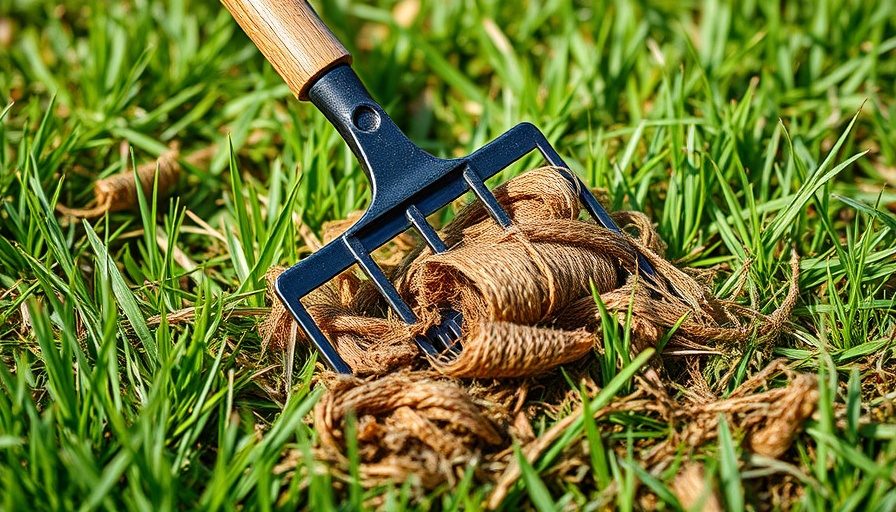
Close-up of dethatching rake removing brown thatch from lawn.

Unlocking the Health of Your Lawn: Dethatching Explained

Dethatching your lawn isn't just a chore; it's an essential part of lawn maintenance that can rejuvenate your yard. For homeowners looking to achieve a lush, green space, understanding the dethatching process is critical. But what exactly is dethatching? At its core, dethatching is the removal of a thick layer of organic matter and dead grass that builds up between the soil and grass blades.

When thatch accumulates beyond a half-inch, it restricts water and nutrients from reaching your grass, leading to various growth issues. Homeowners may notice brown patches or struggle with grass that seems shallow or unresponsive to care. Such warning signs indicate that it's time to take action.

Perfect Timing: When to Dethatch Your Lawn

Most lawns benefit from dethatching every 2-3 years, with the prime times for this maintenance being early spring or fall. This timing optimally aligns with grass recovery, particularly when the roots are still active and capable of growth. The cooler temperatures of early spring mean a quick recovery from the stress of dethatching. Similarly, dethatching in the fall allows the grass to rebuild before winter.

Choosing Your Dethatching Method: Power vs. Manual

Your dethatching approach will hinge on your lawn's size and the thickness of thatch. For the average homeowner, handheld thatching rakes might suffice. However, if you’re dealing with a larger space, renting a powered dethatcher can be a game-changer. These machines simplify the process and typically range from $10 to $60 for an afternoon’s rental. Keep in mind that powered dethatchers may require a little more expertise, including learning how to operate the machine safely and efficiently.

Your Essential Dethatching Toolkit

Before you begin, gather your tools: a dethatching rake for manual efforts, a leaf rake for cleanup, and if necessary, a powered dethatcher. Ensure you also have lawn bags for collecting thatch debris. These essential tools will facilitate an efficient dethatching process, greatly minimizing potential problems or frustrations.

Step-by-Step Guide to Dethatching Your Lawn

Step 1: Preparation is Key

Start by mowing your lawn to approximately half its regular height. This shorter grass will make it easier for your dethatching equipment or rake to get in and effectively remove thatch without harming the grass below.

Step 2: Utilizing a Powered Dethatcher

If using a powered dethatcher, clear the area of any objects and engage the machine's blades. You'll want to make overlapping passes across your lawn, moving back and forth methodically. After the dethatching is complete, use a leaf rake to collect and bag up the thatch.

Step 3: Techniques for Manual Raking

When you opt for a manual dethatching rake, angle is everything. Adjust the rake's blades to penetrate the grass effectively. Start with a gentle angle to limit potential harm to your lawn, and gradually adjust for better thatch removal as necessary.

Enhancing Your Lawn Post-Dethatching

Once you’ve completed dethatching, consider overseeding your lawn. This process involves spreading new grass seeds to fill in any bare spots. Additionally, aeration can complement your dethatching efforts, further promoting growth by improving oxygen and nutrient absorption in the soil.

What Are the Risks of Not Dethatching?

Ignoring thatch issues can lead to compaction of the soil and ultimately hinder the grass's ability to draw in nutrients. A lawn that isn’t regularly dethatched may also become more susceptible to pests and diseases, which can create costly issues for homeowners down the line. Therefore, regular maintenance is as important for your lawn’s health as watering and fertilizing.

The Emotional Rewards of Lawn Care

For many homeowners, a healthy lawn represents pride in their property, a sense of accomplishment, and an invitation to enjoy outdoor spaces with family and friends. By understanding and executing proper dethatching methods, individuals can significantly enhance the beauty of their homes while promoting an engaging landscape for years to come.

Ultimately, taking the time to properly dethatch your lawn can return long-term dividends in visual appeal and gardening satisfaction. So roll up your sleeves, gather your tools, and get ready to enjoy the fruitful outcome of a vibrant, healthy lawn!

Landscaping / Outdoor

Write A Comment

*
*
Related Posts All Posts
12.07.2025

Transform Your Backyard with Hardscaping for Low-Maintenance Beauty

Update Designing a Low-Maintenance Outdoor Space: The Power of Hardscaping Creating an outdoor space that requires minimal upkeep is a dream for many homeowners, especially those with busy lifestyles. Hardscaping offers a smart solution, transforming your backyard into a beautifully crafted sanctuary while keeping maintenance to a minimum. By carefully planning your layout, selecting durable materials, and integrating functional features, you can create a space that performs both aesthetically and practically. Let’s explore how you can make hardscaping work for you in your pursuit of low-maintenance outdoor living. Thoughtful Planning: Your Blueprint for Success The first step in planning a low-maintenance outdoor area is to consider its purpose. Think about how you want to use the space: Do you envision a serene setting for dining al fresco, a lively spot for entertaining, or a peaceful oasis for relaxation? Mapping out clear zones can help make your area feel cohesive, minimizing wasted space and ensuring easy flow. Opt for large patios, broad pathways, and structured walls to delineate functional areas. Features like a louver wall or privacy fence panels not only provide boundary solutions but also enhance style. Choosing Durable Materials: The Key to Longevity The materials you select play a pivotal role in reducing maintenance. Durable options like natural stone and concrete pavers are not only aesthetically pleasing but also withstand the test of time and weather. Features that require little upkeep, such as composite decking, can also contribute to a sleek, modern atmosphere. Pairing these materials with low-maintenance plants and gravel beds will further decrease your gardening efforts. Textures and colors that can hide dirt and damage make your space look better for longer. Integrating Functional Features for a Well-Rounded Experience Hardscaped areas should be designed with functionality in mind. Incorporating features like patios, fire pits, built-in seating, and planters allows for versatility in your outdoor experience. These surfaces are also less demanding than traditional green spaces, as they require minimal cleaning. To add ambient charm without excessive upkeep, consider self-contained water features and low-voltage lighting, both of which bring charm and functionality to your outdoor retreat, allowing you to enjoy the space fully with less hassle. Smart Plant Choices: Go Low-Maintenance While hardscaping replaces extensive landscaping, integrating plants can soften the overall design. Focus on using low-maintenance species such as ornamental grasses, succulents, and native shrubs that require little care. Grouping plants in containers or raised beds can simplify watering and pruning routines while reducing extensive lawn care. Enhancing your outdoor design with gravel or mulch reduces weeding, while ensuring your plants have a tidy appearance. With the right plants, your green areas can flourish without demanding excessive time or effort. Essential Maintenance and Longevity: Stay Ahead of Issues Even the most thoughtfully designed low-maintenance outdoor areas need some attention to remain inviting. Regular sweeping, periodic washing of hard surfaces, and checking for wear on privacy panels or other features is essential for longevity. By maintaining your hardscape, you’ll prevent minor issues from escalating into costly repairs. For example, sealing stone or concrete surfaces periodically can stave off staining and weathering, allowing your investment to continue to shine. Risk-Free Gardening: Landscaping for the Low-Key Gardener Many homeowners dream of a beautiful garden but dread the work it typically requires. That’s where hardscaping shines as a solution. Less lawn means less mowing, and durable surfaces reduce the headaches associated with weeding and watering. Adopting these principles allows homeowners to create stunning landscapes that nurture both mind and spirit without sacrificing precious free time. Embrace the less-is-more philosophy: fewer plants can bring more beauty while drastically reducing maintenance chores. Next Steps: Elevate Your Backyard Experience Are you ready to transform your outdoor space into a low-maintenance haven? Start by assessing your current layout and consider how you might integrate hardscaping elements. Research materials that resonate with your aesthetic and lifestyle needs, and don't hesitate to seek advice from local landscaping experts. With a little investment in planning and materials, your dream of a beautiful, functional outdoor area can become reality.

12.04.2025

Transform Your Outdoors: Renting Equipment for DIY Landscaping

Update Embrace Your Garden's Potential with Equipment Hire Transforming your garden into a beautiful escape requires not just vision, but the right tools. For homeowners, the dream of a lush landscape often feels out of reach due to the high costs of purchasing specialized equipment. Fortunately, equipment hire provides a practical solution, enabling DIY enthusiasts to access top-notch tools without breaking the bank. Access Professional-Grade Equipment Without the Cost Homeowners often find themselves struggling to acquire the right equipment for landscaping projects. Buying machinery like rotavators, mini excavators, and power tools can be financially daunting. Equipment hire opens the door to professional-grade machinery tailored for demanding landscaping tasks. This cost-effective strategy allows you to experiment with different tools and techniques, ensuring that the right choices are made without the risk of purchasing items that may never be used again. Save Time and Effort on Landscaping Tasks Landscaping involves numerous physically demanding tasks that can quickly drain your energy. Think about digging, leveling, and removing old turf—these are labor-intensive jobs that become manageable with the right machinery. Hiring mini excavators, stump grinders, and powered wheelbarrows can drastically reduce the physical strain of these tasks. For instance, a rotavator can prepare soil in a fraction of the time it would take manually, allowing you to concentrate on creative aspects instead of toiling in the dirt. Flexibility to Tackle Various Projects Every landscaping project is unique, and choosing the right tools for your specific needs is essential. Equipment hire allows adaptability, whether you're creating a small garden bed or renovating an expansive lawn. If you're installing a pond or building a retaining wall, precise digging with a mini excavator becomes a breeze. This project-specific flexibility means you only pay for what you need, avoiding unnecessary expenses. Let Go of Storage and Maintenance Worries Owning landscaping machinery can lead to a host of challenges—storage space, maintenance, and potential deterioration from lack of use. When you choose to hire equipment, these concerns vanish. Rental companies maintain their machines in prime condition; you receive well-maintained tools delivered right to your doorstep. This arrangement suits homeowners who may not have adequate storage space or who only undertake landscaping projects occasionally. A Cost-Effective Solution for Homeowners For many DIY projects, renting equipment is often significantly cheaper than purchasing. As noted, a mini excavator rental may cost a fraction of ownership, especially for a one-off project. Moreover, short-term rental options let you tailor your expenses according to what you need for each task. This financial strategy is especially useful for homeowners looking to enhance their outdoor spaces without the burden of long-term commitments. Popular Equipment Rental Choices for Your Next Project When embarking on your landscaping journey, consider these essential rental tools that can elevate your project: Lawn Mowers: Choose from walk-behind mowers for small yards to riding mowers for larger properties. Rototillers: Perfect for breaking up tough soil, rototillers save a considerable amount of manual labor. Stump Grinders: Effective in clearing out tree stumps, allowing your landscaping efforts to progress uninterrupted. According to a recent survey, 78% of professionals reported better results with rental equipment over consumer-grade tools. Access to modern, efficient equipment not only streamlines projects but enhances the overall quality. Making the Most of Equipment Rentals To maximize your rental experience, consider these practical insights: Schedule Wisely: Try renting equipment in mid-week for better availability and possible discounts. Maintain Properly: Clean equipment before returning to avoid extra charges. Batch Tasks: If working on multiple projects, consider renting specialized tools simultaneously to save time and money. Take Action and Transform Your Outdoors! Ready to bring your landscaping vision to life? Embrace the power of hiring equipment and unlock your outdoor potential. For more information on rental services, local stores, or to explore options for your projects, take that first step today! The path to your dream landscape doesn’t have to be expensive—equip yourself with the right tools and get started on your transformation!

11.26.2025

How to Make Your Outdoor Entertaining Space Inviting All Year

Update Transform Your Outdoor Space: The Key Elements of Inviting Entertaining Areas As summer wanes and the crispness of cooler weather approaches, many homeowners are left pondering how to create an outdoor entertaining space that feels inviting year-round. Whether you have a vast yard or a modest patio, transforming your outdoor area into a cozy gathering spot is achievable with thoughtful design choices. Here’s how to ensure that your outdoor entertaining space becomes an inviting haven for friends and family. Creating a Cohesive Foundation The foundation of your outdoor space plays a vital role in its overall ambiance. An often-overlooked aspect is the material underfoot. Surfaces such as GatherCo limestone paving can offer a warm and inviting base that enhances the visual appeal of your space. An appropriate choice of flooring not only feels good underfoot but also complements outdoor furniture and decor, helping create a seamless and welcoming atmosphere. The right surfaces can bring together the aesthetic of your outdoor entertaining space, as mismatched materials can create a disjointed and uninviting feel. Think of your flooring as the backdrop that can enhance the beauty of your outdoor decor and furniture. Establishing a Visual Focal Point Indoor rooms typically have a natural anchor that brings the space together, be it a fireplace or a prominent piece of furniture. Outdoor spaces, however, sometimes lack this essential visual anchor. To make your space feel more inviting, consider incorporating a defined focal point. Popular choices include: A stylish fire pit for warmth and ambiance A beautifully adorned dining table Statement planters or unique outdoor art pieces A designated focal point draws the eye and encourages guests to gather, making your outdoor area feel more homely and engaging. Rethinking Furniture Layout The arrangement of furniture is crucial for creating a welcoming atmosphere. Many outdoor seating areas are set up with chairs facing outward towards walls or fences, leading to an awkward social environment. Instead, aim for layouts that promote conversation: Positioning chairs in a semi-circle fosters inclusivity. Setting up a low table allows for casual lounging. Incorporating an outdoor rug can define a cozy conversation area. These adjustments will make your space feel like a true gathering point rather than a mere collection of furniture. Layering Lighting for Ambiance Lighting plays a pivotal role in how inviting an outdoor area feels. Bright, glaring lights can cause discomfort, while dim lighting might leave your guests feeling unsure. To create an atmosphere that is cozy yet functional, consider layering your lighting: String lights create a twinkling backdrop. Lanterns or solar-powered candles add warmth. Utilize a wall light for practicality while maintaining aesthetic appeal. Balanced lighting can illuminate your area and add to the overall charm without being obtrusive. Defining Spaces with Purpose Large outdoor areas can often feel empty and intimidating if not subdivided into zones with defined purposes. Crafting clear sections—such as a lounging nook, dining area, and cooking zone—can help fill the space visually and functionally. This creates a dynamic environment where guests feel comfortable moving about and lingering in different areas. The Importance of Softness and Warmth Without soft textures, outdoor spaces can often seem stark. Incorporating elements like cushions, throws, and softer seating options can greatly enhance warmth and comfort, encouraging guests to sit back and relax. Potted plants also add a touch of life and warmth, bridging the gap between the natural world and your designed space. Embracing Seasonal Fun with Adaptable Design As the weather cools down, embracing outdoor entertaining becomes a challenge. Homeowners should consider practical adaptations like fire pits and outdoor heaters, which allow for enjoying the outdoors year-round. Technologies like Bromic heaters can provide effective warmth, enhancing comfort during cooler months without detracting from visual aesthetics. Investing in Sustainability for Lasting Enjoyment As outdoor areas become extensions of our living spaces, incorporating eco-friendly practices becomes paramount. This includes using sustainable materials for furniture, promoting greenery that requires less water, and utilizing energy-efficient lighting. Not only does this approach help maintain environmental balance, but it also contributes to the overall appeal of your outdoor area. Conclusion: Create an Inviting Atmosphere That Lasts Transforming an outdoor entertaining space into a warm and inviting environment is achievable through thoughtful design choices and practical adaptations. With an emphasis on cohesive materials, intentional layouts, layered lighting, and seasonal adaptations, your outdoor space can become a cherished venue for gatherings throughout the year. As you plan for outdoor entertaining, consider the insights offered here. You have the power to create a welcoming atmosphere, ready to serve as the backdrop for cherished memories. If you’re thinking of making these changes, why not take action today and elevate your outdoor experience? Embark on a journey of transformation for this beloved space.

Terms of Service

Privacy Policy

Core Modal Title

Sorry, no results found

You Might Find These Articles Interesting

T
Please Check Your Email
We Will Be Following Up Shortly
*
*
*