
Add Row
Add Element
UPDATE
Add Element
  • Home
  • Categories
    • Cleaning & Moving
    • Maintenance / Repairs
    • Remodeling & Construction
    • Landscaping / Outdoor
    • Security & Technology
    • Sustainability, Health & Safety
    • Interiors / Décor
    • Expert Interviews
    • DIY Home Projects
Home Wise News!
Wise Insights, Reliable Contractor Advice & Hands on DIY Know How for Savvy Homeowners
September 10.2025
3 Minutes Read

Ryobi Pressure Washer Recall: Protect Yourself from Explosion Risks

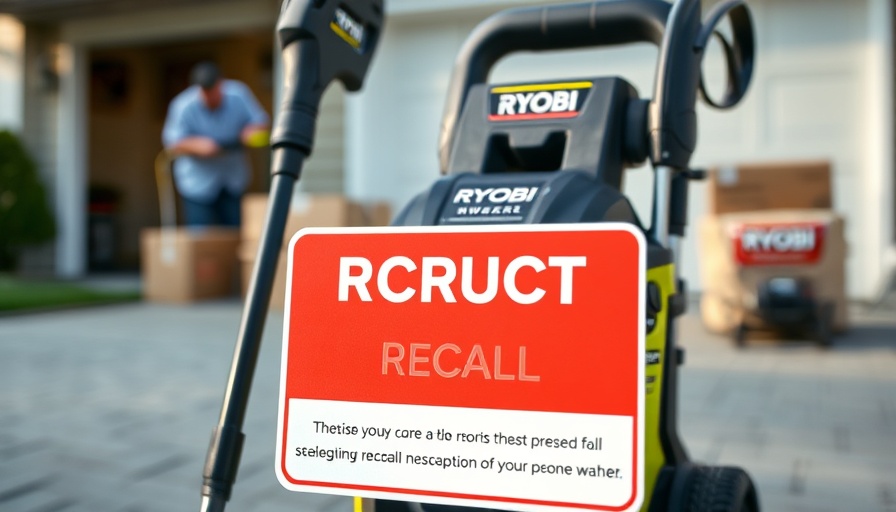
Ryobi pressure washer recall alert in driveway setting

The Alarming Recall of Ryobi Pressure Washers: What You Need to Know

The landscape of home maintenance has suddenly shifted as more than 750,000 Ryobi pressure washers are recalled due to serious safety concerns. The United States Consumer Product Safety Commission (USCPSC) announced the recall following multiple incidents of explosions causing injuries. This article delves into the details of the recall and what actions affected owners should take.

Why Are These Pressure Washers Dangerous?

The USCPSC's report indicates that the pressure washers are prone to a malfunction involving their capacitors. According to officials, an overheated capacitor can burst, ejecting parts with enough force to injure the operator or nearby individuals. So far, the Ryobi parent company, TTI Outdoor Power Equipment, has documented 135 overheating incidents, leading to 41 explosions and 32 injuries that include serious fractures and burns.

Identifying Recalled Models: Are You Affected?

The recall specifically targets models RY142300 and RY142711VNM of Ryobi’s brushless electric pressure washers. These machines are identifiable by their green color, spray nozzle, and a detergent tank capped in blue. Consumers who purchased these models from Home Depot or Direct Tools Factory Outlet between July 2017 and June 2024 should be especially vigilant in reviewing their products. If your model matches this description, take precautions until further instruction is received.

Steps to Take If You Own a Defective Pressure Washer

Immediate action is crucial for anyone with a recalled pressure washer. The USCPSC advises to:

  • Cease using the device immediately to prevent any potential injury.
  • Visit Ryobi’s recall site to confirm if your product is registered under this recall.
  • Follow the instructions provided for obtaining a free repair kit that includes a replacement capacitor and proper installation guidelines.

Notably, no proof of purchase is required to receive assistance, making it accessible to all consumers affected by this hazard.

Understanding the Risks and Keeping Your Home Safe

As a homeowner, ensuring the safety of tools employed in maintenance projects is paramount. With thousands of these pressure washers in households across the country, the risk they present touches on broader themes of consumer safety and responsibility. Home maintenance rarely comes without risks; hence, always remaining informed about the tools used in these DIY projects can significantly reduce the likelihood of accidents.

Long-Term Considerations: Prevention and Safety Measures

Looking to the future, it is essential for consumers to not only act upon recalls but also to adopt preventive measures. Before engaging in home repairs, take the time to:

  • Read product manuals thoroughly and understand potential risks.
  • Participate in any manufacturer communications regarding safety and recalls.
  • Consider attending workshops or community sessions focused on tool safety and maintenance.

By prioritizing safety, consumers can turn potential hazards into opportunities for learning and growth in their DIY capabilities.

Insights from the Recall: Elevating Home Maintenance Standards

The recent Ryobi recall serves as a stark reminder of the importance of maintaining high standards around home improvement products. It emphasizes a collective responsibility—manufacturers, retailers, and consumers alike must work together to ensure tools are both effective and safe. As more products come to market, focusing on rigorous safety measures and transparent communication can help prevent reoccurrences of such serious issues.

Conclusion: Take Action For Your Safety

If you suspect you own one of the aforementioned Ryobi models, do not delay in checking the recall status. Understanding the risks associated with your tools reinforces responsible maintenance practices that safeguard both you and your home. For additional information and assistance regarding this recall, check the USCPSC website or the Ryobi recall page.

Maintenance / Repairs

0 Comments

Write A Comment

*
*
Related Posts All Posts
02.11.2026

Why You Shouldn't Use Dishwasher Tablets to Clean Your Washing Machine

Update Can You Really Use Dishwasher Tablets in Your Washing Machine? Given the hectic pace of modern life, one may find themselves pondering—can you clean your washing machine with dishwasher tablets? This clever hack has been floated around social media, touting dishwasher tablets as the ultimate short-cut to freshen up your washer. But could this idea be too good to be true? As it turns out, yes. Experts have weighed in, and the consensus is clear: using dishwasher tablets in your washing machine is not advisable. The Dangers of Using Dishwasher Tablets Your washing machine is designed to make clothing clean, but it also needs its own regimen to stay spotless. Just like your shower needs scrubbing after you use it, your washer can harbor mold and detergent build-up. Dishwasher tablets may sound tempting, but according to appliance manufacturers like Bosch and expert Jonathan Chan, these tablets can cause more harm than good. The composition of dishwasher detergent is formulated to work effectively at higher temperatures, which may leave residues in your washing machine instead of cleaning it. The Science Behind the Missteps Most dishwasher tablets contain harsher chemicals designed to battle food and grease at high temperatures. When introduced to a washing machine, these tablets can froth up uncontrollably, creating a foam overflow nightmare rather than a cleaning solution. The last thing anyone wants is a kitchen-sink fiasco inside their beloved appliance, right? Safer Alternatives for Washing Machine Maintenance Fortunately, there are effective, safe, and affordable options out there to keep your washing machine in peak condition. To cleanse and refresh your washer, all you need are common household items. Mixing 1/4 cup of baking soda with 1/4 cup of water creates a natural cleaning paste. Add 2 cups of white vinegar into the drum—then run a hot cycle. This combo will tackle mold and grime without the drama of overflowing suds! Prevention is Key: Keep Your Washing Machine Clean Preventive measures can extend the cleanliness of your washing machine. For front-loaders, leaving the door ajar after a wash allows the drum to dry thoroughly, thus thwarting mold growth. Moreover, investing in specialized washing machine cleaners, such as those recommended by Bosch, might save you a lot of hassle down the line. Common Misconceptions: Clearing the Air There's a long-held belief that a washing machine can keep itself clean just because it operates with water and detergent. Unfortunately, it's not that simple. Accumulations of soap residues and moisture can lead to odors or even mechanical issues over time. Recognizing this necessity unlocks the door to effective home care. Understanding the Risks: What's at Stake? The primary risk of using dishwasher tablets lies not only in ineffective cleaning but also in the potential mechanical damage to your washing machine over time. Using inappropriate products can lead to more costly repairs, creating hassle that a simple cleaning routine could avoid. Your Journey to a Cleaner Home Adopting the right cleaning habits is not just about improving appliance performance; it's about enhancing your home’s hygiene as well. The next time you're tempted to drop a dishwasher tablet in your washer, remember the experts' warnings and resist that urge. Stick with safe and effective cleaning methods—your machine will thank you! It's time to take action and ensure your washing machine receives the love and care it deserves. Try the vinegar and baking soda mixture next laundry day, and watch as your washer transforms into a sparkling clean version of its former self!

02.11.2026

Why You Should Know About Engine Block Heaters This Winter

Update Understanding Block Heaters: A Winter Essential for Machines As winter sets in, the sight of an extension cord protruding from under a car's hood becomes more common. But why is this happening? That cord typically connects to a block heater, a crucial device that keeps your engine warm and operational during frigid temperatures. Given my 15 years of experience working with Cadillac, GM, and Oldsmobile, I’ve seen firsthand how essential block heaters are, especially when the temperatures drop below freezing. What is a Block Heater? A block heater is an electrical tool designed to warm up an engine's fluids before starting the vehicle on cold mornings. When plugged into a standard 120-volt outlet, the heater utilizes a resistive heating element to warm the engine oil or coolant. The result? Engine parts are easier to move, and the car is less strained when it starts—all leading to quicker starts and lower emissions. It’s a perfect example of how technology can mitigate the difficulties posed by nature. The Science Behind Engine Block Heaters Block heaters improve your vehicle's performance in the cold by pre-heating the engine. Diesel engines, notorious for their difficulty starting in freezing conditions, significantly benefit from these heaters. When fluids are warm, they flow more easily, reducing engine wear and tear. This not only helps with starting the engine but reduces the amount of fuel consumed as the engine reaches its operating temperature quicker. Comparative Advantage: Types of Block Heaters 1. Freeze Plug Heaters Freeze plug heaters replace the freeze plug in your engine, providing internal heating of the coolant. They are generally the most efficient but often require professional installation. 2. Oil Pan Heaters These attach to the oil pan magnetically or with adhesive, helping to prevent oil from thickening as temperatures drop. This type is ideal for maintaining optimal oil temperatures without extensive modifications. 3. In-Line Coolant Heaters Inserted into a hose, in-line coolant heaters quickly warm the coolant, with some utilizing a small pump to circulate it throughout the engine. 4. Dipstick Heaters Though they are the least effective, dipstick heaters are easy to install and work by replacing your engine’s oil dipstick to warm up the oil directly. 5. Battery Warmers While not a block heater per se, battery warmers are valuable adjuncts, ensuring that your battery retains sufficient power during cold spells. The Benefits of Block Heaters: More Than Just Warmth The benefits of block heaters extend beyond preventing your engine from freezing. Warmer starting fluids can lead to: Less strain on the battery and starter motor. Reduced tailpipe emissions, contributing positively to the environment. Enhanced comfort by quickly heating the passenger compartment. Increased fuel efficiency, as warmed fluids improve combustion efficiency. Common Misconceptions About Block Heaters There are several myths surrounding block heaters. One common myth is that when coolant freezes, freeze plugs pop out to prevent cracking; in reality, these plugs are merely there to seal casting holes. Understanding this can inform better preventive measures and increase awareness about proper maintenance. Future Predictions: The Role of Technology in Vehicle Maintenance As technology advances, we might see more innovative heating solutions that integrate with modern car systems. Battery technology could make block heaters even more efficient, prolonging the lifespan of both batteries and engines. Additionally, homes could see upgrades to their electrical systems that better accommodate block heaters, making it easier for vehicle owners to maintain their engines in cold climates. How to Implement a Block Heater Installing a block heater can be a straightforward DIY project, or you may prefer to enlist a professional. Before getting started, consider the heater type that best suits your vehicle and your technical comfort level. For DIY enthusiasts, review installation guides specific to your car model. For safety, consult a professional when in doubt, especially for freeze plug installations. Stay Warm This Winter! As temperatures drop, being proactive about maintaining your engine’s health is essential. Consider how a block heater can assist in prolonging your vehicle's life, enhancing performance, and reducing your environmental footprint. Understanding these systems not only saves you money on repairs but also fortifies your knowledge in DIY maintenance, empowering your ability to keep your vehicle in top shape. If you’d like to learn more about block heaters or other maintenance tips that enhance performance and safety, keep exploring our range of practical guides and expert insights!

02.10.2026

Discover How Smart Design Choices Can Extend Your Dock's Lifespan

Update Enhancing Your Dock's Longevity Through Intelligent DesignA dock isn't just an access point to the water; it’s a pivotal part of the waterfront lifestyle and property value. Proper design not only maximizes safety and efficiency but also prolongs the life of the structure. Let’s explore how smart choices in materials and design can ensure your dock remains safe and functional for years.Choosing the Right Materials for Maximum DurabilityOne of the most significant factors in extending dock lifespan is the selection of durable materials. Modern options such as composite decking, treated lumber, and marine-grade metals excel at resisting rot, corrosion, and moisture ingress. Unlike traditional timbers that often succumb to the harsh aquatic environment, these materials provide a resilient foundation for long-term use. For instance, composite decking—such as Lumberock’s Classic and Coastal Collections—combines high-density polyethylene with mineral additives designed for both freshwater and coastal settings, where frequent exposure to elements can degrade lesser materials rapidly.Finish and Coating: Extra Line of DefenseFinishes and coatings specifically engineered for marine environments provide an additional layer of protection. They not only shield materials from UV rays and moisture but also minimize the growth of algae or other organisms that can cause slick surfaces. These proactive measures ensure that your dock maintains its aesthetic while extending its functional life.Architectural Design Principles for a Resilient DockAn effective design distributes weight evenly across the structure, minimizing stress points that may lead to degradation over time. Utilizing robust framing, proper spacing of joists, and high-quality fasteners can significantly enhance structural integrity. For example, installing strong pilings that resist shifting and settling is an investment that pays dividends by reducing future repair costs.Environmental Considerations: Adapt to SurviveUnderstanding the environmental dynamics affecting your dock is vital. Design considerations like wave actions and seasonal ice movement can guide the choice between floating or breakaway sections. By anticipating these factors, dock design can adapt and relieve stress during extreme weather events, keeping both the dock and surrounding aquatic environments in good condition.Long-term Planning: The Blueprint for Future UsePlanning for the future is essential for any dock project. Building a structure that can accommodate future changes—like adding a boat lift or scenic enhancements—will save you from retrofitting woes down the line. This foresight helps maintain not just the dock’s longevity but also the investment's overall value.Even Maintenance: An Ongoing NecessityWhile design and materials lay the groundwork for longevity, regular maintenance plays a critical role. Dock owners should develop a comprehensive maintenance schedule that includes inspections, cleaning, and necessary repairs. A proactive approach enhances the dock’s lifespan and averts costly emergency repairs.Your Waterfront Awaits: Embrace the KnowledgeBy synthesizing smart design with quality materials and thorough planning, nearly any dock can achieve decades of use. Whether you're building new or renovating, consider these principles to create an enduring structure that enriches your waterfront property and lifestyle. As robust dock materials like TimberTech, YellaWood, and Titanium Deck highlight, transforming your dock isn’t just about aesthetics; it’s also a savvy investment in longevity. It’s time to make choices that extend your dock's life while adding to your enjoyment of waterfront activities.

Terms of Service

Privacy Policy

Core Modal Title

Sorry, no results found

You Might Find These Articles Interesting

T
Please Check Your Email
We Will Be Following Up Shortly
*
*
*