
• Home
  • Categories
    • Cleaning & Moving
    • Maintenance / Repairs
    • Remodeling & Construction
    • Landscaping / Outdoor
    • Security & Technology
    • Sustainability, Health & Safety
    • Interiors / Décor
    • Expert Interviews
    • DIY Home Projects
Home Wise News!
Wise Insights, Reliable Contractor Advice & Hands on DIY Know How for Savvy Homeowners
November 13.2026
4 Minutes Read

Stop Recurring Plumbing Problems with the SANYIPACE S830ASMKT Sewer Camera

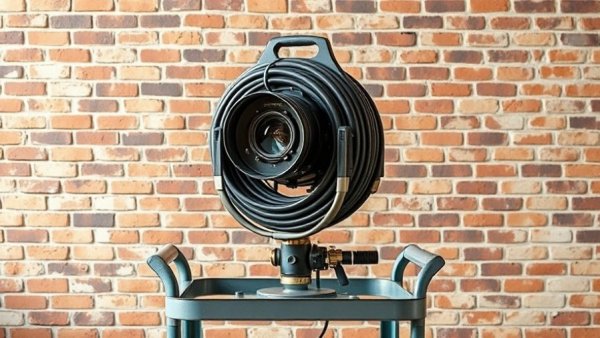
Inspection camera for solving recurring plumbing problems against brick wall

Understanding Recurring Plumbing Problems

Dealing with persistent plumbing issues can be one of the most frustrating experiences a homeowner faces. Beyond the immediate inconvenience of clogs or backups, the recurring nature of these problems can signal deeper, systemic issues with your plumbing system. Whether caused by tree roots invading pipes, sediment buildup, or structural damages, these persistent nuisances require a proactive approach to diagnose effectively and remedy.

Additionally, recurring plumbing problems can lead to significant long-term damage if left unchecked. For instance, continuous leaks can weaken structural elements of your home, while ignoring roots that are intruding into pipes can lead to complete blockages that require extensive and expensive repairs. Therefore, understanding the underlying causes of these issues is crucial for timely interventions.

How the SANYIPACE S830ASMKT Sewer Camera Works

The SANYIPACE S830ASMKT sewer camera stands as an innovative solution, specifically designed for in-depth inspections of lengthy sewer lines. This inspection system stands out for its rigid push cable, available in various lengths—165, 230, or 328 feet—allowing plumbers to navigate longer distances efficiently. This versatility is especially useful for homes with complex plumbing layouts, where long runs are common.

The camera head's self-leveling design automatically maintains the orientation of the footage, providing clear and usable video images—critical for proper diagnosis. With easy adjustments and a view that stays aligned, the camera ensures that operators can analyze the pipe conditions without struggling with disorienting visuals. This feature reduces the risk of misinterpreting footage, which can lead to mistakes in repair assessments.

Key Features That Make a Difference

The inclusion of 24 adjustable LEDs allows operators to illuminate dark areas, highlighting vital structural issues like cracks, root intrusions, and blockages that may not be otherwise visible. The ability to see the exact condition of the pipes drastically improves the accuracy of inspections. Displaying footage in AHD 1080P resolution on a generous 9-inch IPS monitor enables inspectors to identify problems clearly without straining their eyes on smaller screens. This high-quality display brings clarity and detail to an otherwise complicated inspection process.

Recording features allow for comprehensive documentation, making it easy to review conditions later, share findings with clients, or get further advice from professionals. Particularly for recurring problems, this documentation is invaluable in understanding what repairs or cleanings need to happen. It not only aids homeowners in keeping a history of plumbing issues but also can hold important information for future inspections.

Importance of Regular Inspections

Lack of proactive inspection can lead to significant issues and costly repairs. Routine maintenance checks with tools like the SANYIPACE S830ASMKT can save homeowners from unexpected breakdowns and extensive plumbing damages. Regular inspections illuminate potential issues before they escalate into serious problems, showcasing the camera's value similar to preventive healthcare. For example, by identifying a small crack early, homeowners can avoid a full pipe replacement, which is both costly and invasive.

Moreover, in areas prone to severe weather that may affect sewer systems, such as heavy rains or snow melt, routine inspections can play a crucial role in maintaining overall plumbing system integrity. Consistent use of inspection cameras can mitigate risks associated with environmental factors, ensuring systems remain blockage-free and functional.

DIY Applications for Homeowners

For the DIY enthusiast, using the SANYIPACE S830ASMKT sewer camera not only demystifies the inner workings of your plumbing system but also empowers you with knowledge. By personally overseeing inspections, homeowners can save substantially on troubleshooting expenses and even perform their repairs or maintenance efficiently post-diagnosis. This hands-on approach transforms homeowners into more informed caretakers of their property. Additionally, it allows for engaging family members in the plumbing maintenance process, cultivating skills that can be beneficial for years to come.

Practical Tips for Using Sewer Cameras

Before using a sewer inspection camera, ensure you have a clear plan for the inspection. Always review the camera's manual beforehand, familiarize yourself with the cable's reach, and make sure the area is accessible. Also, use the proper protective gear since this work can involve exposure to wastewater. Consider wearing gloves and goggles to safeguard against potential contaminants in the plumbing lines.

It’s also helpful to take notes during the inspection to document any findings. A simple checklist of what to look for—like cracks or unusual buildup—will ensure a thorough examination and help maintain focus on the task at hand. Don't hesitate to take extra footage or notes, as this can be useful for discussions with professionals later.

Potential Challenges and Considerations

While sewer cameras like the SANYIPACE S830ASMKT simplify plumbing assessments, challenges persist. For instance, significantly offset pipes, heavy debris, or extreme bends can obstruct progress. Failing to account for these potential obstacles may lead to frustration and complicate the inspection. It's important to set realistic expectations and remain patient when navigating through tricky plumbing conditions.

Understanding the limitations of your inspection equipment is crucial, and in many cases, professional help may still be required for thorough remediation. Recognizing when to seek professional assistance is part of effective home maintenance, as there may be situations where your DIY expertise and tools reach their limits.

Final Thoughts: A Valuable Tool for Home Maintenance

In the landscape of home maintenance, the SANYIPACE S830ASMKT sewer camera represents a highly valuable investment. Whether you are a homeowner looking to manage your plumbing or a handyman seeking to expand your toolset, this inspection camera provides essential insight that prevents the recurrence of plumbing woes. It not only streamlines the inspection process but also equips you with actionable knowledge to maintain your home efficiently. By empowering homeowners to take control of their plumbing maintenance, this tool stands out as a must-have for long-term peace of mind.

Maintenance / Repairs

0 Comments

Write A Comment

*
*
Please complete the captcha to submit your comment.
Related Posts All Posts
11.22.2026

Is Your HVAC System Making Your Home Dustier? Here’s What To Do

Update Understanding the Link Between Your HVAC System and Dust Build-Up It's a common scenario: you clean your home diligently, only to notice dust piling up faster than your to-do list can say rhyme. Have you considered that your HVAC system might be the culprit? While we often think of heating, ventilation, and air conditioning systems (HVAC) as essential for comfort, they can also unknowingly contribute to indoor dust accumulation. Why Your HVAC System Could Be Making Things Dusty First, let’s unveil the mystery. Modern HVAC systems may circulate dust particles that are otherwise harmless but can become bothersome when they settle everywhere. Factors such as poor maintenance, dirty filters, or even the design of your system itself can exacerbate the issue. Dirty filters are like forgetful friends; they let dust slip through the cracks. Not only do they permit particulates into the air, but they also reduce the efficiency of your system, causing it to work harder—and make that dust fly! If your home seems to be an unwelcoming dusty haven, check your filters as the first step. What Experts Recommend for Dust Control So, what’s a conscientious homeowner to do? Experts generally advise regularly changing your HVAC filters, ideally every 1-3 months, depending on your usage and the specific model. But that's not all—here are some helpful tips: Invest in High-Efficiency Filters: Consider upgrading to HEPA filters, which catch smaller particles, giving you cleaner air and less dust. HEPA filters can remove 99.97% of particles that are 0.3 microns, ensuring that your air remains as clean as possible. Regular Maintenance: Schedule annual inspections for your HVAC system. A professional can spot issues before they lead to dust pandemonium. Regular check-ups can extend the life of your heating and cooling system while ensuring optimal efficiency. Air Duct Cleaning: If you haven’t had your ducts cleaned in years, it might be time! Accumulated dust and allergens in your ducts can be sent spiraling into your living space. Most professionals recommend having your ducts cleaned at least every three to five years, depending on various factors, including pets and environmental dust levels. Beyond HVAC: The Bigger Picture of Indoor Air Quality While HVAC systems play a significant role in dust management, they’re just one piece of the puzzle. Consider integrating air purifiers, which help further filter out particulates and improve your indoor air quality. The American Lung Association suggests that good ventilation and air purifiers can greatly enhance the healthiness of your space. These devices help remove dust, allergens, and even odors, contributing to a more pleasant and less dusty home. Additionally, consider using methods like humidity control. Maintaining indoor humidity levels between 30-50% can help reduce dust mites and mold, both common contributors to dust accumulation. Future Predictions: The Rise of Smart HVAC Systems For tech enthusiasts, there’s exciting news on the horizon. Innovations in smart technology are making HVAC systems more efficient. Imagine a system that self-monitors and adjusts to your air quality needs in real-time! These systems can identify dust levels and other air quality parameters, automatically activating air purifiers or adjusting temperature control. As these advances continue, homeowners can expect even healthier indoor environments. Incorporating smart HVAC technology not only enhances comfort but also takes air quality management to the next level. Many of these systems allow you to track air quality via smartphone apps, giving you insights into what’s happening in your home. Common Misconceptions About HVAC and Dust Don’t be fooled—many homeowners unknowingly harbor beliefs about their HVAC systems that could lead to neglect! For example, some rely solely on air conditioning units without considering that heating systems can also circulate dirt. Another common misconception is thinking you can neglect filter changes during winter because your system is running less. Spoiler alert—it’s still just as important to maintain! Understanding how your HVAC system interacts with your home’s environment is crucial. Dust can enter your home through open windows, doors, and even through the pets that wander around. Hence, it’s essential to combine HVAC maintenance with comprehensive cleaning routines! Practical Insights to Improve Your Home Environment As always, maintaining your home is a continuous journey. By integrating these tips, not only will you enjoy a cleaner environment, but you’ll also prolong the life of your HVAC system and lower energy bills. A win-win for you and your home! Taking a proactive approach helps manage your indoor air quality while creating a more comfortable living space. Your Next Steps Now that you’re equipped with insight into controlling dust with your HVAC system, consider establishing a detailed maintenance schedule. This could involve setting reminders on your phone for filter changes, scheduling yearly inspections, and perhaps investing in a high-efficiency filter that suits your specific needs. Ultimately, understanding the relationship between your HVAC system and indoor dust can empower you as a homeowner to take proactive steps towards a healthier living space. Stay informed, keep up with those filters, and enjoy a cleaner home! By being mindful of these aspects, not only can you improve your air quality, but you’ll also contribute to a cleaner planet by reducing the energy consumption of your HVAC system. It’s a small change that can have a big impact!

11.19.2026

Unlocking Parking Lot Secrets: Why Diagonal Spaces Rule Traffic Flow

Update Understanding Parking Layouts: The Case for Diagonal Spaces Navigating a new parking lot can often trigger moments of confusion and stress, especially when each lot has its own unique characteristics. From one-way traffic flows to various parking rules, the differences are designed to suit specific needs. Among these variations, the choice between straight and diagonal parking spaces can significantly impact a driver’s experience. This article delves into the reasons behind diagonal space design, exploring how it enhances traffic flow, and offers essential driver tips. Why Diagonal Parking Spaces Enhance Safety and Efficiency Diagonal parking spaces are strategically designed to facilitate easier entry and exit for vehicles. One of the primary advantages is that they require less of a sharp turn, making it particularly convenient in bustling lots where vehicles are frequently in motion. Unlike perpendicular spaces, angled parking typically aligns with one-way lanes, allowing drivers to pull in without complicating the flow of traffic. This arrangement minimizes the risk of cars intersecting and approaching each other head-on. Ensuring compliance with lane directions is essential as entering from the wrong side increases the challenge of fitting into a space and raises safety concerns. The Trade-Offs: Space Utilization vs. Safety Considerations Notably, despite their advantages, diagonal parking does not always offer the best use of available space. Research from the Iowa Statewide Urban Design and Specifications indicates that for the same length of aisle, one-way angled parking can provide fewer spaces compared to traditional perpendicular layouts. Nonetheless, the efficiency of narrower driving lanes often compensates for this trade-off, as it minimizes the space required for turns. In addition, diagonal spaces can create a more organized and efficient layout, reducing the time spent searching for an open spot and facilitating smoother traffic flow. Back-In Angled Parking: A Safer Alternative To address challenges associated with limited visibility when exiting an angled space, some cities have begun implementing back-in angled parking. This method also allows drivers to reverse into a parking spot, resulting in better sightlines when exiting. According to insights from the University of Kentucky’s Transportation Center, this approach not only improves visibility for the driver but also facilitates safer loading and unloading for passengers, as they can alight onto the sidewalk instead of into traffic. The benefits of back-in parking illustrate the evolution of parking design toward enhancing safety. Increasing Safety with Technology: The Role of Backup Cameras Modern vehicles equipped with backup cameras provide drivers with an additional layer of assistance when reversing. These devices can help mitigate blind spots and improve overall awareness of the surrounding environment. However, while these cameras are valuable tools, they should not replace the fundamental safety practice of checking mirrors and surroundings. Encouraging drivers to back out slowly while remaining vigilant for pedestrians and other vehicles is a critical message for ensuring safer interactions in parking lots. Practical Tips for Navigating Parking Lots As you navigate parking lots, it's important to keep a few essential tips in mind for a safer experience. These guidelines can enhance safety for both drivers and pedestrians: Observe Arrow Directions: Always adhere to lane designations and avoid entering from the wrong direction. Familiarize yourself with any new parking layout you encounter. Check Your Surroundings: Use mirrors and backup cameras judiciously, ensuring that no pedestrians or approaching vehicles are in your path. Be particularly cautious of children and pets, as they can move quickly and unpredictably. Practice Good Etiquette: When backing out of a diagonal space, wait for an opportunity to proceed safely without disrupting surrounding traffic. A brief pause can help ensure a clearer view of the area. Speed Control: Maintain a slow speed while driving through parking lots. This gives you additional reaction time to respond to unexpected changes, such as a person walking behind your vehicle. Being aware of the unique layout and rules of a specific parking facility can greatly reduce stress levels and improve overall safety. Understanding the Broader Implications of Parking Design The design of parking lots, including the choice between straight and diagonal spaces, plays a significant role in traffic management and safety. Properly designed parking areas can enhance the user experience dramatically while contributing to a better urban environment. Well-planned layouts can reduce traffic congestion, limit accidents, and improve pedestrian experiences. As urban spaces continue to evolve, communities around the world are re-evaluating their parking strategies in light of increased vehicle use and changing demographics. Automated parking systems are being tested in various locations, allowing for even greater efficiency and usability of space. Conclusion: The Importance of Understanding Parking Design By understanding these concepts, drivers can make informed decisions while navigating parking areas, ensuring a smoother process for everyone involved. Ultimately, good parking design fosters safer environments and encourages more efficient travel patterns. As you encounter different parking lots, remember to remain attentive and respectful of traffic rules, as these are crucial in maintaining the safety and convenience of shared spaces. Ready to make your parking experience smoother? Embrace these practical tips and become a more confident driver in any parking lot situation!

11.17.2026

Discover How to Keep Mice Out of Your Home This Fall

Update Are You Ready for Mouse Season? Protect Your Home! As the crisp air of fall settles in, the need for a cozy home increases, and unfortunately, so does the likelihood of unwelcome furry guests—mice. Protecting your sanctuary from these tiny intruders requires more than just a trap or two. Understanding mouse behavior and employing some clever tactics can significantly improve your odds of keeping them at bay. After all, no one wants a surprise visitor during their pumpkin-spice latte moments! Understanding Mice Behavior: Knowledge is Power Mice are resourceful creatures, often searching for warm nesting spots as temperatures drop. They can enter your home through gaps as small as a quarter of an inch, which is almost impressive if it wasn’t so unsettling! Understanding their behavioral patterns—like their preference for dark, snug areas—equips you to make your home less appealing. Keeping clutter to a minimum and focusing on tidying up those hard-to-reach places can deter these pests before they ever set foot inside. Consider investing in storage solutions to organize items that typically attract mice, such as boxes and bins, which will make your home both neater and less inviting to rodents. Sealing the Deal: How to Block Entry Points Effective barriers are crucial. Inspect your property for cracks or openings around the foundation, vents, pipes, and windows. Use steel wool or caulk to seal these gaps, as mice can chew through softer materials like rubber or plastic, which means your half-hearted attempt at patching things up might just lead to a rodent reopening. Don’t forget to install door sweeps on exterior doors, ensuring no sneaky little paws slip through. Additionally, consider using weather stripping to further fortify your entrances, especially as autumn winds and rain begin to batter your home. Keeping Food Secure: Food Safety Matters Mice are omnivorous and will feast on whatever they can find, which means your pantry is a potential buffet. Store all food items in sealed containers and keep countertops clean and free of crumbs. Even pet food can attract them, so ensure it is safely tucked away when not in use. Controlling food access is a surefire strategy to make your home less inviting. Don’t forget to clean under appliances regularly, as this is often a hiding spot for food debris that can lure mice into your kitchen—after all, they are always looking for that perfect late-night snack! Natural Repellent Solutions: Going Green If you're looking for eco-friendly solutions to repel mice, there are several natural options that could do the trick. Essential oils like peppermint or eucalyptus have potent scents that mice find overwhelming. You can soak cotton balls in these oils and place them strategically in areas where mice might enter. Some people even swear by planting mint in outdoor spaces to keep these critters at bay—just don’t expect them to enjoy your garden dinner parties! For best results, refresh these applications every few weeks for maximum effectiveness, as the scent can fade over time. Pest Control Methods: To Trap or Not to Trap? Should you find yourself in a mouse predicament, know that several traps are available, each with its pros and cons. Traditional snap traps can be effective but often require a bit of finesse to set up correctly. If you prefer a less gruesome method, consider humane traps that allow you to catch and release your captives—just be sure to relocate them far enough away so they can't find their way back! Additionally, don’t forget that professional pest control services can offer specialized solutions when your DIY efforts fall short. Always carefully read the instructions before setting up traps, and place them in areas known for high mouse activity, like along walls or corners. Maintaining Cleanliness: It’s Your Best Defense Regular cleaning routines are not just good for appearances; they are also vital in preventing a mouse invasion. Ensure your home’s exterior is clear of debris, and keep clutter to a minimum in garages and basements. Regularly vacuuming and dusting, especially in those hidden corners, can disrupt any nests before they form. This proactive approach not only enhances home hygiene but significantly reduces your chances of unwanted guests. Consider enlisting family members or housemates in a fall cleaning spree—it's a great way to bond and ensure everyone is on the same page when it comes to keeping the house mouse-free. Future Considerations: Stay Vigilant As seasons change, vigilance is key. Stay informed about mouse activity in your area and continually assess your home for vulnerabilities. Decorating for the fall can often involve more items entering your home, increasing clutter and potentially hiding entry points. Make inspections part of your seasonal routine, and you’ll be better prepared when the next wave of chillier weather arrives. Engaging your local community for shared insights on common pest issues can also prove helpful—a simple neighborhood chat might reveal that you're not alone in your mouse-maintenance battles! Take Action Today to Secure Your Home! In conclusion, a proactive approach can save time, money, and a few unnecessary scares come fall. By understanding mouse behavior, sealing entry points, securing food sources, and maintaining cleanliness, you build a fortress against these little interlopers. Don’t wait for a mouse sighting to act; be the vigilant homeowner who wins the battle against pests! Remember, a little bit of prevention goes a long way—let’s ensure this fall is all about cozy nights in, not unwanted critters running around.

Home Wise News

We concentrate on providing wise insights, reliable home contractor advice and hands‑on DIY know‑how for savvy homeowners. We focus on maintenance, repairs, landscaping ideas, security, smart home options, remodeling, decor and much more.

Find Us on
Social Media 

  • Google+ for PIP Consulting, LLC

847-999-4344

Please Contact Us Today!

Home Wise News
Brought to you by
PIP Consulting, LLC
3773 Howard Hughes Parkway
South Tower, Suite 500
Las Vegas, Nevada
89169

, ,

ABOUT US

We provide evidence-based insights and real-life applications of home advice and know-how practices. We stands out by featuring expert interviews and address the importance of getting practical solutions and DIY information. With the goal of helping home owners decide when they need to call on experts for the job at hand.

© 2026 Energize Your Marketing All Rights Reserved. 3773 Howard Hughes Parkway South Tower, Suite 500, Las Vegas, NV 89169 . Contact Us . Terms of Service . Privacy Policy

eyJjb21wYW55IjoiRW5lcmdpemUgWW91ciBNYXJrZXRpbmciLCJhZGRyZXNzIjoiMzc3MyBIb3dhcmQgSHVnaGVzIFBhcmt3YXkgU291dGggVG93ZXIsIFN1aXRlIDUwMCIsImNpdHkiOiJMYXMgVmVnYXMiLCJzdGF0ZSI6Ik5WIiwiemlwIjoiODkxNjkiLCJlbWFpbCI6Im1hcnNoYUBlbmVyZ2l6ZXlvdXJtYXJrZXRpbmcuY29tIiwidG9zIjoiUEhBK1BITjBjbTl1Wno0OFpXMCtWMmhsYmlCNWIzVWdjMmxuYmkxcGJpQjNhWFJvSUhWekxDQjViM1VnWVhKbElHZHBkbWx1WnladVluTndPeUI1YjNWeUlIQmxjbTFwYzNOcGIyNGdZVzVrSUdOdmJuTmxiblFnZEc4Z2MyVnVaQ0I1YjNVZ1pXMWhhV3dnWVc1a0wyOXlJRk5OVXlCMFpYaDBJRzFsYzNOaFoyVnpMaUJDZVNCamFHVmphMmx1WnlCMGFHVWdWR1Z5YlhNZ1lXNWtJRU52Ym1ScGRHbHZibk1nWW05NElHRnVaQ0JpZVNCemFXZHVhVzVuSUdsdUlIbHZkU0JoZFhSdmJXRjBhV05oYkd4NUlHTnZibVpwY20wZ2RHaGhkQ0I1YjNVZ1lXTmpaWEIwSUdGc2JDQjBaWEp0Y3lCcGJpQjBhR2x6SUdGbmNtVmxiV1Z1ZEM0OEwyVnRQand2YzNSeWIyNW5Qand2Y0Q0S0NqeHdQanhoSUdoeVpXWTlJbWgwZEhBNkx5OTNkM2N1WjI5dloyeGxMbU52YlNJK2FIUjBjRG92TDNkM2R5NW5iMjluYkdVdVkyOXRQQzloUGp3dmNENEtDanh3UGladVluTndPend2Y0Q0S0NqeHdQanh6ZEhKdmJtYytVMFZTVmtsRFJUd3ZjM1J5YjI1blBqd3ZjRDRLQ2p4d1BsZGxJSEJ5YjNacFpHVWdZU0J6WlhKMmFXTmxJSFJvWVhRZ1kzVnljbVZ1ZEd4NUlHRnNiRzkzY3lCNWIzVWdkRzhnY21WalpXbDJaU0J5WlhGMVpYTjBjeUJtYjNJZ1ptVmxaR0poWTJzc0lHTnZiWEJoYm5rZ2FXNW1iM0p0WVhScGIyNHNJSEJ5YjIxdmRHbHZibUZzSUdsdVptOXliV0YwYVc5dUxDQmpiMjF3WVc1NUlHRnNaWEowY3l3Z1kyOTFjRzl1Y3l3Z1pHbHpZMjkxYm5SeklHRnVaQ0J2ZEdobGNpQnViM1JwWm1sallYUnBiMjV6SUhSdklIbHZkWElnWlcxaGFXd2dZV1JrY21WemN5QmhibVF2YjNJZ1kyVnNiSFZzWVhJZ2NHaHZibVVnYjNJZ1pHVjJhV05sTGlCWmIzVWdkVzVrWlhKemRHRnVaQ0JoYm1RZ1lXZHlaV1VnZEdoaGRDQjBhR1VnVTJWeWRtbGpaU0JwY3lCd2NtOTJhV1JsWkNBbWNYVnZkRHRCVXkxSlV5WnhkVzkwT3lCaGJtUWdkR2hoZENCM1pTQmhjM04xYldVZ2JtOGdjbVZ6Y0c5dWMybGlhV3hwZEhrZ1ptOXlJSFJvWlNCMGFXMWxiR2x1WlhOekxDQmtaV3hsZEdsdmJpd2diV2x6TFdSbGJHbDJaWEo1SUc5eUlHWmhhV3gxY21VZ2RHOGdjM1J2Y21VZ1lXNTVJSFZ6WlhJZ1kyOXRiWFZ1YVdOaGRHbHZibk1nYjNJZ2NHVnljMjl1WVd4cGVtRjBhVzl1SUhObGRIUnBibWR6TGp3dmNENEtDanh3UGxsdmRTQmhjbVVnY21WemNHOXVjMmxpYkdVZ1ptOXlJRzlpZEdGcGJtbHVaeUJoWTJObGMzTWdkRzhnZEdobElGTmxjblpwWTJVZ1lXNWtJSFJvWVhRZ1lXTmpaWE56SUcxaGVTQnBiblp2YkhabElIUm9hWEprSUhCaGNuUjVJR1psWlhNZ0tITjFZMmdnWVhNZ1UwMVRJSFJsZUhRZ2JXVnpjMkZuWlhNc0lFbHVkR1Z5Ym1WMElITmxjblpwWTJVZ2NISnZkbWxrWlhJZ2IzSWdZMlZzYkhWc1lYSWdZV2x5ZEdsdFpTQmphR0Z5WjJWektTNGdXVzkxSUdGeVpTQnlaWE53YjI1emFXSnNaU0JtYjNJZ2RHaHZjMlVnWm1WbGN5d2dhVzVqYkhWa2FXNW5JSFJvYjNObElHWmxaWE1nWVhOemIyTnBZWFJsWkNCM2FYUm9JSFJvWlNCa2FYTndiR0Y1SUc5eUlHUmxiR2wyWlhKNUlHOW1JR1ZoWTJnZ1UwMVRJSFJsZUhRZ2JXVnpjMkZuWlNCelpXNTBJSFJ2SUhsdmRTQmllU0IxY3k0Z1NXNGdZV1JrYVhScGIyNHNJSGx2ZFNCdGRYTjBJSEJ5YjNacFpHVWdZVzVrSUdGeVpTQnlaWE53YjI1emFXSnNaU0JtYjNJZ1lXeHNJR1Z4ZFdsd2JXVnVkQ0J1WldObGMzTmhjbmtnZEc4Z1lXTmpaWE56SUhSb1pTQlRaWEoyYVdObElHRnVaQ0J5WldObGFYWmxJSFJvWlNCVFRWTWdkR1Y0ZENCdFpYTnpZV2RsY3k0Z1YyVWdaRzhnYm05MElHTm9ZWEpuWlNCaGJua2dabVZsY3lCbWIzSWdaR1ZzYVhabGNua2diMllnWlcxaGFXd2diM0lnVTAxVExpQlVhR2x6SUdseklHRWdabkpsWlNCelpYSjJhV05sSUhCeWIzWnBaR1ZrSUdKNUlIVnpMaUJJYjNkbGRtVnlMQ0J3YkdWaGMyVWdZMmhsWTJzZ2QybDBhQ0I1YjNWeUlHbHVkR1Z5Ym1WMElITmxjblpwWTJVZ2NISnZkbWxrWlhJZ1lXNWtJR05sYkd4MWJHRnlJR05oY25KcFpYSWdabTl5SUdGdWVTQmphR0Z5WjJWeklIUm9ZWFFnYldGNUlHbHVZM1Z5SUdGeklHRWdjbVZ6ZFd4MElHWnliMjBnY21WalpXbDJhVzVuSUdWdFlXbHNJR0Z1WkNCVFRWTWdkR1Y0ZENCdFpYTnpZV2RsY3lCMGFHRjBJSGRsSUdSbGJHbDJaWElnZFhCdmJpQjViM1Z5SUc5d2RDMXBiaUJoYm1RZ2NtVm5hWE4wY21GMGFXOXVJSGRwZEdnZ2IzVnlJR1Z0WVdsc0lHRnVaQ0JUVFZNZ2MyVnlkbWxqWlhNdUlGbHZkU0JqWVc0Z1kyRnVZMlZzSUdGMElHRnVlU0IwYVcxbExpQktkWE4wSUhSbGVIUWdKbkYxYjNRN1UxUlBVQ1p4ZFc5ME95QjBieUE4YUdsbmFHeHBaMmgwSUdOc1lYTnpQU0pqYjIxd1lXNTVVR2h2Ym1WVmNHUmhkR1VpUGlzeE9EUTNPVGs1TkRNME5Ed3ZhR2xuYUd4cFoyaDBQaTRnUVdaMFpYSWdlVzkxSUhObGJtUWdkR2hsSUZOTlV5QnRaWE56WVdkbElDWnhkVzkwTzFOVVQxQW1jWFZ2ZERzZ2RHOGdkWE1zSUhkbElIZHBiR3dnYzJWdVpDQjViM1VnWVc0Z1UwMVRJRzFsYzNOaFoyVWdkRzhnWTI5dVptbHliU0IwYUdGMElIbHZkU0JvWVhabElHSmxaVzRnZFc1emRXSnpZM0pwWW1Wa0xpQkJablJsY2lCMGFHbHpMQ0I1YjNVZ2QybHNiQ0J1YnlCc2IyNW5aWElnY21WalpXbDJaU0JUVFZNZ2JXVnpjMkZuWlhNZ1puSnZiU0IxY3k0OEwzQStDZ284Y0Q0OGMzUnliMjVuUGxsUFZWSWdVa1ZIU1ZOVVVrRlVTVTlPSUU5Q1RFbEhRVlJKVDA1VFBDOXpkSEp2Ym1jK1BDOXdQZ29LUEhBK1NXNGdZMjl1YzJsa1pYSmhkR2x2YmlCdlppQjViM1Z5SUhWelpTQnZaaUIwYUdVZ1UyVnlkbWxqWlN3Z2VXOTFJR0ZuY21WbElIUnZPand2Y0Q0S0NqeHZiRDRLQ1R4c2FUNXdjbTkyYVdSbElIUnlkV1VzSUdGalkzVnlZWFJsTENCamRYSnlaVzUwSUdGdVpDQmpiMjF3YkdWMFpTQnBibVp2Y20xaGRHbHZiaUJoWW05MWRDQjViM1Z5YzJWc1ppQmhjeUJ3Y205dGNIUmxaQ0JpZVNCMGFHVWdVMlZ5ZG1salpTWWpNems3Y3lCeVpXZHBjM1J5WVhScGIyNGdabTl5YlNBb2MzVmphQ0JwYm1admNtMWhkR2x2YmlCaVpXbHVaeUIwYUdVZ0puRjFiM1E3VW1WbmFYTjBjbUYwYVc5dUlFUmhkR0VtY1hWdmREc3BJR0Z1WkR3dmJHaytDZ2s4YkdrK2JXRnBiblJoYVc0Z1lXNWtJSEJ5YjIxd2RHeDVJSFZ3WkdGMFpTQjBhR1VnVW1WbmFYTjBjbUYwYVc5dUlFUmhkR0VnZEc4Z2EyVmxjQ0JwZENCMGNuVmxMQ0JoWTJOMWNtRjBaU3dnWTNWeWNtVnVkQ0JoYm1RZ1kyOXRjR3hsZEdVdUlFbG1JSGx2ZFNCd2NtOTJhV1JsSUdGdWVTQnBibVp2Y20xaGRHbHZiaUIwYUdGMElHbHpJSFZ1ZEhKMVpTd2dhVzVoWTJOMWNtRjBaU3dnYm05MElHTjFjbkpsYm5RZ2IzSWdhVzVqYjIxd2JHVjBaU3dnYjNJZ2QyVWdhR0YyWlNCeVpXRnpiMjVoWW14bElHZHliM1Z1WkhNZ2RHOGdjM1Z6Y0dWamRDQjBhR0YwSUhOMVkyZ2dhVzVtYjNKdFlYUnBiMjRnYVhNZ2RXNTBjblZsTENCcGJtRmpZM1Z5WVhSbExDQnViM1FnWTNWeWNtVnVkQ0J2Y2lCcGJtTnZiWEJzWlhSbExDQjNaU0JvWVhabElIUm9aU0J5YVdkb2RDQjBieUJ6ZFhOd1pXNWtJRzl5SUR4emRISnZibWMrUEhOd1lXNGdjM1I1YkdVOUltTnZiRzl5T2lOR1JqQXdNREE3SWo1MFpYSnRhVzVoZEdVZ2VXOTFjaUJoWTJOdmRXNTBMM0J5YjJacGJHVWdZVzVrSUhKbFpuVnpaU0JoYm5rZ1lXNWtJR0ZzYkNCamRYSnlaVzUwSUc5eUlHWjFkSFZ5WlNCMWMyVWdiMllnZEdobElGTmxjblpwWTJVZ0tHOXlJR0Z1ZVNCd2IzSjBhVzl1SUhSb1pYSmxiMllwTGp3dmMzQmhiajQ4TDNOMGNtOXVaejQ4TDJ4cFBnbzhMMjlzUGdvS1BIQStKbTVpYzNBN1BDOXdQZ284YUdsbmFHeHBaMmgwSUdOc1lYTnpQU0pqYjIxd1lXNTVUbUZ0WlZWd1pHRjBaU0krUlc1bGNtZHBlbVVnV1c5MWNpQk5ZWEpyWlhScGJtYzhMMmhwWjJoc2FXZG9kRDQ4WW5JZ0x6NEtQR2hwWjJoc2FXZG9kQ0JqYkdGemN6MGlZMjl0Y0dGdWVVRmtaSEpsYzNOVmNHUmhkR1VpUGpNM056TWdTRzkzWVhKa0lFaDFaMmhsY3lCUVlYSnJkMkY1SUZOdmRYUm9JRlJ2ZDJWeUxDQlRkV2wwWlNBMU1EQXNJRXhoY3lCV1pXZGhjeXdnVGxZZ09Ea3hOams4TDJocFoyaHNhV2RvZEQ0OFluSWdMejRLUEdocFoyaHNhV2RvZENCamJHRnpjejBpWTI5dGNHRnVlVkJvYjI1bFZYQmtZWFJsSWo0ck1UZzBOeTA1T1RrdE5ETTBORHd2YUdsbmFHeHBaMmgwUGp4aWNpQXZQZ284YUdsbmFHeHBaMmgwSUdOc1lYTnpQU0pqYjIxd1lXNTVSVzFoYVd4VmNHUmhkR1VpUG0xaGNuTm9ZVUJsYm1WeVoybDZaWGx2ZFhKdFlYSnJaWFJwYm1jdVkyOXRQQzlvYVdkb2JHbG5hSFErIiwicHJpdmFjeSI6IlBIQStQSE4wY205dVp6NVFVa2xXUVVOWlBDOXpkSEp2Ym1jK1BDOXdQZ29LUEhBK1BITjBjbTl1Wno1VWFHVWdhVzVtYjNKdFlYUnBiMjRnY0hKdmRtbGtaV1FnWkhWeWFXNW5JSFJvYVhNZ2NtVm5hWE4wY21GMGFXOXVJR2x6SUd0bGNIUWdjSEpwZG1GMFpTQmhibVFnWTI5dVptbGtaVzUwYVdGc0xDQmhibVFnZDJsc2JDQnVaWFpsY2lCaVpTQmthWE4wY21saWRYUmxaQ3dnWTI5d2FXVmtMQ0J6YjJ4a0xDQjBjbUZrWldRZ2IzSWdjRzl6ZEdWa0lHbHVJR0Z1ZVNCM1lYa3NJSE5vWVhCbElHOXlJR1p2Y20wdUlGUm9hWE1nYVhNZ2IzVnlJR2QxWVhKaGJuUmxaUzQ4TDNOMGNtOXVaejQ4TDNBK0NnbzhjRDQ4YzNSeWIyNW5Qa2xPUkVWTlRrbFVXVHd2YzNSeWIyNW5Qand2Y0Q0S0NqeHdQanhsYlQ1WmIzVWdZV2R5WldVZ2RHOGdhVzVrWlcxdWFXWjVJR0Z1WkNCb2IyeGtJSFZ6TEM0Z1lXNWtJR2wwY3lCemRXSnphV1JwWVhKcFpYTXNJR0ZtWm1sc2FXRjBaWE1zSUc5bVptbGpaWEp6TENCaFoyVnVkSE1zSUdOdkxXSnlZVzVrWlhKeklHOXlJRzkwYUdWeUlIQmhjblJ1WlhKekxDQmhibVFnWlcxd2JHOTVaV1Z6TENCb1lYSnRiR1Z6Y3lCbWNtOXRJR0Z1ZVNCamJHRnBiU0J2Y2lCa1pXMWhibVFzSUdsdVkyeDFaR2x1WnlCeVpXRnpiMjVoWW14bElHRjBkRzl5Ym1WNWN5WWpNems3SUdabFpYTXNJRzFoWkdVZ1lua2dZVzU1SUhSb2FYSmtJSEJoY25SNUlHUjFaU0IwYnlCdmNpQmhjbWx6YVc1bklHOTFkQ0J2WmlCRGIyNTBaVzUwSUhsdmRTQnlaV05sYVhabExDQnpkV0p0YVhRc0lISmxjR3g1TENCd2IzTjBMQ0IwY21GdWMyMXBkQ0J2Y2lCdFlXdGxJR0YyWVdsc1lXSnNaU0IwYUhKdmRXZG9JSFJvWlNCVFpYSjJhV05sTENCNWIzVnlJSFZ6WlNCdlppQjBhR1VnVTJWeWRtbGpaU3dnZVc5MWNpQmpiMjV1WldOMGFXOXVJSFJ2SUhSb1pTQlRaWEoyYVdObExDQjViM1Z5SUhacGIyeGhkR2x2YmlCdlppQjBhR1VnVkU5VExDQnZjaUI1YjNWeUlIWnBiMnhoZEdsdmJpQnZaaUJoYm5rZ2NtbG5hSFJ6SUc5bUlHRnViM1JvWlhJdVBDOWxiVDQ4TDNBK0NnbzhjRDQ4YzNSeWIyNW5Qa1JKVTBOTVFVbE5SVklnVDBZZ1YwRlNVa0ZPVkVsRlV6d3ZjM1J5YjI1blBqd3ZjRDRLQ2p4d1BqeHpkSEp2Ym1jK1dVOVZJRVZZVUZKRlUxTk1XU0JWVGtSRlVsTlVRVTVFSUVGT1JDQkJSMUpGUlNCVVNFRlVPand2YzNSeWIyNW5Qand2Y0Q0S0NqeHZiRDRLQ1R4c2FUNVpUMVZTSUZWVFJTQlBSaUJVU0VVZ1UwVlNWa2xEUlNCSlV5QkJWQ0JaVDFWU0lGTlBURVVnVWtsVFN5NGdWRWhGSUZORlVsWkpRMFVnU1ZNZ1VGSlBWa2xFUlVRZ1QwNGdRVTRnSm5GMWIzUTdRVk1nU1ZNbWNYVnZkRHNnUVU1RUlDWnhkVzkwTzBGVElFRldRVWxNUVVKTVJTWnhkVzkwT3lCQ1FWTkpVeTRnTEM0Z1FVNUVJRlZUTENCSlZDWWpNems3VXlCRFZWTlVUMDFGVWxNc0lFVllVRkpGVTFOTVdTQkVTVk5EVEVGSlRWTWdRVXhNSUZkQlVsSkJUbFJKUlZNZ1QwWWdRVTVaSUV0SlRrUXNJRmRJUlZSSVJWSWdSVmhRVWtWVFV5QlBVaUJKVFZCTVNVVkVMQ0JKVGtOTVZVUkpUa2NzSUVKVlZDQk9UMVFnVEVsTlNWUkZSQ0JVVHlCVVNFVWdTVTFRVEVsRlJDQlhRVkpTUVU1VVNVVlRJRTlHSUUxRlVrTklRVTVVUVVKSlRFbFVXU3dnUmtsVVRrVlRVeUJHVDFJZ1FTQlFRVkpVU1VOVlRFRlNJRkJWVWxCUFUwVWdRVTVFSUU1UFRpMUpUa1pTU1U1SFJVMUZUbFF1UEM5c2FUNEtDVHhzYVQ1TlFVdEZVeUJPVHlCWFFWSlNRVTVVV1NCVVNFRlVJQ2hwS1NCVVNFVWdVMFZTVmtsRFJTQlhTVXhNSUUxRlJWUWdXVTlWVWlCU1JWRlZTVkpGVFVWT1ZGTXNJQ2hwYVNrZ1ZFaEZJRk5GVWxaSlEwVWdWMGxNVENCQ1JTQlZUa2xPVkVWU1VsVlFWRVZFTENCVVNVMUZURmtzSUZORlExVlNSU3dnVDFJZ1JWSlNUMUl0UmxKRlJTd2dLR2xwYVNrZ1ZFaEZJRkpGVTFWTVZGTWdWRWhCVkNCTlFWa2dRa1VnVDBKVVFVbE9SVVFnUmxKUFRTQlVTRVVnVlZORklFOUdJRlJJUlNCVFJWSldTVU5GSUZkSlRFd2dRa1VnUVVORFZWSkJWRVVnVDFJZ1VrVk1TVUZDVEVVc0lFRk9SQ0FvYVhZcElFRk9XU0JGVWxKUFVsTWdTVTRnVkVoRklGTlBSbFJYUVZKRklGZEpURXdnUWtVZ1EwOVNVa1ZEVkVWRUxqd3ZiR2srQ2drOGJHaytRVTVaSUUxQlZFVlNTVUZNSUVSUFYwNU1UMEZFUlVRZ1QxSWdUMVJJUlZKWFNWTkZJRTlDVkVGSlRrVkVJRlJJVWs5VlIwZ2dWRWhGSUZWVFJTQlBSaUJVU0VVZ1UwVlNWa2xEUlNCSlV5QkVUMDVGSUVGVUlGbFBWVklnVDFkT0lFUkpVME5TUlZSSlQwNGdRVTVFSUZKSlUwc2dRVTVFSUZSSVFWUWdXVTlWSUZkSlRFd2dRa1VnVTA5TVJVeFpJRkpGVTFCUFRsTkpRa3hGSUVaUFVpQkJUbGtnUkVGTlFVZEZJRlJQSUZsUFZWSWdRMDlOVUZWVVJWSWdVMWxUVkVWTklFOVNJRXhQVTFNZ1QwWWdSRUZVUVNCVVNFRlVJRkpGVTFWTVZGTWdSbEpQVFNCVVNFVWdSRTlYVGt4UFFVUWdUMFlnUVU1WklGTlZRMGdnVFVGVVJWSkpRVXd1UEM5c2FUNEtDVHhzYVQ1T1R5QkJSRlpKUTBVZ1QxSWdTVTVHVDFKTlFWUkpUMDRzSUZkSVJWUklSVklnVDFKQlRDQlBVaUJYVWtsVVZFVk9MQ0JQUWxSQlNVNUZSQ0JDV1NCWlQxVWdSbEpQVFNCUFVpQlVTRkpQVlVkSUlFOVNJRVpTVDAwZ1ZFaEZJRk5GVWxaSlEwVWdVMGhCVEV3Z1ExSkZRVlJGSUVGT1dTQlhRVkpTUVU1VVdTQk9UMVFnUlZoUVVrVlRVMHhaSUZOVVFWUkZSQ0JKVGlCVVNFVWdWRTlUTGp3dmJHaytDand2YjJ3K0NnbzhjRDQ4YzNSeWIyNW5Qa3hKVFVsVVFWUkpUMDRnVDBZZ1RFbEJRa2xNU1ZSWlBDOXpkSEp2Ym1jK1BDOXdQZ29LUEhBK1dVOVZJRVZZVUZKRlUxTk1XU0JWVGtSRlVsTlVRVTVFSUVGT1JDQkJSMUpGUlNCVVNFRlVJRUZPUkNCVFNFRk1UQ0JPVDFRZ1FrVWdURWxCUWt4RklFWlBVaUJCVGxrZ1JFbFNSVU5VTENCSlRrUkpVa1ZEVkN3Z1NVNURTVVJGVGxSQlRDd2dVMUJGUTBsQlRDd2dRMDlPVTBWUlZVVk9WRWxCVENCUFVpQkZXRVZOVUV4QlVsa2dSRUZOUVVkRlV5d2dTVTVEVEZWRVNVNUhJRUpWVkNCT1QxUWdURWxOU1ZSRlJDQlVUeXdnUkVGTlFVZEZVeUJHVDFJZ1RFOVRVeUJQUmlCUVVrOUdTVlJUTENCSFQwOUVWMGxNVEN3Z1ZWTkZMQ0JFUVZSQklFOVNJRTlVU0VWU0lFbE9WRUZPUjBsQ1RFVWdURTlUVTBWVElDaEZWa1ZPSUVsR0lFaEJVeUJDUlVWT0lFRkVWa2xUUlVRZ1QwWWdWRWhGSUZCUFUxTkpRa2xNU1ZSWklFOUdJRk5WUTBnZ1JFRk5RVWRGVXlrc0lGSkZVMVZNVkVsT1J5QkdVazlOT2p3dmNENEtDanh2YkQ0S0NUeHNhVDVVU0VVZ1ZWTkZJRTlTSUZSSVJTQkpUa0ZDU1V4SlZGa2dWRThnVlZORklGUklSU0JUUlZKV1NVTkZPend2YkdrK0NnazhiR2srVkVoRklFTlBVMVFnVDBZZ1VGSlBRMVZTUlUxRlRsUWdUMFlnVTFWQ1UxUkpWRlZVUlNCSFQwOUVVeUJCVGtRZ1UwVlNWa2xEUlZNZ1VrVlRWVXhVU1U1SElFWlNUMDBnUVU1WklFZFBUMFJUTENCRVFWUkJMQ0JKVGtaUFVrMUJWRWxQVGlCUFVpQlRSVkpXU1VORlV5QlFWVkpEU0VGVFJVUWdUMUlnVDBKVVFVbE9SVVFnVDFJZ1RVVlRVMEZIUlZNZ1VrVkRSVWxXUlVRZ1QxSWdWRkpCVGxOQlExUkpUMDVUSUVWT1ZFVlNSVVFnU1U1VVR5QlVTRkpQVlVkSUlFOVNJRVpTVDAwZ1ZFaEZJRk5GVWxaSlEwVTdQQzlzYVQ0S0NUeHNhVDVWVGtGVlZFaFBVa2xhUlVRZ1FVTkRSVk5USUZSUElFOVNJRUZNVkVWU1FWUkpUMDRnVDBZZ1dVOVZVaUJVVWtGT1UwMUpVMU5KVDA1VElFOVNJRVJCVkVFN1BDOXNhVDRLQ1R4c2FUNVRWRUZVUlUxRlRsUlRJRTlTSUVOUFRrUlZRMVFnVDBZZ1FVNVpJRlJJU1ZKRUlGQkJVbFJaSUU5T0lGUklSU0JUUlZKV1NVTkZPeUJQVWp3dmJHaytDZ2s4YkdrK1FVNVpJRTlVU0VWU0lFMUJWRlJGVWlCU1JVeEJWRWxPUnlCVVR5QlVTRVVnVTBWU1ZrbERSUzQ4TDJ4cFBnbzhMMjlzUGdvS1BIQStQSFUrUW5rZ2NtVm5hWE4wWlhKcGJtY2dZVzVrSUhOMVluTmpjbWxpYVc1bklIUnZJRzkxY2lCbGJXRnBiQ0JoYm1RZ1UwMVRJSE5sY25acFkyVXNJR0o1SUc5d2RDMXBiaXdnYjI1c2FXNWxJSEpsWjJsemRISmhkR2x2YmlCdmNpQmllU0JtYVd4c2FXNW5JRzkxZENCaElHTmhjbVFzSUNaeGRXOTBPM2x2ZFNCaFozSmxaU0IwYnlCMGFHVnpaU0JVUlZKTlV5QlBSaUJUUlZKV1NVTkZKbkYxYjNRN0lHRnVaQ0I1YjNVZ1lXTnJibTkzYkdWa1oyVWdZVzVrSUhWdVpHVnljM1JoYm1RZ2RHaGxJR0ZpYjNabElIUmxjbTF6SUc5bUlITmxjblpwWTJVZ2IzVjBiR2x1WldRZ1lXNWtJR1JsZEdGcGJHVmtJR1p2Y2lCNWIzVWdkRzlrWVhrdVBDOTFQand2Y0Q0S0NqeHdQaVp1WW5Od096d3ZjRDRLUEdocFoyaHNhV2RvZENCamJHRnpjejBpWTI5dGNHRnVlVTVoYldWVmNHUmhkR1VpUGtWdVpYSm5hWHBsSUZsdmRYSWdUV0Z5YTJWMGFXNW5QQzlvYVdkb2JHbG5hSFErUEdKeUlDOCtDanhvYVdkb2JHbG5hSFFnWTJ4aGMzTTlJbU52YlhCaGJubEJaR1J5WlhOelZYQmtZWFJsSWo0ek56Y3pJRWh2ZDJGeVpDQklkV2RvWlhNZ1VHRnlhM2RoZVNCVGIzVjBhQ0JVYjNkbGNpd2dVM1ZwZEdVZ05UQXdMQ0JNWVhNZ1ZtVm5ZWE1zSUU1V0lEZzVNVFk1UEM5b2FXZG9iR2xuYUhRK1BHSnlJQzgrQ2p4b2FXZG9iR2xuYUhRZ1kyeGhjM005SW1OdmJYQmhibmxRYUc5dVpWVndaR0YwWlNJK0t6RTRORGN0T1RrNUxUUXpORFE4TDJocFoyaHNhV2RvZEQ0OFluSWdMejRLUEdocFoyaHNhV2RvZENCamJHRnpjejBpWTI5dGNHRnVlVVZ0WVdsc1ZYQmtZWFJsSWo1dFlYSnphR0ZBWlc1bGNtZHBlbVY1YjNWeWJXRnlhMlYwYVc1bkxtTnZiVHd2YUdsbmFHeHBaMmgwUGc9PSJ9

Terms of Service

Privacy Policy

Core Modal Title

Sorry, no results found

You Might Find These Articles Interesting

T
Please Check Your Email
We Will Be Following Up Shortly
*
*
*