Add Row
Add Element
UPDATE
Add Element
  • Home
  • Categories
    • Cleaning & Moving
    • Maintenance / Repairs
    • Remodeling & Construction
    • Landscaping / Outdoor
    • Security & Technology
    • Sustainability, Health & Safety
    • Interiors / Décor
    • Expert Interviews
    • DIY Home Projects
Home Wise News!
Wise Insights, Reliable Contractor Advice & Hands on DIY Know How for Savvy Homeowners
May 09.2025
1 Minute Read

Transform Your Living Space: Create a Home That Works Smarter, Not Harder

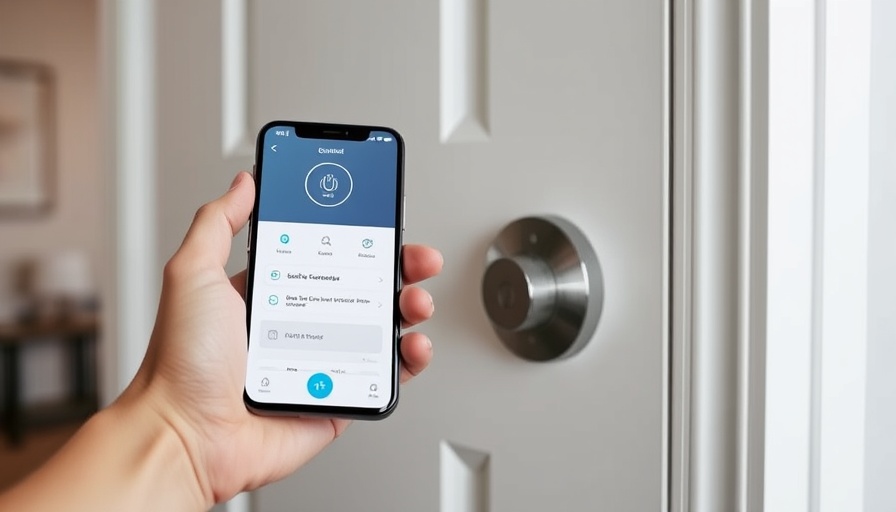
Smart home improvements with door lock app control.

Creating a Smarter Home: The Shift Towards Efficiency

Homes have evolved from mere shelters to smart spaces that offer comfort and convenience. Today, many homeowners realize that it's not just about having flashy gadgets; it’s about integrating systems that work efficiently behind the scenes. A notable player in this transformation is the heat pump, a system that operates quietly, heating your home in winter and cooling it in summer without wasting energy.

Everyday Technology: Enhancing Everyday Life

Further advancing the concept of smart homes, there are technologies designed to mitigate daily frustrations. Imagine a home where you don’t have to fumble in the dark, thanks to smart light switches that illuminate your path. Leak sensors, security systems, and voice-activated devices work together to create a seamless experience. These innovations don't just save time—they reduce stress and increase the overall quality of life.

The Role of Design in Smart Living

Besides technology, thoughtful design plays a crucial role in creating a responsive environment. Consider how your home's layout can promote ease of movement and accessibility. Simple adjustments in design can transform your living space into one that supports your lifestyle rather than hinders it.

Conclusion: Your Home, Your Ally

Embracing a smarter way of living involves making choices that enhance comfort and reduce waste. From installation of efficient heating systems to small tech improvements, transforming your home into a supportive environment is within reach.

Sustainability, Health & Safety

0 Comments

Write A Comment

*
*
Related Posts All Posts
03.09.2026

Why You Should Avoid These Common Household Cleaning Products

Update Unveiling the Hidden Dangers in Household CleanersMany of us don't give a second thought to the cleaning products we use every day, believing that a good scrub with the strongest chemicals is enough to keep our homes sparkling. However, professionals in the cleaning industry warn that certain widely-used cleaners can be surprisingly harmful. Here’s a deep dive into the top five products you should avoid using in your home, along with safer alternatives to keep your space clean and toxin-free.The Truth About Bleach: More Harmful Than HelpfulBleach is often seen as the go-to solution for disinfecting surfaces and laundry. While it’s remarkably effective at killing germs, prolonged exposure to bleach, even in low concentrations, poses serious health risks, including respiratory issues and skin irritation. The fumes from bleach can irritate your mucous membranes, with children particularly susceptible to its harmful effects.Instead of bleach, consider using hydrogen peroxide or vinegar for disinfecting. Both are effective at killing bacteria and are far less harmful when used correctly. Interestingly, when mixed together, these two can also create a potent cleaning agent, but remember to spray them separately to avoid harmful reactions.Fragrance: A Sweet Smell with Toxic ConsequencesThe term "fragrance" on cleaning product labels is a red flag for hidden chemicals that can trigger respiratory issues and allergies. Synthetic fragrances often come from petroleum based products and may contain hundreds of harmful ingredients that are not disclosed to the public.Instead, opt for fragrance-free or naturally-scented products, which utilize essential oils derived from plants. By eliminating synthetic fragrances, you can significantly enhance your home’s air quality.Antibacterial Cleaners: A Double-Edged SwordOnce synonymous with cleanliness, antibacterial cleaners have come under scrutiny for their potential to contribute to antibiotic resistance and compromising our immunity. In fact, the CDC recommends simply cleaning surfaces with soap and water instead of resorting to harsh antibacterial products.When antibacterial solutions are needed, consider using a blend of soap from natural bases followed by a vinegar rinse, thereby achieving sanitation without the hazards associated with toxic chemicals.Drain Cleaners: Dangerous and UnnecessaryMany people turn to drain cleaners as a quick fix for clogs, but these products are some of the most corrosive substances found in the household. The harsh chemicals in drain cleaners can cause burns and other severe reactions if handled improperly.A more effective and safer solution involves using a combination of baking soda and vinegar, which can break down clogs naturally. Don’t forget to follow it up with hot water to help clear the drain.Ammonia: A No-Go for Home CleaningLike bleach, ammonia is effective yet highly toxic. Found in many window and surface cleaners, the vapors can cause irritation in the eyes and throat, alongside long-term respiratory issues. Ammonia is particularly harmful around children and pets, making it a poor choice for any cleaning task.For a streak-free shine, switch to distilled vinegar or a commercial ammonia-free option.Conclusion: Empower Yourself with KnowledgeUnderstanding the dangers of common cleaning products can empower you to make better choices for your home and family's health. With natural alternatives readily available, it’s easier than ever to maintain a clean home without harmful chemicals. As you venture into the world of home cleaning, remember that the safest options often come from nature itself.What’s Next?Now that you’re informed about the toxic additives in your cleaners, why not consider detoxifying your home? Look into natural cleaning alternatives and make a conscious effort to replace harmful products with safer options. Your health, home, and environment will thank you!

02.26.2026

Unlock Streak-Free Glass with Newspaper: An Eco-Friendly Solution

Update Discover the Eco-Friendly Secrets to Streak-Free GlassYour average household could be a treasure trove of cleaning supplies without realizing it—especially when it comes to cleaning glass! If you've ever struggled with streaks and smudges on your windows or mirrors, you might be delighted to know that there's a classic method that’s been hiding in plain sight. Believe it or not, your old newspapers can be the key to crystal-clear glass, achieving results that even high-end, commercial products can't promise. Let's explore why this method is not only effective but also environmentally friendly.The Surprising Power of NewspaperThough we live in a world increasingly dominated by microfiber cloths and specialized cleaning products, the humble newspaper remains a powerful tool. Contrary to popular belief, the ink serves a purpose, aiding in the absorption of grease and moisture while being gentle on glass surfaces. Additionally, the dense fibers of newspapers ensure that no lint is left behind, creating a truly streak-free finish.The interaction between the newspaper and your cleaning agent—typically a mix of vinegar and water—makes it a surprisingly effective duo. The acidity of vinegar cuts through grime, while the newspaper absorbs whatever dirt is removed, saving you from the hassle that comes with conventional methods.Preparing Your Cleaning SolutionTo get started, it’s important to create an effective cleaning solution. Combine equal parts of white vinegar and water in a spray bottle. Not only is this natural and safe, but it also works wonders—especially on tougher stains. Add a few drops of lemon juice for a pleasant scent or dish soap for extra cleaning power, but be cautious with the soap; too much can leave a residue.Simple Steps for Crystal Clear GlassThe process couldn’t be easier:Gather Your Materials: You will need newspapers, your cleaning solution, and optional extra tools like a squeegee for larger surfaces.Apply the Solution: Lightly spray the cleaner onto your glass surface. Start with the top and work your way down to let any drips fall away rather than running down over clean areas.Scrubbing Action: Crumple up a sheet of your newspaper and begin cleaning. Using a circular motion initially helps lift dirt and smudges; follow up with horizontal or vertical strokes to finish the job. Replace your newspaper sheets as they become too wet.Finishing Touch: For the sharpest finish, if you have one, use a squeegee after wiping down any excess solution with your newspaper.Common Mistakes to AvoidDespite its effectiveness, there are several pitfalls to sidestep when using newspaper. Opting for glossy pages will lead to smearing rather than cleaning; ensure you're only using non-glossy sections. Also, be careful not to oversaturate your newspaper—the key is to keep it damp, not soaked.Enhancing Your Window-Cleaning RoutineIf you want to elevate your cleaning game, consider adding a squeegee to your routine. Use it after applying your vinegar solution to quickly eliminate excess liquid while preventing streaks. Squeegees can be particularly handy for larger windows or mirrors. Remember to wipe down the blade after each stroke to maintain a clear surface.Benefits Beyond Just Clean GlassUsing newspaper isn't just a nostalgic tip from grandma but a smart, eco-friendly choice in today’s cleaning practices. It's cost-effective and reduces waste by repurposing materials that would otherwise go into recycling bins. And for those who care about the environment, the absence of harsh chemicals makes it a safer alternative, especially for households with children or pets around.Concluding ThoughtsNext time your windows start looking grimy, consider reaching for that stack of newspapers in the recycling bin rather than running to the store for expensive cleaning agents. This age-old method will not only save you money but also deliver results that leave your glass gleaming and spotless. So, why wait? Experience the joy of streak-free glass for yourself with this simple technique!Happy cleaning!

02.25.2026

House Burping: The Surprising Trend Refreshing Indoor Air Quality

Update What Is House Burping? A Fresh Trend for Indoor Air Quality House burping, a quirky term that’s recently captured attention across social media platforms, particularly TikTok, refers to the practice of letting fresh air into your home by briefly opening windows. Derived from the German term “Lüften,” meaning ventilation, this simple act is gaining popularity in the U.S. and is recognized for its numerous health benefits. As homeowners become increasingly aware of indoor air quality, house burping offers an easy and equipment-free method to improve ventilation. The Origins of House Burping The practice isn’t merely a fad; it is rooted in a long-standing German tradition where households routinely air out their homes. By opening windows for just a few minutes, often multiple times a day, residents significantly improve the quality of the air inside their homes. This periodically released stale air yields to fresh, outdoor air, dispelling pollutants and reducing moisture that exacerbates indoor allergens. It even combats feelings of lethargy associated with stale indoor environments. Understanding Indoor Air Quality Indoor air quality can often be poorer than outdoor air due to the accumulation of volatile organic compounds (VOCs), carbon dioxide from breathing, and moisture from everyday activities like cooking and showering. These elements can lead to an unhealthy living environment, particularly for individuals with respiratory issues. According to Dan Jaffe, an environmental chemistry professor, outside air can be “surprisingly cleaner” than air trapped within homes, which may hide a cocktail of indoor pollutants from daily activities. House Burping: Health Benefits and Best Practices Engaging in this easy practice has multiple benefits. Fresh air helps lower levels of carbon dioxide, ultimately improving sleep quality and boosting mood. As noted by Mark Hernandez, a biomedical engineering professor, the body significantly reacts negatively to prolonged exposure to carbon dioxide build-ups, which can lead to increased lethargy and poorer cognitive functions. But optimal results come with a few guidelines. When practicing house burping, monitor outdoor air quality conditions. Only engage in house burping when the air is clean and the temperatures are mild, ideally aligning indoor temperatures with the outside environment to avoid discomfort or energy loss. House Burping and the Seasonality Factor The beauty of house burping is that it doesn’t rely on the season. In the winter, short bursts of fresh air can enliven stale indoor air while in the summer, evening sessions can be beautifully refreshing. The approach fosters good practices without needing special equipment or large changes to existing home maintenance regimes. How to Practice House Burping Safely To effectively implement house burping, consider these steps: open windows in opposing corners of the house and allow the home to breathe for about 5-10 minutes. This enhances airflow and promotes a better exchange of air. It’s similar to giving your home a refreshing deep breath. An alarm can be set to remind you to close the windows, as extended openings could inadvertently allow pests to enter your haven. Common Misconceptions About Ventilation A common misconception that homeowners may have is that using air purifiers or HVAC systems is sufficient as a substitute for natural airflow. While these devices do enhance air purity, nothing compares to the physical act of opening the windows which acts like a natural detox for a stuck environment. Ventilation through house burping is also a sustainable practice aligning with eco-friendly living, contributing to reduced energy consumption. In Summary: Burp Your House for Better Health In summary, house burping can be a straightforward, effective way to enhance indoor air quality, improving both physical health and overall well-being. As more homeowners embrace this simple yet powerful routine, they foster a healthier living environment conducive to refreshing breaths each day. Regularly burping your house is an act of self-care that not only promotes fresh air in your home but can invigorate your spirits. So, why not open those windows and give your spaces the fresh air they deserve?

Terms of Service

Privacy Policy

Core Modal Title

Sorry, no results found

You Might Find These Articles Interesting

T
Please Check Your Email
We Will Be Following Up Shortly
*
*
*