UPDATE
  • Home
  • Categories
    • Cleaning & Moving
    • Maintenance / Repairs
    • Remodeling & Construction
    • Landscaping / Outdoor
    • Security & Technology
    • Sustainability, Health & Safety
    • Interiors / Décor
    • Expert Interviews
    • DIY Home Projects
Home Wise News!
Wise Insights, Reliable Contractor Advice & Hands on DIY Know How for Savvy Homeowners
May 06.2025
3 Minutes Read

Transform Your Space: How to Clean Your Kitchen Like a Pro

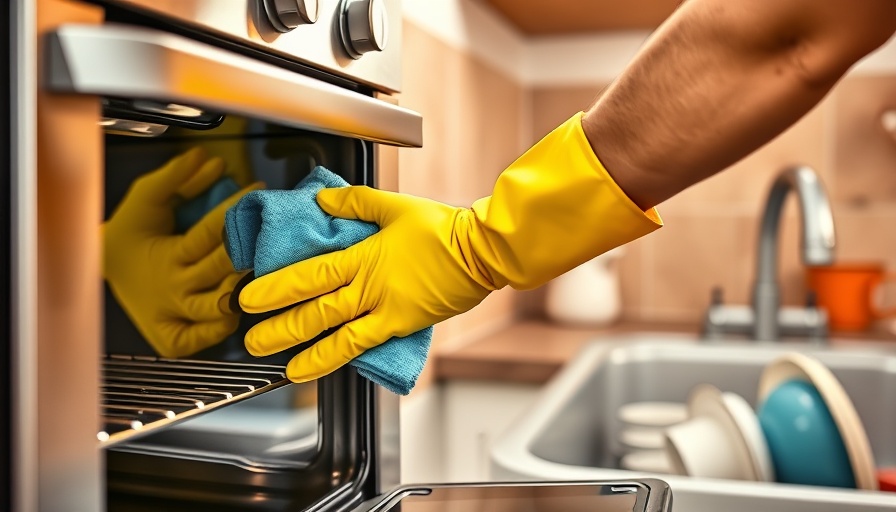
Clean your kitchen like a pro with effective techniques.

Why a Spotless Kitchen Matters More Than You Think

Cleaning your kitchen is not merely a routine task; it’s about creating a sanctuary for nourishing family gatherings and sizzling culinary adventures. The kitchen is the heart of the home, bustling with life and joy, but it also requires diligent upkeep to ensure safety and hygiene. A cluttered, untidy kitchen can be a breeding ground for bacteria, attracting pests that threaten your food safety. Regular cleaning not only enhances aesthetics but also helps to avoid foodborne illnesses and accidents caused by grease and spills. Your quest for a clean kitchen is a mission for health and happiness.

Essential Tools for the Ultimate Kitchen Cleanup

Before you jump in, arm yourself with the right tools. A streamlined collection of eco-friendly supplies makes the cleaning process much smoother. Gather microfiber cloths for wiping surfaces, baking soda and vinegar for their superb cleaning properties, and a robust all-purpose cleaner for various surfaces. Having a bucket of warm water, scrub brushes, and rubber gloves is just as crucial. This preparation ensures that rather than being overwhelmed, you focus on efficient and enjoyable cleaning. Each item plays a role in transforming your kitchen into a healthier space.

Step-by-Step Cleaning for Maximum Efficiency

Begin your cleaning journey by decluttering. Clear off all counter surfaces to assess what items need attention. Empty your sink, dishwasher, and refrigerator, disposing of expired items. This creates a clear workspace, making cleaning a breeze. Next, tackle the dust: start high and move low. Dust the tops of cabinets, light fixtures, and ceiling fans, then clean the walls and backsplashes with a damp cloth. This method prevents you from accidentally resoiling lower surfaces and facilitates a more thorough clean.

Creating a Cleaning Schedule: Consistency is Key

In striving for a consistently clean kitchen, formulating a cleaning schedule is valuable. Daily upkeep, like wiping down surfaces, prevents grime buildup and keeps pests at bay. Weekly tasks should include cleaning your appliances and mopping floors, while monthly deep cleaning can address spots often overlooked, such as inside the oven or fridge. Keeping this routine not only simplifies the process but also makes sure your kitchen stays in prime condition.

Expert Tips for Effective Kitchen Maintenance

To help your kitchen sparkle, here are expert-provided insights: Use a proper disinfectant for surfaces where raw food is prepared, ensuring you’re aligned with Health Canada’s guidelines on safe food handling. Selecting non-toxic, eco-friendly cleaners contributes positively to your family's health and the environment, fostering a safe space for your loved ones. Always involve family members—make cleaning a collective effort, turning chores into a bonding experience.

Incorporating Smart Technology in Your Cleaning Routine

Looking into the future of home maintenance, integrating smart technology into your kitchen cleaning routine can elevate efficiency. Smart home devices like automated vacuum cleaners and touchless faucets can significantly reduce the workload, making maintenance effortless. Investing in such technology not only makes it convenient but also promotes a culture of cleanliness that can inspire everyone in the home.

Cleaning your kitchen doesn’t have to feel overwhelming. By following a straightforward routine and utilizing the right tools, you can maintain a space that is welcoming, safe, and sparkling clean. Take a moment to schedule that cleaning session—you’ll be amazed at the transformation!

Ready to transform your kitchen today? Start implementing these strategies to clean like a pro and enjoy the fruits of your labor in a fresh, inviting space. Book your next cleaning session with us for a professional touch!

Cleaning & Moving

0 Comments

Write A Comment

*
*
Please complete the captcha to submit your comment.
Related Posts All Posts
06.17.2026

10 Kitchen Items You Need to Toss Immediately to Stay Safe

Update Declutter Your Kitchen: Why Tossing Old Items is Essential The kitchen is often called the heart of the home, but it can also become a graveyard for unused items. Many of us hold on to kitchenware with sentimental value or the hope that we might one day need those gadgets. However, expert organizers and health specialists agree: it's time to lighten the load. With spring cleaning often seen as the perfect moment for a thorough declutter, there's no reason to wait. Why not tackle kitchen clutter now to create a more functional and sanitary workspace? Are Your Kitchen Sponges Harboring Bacteria? One of the items that should be tossed immediately is the kitchen sponge. Studies have shown that sponges can harbor dangerous bacteria after just a few weeks of use, making them a prime candidate for frequent replacement. The USDA recommends swapping out sponges regularly to avoid cross-contamination. This simple change can significantly improve kitchen hygiene, offering a safer environment for food preparation. Don’t Forget Your Old Cutting Boards Worn-out cutting boards can also become a breeding ground for bacteria. Grooves and scratches from food preparation activities are hard to clean, so when these imperfections become apparent, it's time for them to go. If you use wooden cutting boards, look for bamboo options, known for their durability and ease of cleaning. Untamed Utensils: Know When to Toss Just like cutting boards, utensils should be regularly assessed for wear and tear. Cracked or chipped utensils can break off in your food, creating a choking hazard. This concern extends even to plastic kitchenware made from recycled materials, which have been found to leach harmful substances. Professionals recommend that a periodic audit of your utensils can help maintain kitchen safety. From Clutter to Clarity: The Case for Unused Appliances How many appliances are sitting in your kitchen gathering dust? Experts suggest that small kitchen gadgets—perhaps a single-use appliance like an ice cream maker—often end up as regrets. A serious inventory can reveal which items are actually used versus those that are merely collecting dust. Donate or sell the ones that serve no function in your current kitchen routine. The Hidden Hazards of Expired Foods Moreover, many kitchens hold onto expired food items that can take up unnecessary space. Check your pantry and fridge for past-their-prime spices or old cooking oils. Experts recommend tossing these out, as not only do expired items clutter your space, but they also can lead to foodborne illnesses. As a rule of thumb, use a simple system to rotate your items to keep it manageable. Freshen Up Your Spice Collection Speaking of expired items, spices are another area that often gets overlooked. Over time, spices lose potency and flavor, so it's critical to assess their freshness regularly. Utilize small quantities for purchasing spices, especially if you have a tendency to forget they’ve been shelved. Labeling with purchase dates can help to keep track of their shelf life. Takeout Items: Useful or Just Taking Up Space? Finally, the drawer filled with takeout condiments and utensils? It's time to purge! Unless you anticipate using them, don’t hold onto packets of ketchup or soy sauce. They take up space and can clutter your kitchen drawers. A clean-out of this nature promotes both cleanliness and simplicity. Creating a Functional and Safe Kitchen By regularly assessing and removing unnecessary items, you can transform your kitchen from cramped chaos into an organized hub of creativity. Transitioning to this mindset will not only make cooking more enjoyable but will also keep your food fresh and your family safe. As professional organizers suggest, decluttering starts with a thoughtful inventory and a willingness to let go of what no longer serves you. Take Action: Embrace the Power of Decluttering Start today! Whether it's tossing out expired items or finding donations for unused gadgets, taking the first step can lead to a profound transformation in how you engage with your kitchen. As you declutter, you'll notice a significant decrease in stress and an increase in functionality—an organized kitchen is a happy kitchen!

06.16.2026

Refresh Your Towels with Vinegar: A Simple Cleaning Hack

Update Revive Your Old Towels with Vinegar: A Refreshing SolutionWe’ve all been there: you step out of the shower, wrap yourself in a towel, and your heart sinks as you realize it feels more like sandpaper than the soft, fluffy experience you crave. If your towels have lost their charm and are giving off funky smells, don’t despair. Using white vinegar is the simple, cost-effective solution that can breathe new life into your towel collection.Understanding Towel Toughness: The Science Behind ItMany of us may not realize that the primary culprit behind rough, odoriferous towels is the detergent residue that gets trapped in the fabric. Too much detergent is not a friend to your fluffy friends; it can create a breeding ground for bacteria when combined with dampness. The result? Musty odors and stiff fibers.Instead of splurging on expensive towels, a solution lies in your pantry. Vinegar acts as a natural fabric softener, breaking down the residues that have accumulated over time. A cup added during the wash cycle can do wonders.The Vinegar Cleaning Method: Step-by-StepHere’s how to effectively wash your towels using vinegar:First Wash: Set your washing machine to a hot water cycle and add one cup of white vinegar. Do not include any detergent. This initial wash will help to strip towels of built-up detergent and odors.Second Wash: Without drying them, repeat the hot water wash with one cup of baking soda to further freshen them up. Baking soda not only boosts cleaning but also helps eliminate any lingering odor.Drying: Dry your towels as you normally would, but skip fabric softeners during this step. This helps maintain their absorbency.Following these methods, you’ll find your towels feeling renewed, soft, and significantly less odorous!Potential Pitfalls: What to AvoidWhile using these methods can significantly improve your towels' condition, avoid mixing vinegar and baking soda in the same wash cycle as it can lead to overflow issues in your machine. Additionally, steer clear of commercial fabric softeners; they coat the fibers and reduce absorption, doing more harm than good.Long-Term Care for Soft, Fluffy TowelsAfter rescuing your towels, it's essential to maintain their softness. Here are some tips:Use the correct amount of detergent. Always measure according to the recommendations to avoid buildup when washing your towels.Hang your towels to dry versus throwing them in the hamper while wet, as this helps prevent bacteria growth.Wash towels frequently to keep them fresh; ideally, they should only go about three uses before washing.Alternative Techniques: Beyond VinegarIf you’re looking for additional methods, consider these:Baking Soda: In conjunction with detergent for regular washes, baking soda can enhance fluffiness and whiteness, acting as a natural layer of protection for your fabrics.Tennis Balls in the Dryer: Some swear by adding clean tennis balls to the dryer. They help to aerate the towels as they tumble, which can prevent clumping and keep fibers soft.Brushing Your Towels: Odd but effective, using a hairbrush after washing and drying can help separate the fibers and increase fluffiness.With these insights and approaches, you can keep your towels feeling new, ensuring that every shower ends with the same soft hug we all desire. So, stock up on vinegar and give your towels the TLC they deserve!Take Action for a Cozy HomeNow that you know how to rejuvenate those musty towels, it’s time to put this knowledge into action. Turn your laundry day into a productive session filled with refreshing surprises. With just a few simple ingredients, you can create an oasis of softness that enhances your daily routines.

06.15.2026

Transform Your Laundry Routine: How Vinegar Makes Clothes Softer and Fresher

Update Why Vinegar is Your Laundry's Secret Weapon If you think laundry is just about detergent and the latest fabric softeners, think again! Vinegar, that humble pantry staple, is quietly revolutionizing how we care for our clothes. Used as a rinse agent, vinegar softens fabrics and diminishes static cling, all while providing a fresher scent that can make your laundry feel as good as new. Unpacking the Myth: Does Vinegar Really Work? For ages, vinegar has been touted as a miracle substance, and laundry is no exception. Many people may raise an eyebrow at the idea of using vinegar in their wash, but scientific evidence backs up its effectiveness. A rinse with vinegar not only eliminates soap residue but also acts as a natural fabric softener, helping to soften crunchy towels and bedding devoid of harsh chemicals. Improved Freshness and Fabric Longevity: A Two-for-One Benefit By using vinegar in the laundry, you’re essentially ensuring fresher-smelling clothes and extending their lifespan. Its acidic nature helps dissolve mineral deposits in hard water that might otherwise cling to fabric, causing fading and weakening fibers. So next time your clothes feel a little rough or smell a bit stale, consider adding a cup of vinegar to your wash cycle! Practical Steps for Implementing Vinegar in Your Laundry Routine So, how do you incorporate vinegar into your laundry regimen? It’s simple! Just add a cup of white distilled vinegar to your washing machine during the rinse cycle. For those with top-loading machines, you can add the vinegar during the wash cycle for excellent results. Remember, no need for expensive fabric softeners or fragrances—vinegar takes care of it all, and you won’t even notice the vinegar scent in your laundry post-wash. Addressing Common Concerns: The Vinegar Smell One common worry is that your clothes will come out smelling like a salad dressing. But don’t fret! The smell dissipates during the wash cycle, leaving your clothes smelling fresh and clean without any lingering vinegar odor. Plus, lemons can be added for a zesty twist, further enhancing your laundry aroma. Beyond the Laundry Room: Other Uses for Vinegar Why stop at laundry? Vinegar can be your go-to household hero! From being a potent cleaning agent to refreshing your carpets or carpets, it can also be used to clean shiny furniture surfaces. Its versatility makes it an invaluable addition to your DIY cleaning supplies basket. Think of it as a maintenance multitasker—filling roles in cleaning, deodorizing, and fabric care! Wrapping It Up: The Great Vinegar Revolution In a world filled with advanced cleaning technologies and glowing advertisements for the latest laundry products, it’s refreshing to see a classic like vinegar holding its own. Its natural properties make it not only a safe choice for your family but also an eco-friendly option. Say goodbye to harsh chemicals—next laundry day, embrace the vinegar revolution! In conclusion, adding vinegar to your laundry routine can be a game changer. Not only will your clothes emerge softer and fresher, but you'll also save money and reduce your household's environmental impact. So, gather that vinegar and transform your washing experience!

Terms of Service

Privacy Policy

Core Modal Title

Sorry, no results found

You Might Find These Articles Interesting

T
Please Check Your Email
We Will Be Following Up Shortly
*
*
*