
• Home
  • Categories
    • Cleaning & Moving
    • Maintenance / Repairs
    • Remodeling & Construction
    • Landscaping / Outdoor
    • Security & Technology
    • Sustainability, Health & Safety
    • Interiors / Décor
    • Expert Interviews
    • DIY Home Projects
Home Wise News!
Wise Insights, Reliable Contractor Advice & Hands on DIY Know How for Savvy Homeowners
July 15.2025
3 Minutes Read

Transform Your Summer: Simple, Enjoyable Activities for Kids

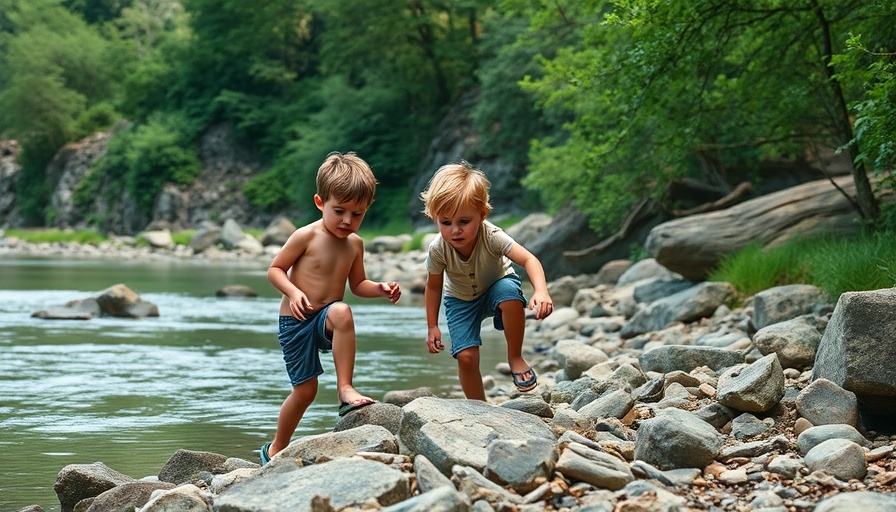
Two boys exploring a riverbank, summer activities for kids.

How to Keep Kids Engaged with Simple Summer Activities

As summer rolls in, parents often find themselves grappling with the challenge of keeping their kids entertained. In the midst of long hours and sweltering heat, how do you balance the need for fun with limited resources? The answer lies in creativity and simplicity. Here are some refreshing, low-effort summer activities that promise a full season of joy and engagement.

Get Crafty: The Arts and Crafts Day

One of my top recommendations is declaring an arts and crafts day. This activity not only stimulates creativity but also keeps kids engaged for hours. Pull out some craft kits, markers, paints, and other supplies. Not only will they have fun creating, but you can also encourage them to set up a mini-art exhibition at home. It’s a great way to celebrate their creativity!

Cool Off with an Ice Cream Buffet

On those blistering summer afternoons, what better way to cool down than with an ice cream buffet? Purchase an assortment of your children’s favorite ice cream flavors and some delightful toppings. Setting it up can be a fun activity in itself, and the joy of creating their own dessert is an experience that can double as a treat. Bonus points if you let them indulge before dinner!

Classic Fun: Water Balloon Fights

No summer is complete without a good old-fashioned water balloon fight. All you need are some easy-to-fill water balloons and a spacious backyard. This classic activity is not only entertaining but offers a fantastic opportunity for your kids to bond while enjoying the outdoors.

Encourage Imagination: Build Their Own Summer Camp

Let your kids’ imaginations run wild by allowing them to plan their own summer camp. They can create thematic activities, decide on snacks, and even invite a few friends over for an official camp day. This gives them a sense of control and responsibility while fostering their organizational skills and creativity.

Outdoor Experiences: Family Bike Rides and Hikes

Family outdoor activities can enhance your kids' summer experience significantly. Planning early morning or evening bike rides or hikes combines fun with exercise. Not only does this promote a healthy lifestyle, but it also creates lasting family memories.

Building a Backyard Obstacle Course for Fun and Fitness

Engage your kids physically by setting up a backyard obstacle course. Challenge them to use their creativity to design something that’s challenging yet fun. This task encourages physical activity and teamwork, while also allowing for a little friendly competition!

Frequent Adventures: Weekly Outings

Consider scheduling weekly outings to local attractions, such as zoos or children’s museums. Not only are these experiences thrilling, but they also provide educational opportunities that can spark your children’s curiosity about the world around them. These outings are essential for combating summertime boredom.

Common Misconceptions: Simple Does Not Mean Unfun

Many believe that engaging and fun activities need to be elaborate or costly. However, the truth is that some of the most memorable summer experiences stem from simple ideas executed with love and enthusiasm. Remember, the goal is not just to keep kids busy, but to foster joy and creativity in a relaxed environment.

Local Insights on Keeping Kids Engaged During Summer

Understanding what activities are available in your local community can open many doors for summer fun. Many cities offer free or low-cost summer programs specifically designed for kids, such as sports camps or art classes. Research local resources, libraries, or community centers to ensure you’re not missing out on what’s available.

Concluding Thoughts: Create Unforgettable Summer Memories

Summer should be a joyous time for family bonding, exploration, and creativity. By incorporating simple, low-effort activities into your routine, you can keep the kids engaged while also creating lasting memories together. So, gear up and embrace the summer challenges with vigor!

Ready to make the most of your summer? Start planning these activities today and transform the season into a canvas of fun, laughter, and cherished memories!

Landscaping / Outdoor

0 Comments

Write A Comment

*
*
Please complete the captcha to submit your comment.
Related Posts All Posts
07.07.2026

What Flower Color Could Be Keeping Bees Out Of Your Garden?

Update Introduction: The Buzz About Flower Colors Did you know that the colors in your garden can influence more than just aesthetics? Flower color plays a crucial role in attracting pollinators, specifically bees, who are vital for our ecosystem. While vibrant blooms may be delightful to human eyes, their appeal varies significantly for our fuzzy friends. Understanding this colorful connection is essential for gardeners seeking to create bee-friendly environments. Bees' Color Preferences: A Scientific Insight Research suggests that bees have a preference for specific flower colors that align with their vision spectrum, which extends beyond the human capability to see ultraviolet light. According to studies, colors such as yellow, blue, purple, and white tend to attract bees more effectively than others. A study noted that bees exhibit unique behaviors towards these colors, drawn to the hues that help them find nectar-rich flowers. This means that if your garden primarily flaunts reds, you might be inadvertently turning away these essential pollinators. In essence, the bees' compound eyes are finely tuned to detect specifics that humans overlook, like the ultraviolet patterns present in many flowers. This visual capability enhances their ability to locate the best food sources efficiently. So, planting flowers in the right colors not only beautifies your space but also plays a significant role in maintaining bee populations. What Flower Colors to Plant for a Bee-Friendly Garden When planning your garden layout, consider incorporating flowers in shades proven to attract bees. Here are a few recommendations: Yellow Flowers: Black-Eyed Susans and Goldenrods are perennial favorites known for their nectar-rich offerings, making them irresistible to bees. Purple and Blue Flowers: Bee Balm and Salvia are not only pretty but also serve as delightful dining spots for these fuzzy visitors, thanks to their abundant nectar. White Flowers: Many bees are attracted to white blooms, such as Viburnum and Mountain Mint. Their stark contrast against green foliage can be a beacon for pollinators. By planting a diverse color palette that appeals to bees, gardeners can enhance their chances of fostering a thriving pollinator environment. Incorporating these colors creates an inviting atmosphere that extends beyond the simple aesthetic, transforming your garden into a haven for buzzing allies. Understanding Bees' Nutritional Needs Bees don't just receive nectar from flowers; their diet is also supplemented by pollen, which is essential for larval development. Different flower colors provide varying nutrient profiles. One might assume all flower nectar is equal, but the composition differs significantly across species and colors. For instance, studies show that bees may prefer vitamin-rich flowers in blue shades over red blooms that lack nectar. The choice of flower color can directly impact bee health and colony vigor. Research indicates that blue and purple flowers often yield nectar that is higher in nutritional value, making them a better choice if your goal is to support bee populations. Having access to diverse nutritional sources aids in building stronger colonies, allowing bees to thrive. Thus, a carefully considered color scheme can result in an incredibly productive environment, benefiting both the plants' pollination and the bees’ lifecycle. Counterarguments: A Case for Diverse Planting While focusing on bee-preferred colors is important, there's an ongoing debate about the oversimplification of flower choices. Not all bees respond the same way to color; many species have unique preferences and foraging behaviors. For example, some studies noted that certain bees may favor floral scents and shape over color alone when making foraging decisions. Thus, embracing biodiversity in plant choices can yield a more inviting atmosphere for a variety of pollinators. This means that aside from just selecting the right colors, it is equally essential to consider the different forms and scents of flowers as part of a comprehensive strategy for attracting bees. Curating a mixture of shapes—from tubular to broad blossoms—can cater to different bee species while ensuring that your garden remains vibrant and diverse. Creating a Thriving Garden Ecosystem A successful garden is more than just colors; it’s about creating an ecosystem that supports bees year-round. Consider the following: Seasonal Blooms: Ensure that your garden has plants flowering from spring through fall to provide continuous forage. Early bloomers like crocuses or snowdrops give essential sustenance when bees are emerging from winter dormancy. Plant in Clusters: Grouping flowers in clumps can maximize visibility for bees and enhance pollinator visits. This strategy makes it easier for bees to locate food sources efficiently, boosting their foraging success. Native Species: Integrate native plants that have co-evolved with local bee populations, providing them with familiar food sources. Native plants not only attract local pollinators but also support the overall biodiversity of your garden ecosystem. By fostering these practices, gardeners can ensure their yards serve as vital habitats for bees and encourage a vibrant, healthy ecosystem. Rethinking your garden layout and plant selections with bees in mind multiplies benefits; not only do you improve pollinator health, but you also cultivate a beautiful and diverse space. Final Thoughts: Every Garden Can Be a Bee's Paradise In sum, color matters in the garden, not just because it looks good to us, but for its potential to nurture and sustain bee populations. By planting learning-rich hues—yellows, blues, and purples—you can create a garden that welcomes pollinators and contributes to the larger environmental picture. Beyond aesthetics, understanding the intertwining of flower colors, bee preferences, and garden practices opens doors to enriching our landscapes and helps secure the future of these hardworking creatures. If you're excited about creating a bee-friendly space in your garden, start by assessing your floral color palette and keep your furry pollinators in mind with every bloom you choose! Realizing the important connection between ecological health and personal landscapes allows individuals to take part in a global challenge – nurturing the bee population in light of environmental changes.

07.05.2026

Unlock the Charm: Why Southern Grandmothers Swear by Spraying Hydrangeas with Hairspray

Update Why Hairspray is the Unexpected Secret for Hydrangeas When summer turns to fall, many Southern grandmothers find themselves with a common dilemma: how to keep those vibrant hydrangeas looking fresh and fabulous beyond their season? The solution might surprise you—a can of hairspray. That's right! This humble beauty product, often reserved for taming flyaways and holding updos, doubles as a clever preservative for cut flowers. This practice not only adds longevity to those gorgeous blooms, but it also showcases the quirky resourcefulness synonymous with Southern charm. The Science Behind the Shine But why hairspray, you ask? The secret lies in the composition of most commercial hairsprays, which contain polymers that coat the flower's petals. This protective layer helps seal in moisture, ward off wilting, and prevent damage from environmental factors. In essence, hairspray acts as a barrier to preserve that stunning hydrangea beauty for weeks at a time. Floral enthusiasts have long known that keeping blooms out of direct sunlight and giving them fresh water is crucial, but hairspray offers an additional defense to extend their elegance. A Trend That's Blossoming This hack isn't just an old wives' tale; it has been enjoying a resurgence among DIY-enthusiasts and home decor aficionados alike. Social media platforms and blogs have contributed immensely to the popularity of this trend, showcasing how easily accessible it is for beautifying your home without investing in expensive floral arrangements. Not to mention, hydrangeas are notoriously finicky flowers that can leave even the most seasoned horticulturist battling with their varying colors and lifespans. This method allows anyone to enjoy their beautiful hues—ranging from pink to blue—well into the fall season. Embracing the Southern Spirit in Home Decor However, preserving hydrangeas with hairspray is only a part of the broader Southern home decor trend—one that emphasizes creativity and functionality. By incorporating unique, time-tested tricks, like this one, families create inviting spaces that reflect both tradition and innovation. This spirit of resourcefulness speaks volumes about Southern culture, where practicality often meets elegance, and every detail is imbued with sentimental value. Future of Home Decor Trends As home decor trends evolve, those looking to create sustainable and chic living spaces are turning back to nature. Not only do flowers enhance ambiance, but the uses of natural preservation techniques reflect a growing emphasis on eco-friendly practices in home styling. With hairspray, you can maintain freshness without relying on chemical-heavy solutions, aligning perfectly with a sustainability-focused approach. Get Creative: Tips to Make the Most of Your Hydrangeas Want to try this at home? Here’s a quick guide: Choose blooms wisely: Look for hydrangeas that are still vibrant and intact. Spray at a distance: Hold the hairspray about 12 inches away from the flowers, ensuring an even coat. Let them dry: Allow the flowers to dry overnight before arranging them in your home. Arrange creatively: Use decorative vases or as a centerpiece—a touch of Southern elegance to elevate your home's charm! The Takeaway: Celebrating Southern Heritage Hairspray on hydrangeas is not just about preserving beauty; it’s about celebrating a rich cultural heritage filled with stories passed down through generations. It’s a fun and practical reminder that creativity can be found in the most unexpected places, and the Southern spirit of ingenuity continues to thrive in our homes. So, whether you’re planning an elegant fall gathering or just want to cherish the blooms of summer a little longer, consider reaching for that hairspray! After all, it might just hold the key to bringing a touch of Southern splendour into your living space.

07.03.2026

Make Your Yard a Vibrant Refuge for Fireflies: Tips to Attract Them

Update Create a Magical Haven for Fireflies As summer evenings draw near, many of us find ourselves reminiscing about the enchanting glow of fireflies dancing through the air. Few sights are as mesmerizing, yet fireflies are becoming increasingly rare in many regions across North America. If you've ever wondered how to bring these glowing creatures into your yard, you're in luck! By creating specific habitats welcoming to fireflies, you not only revive the magic of nature but also contribute to their survival. Understanding Firefly Habitats Fireflies, or lightning bugs, thrive in natural, moist environments. They undergo distinct life cycles, starting from larvae, commonly referred to as glowworms, which flourish in dark, damp environments where organic matter, like decomposing leaves, provides necessary nutrients. Hence, a well-planned firefly habitat can optimize their chances of survival and enhance your outdoor space. 1. Go Wild: Embrace Nature's Beauty One of the most effective ways to attract fireflies is to embrace untamed areas of your yard. Wildflower meadows and patches of native grasses forge essential habitats that provide perfect conditions for laying eggs. Planting a variety of native plants can also benefit other beneficial insects, forming a thriving ecosystem that attracts even more wildlife. 2. Leave the Leaves! When spring cleaning rolls around, it's often tempting to tidy up by raking leaves and clearing debris. However, leaving a layer of leaves and organic matter can create a safe habitat for fireflies, as their larvae thrive in such environments. This simple act supports not only fireflies but also the insects they feast on, like snails and grubs, creating a natural pest control system. 3. Eliminate Pesticides for a Safe Sanctuary Pesticides can be lethal to fireflies, so opting for organic gardening methods is critical. By creating a chemical-free environment, you promote biodiversity within your yard, ensuring that fireflies and their food sources remain safe. As fireflies play an active role in pest control, they can help reduce populations of unwanted garden pests naturally, making your garden a healthier ecosystem. 4. Create Water Features Fireflies are drawn to moist environments, making the addition of a small pond, fountain, or rain garden a great way to attract them. Water features not only add beauty to your garden but also provide breeding grounds for firefly larvae that depend on wet areas to thrive. Choose shaded spots for water features to maintain a cooler, inviting environment. 5. Reduce Light Pollution Light pollution poses a threat to fireflies as it disrupts their communication via flashing signals used for mating. Keeping outdoor lights to a minimum—especially during their mating season—can make a significant difference. Use motion-sensor lighting or shielded lights to reduce brightness, nurturing an alluring atmosphere for fireflies to flourish undisturbed. 6. Build Natural Structures Building a wood pile in your garden can provide structural complexity for fireflies to hide during the day. This not only gives shelter but helps maintain moisture in your garden beds, promoting larvae health. Similarly, leaving sections of your lawn unmowed can yield long grass that fireflies find irresistible. The Importance of Community Education Raising awareness in your community about fireflies is crucial—organizing local workshops or events can foster cooperative efforts to protect their habitats. Encourage your neighbors to adopt firefly-friendly gardening methods and to become vigilant about reducing pesticide use and light pollution. By creating a community effort, you can reinforce the natural ecosystems that support firefly populations. Getting Recognized as a Certified Habitat After you've implemented these suggestions, consider applying to be recognized as a Certified Wildlife Habitat®. This certification not only validates your efforts but also promotes awareness and appreciation for biodiversity in your community. As a certified habitat, you serve as an example for others to follow, reflecting a commitment to nurturing the environment. Conclusion: Make Every Night Magical Creating a sanctuary for fireflies in your yard leads to enchanting summer evenings filled with their mesmerizing glow. You'll enjoy the aesthetic appeal they bring, while simultaneously contributing to their conservation efforts. So gather your tools, put on your gardening gloves, and start crafting a firefly-friendly habitat today!

Home Wise News

We concentrate on providing wise insights, reliable home contractor advice and hands‑on DIY know‑how for savvy homeowners. We focus on maintenance, repairs, landscaping ideas, security, smart home options, remodeling, decor and much more.

Find Us on
Social Media 

  • Google+ for PIP Consulting, LLC

847-999-4344

Please Contact Us Today!

Home Wise News
Brought to you by
PIP Consulting, LLC
3773 Howard Hughes Parkway
South Tower, Suite 500
Las Vegas, Nevada
89169

, ,

ABOUT US

We provide evidence-based insights and real-life applications of home advice and know-how practices. We stands out by featuring expert interviews and address the importance of getting practical solutions and DIY information. With the goal of helping home owners decide when they need to call on experts for the job at hand.

© 2025 Energize Your Marketing All Rights Reserved. 3773 Howard Hughes Parkway South Tower, Suite 500, Las Vegas, NV 89169 . Contact Us . Terms of Service . Privacy Policy

eyJjb21wYW55IjoiRW5lcmdpemUgWW91ciBNYXJrZXRpbmciLCJhZGRyZXNzIjoiMzc3MyBIb3dhcmQgSHVnaGVzIFBhcmt3YXkgU291dGggVG93ZXIsIFN1aXRlIDUwMCIsImNpdHkiOiJMYXMgVmVnYXMiLCJzdGF0ZSI6Ik5WIiwiemlwIjoiODkxNjkiLCJlbWFpbCI6Im1hcnNoYUBlbmVyZ2l6ZXlvdXJtYXJrZXRpbmcuY29tIiwidG9zIjoiUEhBK1BITjBjbTl1Wno0OFpXMCtWMmhsYmlCNWIzVWdjMmxuYmkxcGJpQjNhWFJvSUhWekxDQjViM1VnWVhKbElHZHBkbWx1WnladVluTndPeUI1YjNWeUlIQmxjbTFwYzNOcGIyNGdZVzVrSUdOdmJuTmxiblFnZEc4Z2MyVnVaQ0I1YjNVZ1pXMWhhV3dnWVc1a0wyOXlJRk5OVXlCMFpYaDBJRzFsYzNOaFoyVnpMaUJDZVNCamFHVmphMmx1WnlCMGFHVWdWR1Z5YlhNZ1lXNWtJRU52Ym1ScGRHbHZibk1nWW05NElHRnVaQ0JpZVNCemFXZHVhVzVuSUdsdUlIbHZkU0JoZFhSdmJXRjBhV05oYkd4NUlHTnZibVpwY20wZ2RHaGhkQ0I1YjNVZ1lXTmpaWEIwSUdGc2JDQjBaWEp0Y3lCcGJpQjBhR2x6SUdGbmNtVmxiV1Z1ZEM0OEwyVnRQand2YzNSeWIyNW5Qand2Y0Q0S0NqeHdQanhoSUdoeVpXWTlJbWgwZEhBNkx5OTNkM2N1WjI5dloyeGxMbU52YlNJK2FIUjBjRG92TDNkM2R5NW5iMjluYkdVdVkyOXRQQzloUGp3dmNENEtDanh3UGladVluTndPend2Y0Q0S0NqeHdQanh6ZEhKdmJtYytVMFZTVmtsRFJUd3ZjM1J5YjI1blBqd3ZjRDRLQ2p4d1BsZGxJSEJ5YjNacFpHVWdZU0J6WlhKMmFXTmxJSFJvWVhRZ1kzVnljbVZ1ZEd4NUlHRnNiRzkzY3lCNWIzVWdkRzhnY21WalpXbDJaU0J5WlhGMVpYTjBjeUJtYjNJZ1ptVmxaR0poWTJzc0lHTnZiWEJoYm5rZ2FXNW1iM0p0WVhScGIyNHNJSEJ5YjIxdmRHbHZibUZzSUdsdVptOXliV0YwYVc5dUxDQmpiMjF3WVc1NUlHRnNaWEowY3l3Z1kyOTFjRzl1Y3l3Z1pHbHpZMjkxYm5SeklHRnVaQ0J2ZEdobGNpQnViM1JwWm1sallYUnBiMjV6SUhSdklIbHZkWElnWlcxaGFXd2dZV1JrY21WemN5QmhibVF2YjNJZ1kyVnNiSFZzWVhJZ2NHaHZibVVnYjNJZ1pHVjJhV05sTGlCWmIzVWdkVzVrWlhKemRHRnVaQ0JoYm1RZ1lXZHlaV1VnZEdoaGRDQjBhR1VnVTJWeWRtbGpaU0JwY3lCd2NtOTJhV1JsWkNBbWNYVnZkRHRCVXkxSlV5WnhkVzkwT3lCaGJtUWdkR2hoZENCM1pTQmhjM04xYldVZ2JtOGdjbVZ6Y0c5dWMybGlhV3hwZEhrZ1ptOXlJSFJvWlNCMGFXMWxiR2x1WlhOekxDQmtaV3hsZEdsdmJpd2diV2x6TFdSbGJHbDJaWEo1SUc5eUlHWmhhV3gxY21VZ2RHOGdjM1J2Y21VZ1lXNTVJSFZ6WlhJZ1kyOXRiWFZ1YVdOaGRHbHZibk1nYjNJZ2NHVnljMjl1WVd4cGVtRjBhVzl1SUhObGRIUnBibWR6TGp3dmNENEtDanh3UGxsdmRTQmhjbVVnY21WemNHOXVjMmxpYkdVZ1ptOXlJRzlpZEdGcGJtbHVaeUJoWTJObGMzTWdkRzhnZEdobElGTmxjblpwWTJVZ1lXNWtJSFJvWVhRZ1lXTmpaWE56SUcxaGVTQnBiblp2YkhabElIUm9hWEprSUhCaGNuUjVJR1psWlhNZ0tITjFZMmdnWVhNZ1UwMVRJSFJsZUhRZ2JXVnpjMkZuWlhNc0lFbHVkR1Z5Ym1WMElITmxjblpwWTJVZ2NISnZkbWxrWlhJZ2IzSWdZMlZzYkhWc1lYSWdZV2x5ZEdsdFpTQmphR0Z5WjJWektTNGdXVzkxSUdGeVpTQnlaWE53YjI1emFXSnNaU0JtYjNJZ2RHaHZjMlVnWm1WbGN5d2dhVzVqYkhWa2FXNW5JSFJvYjNObElHWmxaWE1nWVhOemIyTnBZWFJsWkNCM2FYUm9JSFJvWlNCa2FYTndiR0Y1SUc5eUlHUmxiR2wyWlhKNUlHOW1JR1ZoWTJnZ1UwMVRJSFJsZUhRZ2JXVnpjMkZuWlNCelpXNTBJSFJ2SUhsdmRTQmllU0IxY3k0Z1NXNGdZV1JrYVhScGIyNHNJSGx2ZFNCdGRYTjBJSEJ5YjNacFpHVWdZVzVrSUdGeVpTQnlaWE53YjI1emFXSnNaU0JtYjNJZ1lXeHNJR1Z4ZFdsd2JXVnVkQ0J1WldObGMzTmhjbmtnZEc4Z1lXTmpaWE56SUhSb1pTQlRaWEoyYVdObElHRnVaQ0J5WldObGFYWmxJSFJvWlNCVFRWTWdkR1Y0ZENCdFpYTnpZV2RsY3k0Z1YyVWdaRzhnYm05MElHTm9ZWEpuWlNCaGJua2dabVZsY3lCbWIzSWdaR1ZzYVhabGNua2diMllnWlcxaGFXd2diM0lnVTAxVExpQlVhR2x6SUdseklHRWdabkpsWlNCelpYSjJhV05sSUhCeWIzWnBaR1ZrSUdKNUlIVnpMaUJJYjNkbGRtVnlMQ0J3YkdWaGMyVWdZMmhsWTJzZ2QybDBhQ0I1YjNWeUlHbHVkR1Z5Ym1WMElITmxjblpwWTJVZ2NISnZkbWxrWlhJZ1lXNWtJR05sYkd4MWJHRnlJR05oY25KcFpYSWdabTl5SUdGdWVTQmphR0Z5WjJWeklIUm9ZWFFnYldGNUlHbHVZM1Z5SUdGeklHRWdjbVZ6ZFd4MElHWnliMjBnY21WalpXbDJhVzVuSUdWdFlXbHNJR0Z1WkNCVFRWTWdkR1Y0ZENCdFpYTnpZV2RsY3lCMGFHRjBJSGRsSUdSbGJHbDJaWElnZFhCdmJpQjViM1Z5SUc5d2RDMXBiaUJoYm1RZ2NtVm5hWE4wY21GMGFXOXVJSGRwZEdnZ2IzVnlJR1Z0WVdsc0lHRnVaQ0JUVFZNZ2MyVnlkbWxqWlhNdUlGbHZkU0JqWVc0Z1kyRnVZMlZzSUdGMElHRnVlU0IwYVcxbExpQktkWE4wSUhSbGVIUWdKbkYxYjNRN1UxUlBVQ1p4ZFc5ME95QjBieUE4YUdsbmFHeHBaMmgwSUdOc1lYTnpQU0pqYjIxd1lXNTVVR2h2Ym1WVmNHUmhkR1VpUGlzeE9EUTNPVGs1TkRNME5Ed3ZhR2xuYUd4cFoyaDBQaTRnUVdaMFpYSWdlVzkxSUhObGJtUWdkR2hsSUZOTlV5QnRaWE56WVdkbElDWnhkVzkwTzFOVVQxQW1jWFZ2ZERzZ2RHOGdkWE1zSUhkbElIZHBiR3dnYzJWdVpDQjViM1VnWVc0Z1UwMVRJRzFsYzNOaFoyVWdkRzhnWTI5dVptbHliU0IwYUdGMElIbHZkU0JvWVhabElHSmxaVzRnZFc1emRXSnpZM0pwWW1Wa0xpQkJablJsY2lCMGFHbHpMQ0I1YjNVZ2QybHNiQ0J1YnlCc2IyNW5aWElnY21WalpXbDJaU0JUVFZNZ2JXVnpjMkZuWlhNZ1puSnZiU0IxY3k0OEwzQStDZ284Y0Q0OGMzUnliMjVuUGxsUFZWSWdVa1ZIU1ZOVVVrRlVTVTlPSUU5Q1RFbEhRVlJKVDA1VFBDOXpkSEp2Ym1jK1BDOXdQZ29LUEhBK1NXNGdZMjl1YzJsa1pYSmhkR2x2YmlCdlppQjViM1Z5SUhWelpTQnZaaUIwYUdVZ1UyVnlkbWxqWlN3Z2VXOTFJR0ZuY21WbElIUnZPand2Y0Q0S0NqeHZiRDRLQ1R4c2FUNXdjbTkyYVdSbElIUnlkV1VzSUdGalkzVnlZWFJsTENCamRYSnlaVzUwSUdGdVpDQmpiMjF3YkdWMFpTQnBibVp2Y20xaGRHbHZiaUJoWW05MWRDQjViM1Z5YzJWc1ppQmhjeUJ3Y205dGNIUmxaQ0JpZVNCMGFHVWdVMlZ5ZG1salpTWWpNems3Y3lCeVpXZHBjM1J5WVhScGIyNGdabTl5YlNBb2MzVmphQ0JwYm1admNtMWhkR2x2YmlCaVpXbHVaeUIwYUdVZ0puRjFiM1E3VW1WbmFYTjBjbUYwYVc5dUlFUmhkR0VtY1hWdmREc3BJR0Z1WkR3dmJHaytDZ2s4YkdrK2JXRnBiblJoYVc0Z1lXNWtJSEJ5YjIxd2RHeDVJSFZ3WkdGMFpTQjBhR1VnVW1WbmFYTjBjbUYwYVc5dUlFUmhkR0VnZEc4Z2EyVmxjQ0JwZENCMGNuVmxMQ0JoWTJOMWNtRjBaU3dnWTNWeWNtVnVkQ0JoYm1RZ1kyOXRjR3hsZEdVdUlFbG1JSGx2ZFNCd2NtOTJhV1JsSUdGdWVTQnBibVp2Y20xaGRHbHZiaUIwYUdGMElHbHpJSFZ1ZEhKMVpTd2dhVzVoWTJOMWNtRjBaU3dnYm05MElHTjFjbkpsYm5RZ2IzSWdhVzVqYjIxd2JHVjBaU3dnYjNJZ2QyVWdhR0YyWlNCeVpXRnpiMjVoWW14bElHZHliM1Z1WkhNZ2RHOGdjM1Z6Y0dWamRDQjBhR0YwSUhOMVkyZ2dhVzVtYjNKdFlYUnBiMjRnYVhNZ2RXNTBjblZsTENCcGJtRmpZM1Z5WVhSbExDQnViM1FnWTNWeWNtVnVkQ0J2Y2lCcGJtTnZiWEJzWlhSbExDQjNaU0JvWVhabElIUm9aU0J5YVdkb2RDQjBieUJ6ZFhOd1pXNWtJRzl5SUR4emRISnZibWMrUEhOd1lXNGdjM1I1YkdVOUltTnZiRzl5T2lOR1JqQXdNREE3SWo1MFpYSnRhVzVoZEdVZ2VXOTFjaUJoWTJOdmRXNTBMM0J5YjJacGJHVWdZVzVrSUhKbFpuVnpaU0JoYm5rZ1lXNWtJR0ZzYkNCamRYSnlaVzUwSUc5eUlHWjFkSFZ5WlNCMWMyVWdiMllnZEdobElGTmxjblpwWTJVZ0tHOXlJR0Z1ZVNCd2IzSjBhVzl1SUhSb1pYSmxiMllwTGp3dmMzQmhiajQ4TDNOMGNtOXVaejQ4TDJ4cFBnbzhMMjlzUGdvS1BIQStKbTVpYzNBN1BDOXdQZ284YUdsbmFHeHBaMmgwSUdOc1lYTnpQU0pqYjIxd1lXNTVUbUZ0WlZWd1pHRjBaU0krUlc1bGNtZHBlbVVnV1c5MWNpQk5ZWEpyWlhScGJtYzhMMmhwWjJoc2FXZG9kRDQ4WW5JZ0x6NEtQR2hwWjJoc2FXZG9kQ0JqYkdGemN6MGlZMjl0Y0dGdWVVRmtaSEpsYzNOVmNHUmhkR1VpUGpNM056TWdTRzkzWVhKa0lFaDFaMmhsY3lCUVlYSnJkMkY1SUZOdmRYUm9JRlJ2ZDJWeUxDQlRkV2wwWlNBMU1EQXNJRXhoY3lCV1pXZGhjeXdnVGxZZ09Ea3hOams4TDJocFoyaHNhV2RvZEQ0OFluSWdMejRLUEdocFoyaHNhV2RvZENCamJHRnpjejBpWTI5dGNHRnVlVkJvYjI1bFZYQmtZWFJsSWo0ck1UZzBOeTA1T1RrdE5ETTBORHd2YUdsbmFHeHBaMmgwUGp4aWNpQXZQZ284YUdsbmFHeHBaMmgwSUdOc1lYTnpQU0pqYjIxd1lXNTVSVzFoYVd4VmNHUmhkR1VpUG0xaGNuTm9ZVUJsYm1WeVoybDZaWGx2ZFhKdFlYSnJaWFJwYm1jdVkyOXRQQzlvYVdkb2JHbG5hSFErIiwicHJpdmFjeSI6IlBIQStQSE4wY205dVp6NVFVa2xXUVVOWlBDOXpkSEp2Ym1jK1BDOXdQZ29LUEhBK1BITjBjbTl1Wno1VWFHVWdhVzVtYjNKdFlYUnBiMjRnY0hKdmRtbGtaV1FnWkhWeWFXNW5JSFJvYVhNZ2NtVm5hWE4wY21GMGFXOXVJR2x6SUd0bGNIUWdjSEpwZG1GMFpTQmhibVFnWTI5dVptbGtaVzUwYVdGc0xDQmhibVFnZDJsc2JDQnVaWFpsY2lCaVpTQmthWE4wY21saWRYUmxaQ3dnWTI5d2FXVmtMQ0J6YjJ4a0xDQjBjbUZrWldRZ2IzSWdjRzl6ZEdWa0lHbHVJR0Z1ZVNCM1lYa3NJSE5vWVhCbElHOXlJR1p2Y20wdUlGUm9hWE1nYVhNZ2IzVnlJR2QxWVhKaGJuUmxaUzQ4TDNOMGNtOXVaejQ4TDNBK0NnbzhjRDQ4YzNSeWIyNW5Qa2xPUkVWTlRrbFVXVHd2YzNSeWIyNW5Qand2Y0Q0S0NqeHdQanhsYlQ1WmIzVWdZV2R5WldVZ2RHOGdhVzVrWlcxdWFXWjVJR0Z1WkNCb2IyeGtJSFZ6TEM0Z1lXNWtJR2wwY3lCemRXSnphV1JwWVhKcFpYTXNJR0ZtWm1sc2FXRjBaWE1zSUc5bVptbGpaWEp6TENCaFoyVnVkSE1zSUdOdkxXSnlZVzVrWlhKeklHOXlJRzkwYUdWeUlIQmhjblJ1WlhKekxDQmhibVFnWlcxd2JHOTVaV1Z6TENCb1lYSnRiR1Z6Y3lCbWNtOXRJR0Z1ZVNCamJHRnBiU0J2Y2lCa1pXMWhibVFzSUdsdVkyeDFaR2x1WnlCeVpXRnpiMjVoWW14bElHRjBkRzl5Ym1WNWN5WWpNems3SUdabFpYTXNJRzFoWkdVZ1lua2dZVzU1SUhSb2FYSmtJSEJoY25SNUlHUjFaU0IwYnlCdmNpQmhjbWx6YVc1bklHOTFkQ0J2WmlCRGIyNTBaVzUwSUhsdmRTQnlaV05sYVhabExDQnpkV0p0YVhRc0lISmxjR3g1TENCd2IzTjBMQ0IwY21GdWMyMXBkQ0J2Y2lCdFlXdGxJR0YyWVdsc1lXSnNaU0IwYUhKdmRXZG9JSFJvWlNCVFpYSjJhV05sTENCNWIzVnlJSFZ6WlNCdlppQjBhR1VnVTJWeWRtbGpaU3dnZVc5MWNpQmpiMjV1WldOMGFXOXVJSFJ2SUhSb1pTQlRaWEoyYVdObExDQjViM1Z5SUhacGIyeGhkR2x2YmlCdlppQjBhR1VnVkU5VExDQnZjaUI1YjNWeUlIWnBiMnhoZEdsdmJpQnZaaUJoYm5rZ2NtbG5hSFJ6SUc5bUlHRnViM1JvWlhJdVBDOWxiVDQ4TDNBK0NnbzhjRDQ4YzNSeWIyNW5Qa1JKVTBOTVFVbE5SVklnVDBZZ1YwRlNVa0ZPVkVsRlV6d3ZjM1J5YjI1blBqd3ZjRDRLQ2p4d1BqeHpkSEp2Ym1jK1dVOVZJRVZZVUZKRlUxTk1XU0JWVGtSRlVsTlVRVTVFSUVGT1JDQkJSMUpGUlNCVVNFRlVPand2YzNSeWIyNW5Qand2Y0Q0S0NqeHZiRDRLQ1R4c2FUNVpUMVZTSUZWVFJTQlBSaUJVU0VVZ1UwVlNWa2xEUlNCSlV5QkJWQ0JaVDFWU0lGTlBURVVnVWtsVFN5NGdWRWhGSUZORlVsWkpRMFVnU1ZNZ1VGSlBWa2xFUlVRZ1QwNGdRVTRnSm5GMWIzUTdRVk1nU1ZNbWNYVnZkRHNnUVU1RUlDWnhkVzkwTzBGVElFRldRVWxNUVVKTVJTWnhkVzkwT3lCQ1FWTkpVeTRnTEM0Z1FVNUVJRlZUTENCSlZDWWpNems3VXlCRFZWTlVUMDFGVWxNc0lFVllVRkpGVTFOTVdTQkVTVk5EVEVGSlRWTWdRVXhNSUZkQlVsSkJUbFJKUlZNZ1QwWWdRVTVaSUV0SlRrUXNJRmRJUlZSSVJWSWdSVmhRVWtWVFV5QlBVaUJKVFZCTVNVVkVMQ0JKVGtOTVZVUkpUa2NzSUVKVlZDQk9UMVFnVEVsTlNWUkZSQ0JVVHlCVVNFVWdTVTFRVEVsRlJDQlhRVkpTUVU1VVNVVlRJRTlHSUUxRlVrTklRVTVVUVVKSlRFbFVXU3dnUmtsVVRrVlRVeUJHVDFJZ1FTQlFRVkpVU1VOVlRFRlNJRkJWVWxCUFUwVWdRVTVFSUU1UFRpMUpUa1pTU1U1SFJVMUZUbFF1UEM5c2FUNEtDVHhzYVQ1TlFVdEZVeUJPVHlCWFFWSlNRVTVVV1NCVVNFRlVJQ2hwS1NCVVNFVWdVMFZTVmtsRFJTQlhTVXhNSUUxRlJWUWdXVTlWVWlCU1JWRlZTVkpGVFVWT1ZGTXNJQ2hwYVNrZ1ZFaEZJRk5GVWxaSlEwVWdWMGxNVENCQ1JTQlZUa2xPVkVWU1VsVlFWRVZFTENCVVNVMUZURmtzSUZORlExVlNSU3dnVDFJZ1JWSlNUMUl0UmxKRlJTd2dLR2xwYVNrZ1ZFaEZJRkpGVTFWTVZGTWdWRWhCVkNCTlFWa2dRa1VnVDBKVVFVbE9SVVFnUmxKUFRTQlVTRVVnVlZORklFOUdJRlJJUlNCVFJWSldTVU5GSUZkSlRFd2dRa1VnUVVORFZWSkJWRVVnVDFJZ1VrVk1TVUZDVEVVc0lFRk9SQ0FvYVhZcElFRk9XU0JGVWxKUFVsTWdTVTRnVkVoRklGTlBSbFJYUVZKRklGZEpURXdnUWtVZ1EwOVNVa1ZEVkVWRUxqd3ZiR2srQ2drOGJHaytRVTVaSUUxQlZFVlNTVUZNSUVSUFYwNU1UMEZFUlVRZ1QxSWdUMVJJUlZKWFNWTkZJRTlDVkVGSlRrVkVJRlJJVWs5VlIwZ2dWRWhGSUZWVFJTQlBSaUJVU0VVZ1UwVlNWa2xEUlNCSlV5QkVUMDVGSUVGVUlGbFBWVklnVDFkT0lFUkpVME5TUlZSSlQwNGdRVTVFSUZKSlUwc2dRVTVFSUZSSVFWUWdXVTlWSUZkSlRFd2dRa1VnVTA5TVJVeFpJRkpGVTFCUFRsTkpRa3hGSUVaUFVpQkJUbGtnUkVGTlFVZEZJRlJQSUZsUFZWSWdRMDlOVUZWVVJWSWdVMWxUVkVWTklFOVNJRXhQVTFNZ1QwWWdSRUZVUVNCVVNFRlVJRkpGVTFWTVZGTWdSbEpQVFNCVVNFVWdSRTlYVGt4UFFVUWdUMFlnUVU1WklGTlZRMGdnVFVGVVJWSkpRVXd1UEM5c2FUNEtDVHhzYVQ1T1R5QkJSRlpKUTBVZ1QxSWdTVTVHVDFKTlFWUkpUMDRzSUZkSVJWUklSVklnVDFKQlRDQlBVaUJYVWtsVVZFVk9MQ0JQUWxSQlNVNUZSQ0JDV1NCWlQxVWdSbEpQVFNCUFVpQlVTRkpQVlVkSUlFOVNJRVpTVDAwZ1ZFaEZJRk5GVWxaSlEwVWdVMGhCVEV3Z1ExSkZRVlJGSUVGT1dTQlhRVkpTUVU1VVdTQk9UMVFnUlZoUVVrVlRVMHhaSUZOVVFWUkZSQ0JKVGlCVVNFVWdWRTlUTGp3dmJHaytDand2YjJ3K0NnbzhjRDQ4YzNSeWIyNW5Qa3hKVFVsVVFWUkpUMDRnVDBZZ1RFbEJRa2xNU1ZSWlBDOXpkSEp2Ym1jK1BDOXdQZ29LUEhBK1dVOVZJRVZZVUZKRlUxTk1XU0JWVGtSRlVsTlVRVTVFSUVGT1JDQkJSMUpGUlNCVVNFRlVJRUZPUkNCVFNFRk1UQ0JPVDFRZ1FrVWdURWxCUWt4RklFWlBVaUJCVGxrZ1JFbFNSVU5VTENCSlRrUkpVa1ZEVkN3Z1NVNURTVVJGVGxSQlRDd2dVMUJGUTBsQlRDd2dRMDlPVTBWUlZVVk9WRWxCVENCUFVpQkZXRVZOVUV4QlVsa2dSRUZOUVVkRlV5d2dTVTVEVEZWRVNVNUhJRUpWVkNCT1QxUWdURWxOU1ZSRlJDQlVUeXdnUkVGTlFVZEZVeUJHVDFJZ1RFOVRVeUJQUmlCUVVrOUdTVlJUTENCSFQwOUVWMGxNVEN3Z1ZWTkZMQ0JFUVZSQklFOVNJRTlVU0VWU0lFbE9WRUZPUjBsQ1RFVWdURTlUVTBWVElDaEZWa1ZPSUVsR0lFaEJVeUJDUlVWT0lFRkVWa2xUUlVRZ1QwWWdWRWhGSUZCUFUxTkpRa2xNU1ZSWklFOUdJRk5WUTBnZ1JFRk5RVWRGVXlrc0lGSkZVMVZNVkVsT1J5QkdVazlOT2p3dmNENEtDanh2YkQ0S0NUeHNhVDVVU0VVZ1ZWTkZJRTlTSUZSSVJTQkpUa0ZDU1V4SlZGa2dWRThnVlZORklGUklSU0JUUlZKV1NVTkZPend2YkdrK0NnazhiR2srVkVoRklFTlBVMVFnVDBZZ1VGSlBRMVZTUlUxRlRsUWdUMFlnVTFWQ1UxUkpWRlZVUlNCSFQwOUVVeUJCVGtRZ1UwVlNWa2xEUlZNZ1VrVlRWVXhVU1U1SElFWlNUMDBnUVU1WklFZFBUMFJUTENCRVFWUkJMQ0JKVGtaUFVrMUJWRWxQVGlCUFVpQlRSVkpXU1VORlV5QlFWVkpEU0VGVFJVUWdUMUlnVDBKVVFVbE9SVVFnVDFJZ1RVVlRVMEZIUlZNZ1VrVkRSVWxXUlVRZ1QxSWdWRkpCVGxOQlExUkpUMDVUSUVWT1ZFVlNSVVFnU1U1VVR5QlVTRkpQVlVkSUlFOVNJRVpTVDAwZ1ZFaEZJRk5GVWxaSlEwVTdQQzlzYVQ0S0NUeHNhVDVWVGtGVlZFaFBVa2xhUlVRZ1FVTkRSVk5USUZSUElFOVNJRUZNVkVWU1FWUkpUMDRnVDBZZ1dVOVZVaUJVVWtGT1UwMUpVMU5KVDA1VElFOVNJRVJCVkVFN1BDOXNhVDRLQ1R4c2FUNVRWRUZVUlUxRlRsUlRJRTlTSUVOUFRrUlZRMVFnVDBZZ1FVNVpJRlJJU1ZKRUlGQkJVbFJaSUU5T0lGUklSU0JUUlZKV1NVTkZPeUJQVWp3dmJHaytDZ2s4YkdrK1FVNVpJRTlVU0VWU0lFMUJWRlJGVWlCU1JVeEJWRWxPUnlCVVR5QlVTRVVnVTBWU1ZrbERSUzQ4TDJ4cFBnbzhMMjlzUGdvS1BIQStQSFUrUW5rZ2NtVm5hWE4wWlhKcGJtY2dZVzVrSUhOMVluTmpjbWxpYVc1bklIUnZJRzkxY2lCbGJXRnBiQ0JoYm1RZ1UwMVRJSE5sY25acFkyVXNJR0o1SUc5d2RDMXBiaXdnYjI1c2FXNWxJSEpsWjJsemRISmhkR2x2YmlCdmNpQmllU0JtYVd4c2FXNW5JRzkxZENCaElHTmhjbVFzSUNaeGRXOTBPM2x2ZFNCaFozSmxaU0IwYnlCMGFHVnpaU0JVUlZKTlV5QlBSaUJUUlZKV1NVTkZKbkYxYjNRN0lHRnVaQ0I1YjNVZ1lXTnJibTkzYkdWa1oyVWdZVzVrSUhWdVpHVnljM1JoYm1RZ2RHaGxJR0ZpYjNabElIUmxjbTF6SUc5bUlITmxjblpwWTJVZ2IzVjBiR2x1WldRZ1lXNWtJR1JsZEdGcGJHVmtJR1p2Y2lCNWIzVWdkRzlrWVhrdVBDOTFQand2Y0Q0S0NqeHdQaVp1WW5Od096d3ZjRDRLUEdocFoyaHNhV2RvZENCamJHRnpjejBpWTI5dGNHRnVlVTVoYldWVmNHUmhkR1VpUGtWdVpYSm5hWHBsSUZsdmRYSWdUV0Z5YTJWMGFXNW5QQzlvYVdkb2JHbG5hSFErUEdKeUlDOCtDanhvYVdkb2JHbG5hSFFnWTJ4aGMzTTlJbU52YlhCaGJubEJaR1J5WlhOelZYQmtZWFJsSWo0ek56Y3pJRWh2ZDJGeVpDQklkV2RvWlhNZ1VHRnlhM2RoZVNCVGIzVjBhQ0JVYjNkbGNpd2dVM1ZwZEdVZ05UQXdMQ0JNWVhNZ1ZtVm5ZWE1zSUU1V0lEZzVNVFk1UEM5b2FXZG9iR2xuYUhRK1BHSnlJQzgrQ2p4b2FXZG9iR2xuYUhRZ1kyeGhjM005SW1OdmJYQmhibmxRYUc5dVpWVndaR0YwWlNJK0t6RTRORGN0T1RrNUxUUXpORFE4TDJocFoyaHNhV2RvZEQ0OFluSWdMejRLUEdocFoyaHNhV2RvZENCamJHRnpjejBpWTI5dGNHRnVlVVZ0WVdsc1ZYQmtZWFJsSWo1dFlYSnphR0ZBWlc1bGNtZHBlbVY1YjNWeWJXRnlhMlYwYVc1bkxtTnZiVHd2YUdsbmFHeHBaMmgwUGc9PSJ9

Terms of Service

Privacy Policy

Core Modal Title

Sorry, no results found

You Might Find These Articles Interesting

T
Please Check Your Email
We Will Be Following Up Shortly
*
*
*