
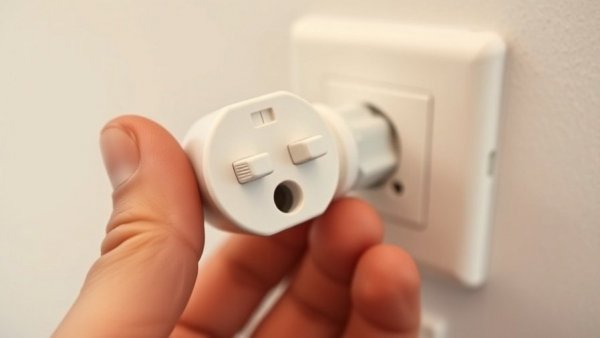
The Mystery of the Holes: A Historical Perspective
Have you ever wondered about those small holes in the prongs of your electrical plugs? They are more than just a design quirk; they stem from a time when electrical standards were evolving. Originally, these holes were part of a mechanism to secure plugs in outlets—specifically designed to fit into bumps within the receptacles. This was a vital safety measure in the early days of electrical supply, as it reduced the risk of accidental disconnections, a problem prevalent when electricity was gaining prominence in homes.
Modern Electrical Standards and Plug Safety
When Underwriters Laboratories began to enforce stricter safety regulations, the design evolved. Manufacturers soon ditched the internal bumps, as they complicated the unplugging process without enhancing security. Now, plugs are designed with friction-fit prongs that grip the socket more securely, ensuring that household appliances remain powered without the need for those antiquated holes. In today's electrical landscape, if you notice a plug slipping out of the outlet, it’s likely more indicative of a faulty outlet, not a design flaw in the plug itself.
Today's Uses for Those Small Holes
What about the holes today? While they no longer serve their original safety purpose, manufacturers have repurposed them for practical applications. Some use these holes to hold the prongs in place during manufacturing, while others utilize them for affixing safety tags or locks to appliances during storage. However, it’s crucial not to confuse these holes with features that enhance electrical safety; they don't improve electrical conductivity or grounding. Furthermore, while these features might seem trivial, they highlight the continuous evolution of electrical engineering toward greater efficiency and safety in everyday products.
Understanding Electrical Safety Features
Many homeowners may also confuse the small holes with safety features like tamper-resistant receptacles. The latter contains built-in shutters to prevent children from inserting foreign objects, ensuring that electrical safety extends to younger family members. If a plug requires excessive force to insert into a tamper-resistant outlet, it could signify that there is damage to the plug, rather than a fault in the outlet. Homeowners should prioritize having such outlets installed, as they provide essential protection against electrical hazards. This is especially important if there are children or pets in the home where mishaps can easily occur.
Additionally, tamper-resistant outlets are becoming more popular due to their focus on safety, and many local building codes even recommend their installation in homes.
Common Misconceptions About Electrical Plugs
It’s essential to debunk some myths surrounding electrical plugs and their safety features. One common misconception is that the presence of holes in prongs improves safety—this is not true. Moreover, not every household plug needs these holes; many modern plugs operate effectively without them. Home maintenance often leads to various myths about electrical safety; understanding the design and purpose of plugs and outlets is key to informed electrical use in the home. Misunderstandings regarding plugs can lead to improper usage or even create dangerous situations, so it’s important to clarify these points.
Taking Action: Ensuring Your Home’s Electrical Safety
As a homeowner, knowing the facts about electrical plugs can empower you to tackle your DIY projects with confidence. Regularly inspect your electrical outlets and plugs; if you experience slippage or difficulty when plugging in appliances, it may be time to consider replacing them. For those venturing into home renovations or repairs, understanding these components can aid in making informed decisions about electrical upgrades. Moreover, keeping a checklist of electrical safety procedures in mind can further enhance your home's safety. For example, always unplug devices when not in use, don’t overload outlets, and use surge protectors for sensitive electronics.
Understanding the Role of Grounding
It's also crucial to highlight the role of grounding in electrical safety. The presence of the round prong in three-prong plugs serves as a grounding mechanism that helps protect against electrical shocks. Grounding wires direct stray electricity safely into the ground, drastically reducing the risks associated with electrical faults. Understanding how grounding and the various prong designs aid safety is vital for homeowners, especially when dealing with older wiring systems that might not meet current safety standards.
Final Thoughts on Electric Plug Design
Those little holes in your plug prongs may seem insignificant, but they are a fascinating reflection of electrical safety’s evolution. As we advance in technology and safety standards, plugs will continue to adapt, serving the essential purpose of powering our daily lives securely. Next time you plug something in, take a moment to appreciate the design that keeps our homes illuminated and functional. Staying informed about the design and safety mechanisms of these everyday objects not only empowers homeowners but also creates a safer living environment for everyone.






Write A Comment