
The Role of Cyan Lights in Automated Vehicles
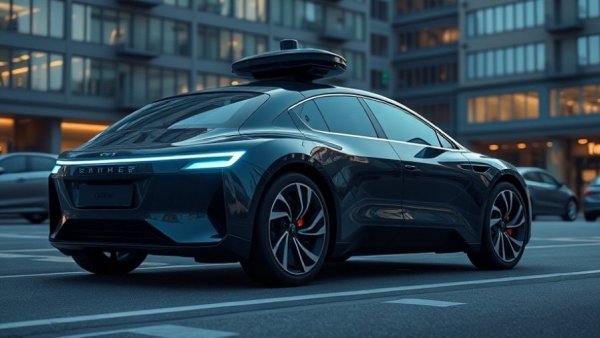
Cyan lights are set to become an essential feature in the ongoing evolution of automotive technology. Proposed by the National Highway Traffic Safety Administration (NHTSA), these lights aim to enhance safety and visibility concerning the automation of vehicles. The primary function of this light is to serve as a clear indicator that a vehicle’s automated driving system has taken control, communicating to other road users that they needn’t be concerned about the driver inside. As self-driving technology continues to advance, how these lights are perceived will play a significant role in overall public acceptance of automated vehicles.
What Do Cyan Lights Represent?
Essentially, when you see a cyan light on a vehicle, it communicates a significant message: that the car is currently operated by its self-driving capability and that no one inside is actively monitoring the road. Unlike conventional vehicles where the human driver is always in control, these lights will tell pedestrians and fellow drivers that the vehicle is capable of operating independently under certain conditions. This shift in communication is not just a technical advancement; it is a crucial step in redefining the relationship between humans and machines on the road.
Regulations and Standardization Efforts
The NHTSA aims to standardize the usage of these lights as the adoption of self-driving cars grows. The lights would remain steady—distinguishing them from the flashing lights used by emergency vehicles, which can often lead to confusion among drivers. According to NHTSA Administrator Jonathan Morrison, integrating such features into regulatory frameworks is crucial: "As automotive technology continues to evolve, our safety standards must keep pace with innovation in ways that do not compromise public safety." This underscores the importance of establishing clear guidelines and standards that govern not only the use of automated systems but also the communication methods that accompany them.
Current Real-World Applications
Currently, companies like Mercedes-Benz are already testing these lights in specific states such as California and Nevada. They’ve received approval to use turquoise lights under limited conditions with their Drive Pilot system. This trial provides a practical framework for how these lights could function in the future. The approval also reflects a commitment to standardized markers that can make automated driving systems easier to identify globally. By implementing these lights, manufacturers are taking proactive steps to establish a language of light that will help bridge the communication gap between autonomous vehicles and human drivers.
Future of Driving: A Look Ahead
As these regulatory changes unfold, expectations for vehicle manufacturers are high. While not all manufacturers must implement cyan lights, those who choose to do so will need to adhere to new standards regarding placement and brightness. This could pave the way for better public acceptance and understanding of autonomous vehicles. The integration of these lights may also ease concerns surrounding safety and reliability. With clearer visual signals, drivers and pedestrians may find it easier to comprehend the actions of self-driving cars, thereby enhancing road safety and reducing ambiguity.
Community Impact and Public Perception
The introduction of cyan lights evokes various reactions from the public. On one hand, these lights promise greater clarity when interacting with self-driving cars; on the other, some drivers might worry about the increased complexity of road signals. Understanding and embracing these changes is paramount as we transition into this new era of transportation. Effective public education campaigns could play a significant role in facilitating this understanding, highlighting not just the function of the lights, but their importance in future driving environments.
Safety Considerations for All Road Users
It’s vital to understand that seeing a cyan light does not mean that drivers can ignore other road safety measures. Other drivers, pedestrians, and cyclists should continue to follow traffic laws and exercise caution around vehicles, regardless of whether they are manually or autonomously operated. The introduction of these lights aims to clarify vehicle functions, but they do not exempt automated vehicles from standard traffic regulations. Reinforcing the importance of responsible driving behavior will be essential as automated systems become more prevalent on the roads.
Conclusion: Embracing the Future of Driving with Confidence
Ultimately, while the proposal for cyan lights is still pending approval, the conversations surrounding them form a critical part of how we can reshape our roadways and improve safety. As a homeowner and a driver, staying informed about such advancements is vital. Embracing technology that promotes safety and convenience could elevate our collective driving experience. By actively engaging with the ongoing dialogue on vehicle automation and understanding its implications, drivers can better navigate the future. Staying tuned for developments surrounding this compelling change in our automotive landscape will not only prepare us for what’s next but may also inspire a new level of confidence in our transportation systems.




Write A Comment