
Add Row
Add Element
UPDATE
Add Element
  • Home
  • Categories
    • Cleaning & Moving
    • Maintenance / Repairs
    • Remodeling & Construction
    • Landscaping / Outdoor
    • Security & Technology
    • Sustainability, Health & Safety
    • Interiors / Décor
    • Expert Interviews
    • DIY Home Projects
Home Wise News!
Wise Insights, Reliable Contractor Advice & Hands on DIY Know How for Savvy Homeowners
August 26.2025
3 Minutes Read

Unlock the Secrets of Essential Gardening Tools Every Homeowner Needs

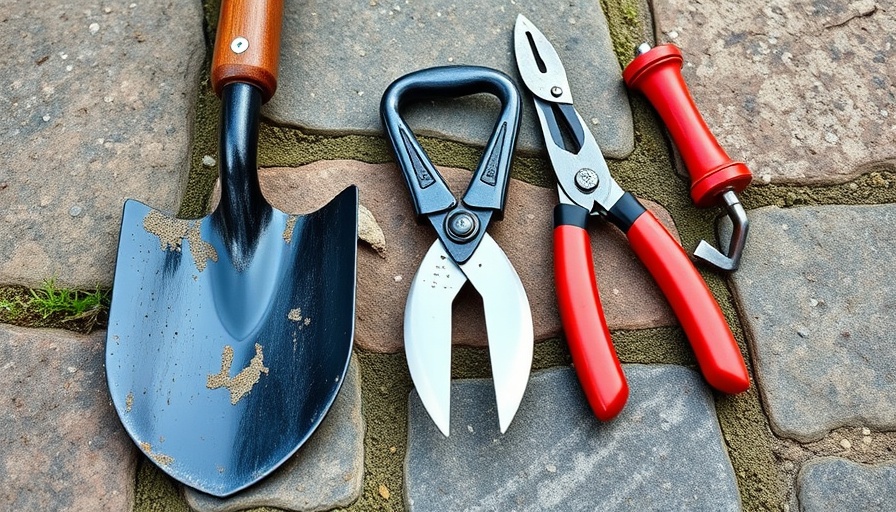
Essential gardening tools on stone pathway, including shovel and rake.

Your Essential Gardening Toolkit: A Homeowner's Guide

As homeowners venture into maintaining their own yards, the significance of having the right tools cannot be overstated. From pruning shears to trowels, possessing essential gardening tools is vital not only for effective yard maintenance but also for fostering confidence in DIY projects. This comprehensive guide covers the essential gardening tools every homeowner should have and detailed instructions on how to use them effectively.

Understanding Your Gardening Essentials

Beginning gardeners often confront the overwhelming array of tools available. However, many essential tools combine versatility with ease of use, making them indispensable. Investing in quality rather than quantity can lead to improved performance and reduced storage issues. Always remember: fewer, well-chosen tools will serve you better than an excess of unnecessary gear.

The Core Tools Every Gardener Should Own

Here are some must-have tools for any homeowner’s gardening shed, along with their basic functions:

  • Pruning Shears: Also known as hand pruners, these are essential for trimming branches to promote healthy plant growth. Aim for a cutting capacity that suits your garden’s needs.
  • Hand Trowel: This tool serves multiple purposes including digging and planting. A sharp blade is ideal for penetrating soil effectively.
  • Bow Rake: Great for leveling soil or spreading mulch, this tool will keep your garden looking neat.
  • Leaf Rake: Ideal for gathering fallen leaves and debris, preventing thatch buildup.
  • Drain Spade: This narrow spade assists with digging precise holes and removing soil, making it practical for planting.

Key Techniques for Effective Tool Use

Understanding how to utilize your gardening tools efficiently can save time and enhance results:

To use pruning shears effectively, begin by opening the shears and positioning the blade above the branch collar. With one hand, squeeze the handles to initiate the cut, ensuring the shears are sharp for a clean slice. Always prioritize safety by wearing gloves and glasses.

Hand trowels are particularly versatile; whether you’re planting bulbs or removing weeds, start by inserting the trowel into the earth, then pull back to scoop out soil. This technique will help you achieve a clear, manageable workspace for gardening.

Gardening Benefits: Building Skills and Savings

Maintaining your own garden not only fosters a sense of accomplishment but can also save substantial money in landscaping expenditures. By mastering these tools, homeowners can enjoy a thriving yard while developing valuable skills in home maintenance.

Demystifying Common Gardening Myths

Many new gardeners are led to believe that owning every tool under the sun is essential for success. However, dedicated maintenance of a few reliable tools is often all that’s needed. Focusing on a balanced toolkit can ease the learning curve and build efficiency rather than complicate gardening tasks.

The Future of Home Gardening

With a growing awareness of sustainable practices, home gardening trends are leaning towards eco-friendly tools and techniques. Homeowners can look forward to enhanced ergonomic designs that not only improve efficiency but also reduce strain during gardening tasks. Expect to see more innovations as interest in gardening continues to grow exponentially.

Conclusion: Empower Yourself with Knowledge

As you dive into home gardening, remember that you don’t need to be an expert to achieve stunning results. Familiarize yourself with essential gardening tools, practice using them effectively, and enjoy the many benefits that come with tending your own yard. With the right mindset and tools, your outdoor space can flourish!

DIY Home Projects

0 Comments

Write A Comment

*
*
Related Posts All Posts
02.04.2026

Stop Ignoring Your Car's Cup Holders: Learn How to Clean Them in 30 Minutes

Update Transform Your Vehicle: Mastering Cup Holder Cleaning Few things can tarnish the pride of a car owner quite like dirty, sticky cup holders. Whether it's a bygone spill from your morning coffee or leftover crumbs from snack time, neglected cup holders can become a genuine embarrassment. Don't worry—this guide will empower you to tackle this messy task in less than 30 minutes. By the end of this article, you will not only understand how to clean your car’s cup holders effectively but also appreciate the benefits of regular maintenance. Why Clean Your Cup Holders? Cleaning your vehicle's cup holders is about more than just aesthetics. It's crucial for hygiene, especially if you share your ride with family or friends. Harmful bacteria can thrive in neglected areas, leading to potential health issues. Frequent cleaning removes dirt and grime that can degrade your car’s interior surfaces, increasing its resale value. In a world where first impressions matter, a clean interior, including spotless cup holders, can be a game changer. Your Essential 5-Step Guide to Cleaning Cup Holders Here’s a simple breakdown of the five steps you need to follow: Clear the Space: Start by removing all items from the cup holders. This includes any cups, trash, or inserts. Do a quick preliminary check to ensure your space is ready for cleaning. Vacuum: Utilize a small vacuum cleaner to remove any crumbs and debris from inside and around the cup holders. If your car is equipped with a built-in vacuum, this can make the job easier. Use a Cleaning Gel: After vacuuming, roll a car cleaning gel into the cup holder. This will help pick up any stubborn dirt and debris stuck in crevices, ensuring a deep clean. Scrub Away: Use a soft brush and a specially formulated interior cleaner to scrub the cup holders thoroughly. Pay close attention to the corners and edges where grime tends to accumulate. Protect: Finally, apply a coat of interior protectant using a microfiber towel. This will not only make your cup holders shine but also protect them against future spills and UV damage. Tools and Materials You Need Here’s a quick inventory of what you’ll need to execute your cleaning project: Boar's hair brush Microfiber towels (at least two) Shop vacuum or handheld vacuum Car cleaning gel Interior car cleaner Interior car detailer spray Interior protectant spray Benefits of Keeping Cup Holders Clean A cleaning project like this might seem minor, yet it can significantly impact your vehicle's overall look and feel. Regular maintenance promotes lasting cleanliness, preventing stains and messes from setting in. It also creates a more pleasant travel experience for you and your passengers. Additionally, many Americans spend an average of 18 hours a week in their cars; a clean space can lead to a more enjoyable commute. Conclusion: Embrace the DIY Spirit By following these easy steps, you can rejuvenate not only your cup holders but your entire driving experience. Regularly tackling small projects, like this one, contributes to preserving your car's value and ensures you don’t need to hide your interior during surprise visits from friends or family. So, roll up your sleeves, grab your cleaning gear, and make those cup holders sparkle! Remember, keeping your car’s interior clean is part of a broader commitment to maintaining your vehicle—not just the cup holder but the entire interior. So, don’t stop here! Take the time to build good habits and embark on further DIY projects around your home!

02.04.2026

Create Your Own Replacement Leaf for Dining Room Table: A Complete Guide

Update Crafting the Perfect DIY Replacement Leaf for Your Dining Table When hosting family gatherings or dinner parties, having extra space at your dining table can be a true game changer. A custom-made replacement leaf not only enhances functional seating but can also beautifully complement your existing table's design. Whether you've inherited a beloved table with missing parts or simply want to upgrade your entertaining options, crafting a table leaf yourself can empower your DIY skills. Below, we delve into essential steps and considerations to ensure your new table leaf seamlessly fits into your dining space. Understanding Your Table's Design Before embarking on your DIY journey, it's crucial to analyze the existing table structure. For example, you should start by examining the edge profile of your table. This design detail will heavily influence the tools and techniques you may need to replicate it accurately. If your table features a detailed edge profile, make sure you have the right router bit or molding to match it accurately; otherwise, you may face complications during assembly. Moreover, identifying the wood species of your dining table is paramount. Different woods absorb stain variably, which can be critical for achieving a consistent color and finish. If you're unsure about the type of wood, select something that closely resembles it. Running a staining test on a sample piece can help you determine the best match. Step-by-Step Guide to Creating Your Leaf Here’s a breakdown of the essential steps to create your new dining table leaf: Take Measurements: Open your table to its full capacity and measure both the width and the gap between the two halves. The leaf should be slightly narrower than the table opening, usually around 1.5 to 2 inches. For instance, if your opening measures 24 inches, aim for your leaf to be no wider than 22.5 inches. Gather Your Materials: You will need materials such as 1x6 oak boards, wood biscuits, clamps, polyurethane, and relevant tools like a miter saw and drill. Make sure to procure extra materials to account for errors or adjustments. Assemble the Pieces: Cut your slats to the required dimensions. Utilize a biscuit joiner for accurately placing dowel slots for a strong union between your slats. Once glued, allow adequate drying time, and then trim them to their final dimensions to fit your table. Stain and Finish: It’s advisable to stain all pieces before assembly to avoid drying delays mid-project. Use a color and finish that matches your existing table or creates a pleasing contrast. Common Mistakes to Avoid While crafting a new table leaf can be an enjoyable experience, there are pitfalls to keep in mind: Mismatch in Size: Failing to accurately measure the table opening and dimensions of the leaf can lead to frustration during assembly. Inadequate Sealing: Not applying enough coats of sealant can result in water damage and a lackluster appearance over time. Ignoring Wood Grain Direction: Aligning wood grain properly not only improves aesthetics but also the integrity of your final product. Embracing the Challenge and Looking Ahead Ultimately, crafting your own dining room table leaf is a fulfilling project that can provide functionality and personalized charm to your dining space. Besides improving your skills, you’ll create memorable moments around the table with family and friends, maximizing life’s special occasions without compromising style or integrity in your home. As you plan your project, don’t hesitate to explore various DIY techniques, perhaps even texturing the wood or leveraging interesting patterns. Your dining table leaf can be not only practical but also a unique piece that tells a story of craftsmanship and creativity!

02.01.2026

How to Erase Rust Stains on Clothes with Pantry Staples

Update Understanding the Nature of Rust Stains Rust stains on clothes can be frustrating. They indicate the presence of iron oxide, a result of iron reacting with oxygen and moisture. Most rust stains originate from metal zippers, buttons, or tools that have come into contact with fabric. The key to effective rust removal is understanding the nature of the stain and acting swiftly to minimize damage. Pantry Solutions: Harnessing Everyday Ingredients Good news! You don't need to splurge on expensive chemical cleaners to tackle rust stains. Many effective solutions are readily available in your pantry, making rust removal a budget-friendly endeavor. The three main kitchen heroes for rust removal are: Vinegar: The acetic acid in vinegar breaks down rust effectively. Lemon Juice: Citric acid works wonders in combating corrosion. Baking Soda: This all-purpose cleaner not only fights odors but also rust stains. The Powerful Vinegar Method Vinegar is a staple in many households for a reason. To use it for rust stains, follow these simple steps: Soak the stained clothing in a bowl of undiluted distilled white vinegar. Allow the fabric to sit in the vinegar for up to several hours, depending on the severity of the rust stain. After sufficient soaking, scrub the stained area gently with a toothbrush or a cloth until the rust wears away. Rinse with warm water and launder as usual. For particularly stubborn stains, repeating the process may be necessary, as detailed in various cleaning guides. Lemon Juice Magic Lemon juice, next in line, is not only refreshing but also an effective rust remover. Here’s how: Squeeze fresh lemon juice directly onto the rust stains. For enhanced effectiveness, sprinkle a bit of salt over the juice to create a mild abrasive solution. Let the mixture sit for about two hours, and then scrub the rusted area. Rinse thoroughly and repeat if necessary. This method is particularly effective for smaller items or delicate fabrics. Baking Soda Paste for Tough Stains When rust has set deep into fabric, a baking soda paste can be the solution. Here’s how you can make and use it: Mix baking soda with warm water to create a thick paste. Apply the paste generously over the rusted area, ensuring it covers all the rust. Let the paste sit for at least an hour, and then scrub gently with a toothbrush. Rinse well to remove any residue. Why DIY Methods are Better Perhaps you’ve considered commercial rust removers. While effective, many contain harsh chemicals that can damage fabrics and pose health risks. DIY methods using pantry staples are not only safer for you and the environment, but they are also gentle on your clothing. Just like many of us strive for sustainability in our homes, opting for simple, eco-friendly solutions for rust removal aligns with this mindset. After all, why bring more chemicals into your space when you can utilize the power of nature? Long-Term Solutions to Prevent Rust Stains Once you've tackled those pesky rust stains, it’s essential to take steps to prevent future occurrences. Here are practical tips: Keep metal items dry and store them in a moisture-free environment. Regularly check zippers, buttons, and metal embellishments on clothing. Consider applying a thin layer of clear nail polish on metal parts to provide a barrier against moisture. These small preventative measures can save you a lot of trouble down the road. Your Next Step: Try It Out! So, the next time you spot a rust stain on your clothes, you now have the knowledge at your fingertips to tackle it easily using natural, safe methods. Armed with vinegar, lemon juice, or baking soda, you can restore your fabric without fear of damage from harsh chemicals. Ready to take action? Gather those pantry staples, channel your inner DIY master, and start the rust removal process today!

Terms of Service

Privacy Policy

Core Modal Title

Sorry, no results found

You Might Find These Articles Interesting

T
Please Check Your Email
We Will Be Following Up Shortly
*
*
*