Add Row
Add Element
UPDATE
Add Element
  • Home
  • Categories
    • Cleaning & Moving
    • Maintenance / Repairs
    • Remodeling & Construction
    • Landscaping / Outdoor
    • Security & Technology
    • Sustainability, Health & Safety
    • Interiors / Décor
    • Expert Interviews
    • DIY Home Projects
Home Wise News!
Wise Insights, Reliable Contractor Advice & Hands on DIY Know How for Savvy Homeowners
October 10.2025
3 Minutes Read

Unlock the Ultimate Kitchen Style: Buy Second-Hand Items Today!

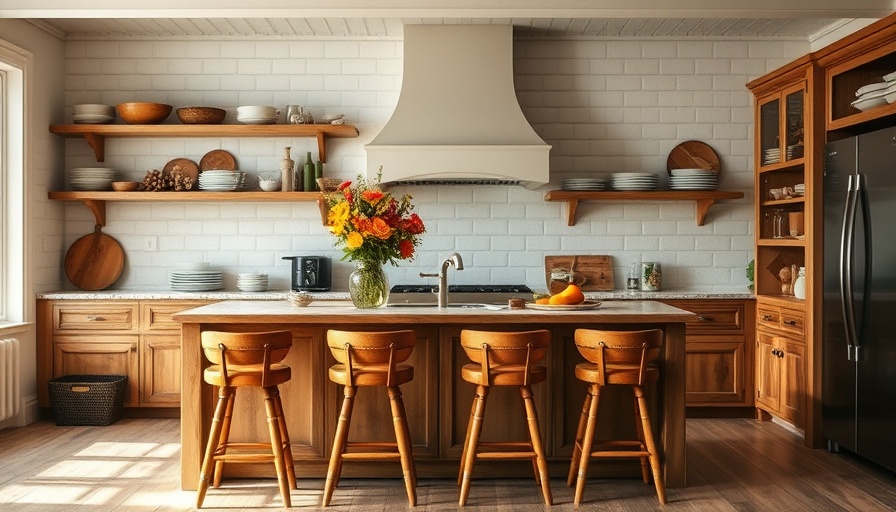
Chic kitchen with second-hand items on display

Why Buy Second-Hand Kitchen Items?

In today's world, conscious consumerism is on the rise, and the kitchen is often a hotspot for a sustainable makeover. Buying second-hand kitchen items not only helps you save money but also allows you to contribute positively to the environment. This increasingly popular practice serves as a viable alternative to cluttering landfills and promotes the eco-friendly ethos of reusing and recycling.

The Joy of Unique Finds

When you shop for second-hand kitchen goods, the hunt for unique items transforms the mundane into the extraordinary. From vintage Pyrex dishes to quirky utensils, every corner of a thrift store or flea market teems with potential treasures waiting for new frontiers in your culinary adventures. Uncovering a rare find can even add charm and nostalgia to your kitchen, sparking conversations during family gatherings.

Cost-Effective Choice for Every Chef

Embarking on the journey of second-hand purchases can lead to significant financial savings. For example, high-quality cookware often comes at steep retail prices, but you can score incredible deals on barely-used items. Shopping second-hand means you could potentially get premium brands at a fraction of the cost. Investing those savings into experiences—like cooking classes or gourmet ingredients—can enhance your culinary skills far more than an overpriced new gadget ever could.

Quality Beyond Price Tags

Aside from financial benefits, many second-hand kitchen items boast quality that newer counterparts can't match. Vintage cookware, for instance, tends to have a timeless durability that withstands the tests of heavy usage and adverse conditions. Think cast-iron skillets or durable glass bakeware. They not only infuse character into your kitchen but can outlast many cheap, mass-produced alternatives.

Sustainability: An Ethical Approach

Opting for second-hand goods contributes to sustainable living and promotes waste reduction. When you make the switch, you’re drawing a line against overconsumption and environmental degradation. Each purchase you make is an investment in more efficient resource management and eco-friendly practices, like those encouraged by organizations such as Oxfam.

The Role of Upcycling in Kitchen Items

Another fun and sustainable aspect of second-hand kitchenware is upcycling. If you find glass jars, old wooden shelves, or mismatched crockery, the creative possibilities are endless. From turning jars into stylish storage options to transforming wooden items into chopping boards or kitchen décor, giving new life to old things not only reduces waste but also adds a personal touch to your space.

Fostering Community Through Second-Hand Shopping

Shopping at local thrift shops or community-based initiatives supports local economies. Not only does it help you discover distinctive items, but it also fosters a sense of community. Some shops even contribute sales to local charities, merging the act of shopping with philanthropy. Thus, second-hand shopping becomes a multifaceted act of kindness, benefitting both your home and your community.

What to Search For: Must-Have Second-Hand Kitchen Items

When embarking on a second-hand shopping spree for kitchen items, keep an eye out for the following:

  • Cookware: Look for sturdy pots and pans, especially those made from cast iron, and stainless steel items.
  • Dinnerware: Vintage china or unique mug collections make for aesthetically pleasing settings.
  • Utensils: Wooden spoons and whisks with character add warmth to your kitchen.
  • Appliances: Small appliances like food processors or mixers that have stood the test of time can still shine in performance.

Your Smart Shopping Checklist

Ready to dive into the treasure trove of second-hand kitchen items? Here’s a quick checklist to ensure your shopping experience is enjoyable and effective:

  • Research the items you intend to buy regarding safety and usability.
  • Inspect thoroughly: Look for chips, cracks, and any signs of wear.
  • Prioritize multifunctional items that can maximize space and utility.

In Conclusion: Transform Your Kitchen Ethically

Transforming your kitchen with second-hand items doesn't just elevate your culinary space; it promotes sustainability, saves money, and creates community bonds. By embracing this approach, can you open avenues for creativity and conscious living? As you embark on this journey, remember that every purchase tells a story, reduces waste, and contributes to the greater good.

So, are you ready to explore the world of pre-loved kitchenware? Dive into the local thrift stores, scan online marketplaces, and let the hunt for treasures begin!

Sustainability, Health & Safety

Write A Comment

*
*
Related Posts All Posts
12.07.2025

What You Need to Know About Washing New Clothes Before Wearing Them

Update Understanding the Risks of Wearing New Clothes Picture this: you just bought a fabulous new outfit, and you can’t wait to show it off. But before you slip into that stylish piece, consider what might be lurking in the fabric. New clothes may often appear pristine, but they can carry a hidden danger—chemicals, pathogens, and a range of irritating substances that can wreak havoc on your skin and health. In fact, studies reveal that new apparel can harbor bacteria such as Staphylococcus aureus, which can lead to skin infections. As much as we love the thrill of a shopping spree, it’s crucial to hit the pause button before taking the plunge. The Hidden Hazards Manufacturers regularly use a cocktail of chemicals to enhance the appearance, durability, and feel of fabrics. This includes substances like formaldehyde, which keeps wrinkles at bay, and various dyes that can provoke allergic reactions. Even transportation and display can be problematic, as clothes might attract unwanted germs or even pick up fecal matter during trials in retail environments. The moment you wear that new garment, you expose yourself to irritating substances that may not be immediately apparent. Health Implications from Chemicals and Dyes Consider fabrics treated with disperse dyes, particularly in synthetic clothing items. Dermatologist Dr. Susan Nedorost states that these dyes are often the culprits behind allergic reactions, such as itchy rashes appearing several days after you first wear the clothing. If you’ve ever experienced a mysterious skin irritation after wearing something new, it’s possible those vibrant colors came at a price. Moreover, recent studies have uncovered disturbing findings. A report from Stockholm University showed that common chemicals like quinoline, deemed a possible carcinogen, were found in the majority of fabrics tested. Unbeknownst to many, these residues can leach out over time, leading to potential long-term health risks. The Case for Washing New Clothes Why take the risk? Washing your new clothes before wearing them can significantly reduce your exposure to harmful substances. This not only tackles grit and germs but also softens the fabric, improving comfort and extending the life of your clothing. To ensure the best results, follow these steps: Check garment labels for proper washing instructions. Opt for a mild detergent free from harsh chemicals and fragrances. Separate bright colors to prevent dye transfer. Use low heat while drying to avoid shrinkage. This simple ritual can keep you safe and stylish while ensuring your wardrobe is as fresh as it can be. Beyond Safety: The Comfort Factor Not only do you shield your skin from irritants, but washing also enhances the comfort level of your clothes. Freshly laundered fabrics lose that stiff feel, lending a cozy, worn-in charm that new clothes often lack. A soft, well-washed outfit can feel much more inviting than one straight off the rack. Moreover, it helps combat unwanted surprises like shrinkage—saving you from that awkward moment when you realize your favorite shirt is now a size too small. So, what's the real cost of skipping the wash? Potential itchiness, discomfort, and even repeated laundry bills! Spotlight on Sustainable Choices The quest for healthier clothing doesn't end at keeping packed germs at bay. Consumers are increasingly leaning towards sustainable options. Opting for organic fabrics and brands dedicated to reducing harmful chemical treatments not only protects your health but also supports ethical production practices. A discerning eye on labels goes a long way—even in the world of cotton and linen, safety measures still vary widely between manufacturers. An Empowered Consumer is a Savvy One As a consumer, being aware of the dangers associated with new clothes allows for informed choices. Yes, it’s tempting to don that new garment right away, but the small effort of washing beforehand can yield big benefits. And while the industry continues to evolve with trends, your individual well-being should always take center stage. In conclusion, washing new clothes is not merely a recommendation; it's a proactive step towards safeguarding your health. Next time you add a new piece to your wardrobe, embrace the ritual of washing it before wearing. Your skin—and potentially your well-being—will thank you!

12.04.2025

Exploring How Architecture Firms Are Pioneering Future Cities with Sustainability

Update Shaping Tomorrow’s Cities: The Role of Architecture FirmsIn today’s rapidly changing world, architecture firms are at the forefront of shaping cities into sustainable and livable spaces that integrate technological advancements with human-centered design. No longer are architects just thinkers of aesthetics; they are active participants in defining how we interact with our urban environments. This evolution aims not only to adapt to but thrive amid challenges such as climate change, population density, and resource scarcity.The Sustainable Design Movement: A Key PrioritySustainable design practices have become indispensable in modern architecture. Firms are leveraging materials such as recycled steel and low-carbon concrete to lower environmental impacts, primarily by addressing energy efficiency throughout the lifecycle of a building. The architectural realm is increasingly focused on obtaining certifications like LEED, BREEAM, and WELL, which indicate measurable sustainable practices. By promoting features like green roofs and smart water management systems, architects are paving the way for urban landscapes that foster biodiversity and self-sufficiency. Beyond structure, these design principles are beginning to reshape entire neighborhoods under frameworks like the 15-minute city model, where essential services are accessible within a fifteen-minute walk, effectively reducing our reliance on vehicles and enhancing local economies.Technological Integration: Bridging the GapEmerging technologies are transforming not just individual buildings, but entire city infrastructures. From AI traffic management systems to smart energy grids, innovative approaches are becoming synonymous with modern urban planning. For instance, Shenzhen’s commitment to smart technology includes efforts such as integrating IoT and AI into traffic systems, drastically reducing emissions by optimizing flow. Architect firms are adopting this technological mindset, ensuring that buildings are interlaced with sustainable practices and smart technologies that serve to enhance daily living experiences.Human-Centric Urban Planning: Focusing on the PeopleToday’s architecture is a direct response to the crucial need for spaces that prioritize human connection and community well-being. The building design focuses on interaction, with extensive public amenities incorporated at the neighborhood level to spur social engagement. Residential areas are not just created for shelter, but as communal hubs that foster relationships and encourage local culture, further enhancing residents' quality of life.Adaptive Reuse and Renovation: Creating New from the OldAs urban population density continues to rise, the adaptive reuse of buildings has emerged as a sustainable trend within architecture. Instead of demolishing old structures, architects are finding innovative solutions that breathe new life into existing spaces, maintaining cultural heritage while meeting modern needs. This approach conserves resources by minimizing waste and reduces the need for new materials, aligning with sustainability goals.Case Studies: Pioneering Projects Leading the ChargeGlobally, initiatives are thriving that exemplify this versatile approach to urban development. Notable examples include Portland's mix of high-density housing with efficient transportation, and Barcelona's superblock model which creates pedestrian-friendly zones by repurposing streets. These models create comprehensive urban settings that are not only livable but also vibrant.Counterarguments: Challenges and OpportunitiesHowever, the journey toward building sustainable and technologically advanced cities is not without its hurdles. The high initial costs of implementing sustainable technologies often deter investment. Additionally, traditional policy frameworks can impede innovation if they aren't updated to accommodate cutting-edge practices. As architecture firms adapt to new roles, they must also address skepticism about the efficacy and equity of these urban solutions to truly advance.Conclusion: The Future of Urban LivingThe continued efforts of architecture firms to innovate, sustain, and include will ultimately shape the future urban living experience. As we move toward smarter and greener cities, the dialogue must encompass not just what is feasible from a design standpoint but also what serves the greater community. The path forward lies in collaborative endeavors that tie together technology, architecture, and community values into a cohesive vision for our urban centers.

12.03.2025

Unique Stocking Stuffers from Thrift Stores: Discover Affordable Treasures

Update Unusual Treasures Uncovered: Stocking Stuffers from Thrift Stores It’s that time of year again—when the hunt for the perfect stocking stuffers begins! While many people flock to retail stores or online outlets, savvy gift-givers are embracing thrift stores for their ability to provide unique and thoughtful last-minute surprises. Thrift shopping is not only a fantastic way to score budget-friendly items, but it’s also an opportunity to find one-of-a-kind treasures! Digging through racks filled with forgotten jewels and slight imperfections can ignite nostalgia and creativity. Plus, the thrill of discovering the extraordinary among the ordinary is often unrivaled—like unearthing a hidden gem that simply needs a new home. Rediscover the Joy of Not-So-New Gifts One of the great benefits of purchasing thrift store items for stockings is that it adds a personal touch to your gifts. Every little piece has a story. For example, vintage toys can provide nostalgia, while handmade items can evoke warmth during the holiday season. When shopping at thrift stores, consider focusing on items that remain practical yet whimsical: think small tools, quirky mugs, or artsy decor that reflects the recipient’s personality. A beautiful vintage handkerchief can be a delightful reminder of days gone by, while a unique book can spark joyful conversations. Prize-Worthy Finds That Spark Joy But what kind of stocking stuffers can you really find at thrift stores? Here are some ideas to pave your way to success: Craft Supplies: Rummage through for vintage buttons, fabrics, or even forgotten paint sets. Not only affordable, but also a delight for those who love to DIY. New In Their Package: Many thrift stores receive items that are brand-new, often still in their original packaging. Keep an eye out for fun small gadgets or novelty items ideal for those last-minute touches. Books: You can find classic and modern reads that won't break the bank. Whether it's a whimsical children's book or a gripping mystery novel, these fills add a unique touch! Vintage Jewelry: Accessorize stockings with charming vintage pins, earrings, or rings. The beauty often lies in their backstory, making them a conversation starter. Games and Puzzles: Perfect for family bonding during the holidays, you can find classic games and vintage puzzles. Think about nostalgia for parents and engaging experiences for kids. Reimagine Stocking Stuffers with a Creative Twist While every holiday season seems to follow a similar trend, incorporating thrift store finds can help you and your loved ones experience the season differently. By going thrifting, you not only promote a sustainable gift-giving culture but also make memories along the way—because there’s something to be said about adventuring together in the pursuit of treasures! In ever-important discussions of sustainability, opting for pre-loved gifts positively impacts the planet. Each stocking filled with thrifted goodies is akin to reducing waste and preserving the environment. Combine the holiday cheer with eco-conscious shopping and make a positive statement. As you embark on your mission to hunt down the perfect stocking stuffers this year, keep an open mind and a sense of humor. It’s not about emptying your wallet but about filling your loved ones’ hearts with joy. Embrace thrift shopping, unleash your creativity, and you might just stumble upon gifts that make a more memorable holiday than any dollar-store trinket ever could! Make It a Family Adventure! Lastly, turn this into a family outing! Take your loved ones along for a fun day out shopping together. Make game out of it—whoever finds the weirdest or most unique stocking stuffer wins a hot chocolate. It’s a lovely way to bond while exploring the aisles. If you’re tired of the same old, cookie-cutter gifts, thrift stores could become your secret weapon for creative gifting this holiday season. Check those stores out, and who knows? You might just uncover the perfect treasures for your stockings!

Terms of Service

Privacy Policy

Core Modal Title

Sorry, no results found

You Might Find These Articles Interesting

T
Please Check Your Email
We Will Be Following Up Shortly
*
*
*