
Add Row
Add Element
UPDATE
Add Element
  • Home
  • Categories
    • Cleaning & Moving
    • Maintenance / Repairs
    • Remodeling & Construction
    • Landscaping / Outdoor
    • Security & Technology
    • Sustainability, Health & Safety
    • Interiors / Décor
    • Expert Interviews
    • DIY Home Projects
Home Wise News!
Wise Insights, Reliable Contractor Advice & Hands on DIY Know How for Savvy Homeowners
May 22.2025
3 Minutes Read

Unlocking the Potential of ADUs: What Every Homeowner Should Know

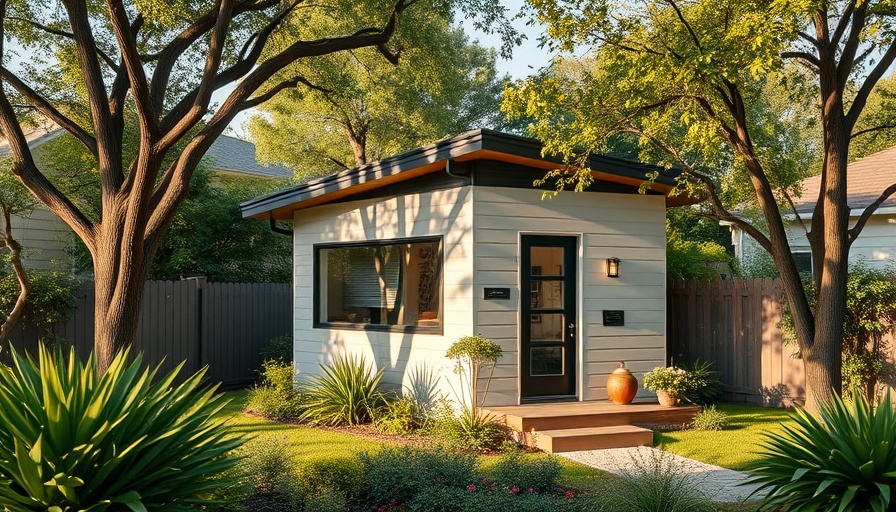
Modern accessory dwelling unit with lush greenery.

Why Are ADUs Gaining Popularity?

In recent years, accessory dwelling units (ADUs) have surged in popularity across the United States, primarily as a response to the ongoing affordable housing crisis. ADUs are compact, self-sufficient homes built on the same property as a primary residence. They provide an innovative solution for homeowners looking to maximize their property value while addressing the pressing need for affordable housing options. Reports indicate that the ADU market could grow by 140%, reaching an estimated $153.6 billion by 2032—up from $64.3 billion in 2024.

What Exactly Is an ADU?

ADUs typically measure between 500 to 600 square feet and come equipped with a kitchen, bathroom, and sleeping area, making them similar in size to a studio apartment. Often referred to as "granny pods," these units are designed for older adults to live independently while being close to family caregivers.

Benefits of Building an ADU

Investing in an ADU comes with numerous advantages that contribute to its appeal:

  • More Room: ADUs create additional space for family members, guests, or potential tenants.
  • Perfect for Families: They provide a comfortable living arrangement for aging parents or young adults seeking independence.
  • Enhanced Property Value: Homes featuring an ADU tend to have higher resale values, making it a valuable investment.
  • Smart Utilization of Space: ADUs help maximize usable property space that might otherwise go underutilized.

Potential Drawbacks to Consider

While the benefits are enticing, homeowners must also acknowledge some disadvantages:

  • Space Constraints: Incorporating an ADU will consume a portion of your yard or storage space.
  • Regular Maintenance: Renting an ADU entails ongoing maintenance tasks and repairs.
  • Cost Considerations: Beyond initial construction costs, property taxes and increased utility bills can add up.

Types of ADUs to Explore

Homeowners can choose from several types of ADUs, each with its unique advantages:

  • Attached ADUs: These share at least one wall with the main residence and typically share utilities. Their construction is more straightforward, making them easier and less expensive to build.
  • Detached ADUs: Often akin to tiny homes, these offer the most privacy but are the priciest due to needing separate utility connections.
  • Garage Conversions: Transforming underused garage space into an ADU can be cost-effective, although significant renovations may be needed to comply with regulations.
  • Basement ADUs: Utilizing a basement for an independent living space, also known as an in-law suite, can be an excellent option, but may require upgrades for safety and comfort.
  • Above Garage ADUs: If garage space is still in use, consider building an ADU above it—often called carriage houses—maximizing vertical space.

Financial Implications and Cost Insights

Before deciding on building an ADU, it's crucial to assess the financial implications thoroughly. The costs associated with constructing an ADU can vary widely, depending on size, design, and local building codes. Homeowners should also consider the potential for increased property taxes and higher utility bills, which can impact long-term profitability.

Local Regulations and Permits

Understanding local zoning laws and obtaining the necessary permits is essential before initiating any construction. Each municipality may have different rules governing ADU construction, including size restrictions, lot coverage, and parking requirements. Familiarizing yourself with these regulations can save you from legal complications down the road.

Actionable Insights for Homeowners

Building an ADU can be a transformative decision for homeowners, providing extra income and living space. However, it is vital to approach the process well-informed. Start by researching local building regulations, estimating costs, and identifying financing options. Evaluate your property needs and consider how an ADU can fit into your long-term financial plans.

Now that you’re equipped with essential information on ADUs, are you ready to explore the possibilities of enhancing your property and embracing this growing trend in construction? The future of homeownership may well include building an ADU!

Remodeling & Construction

0 Comments

Write A Comment

*
*
Please complete the captcha to submit your comment.
Related Posts All Posts
04.10.2026

Why Modular Homes in Michigan Are the Smart Choice for Homeowners

Update Unlocking the Benefits of Modular Homes Are you considering a new home in Michigan? Modular homes offer a compelling alternative to traditional construction methods, delivering quality, efficiency, and customizable options in a fraction of the time. With advancements in energy efficiency and design, these homes cater to modern standards and aesthetic preferences. Unlike conventional homes, modular houses are built in sections, or 'modules,' inside a controlled factory setting, which mitigates common construction delays from adverse weather and ensures precise engineering. From Vision to Reality: The Architectural Planning Process The journey begins with detailed architectural planning. Collaborating with experienced builders, buyers have the opportunity to customize layouts, finishes, and structural specifications tailored to their needs. In Michigan, where winter conditions can be harsh, homeowners often prioritize energy-efficient features, open-concept spaces, and durable materials. This personalized planning stage ensures that your new home aligns perfectly with your lifestyle and climate demands. The Manufacturing Marvel: Climate-Controlled Construction Once your designs are finalized, the fun begins. The construction of modular homes takes place within a climate-controlled factory, which eliminates the risk of moisture damage during the building process. Precision machinery facilitates consistent cuts for walls, floors, and roofs, while skilled labor teams install plumbing, electrical systems, and insulation. With many interior fixtures placed during factory construction, on-site building times can be significantly reduced, making for a seamless transition from factory to installation. Ensuring Quality: Inspections and Compliance Quality assurance in modular home construction is a multi-step process involving rigorous inspections. Each module undergoes substantial quality control measures, encompassing in-plant inspections and third-party compliance reviews. Michigan's state and local regulations further enhance safety by necessitating adherence to building codes related to snow loads and energy efficiency. It’s a well-rounded approach that guarantees a reliable and sturdy home. Cost-Effectiveness: Why Modular Homes Save You Money One of the most substantial advantages of modular homes is their cost-effectiveness. The controlled environment of a factory reduces waste and labor costs, ultimately lowering the overall price for the consumer compared to traditional building. Not only can you expect savings on construction, but the long-term cost benefits of energy-efficient homes also contribute to lower utility bills, making them an investment in both comfort and sustainability. Real Stories: Homeowners Share Their Modular Home Experiences Homeowners across Michigan have embraced modular homes and the efficiency they provide. For example, Jane and Tom, a young couple from Detroit, share that choosing a modular home allowed them to realize their dream of homeownership without the stress of extended construction timelines. They enjoyed being involved in the design process and appreciated the quick yet quality construction. Looking Ahead: The Future of Modular Homes in Michigan The modular home industry is evolving, with continual advancements in design and technology paving the way for even more innovative building solutions. As homeowners become increasingly concerned with sustainability and energy efficiency, modular homes are positioned to meet these demands while offering customization and functionality. The growing popularity of these homes signals a shift in how people view residential construction, potentially revolutionizing the housing market. Ready to Explore Modular Homes in Michigan? Whether you're beginning to consider building your own home or looking for alternatives that meet today's standards, modular homes stand out as a smart choice. They combine an impressive balance of speed, cost, and quality. To learn more about modular homes and explore options that best fit your needs, start your journey today!

04.09.2026

Explore Modern Primary Bathroom Layout Ideas for Ultimate Comfort

Update Transforming Your Bathroom: A Modern Sanctuary Awaits Gone are the days when bathrooms were merely utilitarian spaces. Today, primary bathrooms have become sanctuaries that marry functionality with aesthetics. Whether embarking on a remodeling journey or planning a new build, understanding the latest trends in bathroom layouts will empower you to make strategic decisions for your home. Here’s a closer look at some of the most exciting trends redefining modern bathroom design. Open-Concept Layouts: Embracing Spaciousness The most significant shift in contemporary bathroom design is the embrace of open-concept layouts. Traditional designs often separated fixtures with walls, creating cramped feelings. Modern open layouts, featuring elements like frameless glass showers and floating vanities, enhance the sense of space. This structure not only improves movement but also allows natural light to diffuse throughout the room, making even smaller bathrooms feel expansive and inviting. Wet Rooms: Luxury Meets Practicality Wet rooms are emerging as a favored choice for homeowners aiming for a clean, minimalist design. This innovative layout merges the shower and tub into a singular, fully waterproof area, eliminating the need for bulky partitions. By focusing on efficient use of space, wet rooms offer a spa-like experience while reducing clutter — an essential consideration for smaller bathrooms. Zoned Spaces: Organizing for Daily Life Open-concept doesn’t mean chaos; this is where zoned spaces come into play. By dividing the bathroom into specific functional areas—like grooming, bathing, and sanitary zones—families can utilize the space simultaneously without interference. Innovative design elements such as partial walls or unique flooring can subtly define these areas, ensuring that efficiency is as paramount as style. Floating Vanities: The Future of Functionality As great design plays a pivotal role, floating vanities are at the forefront of modern bathroom trends. Their sleek, wall-mounted appearance creates an illusion of more floor space while providing easy access for cleaning. Various finishes—be it wood, matte, or gloss—offer an extensive array of choices, making them suitable for a range of styles from contemporary to rustic. According to trends from Moreno Bath, floating vanities often include additional storage, aiding in decluttering your sanctuary. Spa-Like Features: Elevating Everyday Rituals In 2023, the notion of the bathroom as a personal spa is more pronounced than ever. Homeowners are incorporating features such as rainfall showerheads, freestanding tubs, and heated floors to create a warm and inviting ambiance. Such features not only contribute to an aesthetically pleasing environment but also promote relaxation, underscoring the bathroom’s potential as a retreat from the daily grind. Color Trends: A Palette for Peace 2023 has ushered in an affinity for soothing color palettes. Soft blues, muted greens, and warm beiges invoke serenity and calm. By opting for these shades, homeowners can transform their bathrooms into tranquil spaces that promote relaxation and rejuvenation. These colors harmoniously complement natural materials like wood, further enhancing the overall aesthetic. Smart Bathroom Technology: A Touch of Modernity The latest trends also showcase an integration of smart technology in bathroom designs. From touchless faucets to smart mirrors, technology is enhancing convenience and efficiency in bathroom tasks. Digital systems, such as temperature controls and Bluetooth-enabled mirrors, streamline routines and create a luxurious experience at home. Conclusion: Your Bathroom, Your Retreat As we embrace these modern bathroom trends, remember that at the heart of design lies personalization. The choices you make should reflect your lifestyle and preferences, helping create a sanctuary that you can escape to each day. So, whether it’s an open layout, a floating vanity, or spa-like features, there are countless ways to design your dream primary bathroom—a true reflection of you.

04.05.2026

Create Your Dream 800-Square-Foot Cottage with These Design Tips

Update Designing Your Dream 800-Square-Foot Cottage In a world that seems to celebrate the big and the extravagant, the charm of a small cottage can often get overlooked. But what if you could design an 800-square-foot cottage that feels not only cozy but downright dreamy? Think about it: a compact space that maximizes every inch, providing a serene and stylish family retreat. Follow the tips of Atlanta architect Brandon Ingram and other experts, and you can transform a tiny home into a true sanctuary. Understanding the Southern Aesthetic The backbone of a delightful Southern cottage is rooted in a unique blend of tradition and efficiency. According to Ingram, the key lies in being "extremely efficient and super Southern." This along with knowing how to maximize your space makes for a design that resonates with charming Southern architecture. Enabling spaces that flow seamlessly enhances the feel of a small home. Think about overlapping areas: a living room that flows into the dining space and kitchen. Maximizing Natural Light: The Key to An Open Feeling One of Ingram's secrets to making a small space feel larger is the use of natural light. Large windows, even in modestly sized rooms, allow an abundance of sunlight in, preventing those claustrophobic feelings often associated with tiny living. The impact of letting in natural light can completely transform how a space feels. Incorporating simple shutters maintains control over the ambiance without crowding the space. Open Spaces Are Your Best Friend While you may be inclined to section off living areas, Ingram found that creating an open-plan living area enhances comfort and style. With carefully thought-out layouts, your home can feel spacious. The trick is to decorate with a palette that keeps the atmosphere light and breezy. An all-white design with textured elements can help corners disappear, maintaining a clean and organized aesthetic. Choosing Smart Features that Enhance Functionality Investing in smart cabinetry can also enhance your cottage's usability without sacrificing its historical charm. Features like glass-front upper cabinets eliminate the heavy feel of traditional shelving while offering an airy look. Furthermore, appliances hidden behind cabinetry declutter the kitchen and help maintain a seamless flow. Incorporating Outdoor Living Space Outdoor spaces should not be an afterthought. Recently, porches and patios have extended beyond simple outdoor areas. They are now considered essential living spaces. Even in a compact design, don't hesitate to make your porch part of the layout, ensuring each outdoor area is inviting and functional. With traditional wicker furniture and smart lighting options, you can create an oasis that embraces lovely summer evenings. Selecting Timeless Materials Building character can be achieved through the careful selection of materials. Incorporate antique bricks, reclaimed wood, or a classic metal roof. Not only does this promote sustainability, but it also enhances that much-coveted 'historic feel.' Balancing these timeless materials with modern efficiency provides the best of both worlds. Creative Storage Solutions In a small house, storage is your best ally. Think creatively about where to tuck away extra linens, seasonal clothes, or tools. Use recessed shelving, clever furniture pieces with built-in storage, or even wall-mounted solutions to keep your space organized and clutter-free. This prevents your lovely abode from feeling like a storage unit instead of a home. The Joy of Antiques: Personalizing Your Space Utilizing antiques not only enhances your aesthetic but also tells a story. A vintage mirror repurposed as a medicine cabinet not only elevates a bathroom but serves as a conversation starter. Incorporating sentimental items can add depth to your cottage that reflects your unique style. Getting Started on Your Cottage Dreams Visualizing your ideal cottage starts with understanding both your personal aesthetic and how to maximize space effectively. Using the insights from Ingram and others, embark on the journey of transforming dreams into reality. Remember: it’s not just about the square footage—it’s about how you feel when you step into your cottage. If you're inspired to begin your own cottage project with smart home technology, explore various house plans, and don't hesitate to consult with professionals to help you chart your path. By marrying the quaint charm of a Southern cottage with modern solutions, you will ensure your home is not only lovely but also livable.

Terms of Service

Privacy Policy

Core Modal Title

Sorry, no results found

You Might Find These Articles Interesting

T
Please Check Your Email
We Will Be Following Up Shortly
*
*
*