
Add Row
Add Element
UPDATE
Add Element
  • Home
  • Categories
    • Cleaning & Moving
    • Maintenance / Repairs
    • Remodeling & Construction
    • Landscaping / Outdoor
    • Security & Technology
    • Sustainability, Health & Safety
    • Interiors / Décor
    • Expert Interviews
    • DIY Home Projects
Home Wise News!
Wise Insights, Reliable Contractor Advice & Hands on DIY Know How for Savvy Homeowners
May 07.2025
3 Minutes Read

Unlocking the Secrets of Custom Brown Paint for DIY Projects

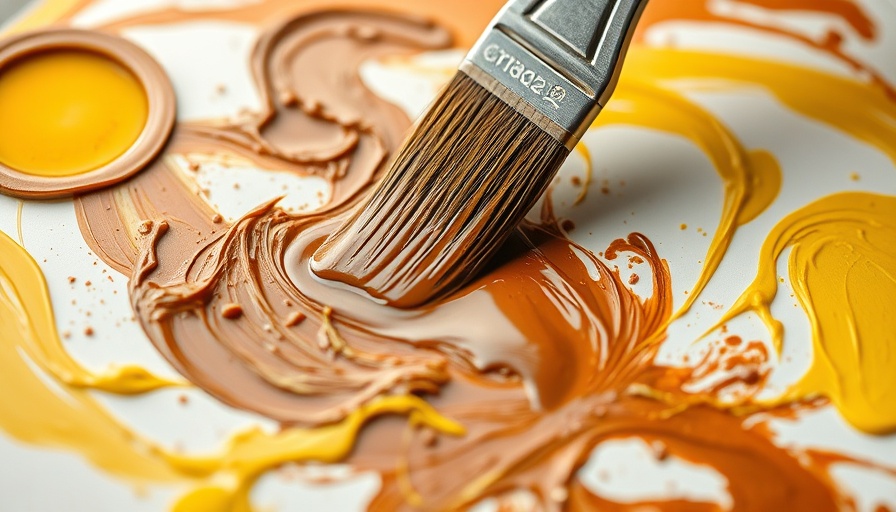
Mixing brown paint on a palette with palette knife.

Mastering the Art of Mixing Custom Brown Paint

Creating your own custom brown paint can be a rewarding task, whether you're a DIY enthusiast or simply tackling a home maintenance project. Understanding the fundamentals of color mixing lays the groundwork for achieving the perfect shade of brown, suitable for furniture, walls, or crafts.

Why Creating Custom Colors Matters

On many occasions, you might find yourself running low on a specific paint color just as you embark on your project. Knowing how to mix your brown paint opens up a world of creative possibilities. Not only does this technique help save time and money, but it also allows you to tailor colors to fit your unique vision. This is especially true for homeowners looking to maintain a consistent aesthetic throughout their living spaces.

The Basics of Color Mixing

To mix brown, you'll need to combine primary colors—red, yellow, and blue. Remember, a fundamental understanding of color theory is essential, as the mix of these basic pigments creates the neutral and earthy tones that define brown. By adjusting the proportions of each color, you can create a variety of brown shades ranging from soft taupe to deep chocolate.

Tools and Materials Needed

For a successful DIY paint mixing experience, gather the following items: a mixing board palette, a painting or putty knife, a plastic spoon, and your selection of paints including red, yellow, blue, black, and white. Having these tools at hand makes the painting process smoother and saves you from making multiple trips to the store.

Step-by-Step Guide to Mixing Brown Paint

  1. Step 1: Gather Your Primary Colors
    Begin with red, yellow, and blue. Use equal parts of each color to start achieving a balanced brown tone.
  2. Step 2: Measure and Mix
    Pour each color into your mixing palette using the plastic spoon, ensuring that each color is in equal proportions. This consistency is key in finding the right balance.
  3. Step 3: Adjust for Desired Shades
    If the brown appears too warm, consider adding a bit of blue to cool it down. Conversely, if it seems too dark, a touch of white can lighten the mix.
  4. Step 4: Test Your Mixture
    It's important to test your blended paint on a small section of your project. This ensures that the resulting color aligns with your expectations before committing to a larger area.

Understanding Color Terms

Familiarity with terms like hue, tint, tone, and shade can significantly enhance your painting experience. A hue is the pure color itself, while a tint is created by mixing in white, making the color lighter. Adding gray creates a tone, and incorporating black yields a shade. These concepts will help you refine your custom brown paint recipes.

Incorporating Handyman Tips for a Better Experience

As you embark on your DIY projects, combining basic handyman tips can elevate your outcomes. Use a proper approach to mixing paints, and don't hesitate to experiment with different base colors. Remember, the goal is to create a uniform and pleasing result suited to your project's needs.

Conclusion: Embrace the DIY Spirit!

Now that you’re equipped with the knowledge to make your own custom brown paint, take on your projects with confidence. Mix and match different shades to find the exact color that will elevate your home or craft project. Don't shy away from being creative!

DIY Home Projects

0 Comments

Write A Comment

*
*
Please complete the captcha to submit your comment.
Related Posts All Posts
03.17.2026

Meet the Women Behind Family Handyman: Inspiring DIY Projects

Update Empowering Homeowners Through DIY This Women’s History Month, we celebrate the innovative and inspiring women at Family Handyman who contribute their skills and knowledge to the DIY community. With a unique blend of backgrounds and perspectives, these women share their passion for home improvement and illustrate how do-it-yourself endeavors can be both personal and profound. Nicole Doster: A Journey from Renting to Homeownership Nicole Doster, the Content Director, reveals that her love for DIY began out of necessity. "After years of renting, homeownership transformed my approach to home maintenance. When something breaks, there's no landlord to call, which pushes us to be proactive. My partner and I always look for safe and reasonable solutions ourselves before involving a professional. This mindset has led us to tackle everything from fixing appliances to upgrading electrical outlets," she notes. For Nicole, DIY isn’t just about repairs but about making a house feel like a home. "Small imperfections become less intimidating when you've created them yourself. Personalizing a space is an empowering experience, and that’s a message we want to share with our audience—a testament to how DIY can enhance your living environment," she adds. Noelle Devoe: From Journals to Home Improvements Noelle Devoe, the Deputy Editor, reflects on her journey from creating handmade journals to mastering home improvement tasks. "Before I bought my house, I experimented with sewing and printing projects. Once I stepped into the realm of homeownership, I realized that my skills could extend beyond crafts to actual home repairs. I'm proud to say I can now handle an electric drill with ease!" Noelle embraces the readily available resources like peel-and-stick products that simplify many DIY projects. "For anyone hesitant about starting their home improvement journey, I always recommend starting small. There's immense satisfaction in completing each individual task, which builds both confidence and skill over time," she advises. Carmen De La Paz: From Flipping Houses to TV Stardom Carmen De La Paz, the Supervising Project Editor, shares an inspiring story about how a desire to save money led her to DIY success. "I initially started DIY to avoid spending too much on repairs. Eventually, I began flipping houses, which attracted clients for their projects. My work led to opportunities in TV, including shows on HGTV and even nominations for Emmys!" Carmen's journey emphasizes the potential that resides within DIY—transforming not only homes but also lives. For aspiring DIYers, her message is clear: "Don't underestimate your skills. Every project you take on adds to your experience, and who knows where it might lead you?" Rebecca Wright: The DIY Emergency Person Rebecca Wright, the Associate Editor, grew up as her father's home repair sidekick. "One of my earliest memories is assisting my dad with a swing set. Those experiences laid the groundwork for my comfort with tools and installations during my growth," she reminisces. Her ongoing DIY passion makes her the go-to person for friends in need, whether it’s fixing a flat tire or managing a power outage. "It’s rewarding to be able to help others solve home emergencies, and it’s fascinating to see the transformation of both people and spaces through successful DIY. Every task is an opportunity for emotional and practical engagement," she notes. Christine Campbell: Inspired by Family Traditions Christine Campbell, an Editor, reflects on her grandfather’s legacy as an artisan woodworker. "Growing up, I was surrounded by the handcrafted treasures my grandpa made. Those memories have fueled my own passion for DIY and writing, allowing me to connect with readers who have similar experiences," she explains. Christine values the stories shared by Family Handyman readers, which can often lead to valuable inspiration for new projects. "Being part of this tradition of creating and repairing is immensely fulfilling, and it's rewarding to see younger generations embrace DIY to construct their heirlooms," she concludes. Why DIY Matters With homeownership on the rise and DIY projects continually capturing public interest, the stories of these women provide valuable lessons in empowerment and creativity. Women like Nicole, Noelle, Carmen, Rebecca, and Christine exemplify how practical skills can improve lives, foster connections, and reinforce a sense of community. As the DIY movement continues to grow, the insights from Family Handyman's women remind us that anyone can take the plunge into home improvement—whether it's a simple nail or a full renovation. After all, the journey of a thousand DIY projects begins with a single step. Take inspiration from these leaders and dive into your own DIY ambitions. Whether you're tackling big or small projects, remember that every effort contributes to a stronger sense of home and personal joy.

03.14.2026

OSB Furniture Revolution: Build Your Own Stylish Coffee Table Today

Update Transforming OSB into Stunning Furniture In the world of DIY home projects, OSB (oriented strand board) often gets overlooked. However, this sturdy and affordable material can transform into beautiful, functional pieces for your home. This article showcases how a simple coffee table can change the perception of OSB, making it a stylish addition to any living space. A Day of Creativity: Building Your Own Coffee Table Building a coffee table out of a single sheet of OSB is not just a DIY project—it's an invitation to unleash your creativity. Taking just a day and costing approximately $75 to $100, this intermediate-level project can reinvigorate your home decor while demonstrating the beauty that OSB has to offer. You don’t need to be a master carpenter; simply follow the step-by-step guide for a successful outcome. Why Choose OSB for Furniture? OSB provides several advantages over traditional wood. Not only is it more environment-friendly due to its composite nature, but it can also be incredibly durable when sealed and finished properly. Enthusiasts of sustainability and cost-effectiveness are increasingly opting for OSB to create eye-catching furniture without breaking the bank. In a time when home improvement projects can quickly become expensive, having an affordable alternative like OSB opens doors for all DIY lovers. Hands-On Tips for Working with OSB Before diving into your project, it’s essential to understand the materials and tools needed. Here's a summary of what you'll need to get started: Tools: A jigsaw, drill/driver, clamps, a random orbit sander, and a miter saw. Materials: One 3/4" x 4' x 8' OSB sheet, brad nails, threaded rods for added support, and polyurethane for finishing. Each step is crucial, from trimming and cutting the boards to crafting the unique corbel design that will elevate your table's aesthetics. Don’t rush the sanding and finishing process, as this will highlight the unique textures of OSB. Common Misconceptions About OSB Many people associate OSB with low-quality and temporary structures, which is a misconception. When sealed and treated correctly, OSB can look stunning and provide a long-lasting addition to your home decor. The finished product can resemble high-end wood, with rich textures and natural hues that add warmth and personality to your living space. Inspiration from Other DIY Projects A blog post by Homegrown Spud showcases a couple who successfully created their own OSB tables. Their experience echoes similar sentiments—OSB can yield beautiful, functional products that fit within one’s desired aesthetic. Choosing this material allowed them not only to save money but also to showcase their unique style. Join the Movement Towards Sustainable Furniture As society becomes increasingly conscious about sustainability, DIY projects with OSB can serve as both a creative outlet and a responsible choice. By selecting materials that are generated through sustainable practices, DIY enthusiasts are contributing to a more eco-friendly lifestyle. Embracing OSB can inspire innovative projects while also providing solutions for modern living—one coffee table at a time. So gather your tools, set aside some time, and start crafting your custom furniture project!

03.12.2026

Unlock Sparkling Clean Sinks: Discover How to Use Dishwasher Tablets!

Update Transform Your Kitchen Sink with This Simple Hack Are you tired of dealing with stubborn sink stains and the endless scrubbing that seems to never yield satisfying results? Here’s a revolutionary solution that could change your cleaning game significantly—dishwasher tablets! This hands-free cleaning hack isn’t just a gimmick; it cleverly utilizes the same technology that keeps your dishes spotless, and you’ll be amazed at the results. The Magic of Dishwasher Tablets Dishwasher tablets are designed to dissolve grime and grease in the high-temperature environment of a dishwasher and they can bring that same efficiency to your kitchen sink. Imagine tossing a tablet in, filling your sink with hot water, and letting the hard work be done for you. It’s a far cry from traditional scrubbing methods that can leave your arms sore and your sink still dirty. Step-by-Step: How to Make Your Sink Shine Here’s how to harness the power of a dishwasher tablet for your sink: Remove all dishes and items from the sink. Insert a drain stopper and fill the sink with hot water. Drop in one dishwasher tablet and allow it to dissolve for about 15 minutes. Let the solution sit for at least two hours or even overnight for tougher stains. Drain, rinse with clean water, and wipe down with a clean towel. This process not only brightens your sink but ensures that the harsh chemicals usually found in household cleaners are circumvented. Considerations Before You Start While the idea is comforting, some precautions are necessary. Not all dishwasher tablets are created equal; look for plastic-free options to prevent plumbing issues. The harsh ingredients in these tablets can irritate your skin and eyes, so wearing gloves is advisable. Avoid using these tablets on delicate surfaces like porcelain or ceramic as they can scratch or dull the finish. Tips for Maintaining Your Sparkling Sink After you’ve achieved shininess, keeping your sink in prime condition is simple: Rinse your sink after each use to avoid food particle buildup. Avoid letting dirty dishes sit for long; clean them promptly. Use a sink strainer to catch debris, and empty it regularly. Taking these small steps can significantly reduce the frequency of deep cleaning. Common Misconceptions and Myths Many people believe that cleaning requires extensive effort and numerous products. However, using a dishwasher tablet proves that a single product can effectively tackle several cleaning jobs around the house. This not only saves time but also reduces clutter in cleaning supplies. Final Thoughts: A Clean Sink, A Happy Home By using dishwasher tablets, you’re not just cleaning your sink; you’re making a statement about ease and efficiency in household maintenance. It’s one small change that can have a dramatic impact on your cleaning routine and overall satisfaction with your kitchen space. So why not give it a try? Next time your sink is in need of some TLC, pop in a dishwasher tablet and let it work its magic. You'll likely find yourself with a brilliantly shining sink and a newfound appreciation for the power of modern cleaning products!

Terms of Service

Privacy Policy

Core Modal Title

Sorry, no results found

You Might Find These Articles Interesting

T
Please Check Your Email
We Will Be Following Up Shortly
*
*
*