Add Row
Add Element
UPDATE
Add Element
  • Home
  • Categories
    • Cleaning & Moving
    • Maintenance / Repairs
    • Remodeling & Construction
    • Landscaping / Outdoor
    • Security & Technology
    • Sustainability, Health & Safety
    • Interiors / Décor
    • Expert Interviews
    • DIY Home Projects
Home Wise News!
Wise Insights, Reliable Contractor Advice & Hands on DIY Know How for Savvy Homeowners
May 08.2025
3 Minutes Read

Why Upgrading Attic Insulation is Essential for Florida Homes

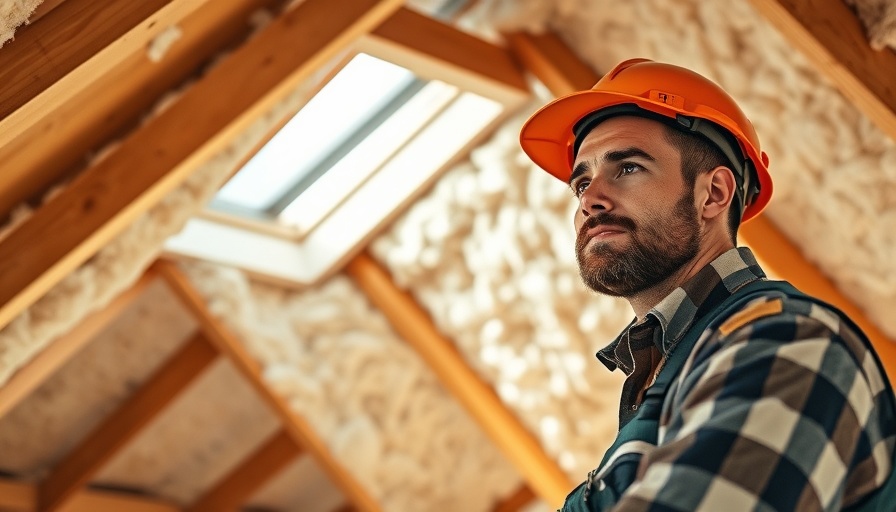
Upgrading attic insulation in Florida with skilled worker.

The Hidden Benefits of Upgrading Your Attic Insulation

In the sunny state of Florida, where the heat can be relentless and humidity often lingers, homeowners face a constant challenge: how to keep their homes cool and comfortable without suffering high utility bills. A frequently overlooked solution is to enhance the insulation in your attic. Upgrading your attic insulation can not only significantly improve your indoor comfort but also lead to substantial energy savings.

Understanding the Importance of Proper Insulation

During the sweltering summer months, improper insulation can allow harmful heat transfer from the roof of your home to the living spaces below. If your attic lacks sufficient insulation, your air conditioning system will work harder than necessary, cycling more often and driving up your energy expenses. Modern insulation materials, known for their thermal resistance capabilities, can serve as an effective barrier against heat gain, thereby reducing strain on your cooling system.

Reducing Air Conditioning Dependency: An Immediate Win

Excessive reliance on air conditioning doesn’t just inflate your electricity bill; it also shortens the lifespan of your HVAC system and increases its carbon footprint. By improving your attic insulation, you can trap cooler air inside while blocking warm air from entering. This leads to better temperature regulation over long periods and minimizes the need for constant running of the AC, creating immediate benefits for your wallet and the environment.

Long-Term Energy Savings That Count

One of the most convincing arguments for upgrading your attic insulation is the long-term energy savings. When your HVAC system doesn’t have to strain to maintain a comfortable temperature, it consumes less energy, resulting in noticeable reductions on your utility bills over time. In Florida, where air conditioning costs can be a large part of monthly expenses, investing in better insulation often pays for itself more quickly than many homeowners expect.

Choosing the Right Insulation Solution

Not all insulation is created equal. Factors such as R-value, air-sealing capabilities, and application method play a crucial role in determining the most effective solution for your home. For attics, spray foam is often recommended due to its superior insulation properties. Meanwhile, blown-in options are effective for topping up existing insulation. It’s essential to tailor your choice to suit your home’s specific needs and regional climate.

Enhanced Comfort and Health Benefits

In addition to energy efficiency, upgraded insulation also leads to improved indoor comfort. Enhanced insulation can help eliminate hot spots and temperature fluctuations, making every room in your house a comfortable retreat. This is especially important for families with young children or elderly residents, who may be more sensitive to extreme temperatures. Furthermore, proper insulation helps combat moisture issues—common in Florida's humid climate—reducing the risk of mold and ensuring better air quality for your household.

In summary, upgrading your attic insulation is a sensible, cost-effective solution to help Florida homeowners stay cool without breaking the bank on air conditioning. Not only does it enhance comfort and reduce energy bills, but it also protects your health and the integrity of your home. Consider making the investment today for a more comfortable tomorrow.

Maintenance / Repairs

0 Comments

Write A Comment

*
*
Related Posts All Posts
03.04.2026

Unpacking the Pricing of Car Insurance Across U.S. States: Save Money Today

Update Understanding Car Insurance Pricing Across the States Car insurance is a critical aspect of vehicle ownership, and understanding the pricing variations can save you significantly. Factors contributing to insurance costs can be complex, influenced by driving records, the type of vehicle, and even road and weather conditions. Here's a look at how these factors play into car insurance rates across different states. Factors Influencing Insurance Premiums When it comes to car insurance, several elements will determine how much you’ll pay: Driving Record: Your history of accidents and claims can significantly affect your insurance costs. Vehicle Type: Sports cars typically have higher rates than sedans due to their increased risk of accidents. Location: The state where you live impacts your premiums. High-traffic areas or states with severe weather may see higher costs. Local Laws: Laws mandating minimum coverage can vary widely from state to state, influencing baseline insurance costs. Market Trends: Economic factors such as inflation and repair costs can also affect premiums. States with the Most Affordable Car Insurance Determining the cheapest car insurance can depend on a variety of factors, but certain states consistently emerge as affordable options. According to recent studies, the states with the lowest average car insurance rates include: Vermont: With an average annual cost of $779, Union Mutual leads the list. Idaho: Travelers offer coverage at $808 annually, making it a solid choice for budget-conscious drivers. Nebraska: American National comes in with a reasonable rate of $900. This data can help consumers know where to look for the best deals on car insurance, potentially saving hundreds yearly. High-Cost States and Their Unique Challenges On the flip side, some states, like Michigan and Florida, are notorious for having higher average insurance rates: Michigan: Known for a complex regulatory environment, drivers face rates around $1,321 annually due to high medical coverage requirements. Florida: Factors like density of uninsured drivers and frequent weather-related incidents contribute to the state's $1,500 average premium. This disparity between states emphasizes the importance of understanding local regulations and risks when selecting car insurance. Choosing the Right Insurance Provider Not all insurance companies offer the same rates, even in the same state. It's essential to shop around and consider multiple quotes. Companies like Progressive, GEICO, and State Farm frequently provide competitive rates across various states. However, ensure to evaluate the fine print—what looks like the best deal might not provide sufficient coverage for your needs. Practical Tips for Lowering Insurance Costs Here are actionable insights to potentially reduce your premiums: Bundle Policies: Consider bundling your car insurance with other types of insurance for discounts. Increase Deductibles: Higher deductibles can lower your monthly premium but ensure you can afford the out-of-pocket costs in case of a claim. Taking Defensive Driving Courses: Some insurers offer discounts for completing recognized defensive driving courses. Implementing these strategies can help in managing your car insurance expenses long-term. Final Thoughts: Navigating Car Insurance Landscape Choosing car insurance that fits your budget can be daunting, but understanding the various factors leading to price variations can arm you with the right information to make educated choices. As you navigate this complex landscape, remember that staying proactive and informed is key to securing the best rates possible. For homeowners looking to bolster their budget and evaluate their overall expenses, understanding and optimizing car insurance is crucial. Remember that shopping around and combining policies can lead to substantial savings. Explore tailored options based on your unique situation to better manage your finances.

03.02.2026

Discover How Smarter Surface Decisions for Homes Enhance Cleanliness

Update Understanding the Importance of Surface Decisions for Your Home When it comes to maintaining a clean and inviting home, the surfaces you choose play a critical role. Homeowners increasingly recognize that material selection impacts not only aesthetics but also maintenance and livability. With busy lifestyles and a focus on ease, the decisions surrounding flooring and wall materials now demand serious consideration. The Hidden Challenges of Grout Grout, though often overlooked, can be one of the significant weak points in tiled areas. This porous material absorbs moisture, grease, and dirt, turning seemingly pristine surfaces into hard-to-clean zones over time. Even with sealing, grout can become discolored or even cracked, particularly in spaces prone to dampness like kitchens and bathrooms. The inconsistency of grout maintenance can lead homeowners to seek alternatives that minimize or eliminate grout lines altogether. Reducing Grout Lines: A Practical Choice The growing trend towards low-grout or grout-free surfaces is largely influenced by the desire for more manageable cleaning routines. When surfaces boast fewer grout lines, there are simply fewer areas for dirt and moisture to collect, which significantly reduces the time and effort needed for regular upkeep. Families that frequently juggle busy schedules can greatly benefit from these surfaces, making everyday cleaning tasks much more straightforward and efficient. Optimal Locations for Low-Grout Surfaces Although low-grout materials can be beneficial throughout the house, their advantages are most apparent in spaces that demand frequent cleaning or are exposed to high moisture levels. Kitchens: Cooking can create a mess, with splashes and spills likely to occur. Choosing surfaces with minimal or no grout allows for easy cleaning, preventing grime accumulation behind appliances and on walls. Bathrooms: With constant exposure to water, bathrooms need materials that resist mildew and discoloration. Grout-free tiles provide a fresher bathroom environment, maintaining style alongside functionality. Living Areas and Entryways: High-traffic zones see dirt and debris accumulate swiftly. Flooring without grout simplifies cleaning, making it much easier to keep these areas tidy. Ideal Materials for Your Home In addition to considering surface style, homeowners should select materials that combine durability with an eye towards easy maintenance. Options like porcelain tile and engineered stone not only look attractive but also stand up well against stains and moisture, ensuring they perform well in the long run. Future Outlook on Surface Materials As technology advances, so too do the options available for homeowners. Innovations in surfacing materials are making it possible to have beautiful, functional spaces that also accommodate the desire for easy cleaning. Expect to see more companies investing in research to develop surfaces that require less upkeep while maintaining an elegant appearance. Actionable Insights for Reduced Cleaning Challenges Homeowners can benefit from looking into materials specifically designed for their homes based on usage patterns and maintenance needs. Exploring options that provide seamless designs can ultimately lead to improved home aesthetics while simplifying cleaning tasks. Strategies include: Researching modern surface solutions that minimize grout lines. Considering the long-term maintenance costs versus initial investment. Consulting with professionals to explore the best materials for individual needs. The Value of Making Smart Material Choices Switching to smarter surface options not only simplifies the cleaning process but elevates the overall living experience in your home. Less time worrying about maintenance allows families to enjoy time spent in their beloved spaces. Plus, as clean surfaces contribute to enhanced indoor air quality, these decisions positively affect health as well. Conclusion: Your Next Steps Incorporating smarter surface decisions for your home is not just about aesthetics; it's about choosing the right materials that will serve your family well in the years to come. By embracing these innovative options today, you’re paving the way for a cleaner, healthier home tomorrow. What are you waiting for? Explore these smarter surfaces and transform your living space into a haven of comfort and cleanliness.

03.02.2026

Why Home Maintenance is Critical for Long-Term Structural Health

Update The Hidden Cost of Neglect: Why Home Maintenance is Essential for Structural Integrity Homeowners often overlook routine home maintenance, dismissing it as a set of chores to tackle only when problems arise. However, understanding the critical link between consistent home upkeep and the long-term structural health of your house can save you significant time and money. This article explores the many facets of home maintenance, demonstrating its value over the lifespan of your property. Understanding the Key Components of Home Maintenance Proactive home maintenance acts like health check-ups for your property, allowing you to catch minor issues before they escalate. Experts agree that regular inspections of your roof are essential. Since the roof is vital for protecting your home from the elements, it’s crucial to have a professional inspect it at least once a year. This preventative measure not only preserves the roof’s integrity but also provides documentation that could be important for insurance claims or when selling your home. The Importance of Gutter Cleaning: Preventative Measures Against Major Issues Gutters play a pivotal role in directing rainwater away from your property; clogged gutters can lead to water pooling at the base of the house. Such accumulation increases hydrostatic pressure on the foundation, leading to cracks and more serious structural issues. Regular gutter cleaning—ideally every season—can prevent these complications and prolong the life of your home’s foundation. Moisture Control: The Overwhelming Peril Water can be both a vital helper and detrimental foe. While essential for life, moisture when unmanaged can cause significant structural damage, leading to issues like mold, rotting wood, and weakened foundations. Implementing moisture control means paying close attention to areas not always in plain sight—like windows and HVAC ducts—which are often neglected until it’s too late. Simple inspections and timely sealant applications can stave off many moisture-related issues. Choosing the Right Materials: A Step Towards Longevity Selecting high-quality, durable materials for home construction is crucial. For instance, while poorly maintained cedar roof shingles may last only 20 years, with proper care, they can endure up to 40 years. Considering options like composite shingles or hurricane-grade windows can offer enhanced longevity against weather extremes, keeping your home secure. Future Trends in Home Maintenance: Sustainability Matters As homeowners become more eco-conscious, there's a significant shift towards sustainable materials and maintenance practices. From energy-efficient HVAC systems to green building materials that stand up to the test of time, investing in sustainability can improve your home's efficiency while protecting its structure. Managing Water: The First Line of Defense Against Structural Damage Water management extends beyond gutters; it encompasses the grading around your home’s foundation. Ensuring the ground slopes away from the house can prevent pooling water and substantial damage to the foundation. Regular inspections should include checking for proper drainage to protect against unforeseen expenses associated with major repairs. The Role of Professional Inspections: Restoring Confidence in Your Home Even with regular maintenance, homeowners sometimes face hidden issues. That’s where professional inspections become invaluable. Engineers and home inspectors can identify warning signs of structural dilemmas before they manifest into costly repairs, providing peace of mind regarding your home’s safety and durability. Making Informed Decisions: Choosing the Right Time for Repairs It’s crucial to decide when to undertake repairs, as neglect can exacerbate issues. For instance, ignoring a small crack in a wall could lead to untreated damage, ultimately requiring expensive structural repairs down the line. Being proactive doesn’t just save money; it protects your home’s overall integrity. Conclusion: Protect Your Investment with Proactive Home Maintenance Understanding the direct connection between home maintenance and structural integrity empowers homeowners to make informed decisions greatly affecting their property’s lifespan. Schedule regular inspections and embrace preventative measures. By doing so, you enhance your home’s value, safety, and longevity. For further support in maintaining your home, consider expert assistance for inspections or repairs when needed—your home deserves the best care possible.

Terms of Service

Privacy Policy

Core Modal Title

Sorry, no results found

You Might Find These Articles Interesting

T
Please Check Your Email
We Will Be Following Up Shortly
*
*
*