Add Row
Add Element
UPDATE
Add Element
  • Home
  • Categories
    • Cleaning & Moving
    • Maintenance / Repairs
    • Remodeling & Construction
    • Landscaping / Outdoor
    • Security & Technology
    • Sustainability, Health & Safety
    • Interiors / Décor
    • Expert Interviews
    • DIY Home Projects
Home Wise News!
Wise Insights, Reliable Contractor Advice & Hands on DIY Know How for Savvy Homeowners
August 09.2025
2 Minutes Read

Why You Can Safely Ignore Those Threatening DMV Texts

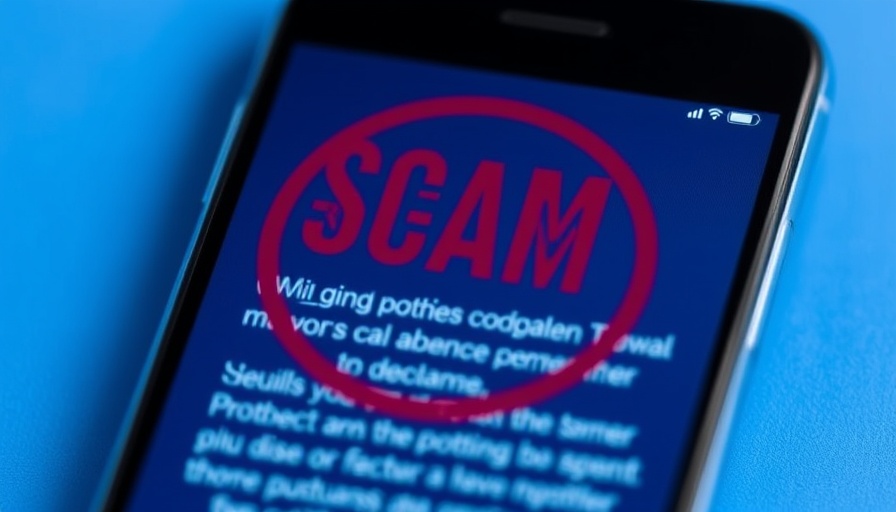
DMV scam text warning on smartphone screen.

Beware of DMV Scam Texts: What You Need to Know

In today's digital age, scams are alarmingly prevalent, and one of the latest traps involves threatening text messages purporting to be from your local DMV. These fraudulent texts can alarm even the most savvy individuals by claiming you have unresolved issues, potentially leading to dire consequences like license suspension. Understanding how to discern a scam from a legitimate communication is essential for protecting your personal information and financial well-being.

Understanding the DMV Scam Texts

The text messages reported often convey alarming messages about unaddressed problems with your driving record. Scammers often utilize fear tactics to compel recipients into taking hasty actions. According to experts, these messages typically highlight threats of license suspension or fines, and they may provide links to misleading websites designed to extract personal financial details.

Identifying Red Flags in Scam Texts

Recognizing the characteristics of questionable messages can keep you from falling into the scammer's trap. Here are key signs to watch for:

  • Source Verification: If the text claims to be from your state’s DMV, always cross-check by visiting the official DMV website or contacting them directly.
  • Threatening Language: Be wary of threatening verbiage regarding enforcement actions or fines. Legitimate DMVs do not issue payment demands or violations through text messages.
  • Suspicious Links: Genuine organizations will not ask you to enter sensitive information via unsecured links sent via text.
  • Inconsistencies: Check for spelling errors or odd phrasing which often indicate a scam.

What to Do If You’ve Already Engaged

In the event that you've interacted with these scam texts, prompt action is crucial. First, contact your bank to alert them about potential fraudulent activity. This allows them to safeguard your accounts against unauthorized transactions. Additionally, keep an eye on your financial statements for any suspicious activity and consider freezing your credit to prevent identity theft. Reporting the incident to law enforcement and the Federal Trade Commission at reportfraud.ftc.gov can also assist in capturing these scammers.

Broader Implications: Why This Matters

Scams like these not only affect individual victims but also strain resources in law enforcement and consumer protection agencies. Understanding and sharing knowledge about these deceptive practices helps foster an informed community capable of resisting and reporting malicious actions.

Conclusion: Stay Vigilant and Protect Yourself

As residents navigate the complexities of driving regulations and vehicle registrations, it is imperative to stay vigilant against scams. Knowing how to spot suspicious communications empowers consumers—allowing them to protect their financial interests. As a homeowner interested in DIY projects or home maintenance, ensuring your safety goes beyond home repairs; maintaining secure personal information is equally critical in today's interconnected world.

In this age of information, knowledge is your best defense. If you receive any text messages that seem dubious, validate their authenticity. It might save you a significant amount of trouble down the road.

Security & Technology

Write A Comment

*
*
Related Posts All Posts
01.19.2026

Unplugging Chargers: The Simple Habit That Saves Money and Energy

Update Your Chargers Are Always Hungry: The Myth of Unplugging Most of us think of chargers as passive devices—merely tools that transfer power from outlet to device. But living in the energy-efficient age means reconsidering what life might look like when we unplug our chargers when not in use. You might think it’s no big deal; after all, it’s just a charger. But what if I told you leaving them plugged in could be costing you money on your energy bill? And that’s just the tip of the iceberg. Understanding the Energy Drain: What We Call 'Vampire' Energy Also known as phantom load, the term 'vampire energy' describes energy consumed by appliances even when they are turned off. Similarly, chargers consume energy when they are plugged in, even if they aren’t connected to a device. Just imagine! While you’re out enjoying life, your idle chargers are sipping energy like a coffee-loving vampire at a café. According to electrician Barret Abramow, “A single charger might draw only 0.1 to 0.5 watts, but multiply that across numerous devices and it leads to wasted electricity.” Over time, those small increments begin to add up, impacting both your wallet and the environment. The Hidden Risks: Fire Hazards and Equipment Longevity According to experts, keeping chargers plugged in when they aren’t in use can also present a fire risk. Low-quality chargers are especially susceptible to overheating. “I’ve seen outlets scorched or short-circuited by cheap chargers that can malfunction,” warns Abramow. In addition to the fire danger, you might also be shortening the lifespan of your charger due to constant exposure to power fluctuations. It’s pure common sense; unplug to save energy, reduce risk, and even improve the longevity of your devices. Goodbye to Bad Habits: Unplugging Made Easy While knowing the importance of unplugging your chargers is one thing, forming the habit might be another! Fear not; you can make this newfound wisdom a seamless part of your daily routine. Here are a few practical tips: Create a charging station: Gather your chargers in one location. This can drastically streamline your unplugging routine. Use energy-efficient chargers: These minimize phantom energy use, making it easier to forget about unplugging. Educate your household: Share the knowledge about the benefits of unplugging to create a group effort and shared responsibility. Incorporate smart plugs: Use smart plugs or timers that automatically turn off chargers when not needed. The verdict? Constant exposure to electricity can degrade the internal components of a charger over time. Making a habit of unplugging not only saves you money but also contributes to energy conservation. It’s More Than Just Money: Environmental Impact Matters While many focus on savings, unplugging chargers also bears a crucial environmental impact. The lesser energy we consume reduces the demand on power plants, which in turn lessens greenhouse gas emissions. By adopting energy-efficient habits—no matter how small the action may seem—we all can contribute to a larger collective effort for planet sustainability. Wrapping Up: The Simple Yet Effective Change You Can Make In an age where every bit of energy counts, choosing to unplug your chargers when they're not in use isn’t just a wise financial decision; it’s a lifestyle choice that contributes to a sustainable future. With minimal effort, you can lower your energy bills, reduce fire hazards, and even extend the lifespan of your devices. So, don’t let your chargers be energy vampires; take control and unplug! Let’s not forget that every small action, when combined, can create a significant impact. Now that you’re aware of the benefits of unplugging your chargers, make this a daily habit. Together, let’s conserve energy and work towards a greener future!

01.17.2026

Verizon's $20 Credit for Customers: A Response to Recent Outages

Update Verizon's Unexpected Outage and Customer Compensation Following a significant cell service outage that left many Verizon customers stranded for roughly ten hours, the company is extending a $20 credit to those affected. The outage served as a stark reminder of how heavily we rely on mobile connectivity for communication, coordinating daily activities, and more. While this compensation is hailed as acknowledgment of the inconvenience, it naturally raises questions about what led to such widespread issues and whether $20 is sufficient recompense for the hassle. Understanding the Impact of the Outage Verizon's outage, which reportedly impacted millions, led to a flood of customer reports, with over 2 million incidents logged on outage tracking platforms. During this period, many users experienced their phones displaying 'SOS' or 'no network' status—both frustrating indicators in our highly connected world. Interestingly, while Verizon's networks faltered, competitors like AT&T and T-Mobile capitalized on the opportunity, boasting their uninterrupted services on social media. This incident amplifies the competitive dynamics among mobile network providers, showing how service reliability can influence consumer choices. How to Claim Your Credit Reward To receive the $20 credit, affected customers must navigate through the My Verizon app. After logging in, a simple click on 'Accept' will prompt the credit to be added to their account. Verizon has assured customers that they will also receive a text message with detailed instructions on redeeming this credit, emphasizing the importance of acting promptly. Yet, there was ambiguity as to whether this credit would be reflected on their next bill or if it would take longer to process, leaving many customers puzzled. Possible Reasons Behind the Network Failure As of now, Verizon has not disclosed the exact cause of the outage, which fuels speculation among both tech enthusiasts and regular users alike. Such significant outages are reminders of how reliant we are on telecommunications infrastructure. Historical analogies to past outages faced by competitors, like AT&T's own service disruption in February 2024, underscore that service interruptions can occur at any provider. This context helps illustrate that no network is immune to technical difficulties, though customer assurances can make a significant difference in public perception. What This Means for Consumers The provision of a $20 credit is notable, as it aims to maintain customer loyalty in a highly competitive market. For many, this amount may only represent a fraction of their monthly bill, leading to mixed feelings about its value. Nonetheless, it does highlight an important takeaway for consumers. It emphasizes the continual importance of monitoring the reliability of service providers, not just for price considerations but also based on the quality of service delivered consistently. Future Prospects for Verizon and Its Users In the wake of the outage, it will be critical for Verizon to restore customer confidence. This $20 credit serves as a starting point, but the company will need to clarify what preventive measures are being adopted for the future. Additionally, acknowledging customer feedback and potentially instituting more significant restorative actions could be vital in improving user trust. As tech becomes more integral to daily life, we can expect that similar incidents will continue to influence customer retention strategies—transforming how telecom companies approach reliability and customer service moving forward. A Call to Stay Informed and Engaged For those embarking on home repairs or DIY projects, it's essential to keep abreast of the technological tools available to us. As recent events with Verizon show, tech in our lives, whether regarding communication or necessary home maintenance, can sometimes let us down. Educating yourself on the best practices for home maintenance and being informed about the products at your disposal can make all the difference in ensuring your projects go smoothly. As you prepare for your next home improvement or maintenance project, consider utilizing tools and resources that equip you with the knowledge needed to tackle challenges effectively. Whether it’s understanding your tools, knowing when to call in a handyman, or handling repairs yourself, possessing the right information is invaluable.

01.13.2026

Video Doorbell Footage: Know the Legal Risks Before You Share

Update Understanding the Legal Landscape of Video Doorbells Video doorbells are becoming increasingly ubiquitous, offering enhanced security for homeowners. However, many users are unaware of the legal ramifications that accompany their use. It’s vital to understand the laws surrounding filming, storing, and sharing video footage to avoid unintentional legal problems. Is It Legal to Film and Store Doorbell Footage? The legality of filming and storing video footage from doorbell cameras varies by jurisdiction. According to attorney Hugo Rodriguez, in Florida, homeowners can film their property’s exterior without legal issues—but filming inside a neighbor’s home could lead to complications. Most states, except for a few like California, typically only require one party's consent to record a conversation. Conversely, Florida mandates that all parties must consent if a private conversation is involved. How Long Can You Store Your Video Footage? If footage is captured legally, users are generally not required to delete it within a specific timeframe. However, local laws may impose certain storage requirements, so homeowners should verify regulations in their area. It's advisable to keep stored videos only for as long as necessary and to consider the implications of sharing them. When Is Sharing Footage Legal? Sharing video doorbell footage can lead to serious legal pitfalls. If the footage identifies individuals, it may lead to defamation or invasion of privacy claims. According to attorney Robin D. Perry, users should be cautious when sharing footage online, particularly if it involves identifiable subjects. Videos that are recorded unlawfully or contain private conversations should not be shared at all. The Risks Involved with Sharing Video Footage Users may underestimate the risks associated with sharing their video footage: Civil Lawsuits: Even if a homeowner has not broken any laws, individuals captured in videos might file lawsuits for various reasons, including embarrassment. Housing Agreements: Review leasing or HOA agreements before recording or sharing footage, as violating these terms could lead to further complications. Reputational Damage: Publicly sharing footage, particularly on social media, can result in unintended consequences. Viral videos might not only embarrass individuals but could also lead to retaliation or lawsuits. Legal Examples and Precedents Doorbell cameras have found themselves at the center of various lawsuits. One notable instance involved Ring, which faced legal action for not disclosing monthly service fees and mishandling customer data, suggesting that even ethical usage can lead to complex legal situations. Best Practices for Video Doorbell Users To protect yourself and abide by the law, here are some best practices for video doorbell users: Consult local laws and regulations related to recording and privacy. Consider notifying visitors or neighbors about the presence of a camera. Avoid sharing footage online, especially if it could identify individuals. Regularly update your software and passwords to safeguard against data breaches. Conclusion: Know Before You Share While video doorbells add a layer of convenience and security, homeowners must navigate a complex landscape of laws pertaining to privacy, consent, and the sharing of recorded footage. As these devices evolve, so too will the legal parameters surrounding them. Always stay informed and err on the side of caution to avoid potential legal problems.

Terms of Service

Privacy Policy

Core Modal Title

Sorry, no results found

You Might Find These Articles Interesting

T
Please Check Your Email
We Will Be Following Up Shortly
*
*
*