
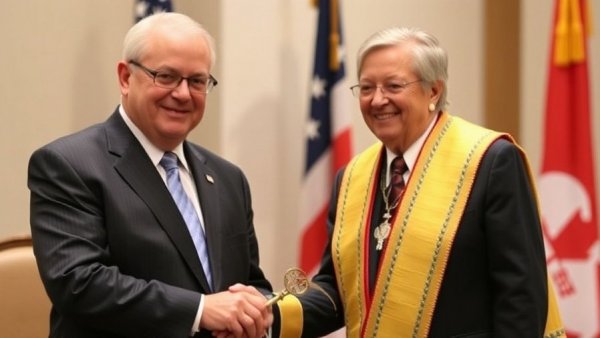
Unlocking the Symbolism Behind the Key to the City
Receiving a Key to the City may seem trivial—a mere token presented by local officials during ceremonies. However, the significance of this award embodies a deep-rooted tradition within civic recognition that honors outstanding contributions to the community. While the oversized ceremonial key often garners applause and photos, it represents something far more substantial than the embellishment itself. Civic leaders bestow these keys as a symbol of appreciation and acknowledgment for individuals whose efforts positively affect the city's citizens.
A Historical Perspective on Civic Keys
The origins of the Key to the City can be traced back to medieval times when fortified cities would lock their gates as night fell. The handover of a key signified trust—granting the recipient freedom to enter and exit at will. During significant periods, such as military surrenders, keys would often be exchanged to symbolize a peaceful transition of power. As the centuries progressed, this tradition evolved into a token of honor, reflecting a city’s gratitude to its honorees—be they prominent athletes, local heroes, or distinguished citizens.”
Who Receives a Key and Why?
The criteria for receiving a Key to the City vary widely from one location to another. For instance, in Philadelphia, the award is given to individuals who have made significant contributions to fostering career opportunities for the youth. In contrast, Elk Grove, California, honors military personnel and acts of heroism, showcasing the local values and history. Each city has different criteria, with some allowing community members or councils to nominate deserving individuals. It helps to establish a sense of ownership and pride among residents. While often awarded by mayors, some cities involve community members or councils in the selection process. Recipients enjoy the prestige of recognition but do not gain any special privileges—yet the real value lies in the respect and acknowledgment from their community.
Beyond the Ceremony: The Emotional Impact
While a Key to the City is primarily a ceremonial gesture, its emotional significance transcends the physical token itself. Honorees often feel a profound sense of belonging and acknowledgment, reinforcing their connection to the community. This award serves as a reminder of their contributions to improving the lives of others, acting as a motivational force for continued civic engagement. From local volunteers making a difference to celebrities drawing attention to important causes, each awarded key adds another layer of connection within the city's fabric.
Cultural and Community Benefits
Keys to the City ceremonies often encourage a sense of community pride. These events bring together residents, local leaders, and the media, creating a celebratory atmosphere that fosters unity. Through the acknowledgment of honorees' achievements, communities can highlight their values and foster a culture of recognition and appreciation. This public affirmation can lead to increased civic engagement, as residents are inspired to contribute positively to their neighborhoods, whether through volunteering, local initiatives, or attending public meetings. Additionally, it reinforces the importance of community support systems, as honorees often inspire others to take action and get involved in their own ways.
Future Trends: Evolving the Tradition
As cities evolve and the landscape of recognition changes, the concept of what a key to the city represents may also shift. For example, New York City in 2010 embraced a more innovative approach with a public art project that allowed individuals access to specific locations—essentially giving them "keys" to the city in a newly inspired manner. Such initiatives open a discussion about accessibility and inclusion in urban areas, providing a modern twist on the traditional key, and expanding the meaning and impact of the concept itself. As these ceremonies adapt in response to modern values and technological advancements, we may see creative interpretations of the key that highlight contemporary issues while maintaining the essence of appreciative recognition.
Conclusion: The Lasting Legacy of the Key to the City
While it may appear as a simple token, the Key to the City encompasses rich traditions and valuable community connections. It serves to honor those who strive to enhance their cities, building a legacy that inspires others to contribute. Each ceremony of handing over the Key to the City symbolizes not only the recognition of personal achievements but also a collective pride in the community. So, the next time you see someone receive this special honor, remember, there’s far more behind it than meets the eye.
Whether you are involved in local governance, community service, or simply appreciate the stories that define your city, understanding the Key to the City tradition enriches our appreciation for those around us. Take a moment to celebrate your local heroes and become involved in making your own community shine. By recognizing and valuing the contributions of individuals within the community, we not only uplift those who work hard for change but also set the stage for future generations to engage and take charge of their civic roles.






Write A Comment