
• Home
  • Categories
    • Cleaning & Moving
    • Maintenance / Repairs
    • Remodeling & Construction
    • Landscaping / Outdoor
    • Security & Technology
    • Sustainability, Health & Safety
    • Interiors / Décor
    • Expert Interviews
    • DIY Home Projects
Home Wise News!
Wise Insights, Reliable Contractor Advice & Hands on DIY Know How for Savvy Homeowners
November 17.2026
5 Minutes Read

Unveil Chilling Stories: Our Favorite Thriller Books of All Time

Collage of top thriller book covers with bold text overlay.

Chilling Thrills Await: Top Thrillers to Dive Into

Thriller books have a unique way of capturing our imagination and keeping us at the edge of our seats. The sheer excitement of uncovering a mystery or unraveling a plotted suspense is unparalleled. With countless titles to choose from, we’ve sifted through extensive recommendations to bring you a curated list of the best thrillers you won’t want to miss. Each book selected has been praised not only for its storytelling but also for the emotional resonance it holds within its pages.

Why Thrillers Speak to Readers

The allure of thriller novels lies in their ability to transport us into intense scenarios filled with unpredictable turns. From psychological tension to dark secrets, these stories reflect profound human experiences and emotions. They resonate with readers, offering not just entertainment but also a safe space to explore fear, anxiety, and intrigue. Whether you're seeking a quick page-turner or an in-depth character study, thrillers don’t disappoint. This genre allows readers to experience adrenaline-pumping excitement without any real-life risks, enabling a thrilling escape from everyday monotony.

Incredible Picks from the Masters of Suspense

Our love for thrillers led us to explore various authors, each bringing their unique storytelling flair. Below is a selection from Sherry and John's top ten favorites that you simply cannot miss:

  1. Wrong Place, Wrong Time by Gillian McAllister - A gripping tale that forces a mother to relive the moments leading up to a crime she desperately seeks to prevent. This concept of time loops intertwines with emotional turmoil, making it a standout.
  2. Firekeeper’s Daughter by Angeline Boulley - This tackles complex issues while providing thrilling undercover action. It ultimately reveals truths about family, identity, and resilience that resonate deeply with young adults and provides a lens on cultural issues.
  3. The Push by Ashley Audrain - A suspenseful examination of motherhood, where trust and relationships are put to the ultimate test. The narrative creates an unsettling environment that challenges notions of love and loyalty.
  4. Strange Sally Diamond by Liz Nugent - Follow the riveting story of an isolated woman whose past and present collide in astonishing ways. The excellent characterization guarantees that you will become emotionally invested in Sally’s fate.
  5. The Perfect Marriage by Jeneva Rose - A legal thriller that will keep you guessing about accountability and betrayal. This fast-paced plot propels the reader forward with each unexpected twist.
  6. Local Woman Missing by Mary Kubica - A captivating narrative that spans years and reveals shocking truths with every chapter. The dual timelines enhance the suspense, making it even more complex and intriguing.
  7. The Night She Disappeared by Lisa Jewell - Combining mystery with thriller elements, this novel promises a compelling journey through time and memory, capturing the fragility of relationships and human connection.

Each of these books offers a rich tapestry of characters and plots that are deserving of your attention. By blending personal insights and brief summaries, it’s easier for you to select which ones pique your interest.

Thriller Authors: A Closer Look

When digging deeper into the world of thrillers, it helps to appreciate the masters behind the words. Authors like Gillian McAllister, known for her psychological intricacies, create narratives that challenge perceptions and reality. Angeline Boulley’s adept storytelling and incorporation of cultural nuances in her plots provides readers with relatable experiences intricately tied to suspense. Other noted authors also craft immersive stories that have transformed the thriller landscape, such as the gripping styles of Tana French and Lisa Jewell, both celebrated for their intricate narratives and character-driven plots. Their ability to evoke emotion and tension leaves readers eagerly awaiting their next release.

Thrillers’ Cultural Impact and Lessons

Thriller novels often reflect broader societal issues, creating a narrative bridge between fiction and real-world implications. They foster dialogue about justice, morality, and motivation. These books enable readers to sift through complicated themes such as mental health, societal expectations, and family dynamics. As you explore these stories, you may find yourself pondering deeper themes while also indulging in the excitement of the plot twists. Not only do they develop suspense that keeps you guessing, but they also encourage critical thinking about the circumstances that drive characters to their extreme choices.

Page-Turning Techniques to Enhance Your Reading Experience

If you’re gearing up to dive into your next thriller, consider these techniques to elevate your engagement:

  • Annotate as You Read: Jotting down thoughts or predictions enhances retention and sparks discussion later. Make margin notes or highlight sections that intrigue you.
  • Join a Book Club: Sharing insights with others can amplify the experience and create a community around the books you love. Engaging with diverse perspectives can provide fresh insights into the plot and character development.
  • Read Reviews: Post-reading reflections help in grasping the book’s themes and potential implications you might have missed. Platforms like Goodreads can also provide excellent recommendations based on your favorite thrillers.
  • Follow Author Interviews: Gaining insights into the author’s creative process can deepen your appreciation for their work and may give you foresight into their future titles.

Explore the Thrills of Your Local Bookstore

There’s something quintessentially satisfying about browsing through the shelves of your local bookstore. Supporting local businesses not only fuels the economy but also fosters a sense of community. As a bonus, local bookstores often host events or book clubs that align with your literary interests, turning your reading pursuit into a social experience! Participating in these gatherings not only enhances your connection with literature but also helps you meet fellow enthusiasts who share your passion.

Why These Recommendations Matter

Each title listed above embodies the essence of thrillers: they are thought-provoking, gripping, and memorable. Understanding and enjoying these selections can enrich your reading experience and provide insightful discussions with fellow book lovers. Whether losing yourself in a psychological twist or navigating a suspenseful plot, these books deliver adrenaline and reflection.

As you venture into this thrilling literary territory, remember that the stories you choose to embrace will not only entertain you but may also encourage thoughtful reflection about everyday complexities. Thrillers serve as both an escape and a contemplation of our realities, providing a perfect blend of entertainment and introspection.

So, gather your list, get comfortable, and prepare for some stunning twists and turns. Don’t miss out on these captivating reads!

Extra News

0 Comments

Write A Comment

*
*
Please complete the captcha to submit your comment.
Related Posts All Posts
11.18.2026

Discover What the Key to the City Symbolizes for Community Heroes

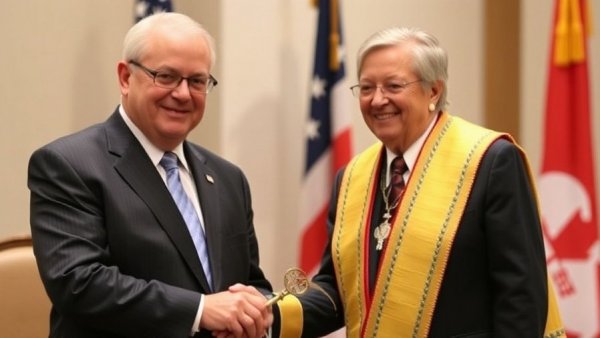
Update Unlocking the Symbolism Behind the Key to the City Receiving a Key to the City may seem trivial—a mere token presented by local officials during ceremonies. However, the significance of this award embodies a deep-rooted tradition within civic recognition that honors outstanding contributions to the community. While the oversized ceremonial key often garners applause and photos, it represents something far more substantial than the embellishment itself. Civic leaders bestow these keys as a symbol of appreciation and acknowledgment for individuals whose efforts positively affect the city's citizens. A Historical Perspective on Civic Keys The origins of the Key to the City can be traced back to medieval times when fortified cities would lock their gates as night fell. The handover of a key signified trust—granting the recipient freedom to enter and exit at will. During significant periods, such as military surrenders, keys would often be exchanged to symbolize a peaceful transition of power. As the centuries progressed, this tradition evolved into a token of honor, reflecting a city’s gratitude to its honorees—be they prominent athletes, local heroes, or distinguished citizens.” Who Receives a Key and Why? The criteria for receiving a Key to the City vary widely from one location to another. For instance, in Philadelphia, the award is given to individuals who have made significant contributions to fostering career opportunities for the youth. In contrast, Elk Grove, California, honors military personnel and acts of heroism, showcasing the local values and history. Each city has different criteria, with some allowing community members or councils to nominate deserving individuals. It helps to establish a sense of ownership and pride among residents. While often awarded by mayors, some cities involve community members or councils in the selection process. Recipients enjoy the prestige of recognition but do not gain any special privileges—yet the real value lies in the respect and acknowledgment from their community. Beyond the Ceremony: The Emotional Impact While a Key to the City is primarily a ceremonial gesture, its emotional significance transcends the physical token itself. Honorees often feel a profound sense of belonging and acknowledgment, reinforcing their connection to the community. This award serves as a reminder of their contributions to improving the lives of others, acting as a motivational force for continued civic engagement. From local volunteers making a difference to celebrities drawing attention to important causes, each awarded key adds another layer of connection within the city's fabric. Cultural and Community Benefits Keys to the City ceremonies often encourage a sense of community pride. These events bring together residents, local leaders, and the media, creating a celebratory atmosphere that fosters unity. Through the acknowledgment of honorees' achievements, communities can highlight their values and foster a culture of recognition and appreciation. This public affirmation can lead to increased civic engagement, as residents are inspired to contribute positively to their neighborhoods, whether through volunteering, local initiatives, or attending public meetings. Additionally, it reinforces the importance of community support systems, as honorees often inspire others to take action and get involved in their own ways. Future Trends: Evolving the Tradition As cities evolve and the landscape of recognition changes, the concept of what a key to the city represents may also shift. For example, New York City in 2010 embraced a more innovative approach with a public art project that allowed individuals access to specific locations—essentially giving them "keys" to the city in a newly inspired manner. Such initiatives open a discussion about accessibility and inclusion in urban areas, providing a modern twist on the traditional key, and expanding the meaning and impact of the concept itself. As these ceremonies adapt in response to modern values and technological advancements, we may see creative interpretations of the key that highlight contemporary issues while maintaining the essence of appreciative recognition. Conclusion: The Lasting Legacy of the Key to the City While it may appear as a simple token, the Key to the City encompasses rich traditions and valuable community connections. It serves to honor those who strive to enhance their cities, building a legacy that inspires others to contribute. Each ceremony of handing over the Key to the City symbolizes not only the recognition of personal achievements but also a collective pride in the community. So, the next time you see someone receive this special honor, remember, there’s far more behind it than meets the eye. Whether you are involved in local governance, community service, or simply appreciate the stories that define your city, understanding the Key to the City tradition enriches our appreciation for those around us. Take a moment to celebrate your local heroes and become involved in making your own community shine. By recognizing and valuing the contributions of individuals within the community, we not only uplift those who work hard for change but also set the stage for future generations to engage and take charge of their civic roles.

10.31.2026

Heart Attack Snow: Essential Safety Tips for Winter Shoveling

Update Understanding Heart Attack Snow: The Hidden Risks When winter blankets our surroundings in snow, the landscape can look picturesque. However, shoveling snow is not just a simple chore; it can become a serious health hazard, particularly when it comes to what experts call "heart attack snow." This refers to heavy, wet snow that increases the physical strain on your heart, especially during snow removal efforts. For those living in snowy regions, understanding the risks associated with heart attack snow is crucial for preventing potential emergencies. What Makes This Snow So Dangerous? Heavy, wet snow is particularly perilous because of its high water content, which makes it weigh significantly more than dry, powdery snow. Each shovelful can weigh several times more, translating to a greater physical workload when lifting the shovel. This added weight can lead to elevated heart rates and blood pressure as your body works harder to handle the load. According to the American Heart Association, the situation worsens in cold temperatures as blood vessels narrow, thereby putting more strain on the heart. This combination can prove fatal if precautions aren't taken. Individuals with existing cardiovascular risks—including sedentary lifestyles, obesity, and prior heart issues—are especially vulnerable in these conditions. The risks of heart attack or sudden cardiac arrest can escalate dramatically during this physically demanding task, emphasizing the importance of a strategic approach to snow shoveling and proper preparation. Identifying the Risk Factors Statistics reveal that many individuals may overlook their heart health during winter months. The American Heart Association emphasizes that, apart from those with existing heart conditions, individuals with risk factors such as high cholesterol, diabetes, and a history of smoking should be particularly cautious. Recognizing these risk factors can help prompt individuals to seek alternatives for snow removal or take preventative measures before hitting the shovel. It’s also important to remember that snow shoveling can be risky for people who may be elderly or have physical limitations. Enlisting the help of younger family members or neighbors can make snow shoveling safer and more manageable. Snow Shoveling Safety Tips Before you step outside, warm up indoors and consider stretching to minimize injuries. Simple stretches focused on the arms, back, and legs can prepare your body for the effort ahead. Dress in layers, which can help regulate your body heat and prevent overheating as you work. Staying hydrated is important, even if you don't feel thirsty, as cold weather can mask your body's dehydration signals. While shoveling, push snow rather than lifting it whenever possible, as pushing snow places less strain on your heart. If lifting is necessary, opt for smaller loads and take frequent breaks to reduce the overall strain on your body. Utilizing a snow blower can significantly alleviate the physical demand involved in snow clearing. However, be mindful that operating a snow blower still requires physical effort and concentration. Taking care of your walking surfaces is crucial; ensure that de-icing agents such as rock salt or sand are readily applied to prevent slipping and related injuries. This simple measure can help to keep you safe as you navigate walkways during snowy conditions. Symptoms to Watch For Knowing how to identify signs of a heart attack is vital while engaged in physically demanding tasks like snow shoveling. Symptoms can manifest differently for different individuals but typically include chest pain, shortness of breath, dizziness, and discomfort radiating to the arms, back, or jaw. If you or someone else begins experiencing any of these symptoms, it’s critical to stop shoveling immediately and seek emergency medical help. Early intervention can be lifesaving. The Importance of Community Collaboration During Winter For individuals, especially those with heart concerns, sharing snow removal duties can significantly mitigate risk. Consider organizing neighborhood snow removal efforts, where tasks can be divided among several hands. Such arrangements not only reduce workload but also foster community spirit during harsh winter periods, creating a sense of camaraderie and bringing neighbors together. Forming groups or rosters to handle snow removal can ensure that no one person bears the entire burden, reducing both the physical strain and the associated risks. Final Thoughts: Know Your Limitations Winter may bring beautiful landscapes, but it also requires a keen awareness of the potential health risks. Heart attack snow presents real dangers that should not be underestimated. Prioritizing safety through strategic practices and community efforts can turn a Sisyphean task into a manageable one, ensuring that everyone remains healthy amidst the snow. As you prepare for winter's snowfall, remember these essential tips on safety and wellbeing. Take a proactive approach to your health and snow clearing. By combining awareness, community support, and practical safety measures, you can enjoy the wonder of winter while keeping potential dangers at bay.

10.25.2026

The Truth About Affordable Cars: A 2026 Perspective on Budget Vehicles

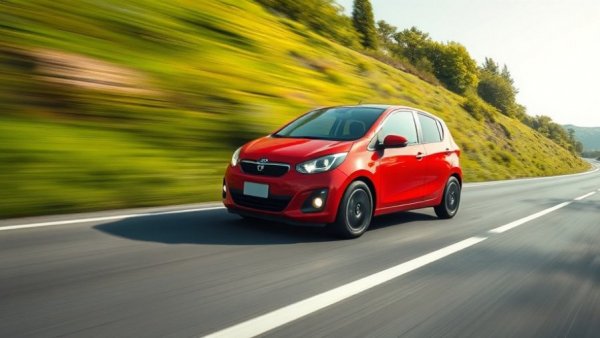
Update The Evolution of Inexpensive Cars: What Happened? Once upon a time, buying an affordable new car was straightforward and came with minimal features: think crank windows and AM/FM radios. Fast-forward to 2026, and the landscape has shifted dramatically. Today, even budget-friendly options offer advanced technology and amenities that weren’t even considered luxury just a couple of decades ago. The real question for today’s consumers is: can you still find a truly inexpensive, no-frills vehicle? A Glimpse into Today's Market The truth is, the very definition of “basic” has evolved. While modern cars must adhere to stringent safety regulations—like stability controls and rearview cameras—consumers have come to expect features that would have been luxury in the past. For instance, energy-efficient technology and driver-assistance systems are no longer exclusive to high-end models. Shoppers won't readily accept a car without air conditioning or smartphone connectivity. Therefore, today’s low-budget vehicles, such as the Nissan Versa or Hyundai Accent, boast features that enhance comfort and safety, making them more than basic transportation. In today’s market, understanding the needs of modern drivers is crucial. Many entry-level cars now come equipped not just with significant safety features but also with conveniences that make driving enjoyable. Features like automatic headlights and adjustable steering columns, previously found only in mid-range models, have become common in budget vehicles. This shift reflects broader consumer expectations about what even inexpensive cars should offer, pointing to a more comfortable driving experience. The Myth of the $20,000 Budget Car Once considered the entry point for buyers, under-$20,000 cars are becoming rarer. Brands that offered economical models have gradually phased out these options, leading to a market trend that favors larger, more feature-laden vehicles. Budget-conscious buyers looking for something around the $20,000 mark in 2026 will find that even these low-cost vehicles come equipped with tech features previously reserved for luxury options. However, these shifts may not necessarily denote a decline in value; rather, they reflect adjustments to inflation and rising costs. The shrinking lineup of affordable cars reflects broader changes in consumer preferences as well. Automakers have focused on producing SUVs and crossovers because they tend to have higher profit margins than compact sedans or hatchbacks. This shift means that while basic cars remain available, they are now in competition with a plethora of larger cars that customers often opt for due to perceived utility. Understanding Today’s Pricing Dynamics As we examine the prices of new vehicles now averaging about $51,000—compared to $30,500 just 15 years ago—it’s vital to account for inflation. The dollar value has changed significantly, indicating that although car prices look high, they remain comparable to average household incomes. The average new vehicle costs about 60% of the average household income in both eras, revealing that consumers still have the same proportional strain on their budgets despite the seemingly inflated sticker prices. Just as vital is recognizing the increasing consumer demand for technology and safety. Features like advanced safety systems—now standard in many new cars—have contributed to cost increases. Buyers today want more than just basic transportation; they want guarantees of safety and efficiency that have a cost. Understanding this can help potential buyers set realistic expectations and budgeting for their next vehicle purchase. Exploring the Used Car Market For those who truly wish to save money while getting reliable transportation, the used car market remains a viable option. Consumers can find older, dependable models that operate without the latest bells and whistles, which can often represent better value for money. Vehicles such as older Honda Civics or Toyota Corollas frequently boast reliability and offer significant savings compared to new models. However, it’s essential to weigh the trade-offs—new vehicles come with warranties and financing options that used cars may lack, potentially making a new but basic model a small price to pay for peace of mind. Furthermore, engaging in thorough research is crucial when considering used cars. Prospective buyers should be aware of the vehicle’s history, maintenance records, and condition to ensure they are not inheriting costly repairs. Utilizing resources such as vehicle history reports can help inform these decisions and offer a more transparent purchasing process. Decisions You Can Make on Your Car Purchase The current car market requires savvy decision-making. When considering your options, reflect on your specific needs. Are you seeking the latest technology or merely reliable transportation? If you lean towards the latter, prioritizing used cars where technology isn't a primary concern may allow you to save significantly. Moreover, consider long-term costs of ownership—fuel efficiency, maintenance, and potential resale value should play pivotal roles in your decision. Also, think about financing. With many lenders and financial institutions offering competitive rates on new vehicles, it might be worthwhile to evaluate financing options, especially if you're considering a new car. Such options can make even slightly more expensive models affordable in the long run. Conclusion: Bridging the Gap Between Need and Affordability While today’s cheap cars may not fit the traditional no-frills mold, they continue to offer a compelling mix of affordability, functionality, and modern technology. If you are navigating this evolving market, keep your needs and budget in mind, and don’t overlook the used car options.Taking the time to understand the shifts in pricing and technology can help you make informed choices. Explore your options, and engage in a thoughtful evaluation of what you truly need in a vehicle, which is essential in this transformed landscape. The choice ultimately lies in balancing desire for modern amenities with the fundamental need for reliability and cost-effectiveness.

Home Wise News

We concentrate on providing wise insights, reliable home contractor advice and hands‑on DIY know‑how for savvy homeowners. We focus on maintenance, repairs, landscaping ideas, security, smart home options, remodeling, decor and much more.

Find Us on
Social Media 

  • Google+ for PIP Consulting, LLC

847-999-4344

Please Contact Us Today!

Home Wise News
Brought to you by
PIP Consulting, LLC
3773 Howard Hughes Parkway
South Tower, Suite 500
Las Vegas, Nevada
89169

, ,

ABOUT US

We provide evidence-based insights and real-life applications of home advice and know-how practices. We stands out by featuring expert interviews and address the importance of getting practical solutions and DIY information. With the goal of helping home owners decide when they need to call on experts for the job at hand.

© 2026 Energize Your Marketing All Rights Reserved. 3773 Howard Hughes Parkway South Tower, Suite 500, Las Vegas, NV 89169 . Contact Us . Terms of Service . Privacy Policy

eyJjb21wYW55IjoiRW5lcmdpemUgWW91ciBNYXJrZXRpbmciLCJhZGRyZXNzIjoiMzc3MyBIb3dhcmQgSHVnaGVzIFBhcmt3YXkgU291dGggVG93ZXIsIFN1aXRlIDUwMCIsImNpdHkiOiJMYXMgVmVnYXMiLCJzdGF0ZSI6Ik5WIiwiemlwIjoiODkxNjkiLCJlbWFpbCI6Im1hcnNoYUBlbmVyZ2l6ZXlvdXJtYXJrZXRpbmcuY29tIiwidG9zIjoiUEhBK1BITjBjbTl1Wno0OFpXMCtWMmhsYmlCNWIzVWdjMmxuYmkxcGJpQjNhWFJvSUhWekxDQjViM1VnWVhKbElHZHBkbWx1WnladVluTndPeUI1YjNWeUlIQmxjbTFwYzNOcGIyNGdZVzVrSUdOdmJuTmxiblFnZEc4Z2MyVnVaQ0I1YjNVZ1pXMWhhV3dnWVc1a0wyOXlJRk5OVXlCMFpYaDBJRzFsYzNOaFoyVnpMaUJDZVNCamFHVmphMmx1WnlCMGFHVWdWR1Z5YlhNZ1lXNWtJRU52Ym1ScGRHbHZibk1nWW05NElHRnVaQ0JpZVNCemFXZHVhVzVuSUdsdUlIbHZkU0JoZFhSdmJXRjBhV05oYkd4NUlHTnZibVpwY20wZ2RHaGhkQ0I1YjNVZ1lXTmpaWEIwSUdGc2JDQjBaWEp0Y3lCcGJpQjBhR2x6SUdGbmNtVmxiV1Z1ZEM0OEwyVnRQand2YzNSeWIyNW5Qand2Y0Q0S0NqeHdQanhoSUdoeVpXWTlJbWgwZEhBNkx5OTNkM2N1WjI5dloyeGxMbU52YlNJK2FIUjBjRG92TDNkM2R5NW5iMjluYkdVdVkyOXRQQzloUGp3dmNENEtDanh3UGladVluTndPend2Y0Q0S0NqeHdQanh6ZEhKdmJtYytVMFZTVmtsRFJUd3ZjM1J5YjI1blBqd3ZjRDRLQ2p4d1BsZGxJSEJ5YjNacFpHVWdZU0J6WlhKMmFXTmxJSFJvWVhRZ1kzVnljbVZ1ZEd4NUlHRnNiRzkzY3lCNWIzVWdkRzhnY21WalpXbDJaU0J5WlhGMVpYTjBjeUJtYjNJZ1ptVmxaR0poWTJzc0lHTnZiWEJoYm5rZ2FXNW1iM0p0WVhScGIyNHNJSEJ5YjIxdmRHbHZibUZzSUdsdVptOXliV0YwYVc5dUxDQmpiMjF3WVc1NUlHRnNaWEowY3l3Z1kyOTFjRzl1Y3l3Z1pHbHpZMjkxYm5SeklHRnVaQ0J2ZEdobGNpQnViM1JwWm1sallYUnBiMjV6SUhSdklIbHZkWElnWlcxaGFXd2dZV1JrY21WemN5QmhibVF2YjNJZ1kyVnNiSFZzWVhJZ2NHaHZibVVnYjNJZ1pHVjJhV05sTGlCWmIzVWdkVzVrWlhKemRHRnVaQ0JoYm1RZ1lXZHlaV1VnZEdoaGRDQjBhR1VnVTJWeWRtbGpaU0JwY3lCd2NtOTJhV1JsWkNBbWNYVnZkRHRCVXkxSlV5WnhkVzkwT3lCaGJtUWdkR2hoZENCM1pTQmhjM04xYldVZ2JtOGdjbVZ6Y0c5dWMybGlhV3hwZEhrZ1ptOXlJSFJvWlNCMGFXMWxiR2x1WlhOekxDQmtaV3hsZEdsdmJpd2diV2x6TFdSbGJHbDJaWEo1SUc5eUlHWmhhV3gxY21VZ2RHOGdjM1J2Y21VZ1lXNTVJSFZ6WlhJZ1kyOXRiWFZ1YVdOaGRHbHZibk1nYjNJZ2NHVnljMjl1WVd4cGVtRjBhVzl1SUhObGRIUnBibWR6TGp3dmNENEtDanh3UGxsdmRTQmhjbVVnY21WemNHOXVjMmxpYkdVZ1ptOXlJRzlpZEdGcGJtbHVaeUJoWTJObGMzTWdkRzhnZEdobElGTmxjblpwWTJVZ1lXNWtJSFJvWVhRZ1lXTmpaWE56SUcxaGVTQnBiblp2YkhabElIUm9hWEprSUhCaGNuUjVJR1psWlhNZ0tITjFZMmdnWVhNZ1UwMVRJSFJsZUhRZ2JXVnpjMkZuWlhNc0lFbHVkR1Z5Ym1WMElITmxjblpwWTJVZ2NISnZkbWxrWlhJZ2IzSWdZMlZzYkhWc1lYSWdZV2x5ZEdsdFpTQmphR0Z5WjJWektTNGdXVzkxSUdGeVpTQnlaWE53YjI1emFXSnNaU0JtYjNJZ2RHaHZjMlVnWm1WbGN5d2dhVzVqYkhWa2FXNW5JSFJvYjNObElHWmxaWE1nWVhOemIyTnBZWFJsWkNCM2FYUm9JSFJvWlNCa2FYTndiR0Y1SUc5eUlHUmxiR2wyWlhKNUlHOW1JR1ZoWTJnZ1UwMVRJSFJsZUhRZ2JXVnpjMkZuWlNCelpXNTBJSFJ2SUhsdmRTQmllU0IxY3k0Z1NXNGdZV1JrYVhScGIyNHNJSGx2ZFNCdGRYTjBJSEJ5YjNacFpHVWdZVzVrSUdGeVpTQnlaWE53YjI1emFXSnNaU0JtYjNJZ1lXeHNJR1Z4ZFdsd2JXVnVkQ0J1WldObGMzTmhjbmtnZEc4Z1lXTmpaWE56SUhSb1pTQlRaWEoyYVdObElHRnVaQ0J5WldObGFYWmxJSFJvWlNCVFRWTWdkR1Y0ZENCdFpYTnpZV2RsY3k0Z1YyVWdaRzhnYm05MElHTm9ZWEpuWlNCaGJua2dabVZsY3lCbWIzSWdaR1ZzYVhabGNua2diMllnWlcxaGFXd2diM0lnVTAxVExpQlVhR2x6SUdseklHRWdabkpsWlNCelpYSjJhV05sSUhCeWIzWnBaR1ZrSUdKNUlIVnpMaUJJYjNkbGRtVnlMQ0J3YkdWaGMyVWdZMmhsWTJzZ2QybDBhQ0I1YjNWeUlHbHVkR1Z5Ym1WMElITmxjblpwWTJVZ2NISnZkbWxrWlhJZ1lXNWtJR05sYkd4MWJHRnlJR05oY25KcFpYSWdabTl5SUdGdWVTQmphR0Z5WjJWeklIUm9ZWFFnYldGNUlHbHVZM1Z5SUdGeklHRWdjbVZ6ZFd4MElHWnliMjBnY21WalpXbDJhVzVuSUdWdFlXbHNJR0Z1WkNCVFRWTWdkR1Y0ZENCdFpYTnpZV2RsY3lCMGFHRjBJSGRsSUdSbGJHbDJaWElnZFhCdmJpQjViM1Z5SUc5d2RDMXBiaUJoYm1RZ2NtVm5hWE4wY21GMGFXOXVJSGRwZEdnZ2IzVnlJR1Z0WVdsc0lHRnVaQ0JUVFZNZ2MyVnlkbWxqWlhNdUlGbHZkU0JqWVc0Z1kyRnVZMlZzSUdGMElHRnVlU0IwYVcxbExpQktkWE4wSUhSbGVIUWdKbkYxYjNRN1UxUlBVQ1p4ZFc5ME95QjBieUE4YUdsbmFHeHBaMmgwSUdOc1lYTnpQU0pqYjIxd1lXNTVVR2h2Ym1WVmNHUmhkR1VpUGlzeE9EUTNPVGs1TkRNME5Ed3ZhR2xuYUd4cFoyaDBQaTRnUVdaMFpYSWdlVzkxSUhObGJtUWdkR2hsSUZOTlV5QnRaWE56WVdkbElDWnhkVzkwTzFOVVQxQW1jWFZ2ZERzZ2RHOGdkWE1zSUhkbElIZHBiR3dnYzJWdVpDQjViM1VnWVc0Z1UwMVRJRzFsYzNOaFoyVWdkRzhnWTI5dVptbHliU0IwYUdGMElIbHZkU0JvWVhabElHSmxaVzRnZFc1emRXSnpZM0pwWW1Wa0xpQkJablJsY2lCMGFHbHpMQ0I1YjNVZ2QybHNiQ0J1YnlCc2IyNW5aWElnY21WalpXbDJaU0JUVFZNZ2JXVnpjMkZuWlhNZ1puSnZiU0IxY3k0OEwzQStDZ284Y0Q0OGMzUnliMjVuUGxsUFZWSWdVa1ZIU1ZOVVVrRlVTVTlPSUU5Q1RFbEhRVlJKVDA1VFBDOXpkSEp2Ym1jK1BDOXdQZ29LUEhBK1NXNGdZMjl1YzJsa1pYSmhkR2x2YmlCdlppQjViM1Z5SUhWelpTQnZaaUIwYUdVZ1UyVnlkbWxqWlN3Z2VXOTFJR0ZuY21WbElIUnZPand2Y0Q0S0NqeHZiRDRLQ1R4c2FUNXdjbTkyYVdSbElIUnlkV1VzSUdGalkzVnlZWFJsTENCamRYSnlaVzUwSUdGdVpDQmpiMjF3YkdWMFpTQnBibVp2Y20xaGRHbHZiaUJoWW05MWRDQjViM1Z5YzJWc1ppQmhjeUJ3Y205dGNIUmxaQ0JpZVNCMGFHVWdVMlZ5ZG1salpTWWpNems3Y3lCeVpXZHBjM1J5WVhScGIyNGdabTl5YlNBb2MzVmphQ0JwYm1admNtMWhkR2x2YmlCaVpXbHVaeUIwYUdVZ0puRjFiM1E3VW1WbmFYTjBjbUYwYVc5dUlFUmhkR0VtY1hWdmREc3BJR0Z1WkR3dmJHaytDZ2s4YkdrK2JXRnBiblJoYVc0Z1lXNWtJSEJ5YjIxd2RHeDVJSFZ3WkdGMFpTQjBhR1VnVW1WbmFYTjBjbUYwYVc5dUlFUmhkR0VnZEc4Z2EyVmxjQ0JwZENCMGNuVmxMQ0JoWTJOMWNtRjBaU3dnWTNWeWNtVnVkQ0JoYm1RZ1kyOXRjR3hsZEdVdUlFbG1JSGx2ZFNCd2NtOTJhV1JsSUdGdWVTQnBibVp2Y20xaGRHbHZiaUIwYUdGMElHbHpJSFZ1ZEhKMVpTd2dhVzVoWTJOMWNtRjBaU3dnYm05MElHTjFjbkpsYm5RZ2IzSWdhVzVqYjIxd2JHVjBaU3dnYjNJZ2QyVWdhR0YyWlNCeVpXRnpiMjVoWW14bElHZHliM1Z1WkhNZ2RHOGdjM1Z6Y0dWamRDQjBhR0YwSUhOMVkyZ2dhVzVtYjNKdFlYUnBiMjRnYVhNZ2RXNTBjblZsTENCcGJtRmpZM1Z5WVhSbExDQnViM1FnWTNWeWNtVnVkQ0J2Y2lCcGJtTnZiWEJzWlhSbExDQjNaU0JvWVhabElIUm9aU0J5YVdkb2RDQjBieUJ6ZFhOd1pXNWtJRzl5SUR4emRISnZibWMrUEhOd1lXNGdjM1I1YkdVOUltTnZiRzl5T2lOR1JqQXdNREE3SWo1MFpYSnRhVzVoZEdVZ2VXOTFjaUJoWTJOdmRXNTBMM0J5YjJacGJHVWdZVzVrSUhKbFpuVnpaU0JoYm5rZ1lXNWtJR0ZzYkNCamRYSnlaVzUwSUc5eUlHWjFkSFZ5WlNCMWMyVWdiMllnZEdobElGTmxjblpwWTJVZ0tHOXlJR0Z1ZVNCd2IzSjBhVzl1SUhSb1pYSmxiMllwTGp3dmMzQmhiajQ4TDNOMGNtOXVaejQ4TDJ4cFBnbzhMMjlzUGdvS1BIQStKbTVpYzNBN1BDOXdQZ284YUdsbmFHeHBaMmgwSUdOc1lYTnpQU0pqYjIxd1lXNTVUbUZ0WlZWd1pHRjBaU0krUlc1bGNtZHBlbVVnV1c5MWNpQk5ZWEpyWlhScGJtYzhMMmhwWjJoc2FXZG9kRDQ4WW5JZ0x6NEtQR2hwWjJoc2FXZG9kQ0JqYkdGemN6MGlZMjl0Y0dGdWVVRmtaSEpsYzNOVmNHUmhkR1VpUGpNM056TWdTRzkzWVhKa0lFaDFaMmhsY3lCUVlYSnJkMkY1SUZOdmRYUm9JRlJ2ZDJWeUxDQlRkV2wwWlNBMU1EQXNJRXhoY3lCV1pXZGhjeXdnVGxZZ09Ea3hOams4TDJocFoyaHNhV2RvZEQ0OFluSWdMejRLUEdocFoyaHNhV2RvZENCamJHRnpjejBpWTI5dGNHRnVlVkJvYjI1bFZYQmtZWFJsSWo0ck1UZzBOeTA1T1RrdE5ETTBORHd2YUdsbmFHeHBaMmgwUGp4aWNpQXZQZ284YUdsbmFHeHBaMmgwSUdOc1lYTnpQU0pqYjIxd1lXNTVSVzFoYVd4VmNHUmhkR1VpUG0xaGNuTm9ZVUJsYm1WeVoybDZaWGx2ZFhKdFlYSnJaWFJwYm1jdVkyOXRQQzlvYVdkb2JHbG5hSFErIiwicHJpdmFjeSI6IlBIQStQSE4wY205dVp6NVFVa2xXUVVOWlBDOXpkSEp2Ym1jK1BDOXdQZ29LUEhBK1BITjBjbTl1Wno1VWFHVWdhVzVtYjNKdFlYUnBiMjRnY0hKdmRtbGtaV1FnWkhWeWFXNW5JSFJvYVhNZ2NtVm5hWE4wY21GMGFXOXVJR2x6SUd0bGNIUWdjSEpwZG1GMFpTQmhibVFnWTI5dVptbGtaVzUwYVdGc0xDQmhibVFnZDJsc2JDQnVaWFpsY2lCaVpTQmthWE4wY21saWRYUmxaQ3dnWTI5d2FXVmtMQ0J6YjJ4a0xDQjBjbUZrWldRZ2IzSWdjRzl6ZEdWa0lHbHVJR0Z1ZVNCM1lYa3NJSE5vWVhCbElHOXlJR1p2Y20wdUlGUm9hWE1nYVhNZ2IzVnlJR2QxWVhKaGJuUmxaUzQ4TDNOMGNtOXVaejQ4TDNBK0NnbzhjRDQ4YzNSeWIyNW5Qa2xPUkVWTlRrbFVXVHd2YzNSeWIyNW5Qand2Y0Q0S0NqeHdQanhsYlQ1WmIzVWdZV2R5WldVZ2RHOGdhVzVrWlcxdWFXWjVJR0Z1WkNCb2IyeGtJSFZ6TEM0Z1lXNWtJR2wwY3lCemRXSnphV1JwWVhKcFpYTXNJR0ZtWm1sc2FXRjBaWE1zSUc5bVptbGpaWEp6TENCaFoyVnVkSE1zSUdOdkxXSnlZVzVrWlhKeklHOXlJRzkwYUdWeUlIQmhjblJ1WlhKekxDQmhibVFnWlcxd2JHOTVaV1Z6TENCb1lYSnRiR1Z6Y3lCbWNtOXRJR0Z1ZVNCamJHRnBiU0J2Y2lCa1pXMWhibVFzSUdsdVkyeDFaR2x1WnlCeVpXRnpiMjVoWW14bElHRjBkRzl5Ym1WNWN5WWpNems3SUdabFpYTXNJRzFoWkdVZ1lua2dZVzU1SUhSb2FYSmtJSEJoY25SNUlHUjFaU0IwYnlCdmNpQmhjbWx6YVc1bklHOTFkQ0J2WmlCRGIyNTBaVzUwSUhsdmRTQnlaV05sYVhabExDQnpkV0p0YVhRc0lISmxjR3g1TENCd2IzTjBMQ0IwY21GdWMyMXBkQ0J2Y2lCdFlXdGxJR0YyWVdsc1lXSnNaU0IwYUhKdmRXZG9JSFJvWlNCVFpYSjJhV05sTENCNWIzVnlJSFZ6WlNCdlppQjBhR1VnVTJWeWRtbGpaU3dnZVc5MWNpQmpiMjV1WldOMGFXOXVJSFJ2SUhSb1pTQlRaWEoyYVdObExDQjViM1Z5SUhacGIyeGhkR2x2YmlCdlppQjBhR1VnVkU5VExDQnZjaUI1YjNWeUlIWnBiMnhoZEdsdmJpQnZaaUJoYm5rZ2NtbG5hSFJ6SUc5bUlHRnViM1JvWlhJdVBDOWxiVDQ4TDNBK0NnbzhjRDQ4YzNSeWIyNW5Qa1JKVTBOTVFVbE5SVklnVDBZZ1YwRlNVa0ZPVkVsRlV6d3ZjM1J5YjI1blBqd3ZjRDRLQ2p4d1BqeHpkSEp2Ym1jK1dVOVZJRVZZVUZKRlUxTk1XU0JWVGtSRlVsTlVRVTVFSUVGT1JDQkJSMUpGUlNCVVNFRlVPand2YzNSeWIyNW5Qand2Y0Q0S0NqeHZiRDRLQ1R4c2FUNVpUMVZTSUZWVFJTQlBSaUJVU0VVZ1UwVlNWa2xEUlNCSlV5QkJWQ0JaVDFWU0lGTlBURVVnVWtsVFN5NGdWRWhGSUZORlVsWkpRMFVnU1ZNZ1VGSlBWa2xFUlVRZ1QwNGdRVTRnSm5GMWIzUTdRVk1nU1ZNbWNYVnZkRHNnUVU1RUlDWnhkVzkwTzBGVElFRldRVWxNUVVKTVJTWnhkVzkwT3lCQ1FWTkpVeTRnTEM0Z1FVNUVJRlZUTENCSlZDWWpNems3VXlCRFZWTlVUMDFGVWxNc0lFVllVRkpGVTFOTVdTQkVTVk5EVEVGSlRWTWdRVXhNSUZkQlVsSkJUbFJKUlZNZ1QwWWdRVTVaSUV0SlRrUXNJRmRJUlZSSVJWSWdSVmhRVWtWVFV5QlBVaUJKVFZCTVNVVkVMQ0JKVGtOTVZVUkpUa2NzSUVKVlZDQk9UMVFnVEVsTlNWUkZSQ0JVVHlCVVNFVWdTVTFRVEVsRlJDQlhRVkpTUVU1VVNVVlRJRTlHSUUxRlVrTklRVTVVUVVKSlRFbFVXU3dnUmtsVVRrVlRVeUJHVDFJZ1FTQlFRVkpVU1VOVlRFRlNJRkJWVWxCUFUwVWdRVTVFSUU1UFRpMUpUa1pTU1U1SFJVMUZUbFF1UEM5c2FUNEtDVHhzYVQ1TlFVdEZVeUJPVHlCWFFWSlNRVTVVV1NCVVNFRlVJQ2hwS1NCVVNFVWdVMFZTVmtsRFJTQlhTVXhNSUUxRlJWUWdXVTlWVWlCU1JWRlZTVkpGVFVWT1ZGTXNJQ2hwYVNrZ1ZFaEZJRk5GVWxaSlEwVWdWMGxNVENCQ1JTQlZUa2xPVkVWU1VsVlFWRVZFTENCVVNVMUZURmtzSUZORlExVlNSU3dnVDFJZ1JWSlNUMUl0UmxKRlJTd2dLR2xwYVNrZ1ZFaEZJRkpGVTFWTVZGTWdWRWhCVkNCTlFWa2dRa1VnVDBKVVFVbE9SVVFnUmxKUFRTQlVTRVVnVlZORklFOUdJRlJJUlNCVFJWSldTVU5GSUZkSlRFd2dRa1VnUVVORFZWSkJWRVVnVDFJZ1VrVk1TVUZDVEVVc0lFRk9SQ0FvYVhZcElFRk9XU0JGVWxKUFVsTWdTVTRnVkVoRklGTlBSbFJYUVZKRklGZEpURXdnUWtVZ1EwOVNVa1ZEVkVWRUxqd3ZiR2srQ2drOGJHaytRVTVaSUUxQlZFVlNTVUZNSUVSUFYwNU1UMEZFUlVRZ1QxSWdUMVJJUlZKWFNWTkZJRTlDVkVGSlRrVkVJRlJJVWs5VlIwZ2dWRWhGSUZWVFJTQlBSaUJVU0VVZ1UwVlNWa2xEUlNCSlV5QkVUMDVGSUVGVUlGbFBWVklnVDFkT0lFUkpVME5TUlZSSlQwNGdRVTVFSUZKSlUwc2dRVTVFSUZSSVFWUWdXVTlWSUZkSlRFd2dRa1VnVTA5TVJVeFpJRkpGVTFCUFRsTkpRa3hGSUVaUFVpQkJUbGtnUkVGTlFVZEZJRlJQSUZsUFZWSWdRMDlOVUZWVVJWSWdVMWxUVkVWTklFOVNJRXhQVTFNZ1QwWWdSRUZVUVNCVVNFRlVJRkpGVTFWTVZGTWdSbEpQVFNCVVNFVWdSRTlYVGt4UFFVUWdUMFlnUVU1WklGTlZRMGdnVFVGVVJWSkpRVXd1UEM5c2FUNEtDVHhzYVQ1T1R5QkJSRlpKUTBVZ1QxSWdTVTVHVDFKTlFWUkpUMDRzSUZkSVJWUklSVklnVDFKQlRDQlBVaUJYVWtsVVZFVk9MQ0JQUWxSQlNVNUZSQ0JDV1NCWlQxVWdSbEpQVFNCUFVpQlVTRkpQVlVkSUlFOVNJRVpTVDAwZ1ZFaEZJRk5GVWxaSlEwVWdVMGhCVEV3Z1ExSkZRVlJGSUVGT1dTQlhRVkpTUVU1VVdTQk9UMVFnUlZoUVVrVlRVMHhaSUZOVVFWUkZSQ0JKVGlCVVNFVWdWRTlUTGp3dmJHaytDand2YjJ3K0NnbzhjRDQ4YzNSeWIyNW5Qa3hKVFVsVVFWUkpUMDRnVDBZZ1RFbEJRa2xNU1ZSWlBDOXpkSEp2Ym1jK1BDOXdQZ29LUEhBK1dVOVZJRVZZVUZKRlUxTk1XU0JWVGtSRlVsTlVRVTVFSUVGT1JDQkJSMUpGUlNCVVNFRlVJRUZPUkNCVFNFRk1UQ0JPVDFRZ1FrVWdURWxCUWt4RklFWlBVaUJCVGxrZ1JFbFNSVU5VTENCSlRrUkpVa1ZEVkN3Z1NVNURTVVJGVGxSQlRDd2dVMUJGUTBsQlRDd2dRMDlPVTBWUlZVVk9WRWxCVENCUFVpQkZXRVZOVUV4QlVsa2dSRUZOUVVkRlV5d2dTVTVEVEZWRVNVNUhJRUpWVkNCT1QxUWdURWxOU1ZSRlJDQlVUeXdnUkVGTlFVZEZVeUJHVDFJZ1RFOVRVeUJQUmlCUVVrOUdTVlJUTENCSFQwOUVWMGxNVEN3Z1ZWTkZMQ0JFUVZSQklFOVNJRTlVU0VWU0lFbE9WRUZPUjBsQ1RFVWdURTlUVTBWVElDaEZWa1ZPSUVsR0lFaEJVeUJDUlVWT0lFRkVWa2xUUlVRZ1QwWWdWRWhGSUZCUFUxTkpRa2xNU1ZSWklFOUdJRk5WUTBnZ1JFRk5RVWRGVXlrc0lGSkZVMVZNVkVsT1J5QkdVazlOT2p3dmNENEtDanh2YkQ0S0NUeHNhVDVVU0VVZ1ZWTkZJRTlTSUZSSVJTQkpUa0ZDU1V4SlZGa2dWRThnVlZORklGUklSU0JUUlZKV1NVTkZPend2YkdrK0NnazhiR2srVkVoRklFTlBVMVFnVDBZZ1VGSlBRMVZTUlUxRlRsUWdUMFlnVTFWQ1UxUkpWRlZVUlNCSFQwOUVVeUJCVGtRZ1UwVlNWa2xEUlZNZ1VrVlRWVXhVU1U1SElFWlNUMDBnUVU1WklFZFBUMFJUTENCRVFWUkJMQ0JKVGtaUFVrMUJWRWxQVGlCUFVpQlRSVkpXU1VORlV5QlFWVkpEU0VGVFJVUWdUMUlnVDBKVVFVbE9SVVFnVDFJZ1RVVlRVMEZIUlZNZ1VrVkRSVWxXUlVRZ1QxSWdWRkpCVGxOQlExUkpUMDVUSUVWT1ZFVlNSVVFnU1U1VVR5QlVTRkpQVlVkSUlFOVNJRVpTVDAwZ1ZFaEZJRk5GVWxaSlEwVTdQQzlzYVQ0S0NUeHNhVDVWVGtGVlZFaFBVa2xhUlVRZ1FVTkRSVk5USUZSUElFOVNJRUZNVkVWU1FWUkpUMDRnVDBZZ1dVOVZVaUJVVWtGT1UwMUpVMU5KVDA1VElFOVNJRVJCVkVFN1BDOXNhVDRLQ1R4c2FUNVRWRUZVUlUxRlRsUlRJRTlTSUVOUFRrUlZRMVFnVDBZZ1FVNVpJRlJJU1ZKRUlGQkJVbFJaSUU5T0lGUklSU0JUUlZKV1NVTkZPeUJQVWp3dmJHaytDZ2s4YkdrK1FVNVpJRTlVU0VWU0lFMUJWRlJGVWlCU1JVeEJWRWxPUnlCVVR5QlVTRVVnVTBWU1ZrbERSUzQ4TDJ4cFBnbzhMMjlzUGdvS1BIQStQSFUrUW5rZ2NtVm5hWE4wWlhKcGJtY2dZVzVrSUhOMVluTmpjbWxpYVc1bklIUnZJRzkxY2lCbGJXRnBiQ0JoYm1RZ1UwMVRJSE5sY25acFkyVXNJR0o1SUc5d2RDMXBiaXdnYjI1c2FXNWxJSEpsWjJsemRISmhkR2x2YmlCdmNpQmllU0JtYVd4c2FXNW5JRzkxZENCaElHTmhjbVFzSUNaeGRXOTBPM2x2ZFNCaFozSmxaU0IwYnlCMGFHVnpaU0JVUlZKTlV5QlBSaUJUUlZKV1NVTkZKbkYxYjNRN0lHRnVaQ0I1YjNVZ1lXTnJibTkzYkdWa1oyVWdZVzVrSUhWdVpHVnljM1JoYm1RZ2RHaGxJR0ZpYjNabElIUmxjbTF6SUc5bUlITmxjblpwWTJVZ2IzVjBiR2x1WldRZ1lXNWtJR1JsZEdGcGJHVmtJR1p2Y2lCNWIzVWdkRzlrWVhrdVBDOTFQand2Y0Q0S0NqeHdQaVp1WW5Od096d3ZjRDRLUEdocFoyaHNhV2RvZENCamJHRnpjejBpWTI5dGNHRnVlVTVoYldWVmNHUmhkR1VpUGtWdVpYSm5hWHBsSUZsdmRYSWdUV0Z5YTJWMGFXNW5QQzlvYVdkb2JHbG5hSFErUEdKeUlDOCtDanhvYVdkb2JHbG5hSFFnWTJ4aGMzTTlJbU52YlhCaGJubEJaR1J5WlhOelZYQmtZWFJsSWo0ek56Y3pJRWh2ZDJGeVpDQklkV2RvWlhNZ1VHRnlhM2RoZVNCVGIzVjBhQ0JVYjNkbGNpd2dVM1ZwZEdVZ05UQXdMQ0JNWVhNZ1ZtVm5ZWE1zSUU1V0lEZzVNVFk1UEM5b2FXZG9iR2xuYUhRK1BHSnlJQzgrQ2p4b2FXZG9iR2xuYUhRZ1kyeGhjM005SW1OdmJYQmhibmxRYUc5dVpWVndaR0YwWlNJK0t6RTRORGN0T1RrNUxUUXpORFE4TDJocFoyaHNhV2RvZEQ0OFluSWdMejRLUEdocFoyaHNhV2RvZENCamJHRnpjejBpWTI5dGNHRnVlVVZ0WVdsc1ZYQmtZWFJsSWo1dFlYSnphR0ZBWlc1bGNtZHBlbVY1YjNWeWJXRnlhMlYwYVc1bkxtTnZiVHd2YUdsbmFHeHBaMmgwUGc9PSJ9

Terms of Service

Privacy Policy

Core Modal Title

Sorry, no results found

You Might Find These Articles Interesting

T
Please Check Your Email
We Will Be Following Up Shortly
*
*
*