
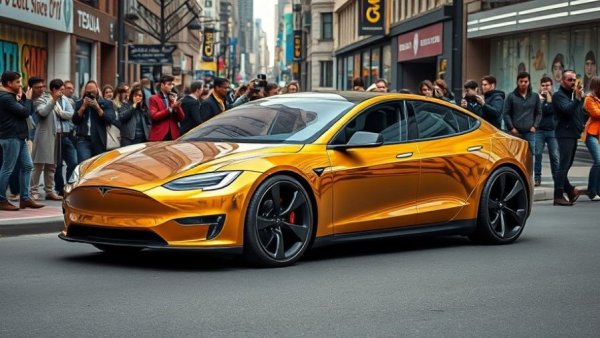
Changing Directions: The End of an Era for the Cybertruck
The Tesla Cybertruck has certainly been a hot topic in the automotive industry and beyond. Despite its distinctive design that turned heads and raised eyebrows, production is being halted to focus on the upcoming Cybercab. Elon Musk's announcement regarding this shift is not just a decision on one vehicle; it reflects a broader strategic pivot for Tesla as they embrace the next phase of autonomous driving technology.
The Case for Shifting Production
Elon Musk's assertion that the Cybertruck is not being shelved due to profitability issues leaves many wondering about the actual viability of Tesla's electric truck. With deliveries beginning in late 2023, many expected greater adoption rates. However, reassessments from Kelley Blue Book revealed disheartening statistics, as U.S. sales plunged nearly by half in 2025. Factors leading to this downturn included hefty pricing, especially when compared to competitors, and mixed consumer feedback regarding design aesthetics and quality. Critics pointed out that while the innovative look of the Cybertruck attracted attention, its usability and the practicality of its features in day-to-day scenarios fell short of consumer expectations.
What Does This Mean for Current Owners?
For current Cybertruck owners, all is not lost. Tesla's lead engineer, Wes Morrill, reassured users on social media that spare parts and service support will remain available for the foreseeable future. This commitment to continued support is pivotal, alleviating concerns regarding value retention and long-term usability of a vehicle that is now being phased out. This means that those who invested in the Cybertruck can still expect a degree of service and support, though the exact duration of that commitment remains unspecified. Moreover, existing warranty terms will continue to apply, giving current drivers peace of mind about their investment. However, the fate of those still waiting for their orders seems less certain, as Musk indicated that deposits would fail to translate into deliveries for many customers. The anxiety surrounding this situation has led to mixed feelings, with many eagerly watching for official communications from the company regarding their potential refunds or delivery timelines.
Introducing the Cybercab: Tesla's New Autonomy Frontier
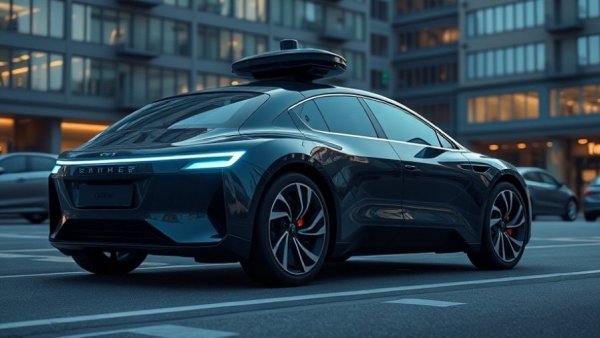
The Cybercab represents Tesla's innovative venture into self-driving technology. Unlike traditional cars, the Cybercab is envisioned as an electric vehicle devoid of steering wheels and pedals, showcasing a radical departure from conventional driving. Rides have already commenced in select Austin locations, hinting at a future where personal car ownership may evolve into a pooled vehicle model powered by autonomous technology. This could lead to a significant transformation in how people perceive transportation; the focus may shift from ownership to access, with many opting to use ride-hailing services instead of owning a vehicle outright. This revolutionary concept aligns with growing trends toward sustainability and shared mobility options.
Leveraging Gigafactory for the Future
Shifting production from Cybertrucks to Cybercabs at Gigafactory Texas is a strategic move reflecting Tesla's emphasis on enhancing its self-driving capabilities. As Musk believes that maximizing the factory's output for Cybercabs affords the company a better return on investment, this change also signals a commitment to technological advancement. Indeed, as more consumers look towards shared economies and ridesharing services, this shift may align perfectly with evolving automotive trends. Areas like urban transportation are rapidly changing, and the demand for autonomous vehicles is expected to increase significantly in the coming years, pushing Tesla to focus on an area where they can continue to innovate and lead.
The Future of Tesla: Speculations and Insights
As Tesla adopts this new direction, market observers are left to speculate on the long-term implications. Some industry experts suggest that by focusing on autonomous vehicles, Tesla is positioning itself as a leader in a future where self-driving taxis could be the norm. Others worry that the transition away from consumer-focused products may alienate a segment of Tesla’s loyal customer base. The potential success of the Cybercab could very well redefine Tesla's brand identity, but it remains to be seen whether the gamble will pay off. Consumers have invested in the Tesla ethos of being at the forefront of sustainable innovation, and they may hope for continued developments in products that they desire.
Community Response and Market Perception
The conversation surrounding the Cybertruck's halt has sparked various discussions within the Tesla community. While some enthusiasts express frustration over the lack of transparency surrounding the transition and order fulfillment, others celebrate the shift towards innovation. This conflicting sentiment reflects a crucial aspect of brand loyalty; consumers remain hopeful about the value of their investment and the future of automotive technology. Many are taking to social media and forums to voice their opinions, showcasing a passionate and engaged community that has grown around Tesla. The reactions are mixed, with some taking Musk's vision at face value while others demand more clarity and assurance about the future of their vehicles and the brand as a whole.
Risk Factors and Challenges Ahead
However, risks abound as Tesla navigates this transformation. The pressure to meet ambitious production targets for the Cybercab while ensuring customer satisfaction could create significant challenges. Additionally, the release of a self-driving vehicle requires navigating complex regulatory landscapes, which can further complicate timelines and expectations. Tesla will need to ensure it meets safety regulations, which are constantly evolving as the technology progresses. Stakeholders will be watching closely to see how these challenges are addressed. The path forward is fraught with uncertainty, but Tesla's commitment to innovation suggests they are prepared to invest the necessary resources to adapt and thrive.
In summation, while Tesla's decision to halt Cybertruck production signals a new chapter within the company, it inevitably raises questions and discussions about the future. Will the Cybercab redefine urban transport, or are consumers not ready for such radical changes? The coming months will be pivotal as Tesla integrates these developments into its narrative. As they embark on this ambitious journey toward reshaping transportation, only time will reveal the outcomes and responses from the market. This turning point for Tesla not only affects the company but could also have far-reaching implications for the future landscape of mobility itself.





Write A Comment